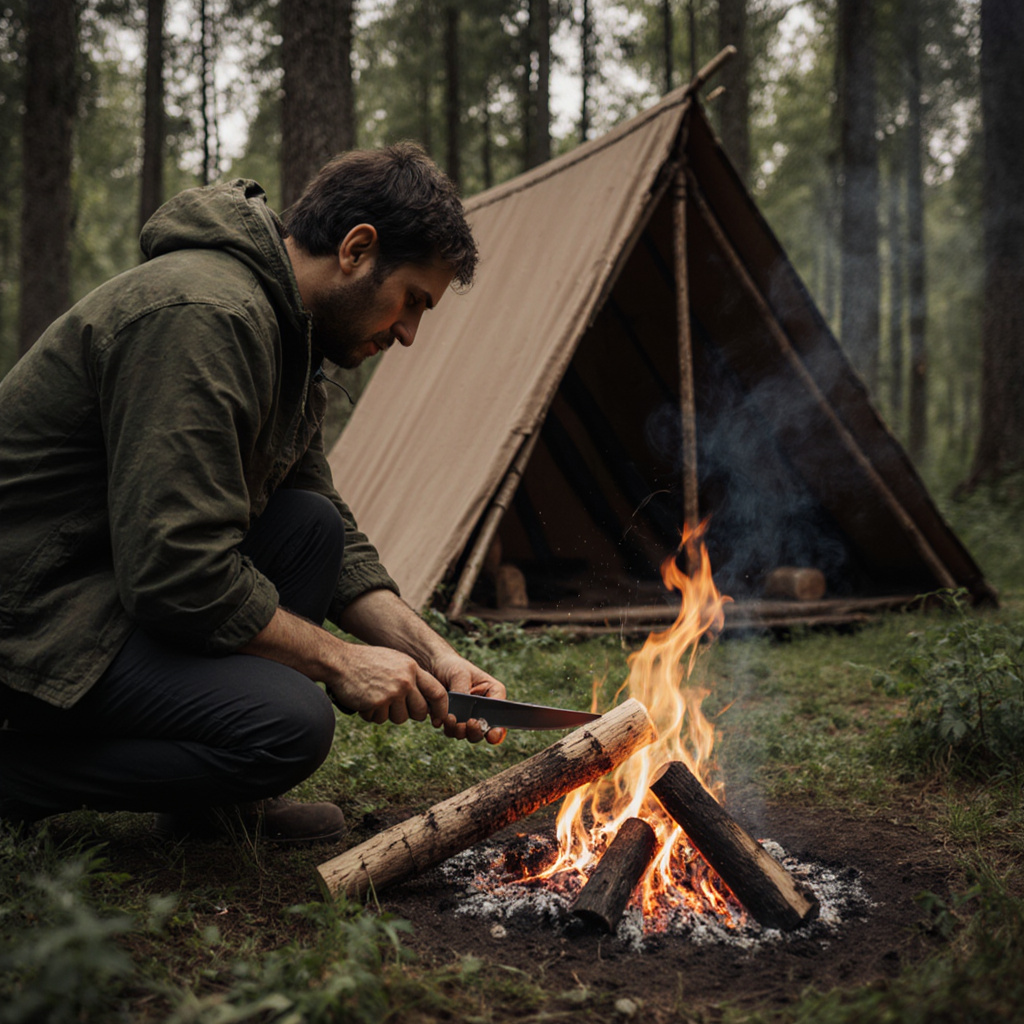
An Introduction to Bushcraft: The Art of Wilderness Survival
Welcome, fellow outdoor enthusiasts, to WildGridScout! Today, we’re embarking on a journey into a fascinating and incredibly rewarding skill set: bushcraft. Often misunderstood or conflated with extreme survivalism, bushcraft is, at its heart, the art of living harmoniously and competently in the wilderness using traditional skills and minimal modern equipment. It’s not just about surviving an emergency; it’s about thriving, connecting with nature on a profound level, and finding self-reliance in the wild.
What Exactly is Bushcraft?
The term “bushcraft” itself is a compound of “bush” (referring to wild or unsettled country) and “craft” (skill or art). Essentially, it encompasses a diverse range of skills that allow one to sustain life in the natural environment. While survivalism often focuses on short-term, emergency scenarios, bushcraft cultivates a deeper, long-term understanding and interaction with the natural world. It’s about becoming a part of the landscape, not just a visitor.
Think of it as the ultimate form of sustainable living outdoors. It involves learning how to procure water, build shelter, make fire, forage for food, navigate, and create tools from natural materials. It’s a continuous learning process, an ancestral skill set passed down through generations, now revitalized by a community eager to reconnect with the wild.
The Core Pillars of Bushcraft
To truly understand bushcraft, one must delve into its foundational elements. These aren’t just skills; they are fundamental needs that, when met through natural means, empower us in the outdoors:
1. Shelter: Your Wilderness Home
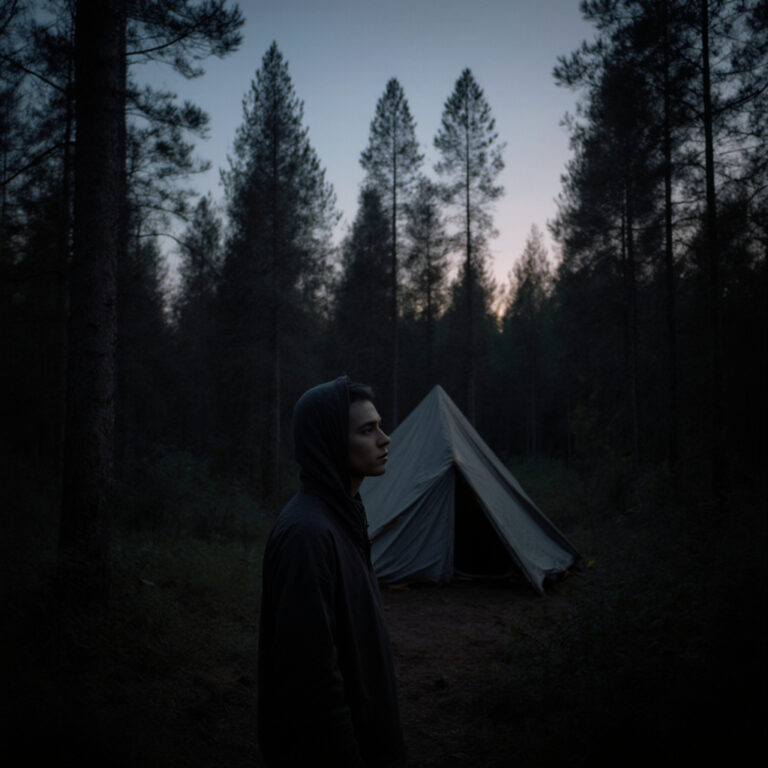
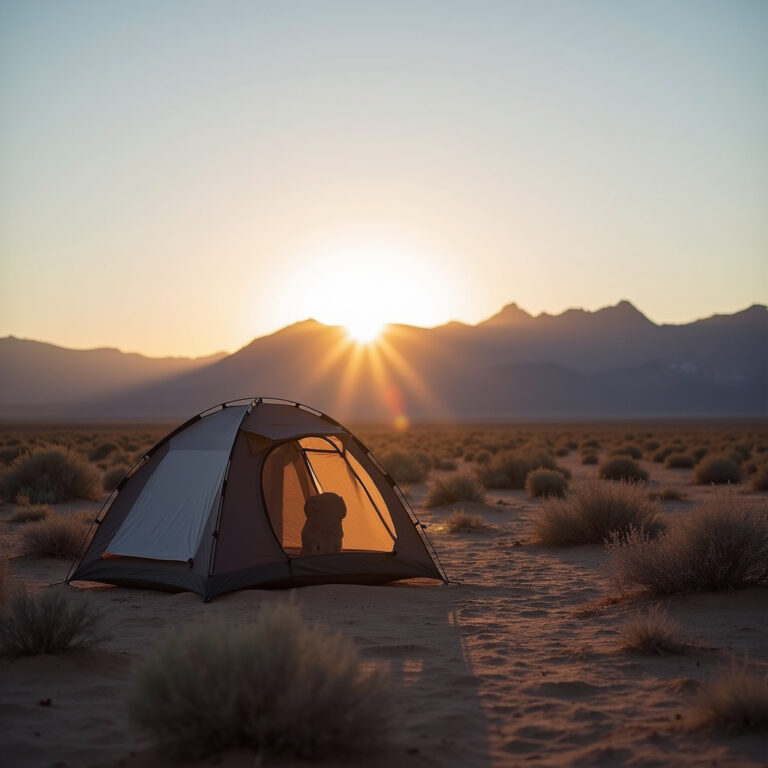
Protection from the elements is paramount. While a tent is convenient, bushcraft teaches you to see the forest as your hardware store. You’ll learn to identify suitable locations, utilize natural features like overhangs, and construct primitive shelters such as lean-tos, debris huts, or even a simple tarp setup that can shield you from wind, rain, and cold. The goal is to maximize warmth and dryness with minimal impact.
2. Fire: The Lifeblood of the Wild
Fire is more than just warmth; it’s for cooking, purifying water, signaling, and morale. Bushcraft emphasizes mastering various fire-starting methods, from ferro rods and friction fire (bow drill, hand drill) to understanding different fire lays (e.g., star fire, council fire) and the properties of various woods for fuel. The ability to reliably make fire in any condition is a cornerstone of bushcraft.
3. Water: The Elixir of Life
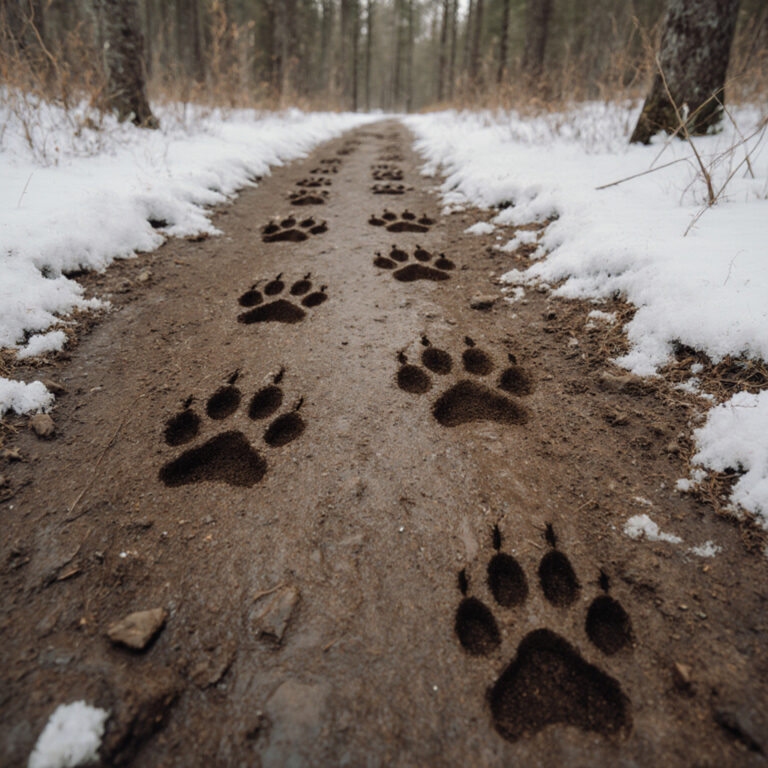
Dehydration is a swift danger in the wild. Bushcraft teaches you how to locate water sources – identifying tracks leading to water, recognizing water-loving plants, and even collecting dew. Crucially, it emphasizes purification methods: boiling, using natural filters in conjunction with boiling, or modern purification tablets/filters when available. Never drink untreated water from the wild unless absolutely necessary, and always prioritize purification.
4. Food: Sustenance from Nature
While often romanticized, foraging and hunting/trapping are advanced bushcraft skills that require extensive knowledge and ethical consideration. Learning to identify edible plants, berries, and fungi (and, more importantly, poisonous ones!) is a vital skill. However, for most recreational bushcrafters, it’s a supplemental skill rather than a primary food source for short trips. Always consult local experts and guidebooks for foraging, and never consume anything you cannot 100% positively identify. Trapping and hunting are subject to strict laws and require proper training and licensing.
5. Tools & Cordage: Extensions of Your Hands
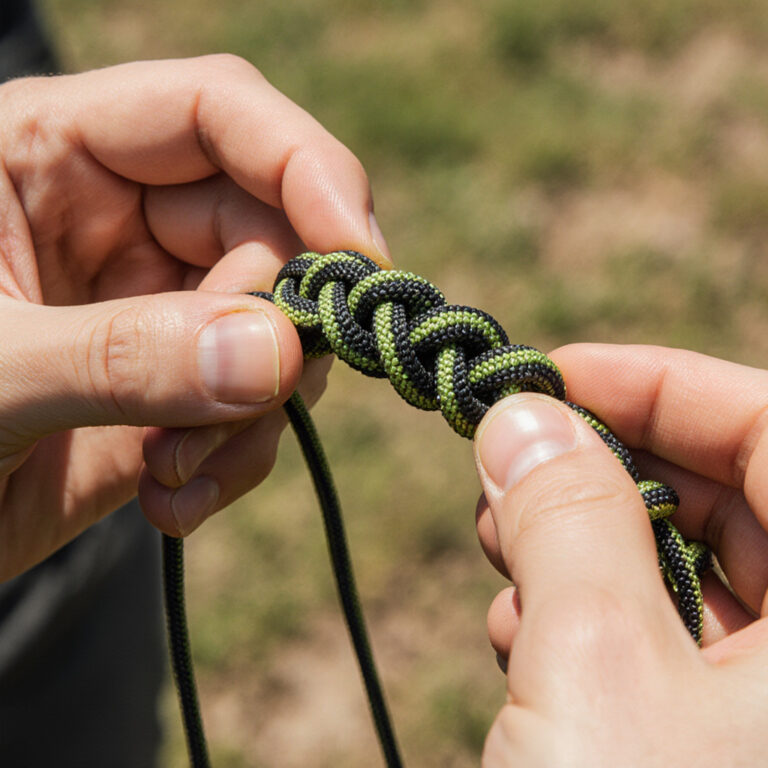
A good quality bushcraft knife is often considered the most essential tool, followed by a sturdy axe or saw. Beyond these, bushcraft teaches you to create tools from natural materials: carving spoons, making cordage from plant fibers (like nettle or inner bark), and crafting containers. These skills reduce reliance on manufactured goods and foster ingenuity.
6. Navigation: Finding Your Way
While GPS is convenient, a bushcrafter understands the importance of traditional navigation. This includes map and compass proficiency, but also natural navigation: reading the sun, stars, prevailing winds, and even moss growth patterns to orient oneself. It’s about being aware of your surroundings and understanding how to read the landscape.
The Bushcraft Mindset: Respect and Observation
Beyond the practical skills, bushcraft instills a profound respect for nature and an acute sense of observation. It teaches patience, problem-solving, and a deep appreciation for the resources the wilderness provides. The “Leave No Trace” principles are not just guidelines but an inherent part of the bushcraft ethos – taking only what you need, leaving no discernible impact, and ensuring the environment remains pristine for others and for future generations (Source: Leave No Trace Center for Outdoor Ethics).
Bushcraft and Minimalist Gear
The beauty of bushcraft for WildGridScout readers is its natural synergy with minimalist gear. By learning to rely on skills rather than an extensive gear list, you lighten your pack and deepen your connection with the environment. A high-quality knife, a reliable tarp, and a few essentials often suffice when coupled with bushcraft knowledge. It’s about making your skills your primary gear.
Getting Started on Your Bushcraft Journey
So, how do you begin? Start small and locally. Focus on mastering one skill at a time, perhaps fire-starting or basic shelter construction. Read books, watch reputable tutorials, and ideally, seek out experienced instructors or local bushcraft groups. Always practice safely and responsibly, informing someone of your plans when heading into the wild, especially as you learn new skills.
Recommended initial gear:
- A sturdy, full-tang bushcraft knife.
- A ferro rod or other reliable fire starter.
- A simple tarp and cordage.
- A good quality compass and local map.
- A first-aid kit.
Remember, bushcraft is a lifelong journey of learning and discovery. It offers not just practical skills for the outdoors, but also a pathway to greater self-reliance, confidence, and a deeper, more meaningful relationship with the natural world.
Are you ready to embrace the art of wilderness survival? Share your bushcraft aspirations in the comments below!
(Information in this post is based on widely accepted bushcraft principles and traditional wilderness skills. Always prioritize safety and local regulations.)