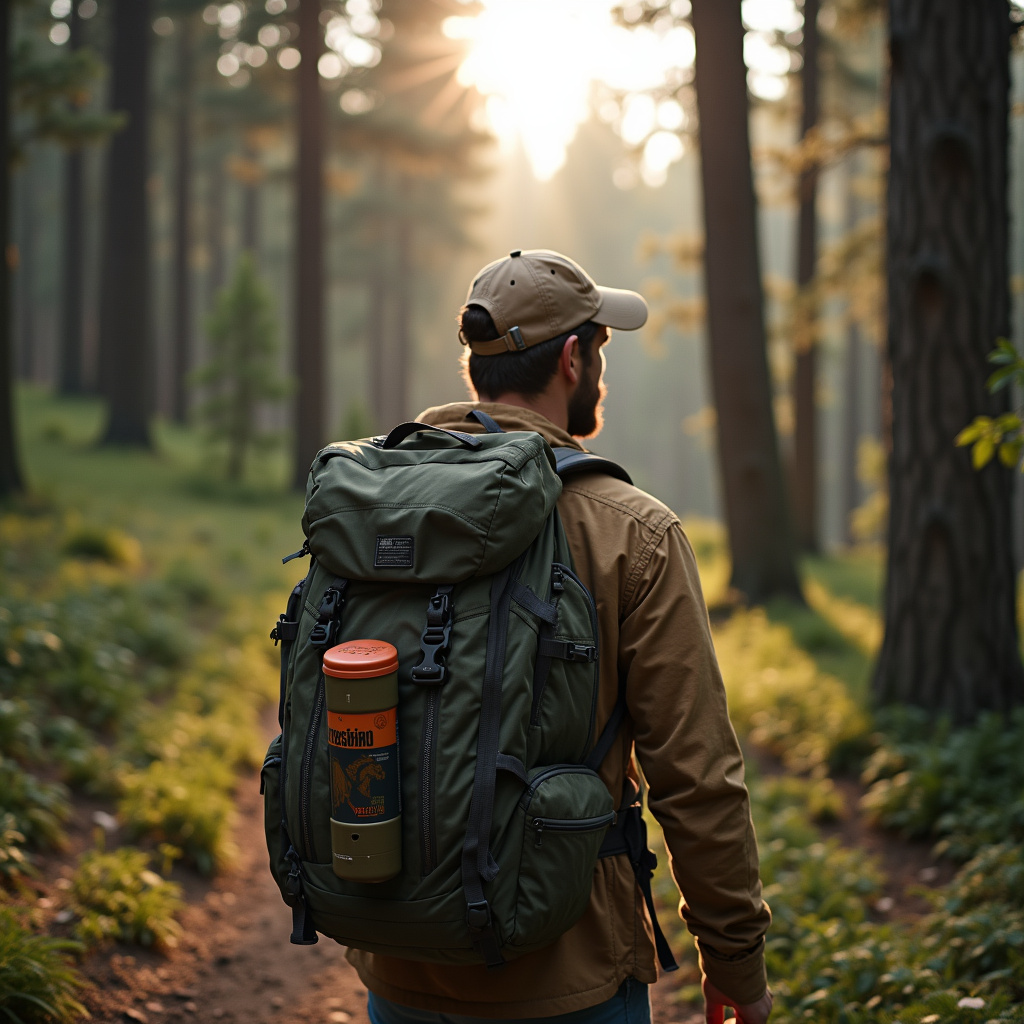
Bear Safety for Hikers and Campers: A Guide to Bear Country
Embracing the Wild, Responsibly: Your Guide to Bear Country Safety
The call of the wild is undeniable. For many of us at WildGridScout, there’s nothing quite like the crisp air, the rustle of leaves underfoot, and the breathtaking vistas that only true wilderness can offer. But with the privilege of exploring these untamed spaces comes the responsibility of understanding and respecting its inhabitants, especially bears. Encounters with bears are a rare but very real possibility in many of our favorite hiking and camping spots, and being prepared is not just about avoiding danger, it’s about ensuring we can continue to share these incredible landscapes safely and sustainably.
This comprehensive guide will equip you with the knowledge and practical skills needed to venture into bear country with confidence, whether you’re planning a challenging multi-day trek or a relaxing weekend camping trip. From preventative measures to managing an unexpected encounter, let’s dive into how to be a responsible and bear-aware outdoor enthusiast.
Understanding Our Wild Neighbors: A Bear’s Perspective
Before we discuss safety, it’s crucial to understand the bears themselves. In North America, you’ll primarily encounter two species: Black Bears (Ursus americanus) and Grizzly Bears (Ursus arctos horribilis), which are a subspecies of Brown Bear. While generally shy and reclusive, bears are powerful wild animals driven by instinct, primarily the search for food, mates, and safety. Understanding their behavior is the first step towards safe coexistence.
- Black Bears: Generally smaller, with a less prominent shoulder hump and a straighter facial profile. They are widespread and often found in forests. While usually timid, they can be curious and habituated to human food sources, making them potentially problematic.
- Grizzly/Brown Bears: Larger, with a distinct shoulder hump, a dish-shaped face, and longer claws. Found in more limited ranges, primarily in the western United States, Alaska, and Canada. Grizzlies tend to be more territorial and can be more aggressive, especially when defending cubs or food caches.
Recognizing the difference can be vital, as appropriate responses to an encounter can vary. Always assume a bear is wild and unpredictable, regardless of its species.
Before You Go: The Foundation of Bear Safety
Preparation is paramount. A little foresight can prevent a lot of problems.
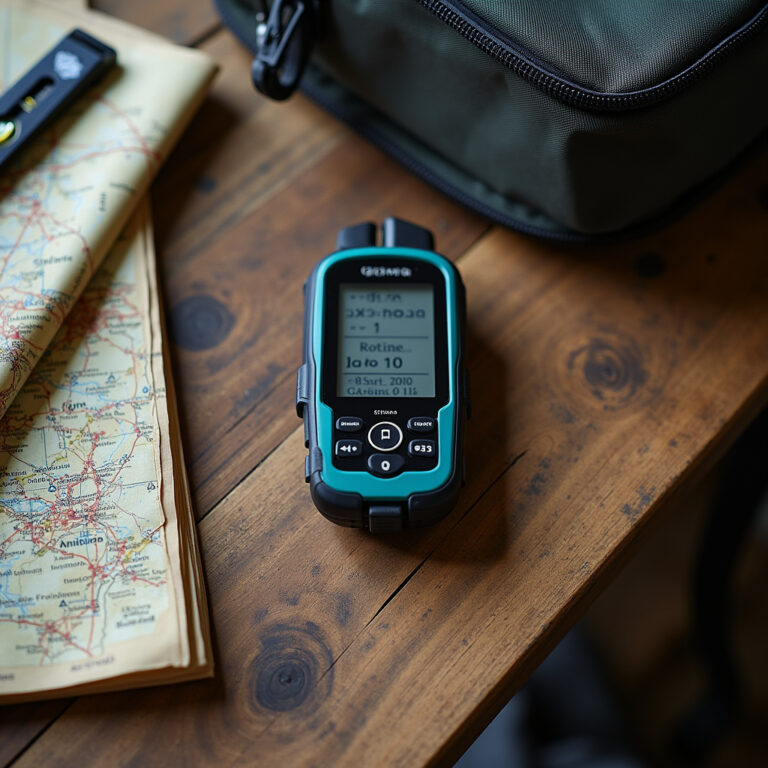
1. Research Your Destination: Always check with local land management agencies (National Park Service, Forest Service, state parks) about recent bear activity, food storage regulations, and any area closures. BearWise.org is an excellent national resource for general information.[1]
2. Pack Smart – Essential Gear:
- Bear Spray: This is arguably the most critical piece of safety gear in bear country. Carry EPA-approved bear spray, know how to use it, and keep it readily accessible, not buried in your pack. Ensure it’s within reach in a chest or hip holster.
- Food Storage: Depending on regulations, you’ll need a bear-resistant food canister or an Ursack. Hanging food in a tree using a bear bag system is also an option but requires specific skills and suitable trees, and is often less effective or legal than canisters in high-use areas. Never store food, scented items (like toothpaste or deodorant), or trash in your tent or accessible in your vehicle.
- Whistle/Air Horn: Can be useful for making noise to alert bears to your presence from a distance.
3. Food Management at Home: Even before you leave, ensure your food is securely packed in airtight containers. Avoid strong-smelling foods if possible, and double-bag anything particularly pungent.
On the Trail: Hiking Through Bear Country
Your behavior on the trail plays a significant role in preventing encounters.
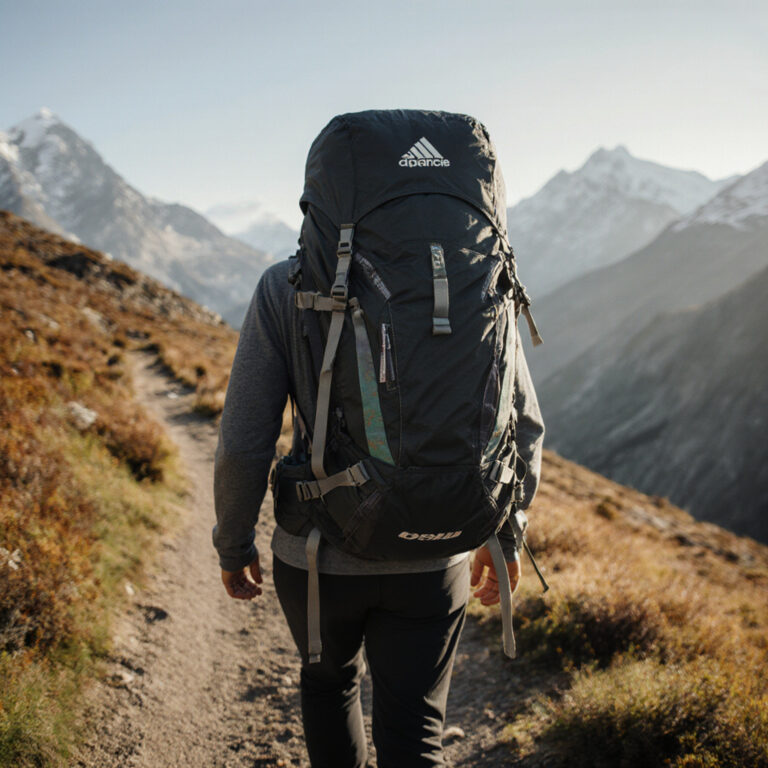
1. Make Noise: Announce your presence by talking loudly, clapping, or periodically calling out, especially when moving through dense vegetation, around blind corners, or near noisy streams. This helps prevent surprising a bear. Hiking with others naturally creates more noise.[2]
2. Stay Alert: Pay attention to your surroundings. Look for signs of bear activity: scat, tracks, claw marks on trees, or overturned rocks. Avoid wearing headphones that could obscure natural sounds.
3. Hike in Groups: Studies show that people hiking in groups are less likely to have negative bear encounters than solo hikers. A larger group appears more intimidating to a bear.[3]
4. Keep Dogs Leashed: An unleashed dog can provoke a bear or lead it back to you. Many parks and wilderness areas prohibit dogs in bear country for this reason.
5. Pack Out All Trash: Adhere strictly to Leave No Trace principles. Even small food wrappers can attract bears.
At Camp: Securing Your Sanctuary
Your campsite must be a “bear-free zone.”
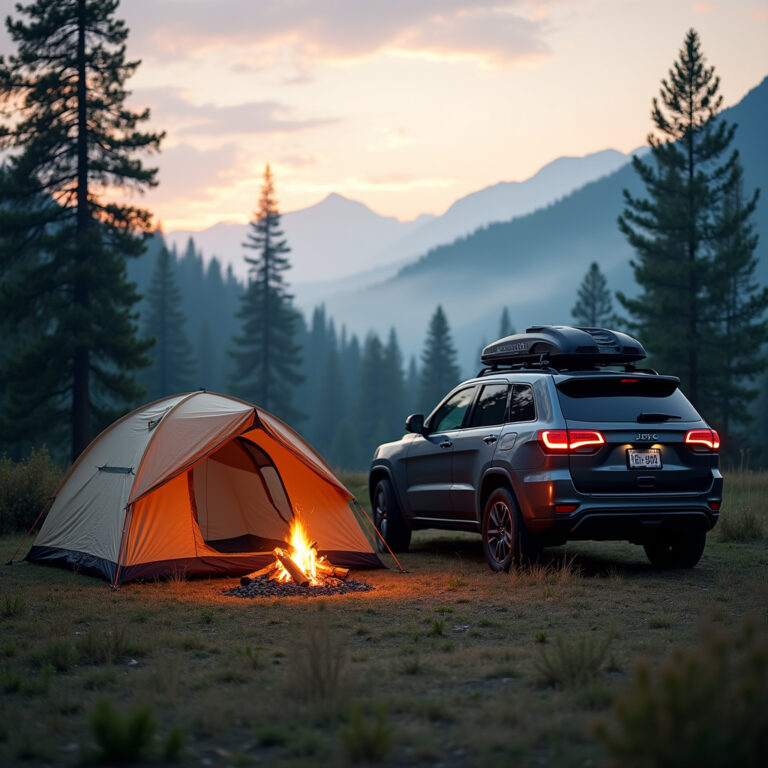
1. Proper Food Storage: This cannot be stressed enough. All food, trash, and scented items (including toiletries, cooking gear, and pet food) must be stored in approved bear-resistant containers, hung properly, or secured in a hard-sided vehicle (if allowed and available). Ideally, store these items at least 200 feet (60 meters) downwind from your sleeping area.
2. Cook Away from Your Tent: Establish a cooking and eating area well away from where you sleep. Do not cook or eat in or near your tent. Wash dishes immediately after use and dispose of wastewater properly.
3. Maintain a Clean Camp: Scrupulously clean up all food scraps, crumbs, and spills. Pack out all trash, no matter how small. Leave no trace of your culinary presence.
4. Choose Your Campsite Wisely: Avoid camping near obvious bear travel corridors (e.g., game trails), dense berry patches, or areas with recent bear activity.
Bear Encounters: What to Do When Face-to-Face
Despite all precautions, an encounter is possible. Knowing how to react is critical. Your response depends heavily on the bear’s species and its behavior. The key is to remain calm and assess the situation.
1. Identify the Bear: Black or Grizzly?
2. Assess Its Behavior:
- Non-defensive/Curious: The bear might be standing, sniffing the air, or casually observing you. It may not have noticed you yet.
- Defensive: The bear is focused on you, often showing signs of stress like huffing, jaw popping, or swatting the ground. It may have cubs nearby or be protecting a food source.
- Predatory: Rare, but very serious. The bear is actively stalking you, approaching silently, and may not be deterred by your presence.
3. Your Actions:
- Don’t Run: Running can trigger a bear’s chase instinct.
- Make Yourself Look Big: Slowly wave your arms, speak in a low, calm voice. Pick up small children.
- Back Away Slowly: Give the bear space to leave. Avoid direct eye contact.
- Defensive Encounter (Black or Grizzly): If a bear charges defensively, stand your ground. Be prepared to use bear spray. If contact is made, *play dead* by lying on your stomach, covering your neck and head with your hands. Remain still until you are certain the bear has left. This applies primarily to grizzlies. For black bears, if a defensive charge leads to contact, fight back.
- Predatory Encounter (Rare, usually Black Bear): If a bear attacks you in a predatory manner (e.g., silently stalking you, approaching at night), *fight back with everything you have*. Aim for the face and snout. Use bear spray if possible. Do NOT play dead.
4. Using Bear Spray: Practice deploying your bear spray beforehand. Aim for the bear’s face, deploying in short bursts when the bear is within 20-30 feet (6-9 meters) and approaching. Be aware of wind direction.
Leave No Trace: A Philosophy for Coexistence
Bear safety is intrinsically linked with Leave No Trace principles. Minimizing your impact, properly disposing of waste, and respecting wildlife are not just good etiquette; they are crucial for preventing human-bear conflicts. By keeping bears wild and unhabituated to human food, we ensure their survival and our safety in the wilderness.
Conclusion
Venturing into bear country is an enriching experience that connects us deeply with nature. By understanding bear behavior, preparing diligently with appropriate gear, and acting responsibly both on the trail and at camp, we can minimize risks and ensure that these magnificent creatures continue to thrive in their natural habitats. Stay vigilant, stay informed, and enjoy the wild, knowing you’re doing your part to keep both yourself and the bears safe.