BLM Land Camping Guide: Navigating the Wild (and Staying Current with Regulations)
The vast, open spaces of Bureau of Land Management (BLM) lands offer an unparalleled opportunity for adventurers to connect with nature, find solitude, and experience the wild on their own terms. Far from crowded campgrounds, dispersed camping on BLM land is a gateway to true wilderness immersion. However, this freedom comes with significant responsibilities. While the title “BLM Land Camping Guide: Rules Updated for 2026” might suggest a complete overhaul of regulations is imminent, the reality is that major, nationwide legislative updates often unfold gradually. What’s crucial for 2024, 2025, and yes, even 2026, is a constant vigilance regarding existing rules and a commitment to best practices. This guide will help you navigate the current landscape of BLM camping, highlighting the timeless principles that ensure responsible access for all, and prepare you for any localized changes that may arise.
What is BLM Land and Why Camp There?
The Bureau of Land Management (BLM) is an agency within the U.S. Department of the Interior that administers over 245 million acres of public lands, primarily located in the Western United States. Its mission includes managing these lands for a variety of uses, including recreation, conservation, and resource development. For outdoor enthusiasts, this translates into millions of acres accessible for dispersed camping – camping outside of designated campgrounds, often without facilities like water, toilets, or picnic tables.
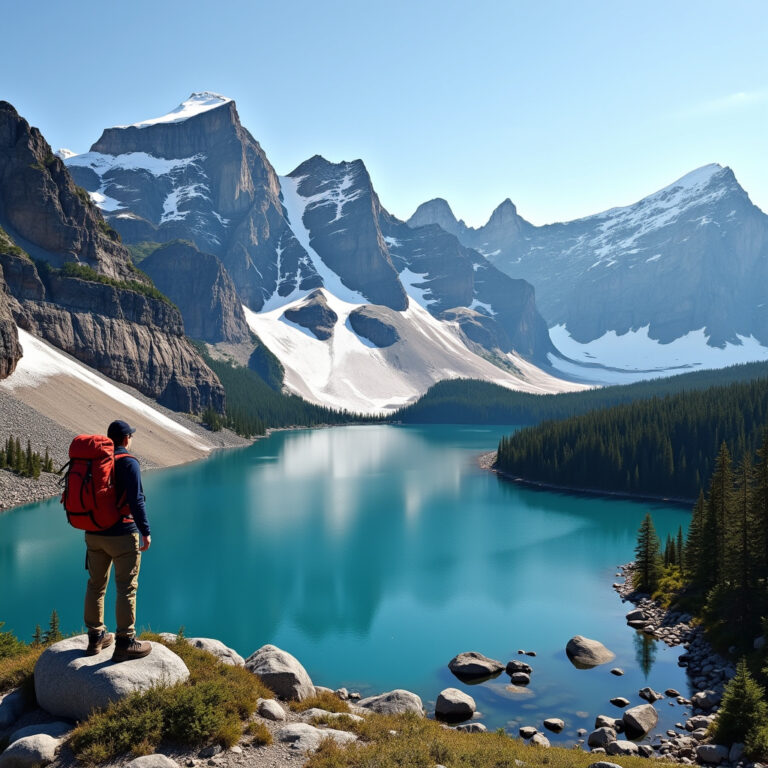
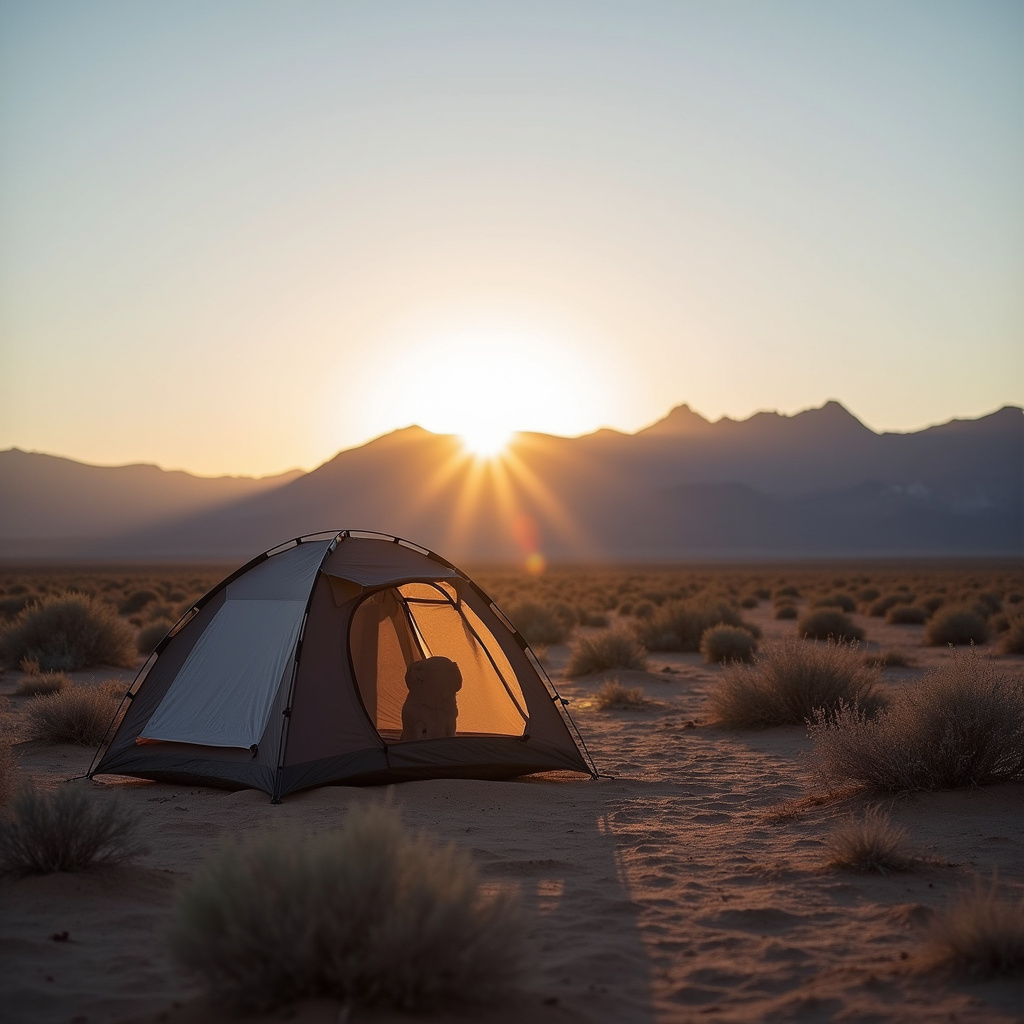
The allure is simple: freedom. Imagine waking up to a panoramic desert sunrise, the only sounds being the whisper of the wind and distant wildlife. Dispersed camping on BLM land offers solitude, stunning views, and a cost-effective way to explore remote areas. It’s an opportunity to truly disconnect and practice self-sufficiency.
The Golden Rule: Leave No Trace
More than specific regulations, the guiding philosophy for all activities on public lands, especially dispersed camping, is the Leave No Trace (LNT) principles. These seven principles are not just suggestions; they are the ethical framework for minimizing our impact and preserving these natural spaces for future generations. While specific rules may evolve, the spirit of LNT remains constant:
- Plan Ahead and Prepare: Know the area, weather, and regulations. Carry appropriate gear for safety and waste management.
- Travel and Camp on Durable Surfaces: Stick to existing roads and previously used campsites. Avoid creating new tracks or disturbing fragile ecosystems. Camp at least 200 feet from water sources.
- Dispose of Waste Properly: Pack it in, pack it out – every single piece of trash, including food scraps. Bury human waste in catholes 6-8 inches deep and at least 200 feet from water, camps, and trails, or better yet, use WAG bags in sensitive areas.
- Leave What You Find: Do not disturb cultural or natural features. Leave rocks, plants, and other natural objects as you find them.
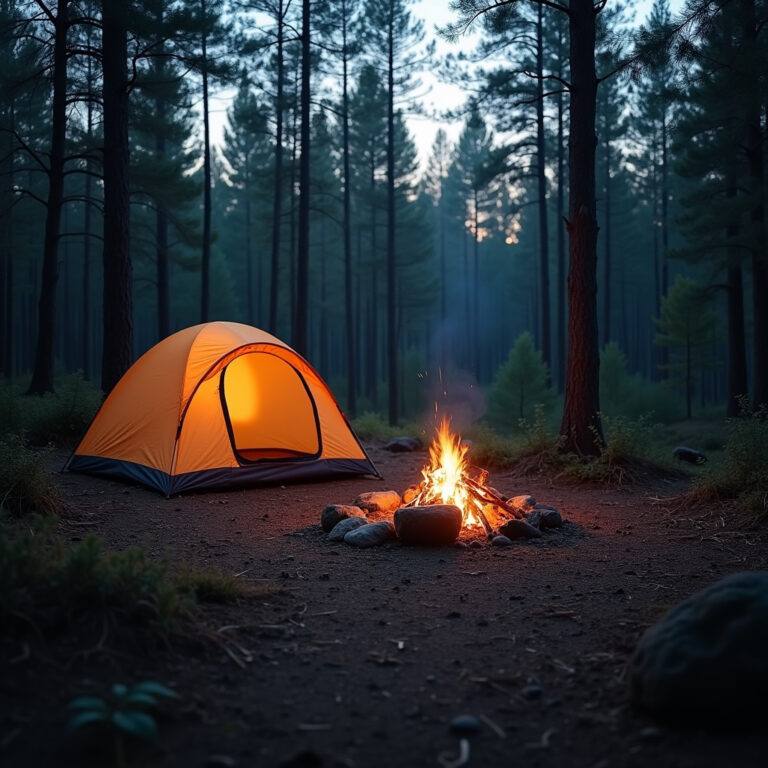
- Minimize Campfire Impacts: Use existing fire rings where allowed. Keep fires small. Ensure fires are completely extinguished and cold to the touch before leaving. Always check for fire restrictions, which are common and frequently updated.
- Respect Wildlife: Observe from a distance. Never feed animals. Store food securely to prevent attracting wildlife.
- Be Considerate of Other Visitors: Respect the solitude of others. Keep noise levels down.
Key BLM Camping Regulations (Current & Enduring)
While the “2026 updates” might not be a single document, ongoing adjustments to regulations are a standard part of land management. Therefore, always verify specific rules for your chosen location. However, here are some widely applicable guidelines from the BLM that are unlikely to change drastically:
- Length of Stay: Most BLM lands have a 14-day limit within any 28-day period at a specific location. After 14 days, you must move at least 25 miles away. This rule helps prevent long-term residency and overuse of sites. Some areas may have shorter limits.
- Site Selection: As mentioned, camp at least 200 feet from water sources, roads, and trails. Use existing sites whenever possible to avoid disturbing new ground. Look for flat, clear spots that show signs of previous use.
- Vehicle Use: Stay on established roads and trails. Off-road travel is generally prohibited to protect sensitive ecosystems and prevent erosion.
- Fires: Always check local fire restrictions. These can change daily based on weather conditions. In many arid regions, campfires may be entirely prohibited for extended periods. If fires are allowed, use a fire pan or an existing fire ring. Never leave a fire unattended.
- Water: Dispersed camping means no potable water. You must bring all your water or have a reliable purification system.
- Waste Management: Beyond LNT, this means packing out *everything*. This includes human and pet waste if you are in a high-use or sensitive area where burying is insufficient.
Finding Your Perfect BLM Spot
Locating suitable BLM land for dispersed camping requires a bit of research, but it’s part of the adventure:
- BLM Website: The official BLM website (blm.gov) is your best starting point. Use their interactive maps and search for specific field offices in the area you plan to visit.
- Mapping Apps: Apps like Gaia GPS, iOverlander, and The Dyrt often have layers showing public land boundaries and user-contributed dispersed camping spots.
- Local Field Offices: Before any trip, contact the local BLM field office responsible for the area. They can provide the most current information on regulations, fire restrictions, road conditions, and any specific closures or updates that might affect your trip, including those that might come into effect closer to 2026.
Minimalist Gear for Maximum Enjoyment
Embracing minimalist camping principles enhances the dispersed experience. Less gear means more freedom and less impact. Focus on essential, multi-functional items:
- Shelter: A lightweight tent, tarp, or bivy.
- Sleep System: Sleeping bag appropriate for the expected temperatures and a sleeping pad.
- Cooking: A compact stove, fuel, a single pot, and utensils.
- Water: Water filter/purifier, water bottles, and a collapsible reservoir.
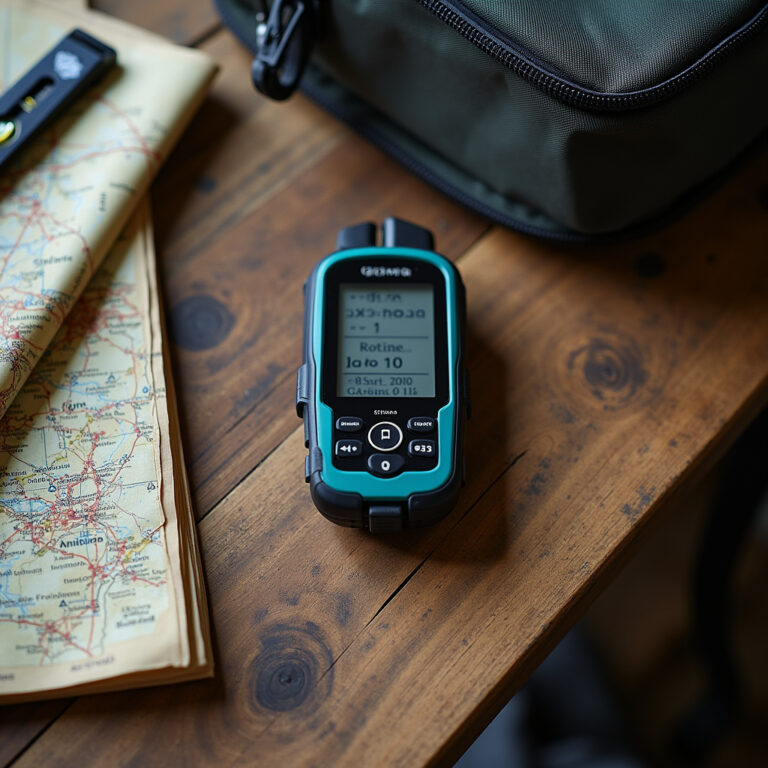
- Navigation: GPS device or smartphone with offline maps, compass, and physical map.
- First Aid: A comprehensive wilderness first-aid kit.
- Sanitation: Trowel for catholes, toilet paper, and a WAG bag (for sensitive areas), hand sanitizer.
- Essentials: Headlamp, multi-tool, sun protection, appropriate clothing layers.
Anticipating 2026 and Beyond: Your Role
While specific “2026 updates” aren’t broadly announced, the trend in public land management is towards greater sustainability and responsible recreation. This often involves more localized restrictions in high-use areas, increased fire safety measures, and enhanced enforcement of Leave No Trace principles. Your role as a responsible camper is to stay informed, adapt to changing conditions, and always prioritize the health of the land. Proactively checking BLM field office websites and recreation alerts is your best defense against unexpected rule changes.
Conclusion: Preserve the Wild for Tomorrow
Dispersed camping on BLM land is an incredible privilege that allows us to connect deeply with America’s wild spaces. By understanding and adhering to the foundational principles of Leave No Trace, respecting current regulations, and staying informed about any localized changes, we ensure these lands remain open and pristine for all. The freedom of the wild calls – answer it responsibly, thoughtfully, and with a commitment to preservation. Happy trails, WildGridScouts!