Campsite Etiquette: The Unwritten Rules of Camping
Camping is a magical experience. It’s an escape to nature, a chance to disconnect from the digital world, and an opportunity to reconnect with ourselves and our loved ones. But as more people flock to the great outdoors, understanding and practicing proper campsite etiquette becomes more crucial than ever. These aren’t just polite suggestions; they are the unwritten rules that ensure everyone has a positive experience and, more importantly, that our precious natural spaces remain pristine for generations to come. At WildGridScout, we believe that responsible recreation is the cornerstone of true outdoor adventure. Let’s delve into the fundamental principles of campsite etiquette that every camper should master.
Respecting Your Neighbors: The Art of Quiet Enjoyment
One of the most common issues at campsites is noise. While camaraderie and laughter are part of the camping experience, excessive noise, especially late at night or early in the morning, can quickly disrupt the peace for others.
- Keep voices low: Especially during quiet hours, typically from 10 PM to 6 AM. Remember, sound travels far in open air.
- Manage music: If you choose to play music, keep it at a volume audible only within your campsite. Headphones are always a considerate alternative.
- Generator use: If your rig requires a generator, understand and adhere to the designated quiet hours. Consider alternatives like solar power for a truly peaceful experience.
- Pet noise: Ensure your furry friends aren’t constantly barking. A distressed or overly vocal pet can be a major nuisance.
Mastering the Campfire: Safety and Courtesy
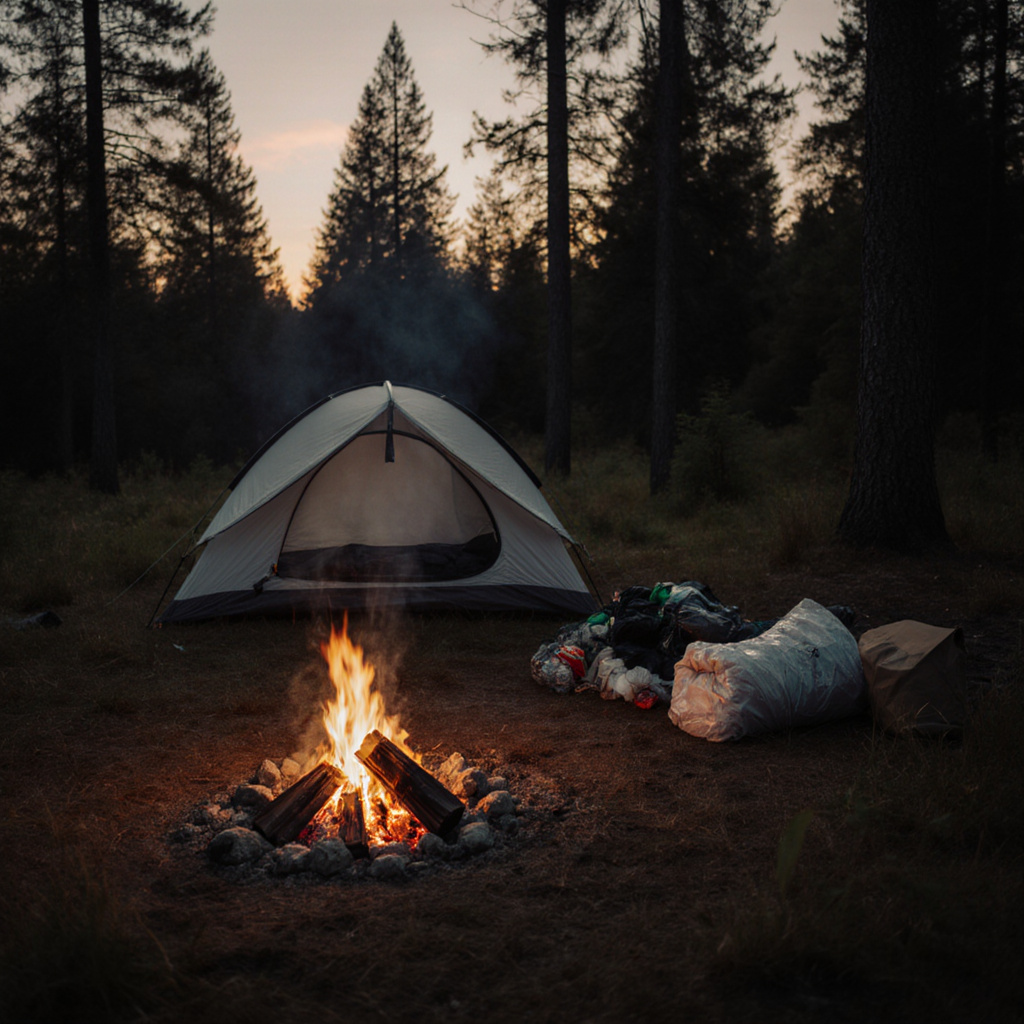
The crackle of a campfire is quintessential to camping, but it also carries significant responsibilities.
- Check fire restrictions: Always, always check local fire restrictions before lighting a fire. A single spark can devastate an entire forest. Many areas implement complete fire bans during dry seasons.
- Use designated fire rings: Never build a fire outside of an established fire ring.
- Gather responsibly: If gathering firewood is permitted, only collect dead, downed wood. Never cut live trees or branches. Better yet, bring your own certified firewood to prevent the spread of pests.
- Never leave a fire unattended: A momentary lapse can have catastrophic consequences.
- Drown, stir, and feel: Before leaving your campsite or going to bed, ensure your fire is completely out. Douse it thoroughly with water, stir the ashes, and feel for any residual heat. If it’s hot, it’s not out. Repeat until cold to the touch. This crucial step is emphasized by organizations like the U.S. Forest Service and Leave No Trace Center for Outdoor Ethics.
Leave No Trace: The Guiding Principle
The seven principles of Leave No Trace are the bedrock of ethical outdoor recreation. Applying them to your campsite ensures minimal impact.
- Plan Ahead and Prepare: Know the regulations and special concerns for the area you’ll visit. Pack out everything you pack in.
- Travel and Camp on Durable Surfaces: Stick to existing trails and campsites. Avoid trampling vegetation.
- Dispose of Waste Properly: Pack it in, pack it out. This includes all trash, food scraps, and even toilet paper (if not burying human waste properly in a cathole 6-8 inches deep and 200 feet from water, trails, and campsites).
- Leave What You Find: Do not disturb natural or cultural artifacts. Leave rocks, plants, and other natural objects as you find them.
- Minimize Campfire Impacts: (Covered above)
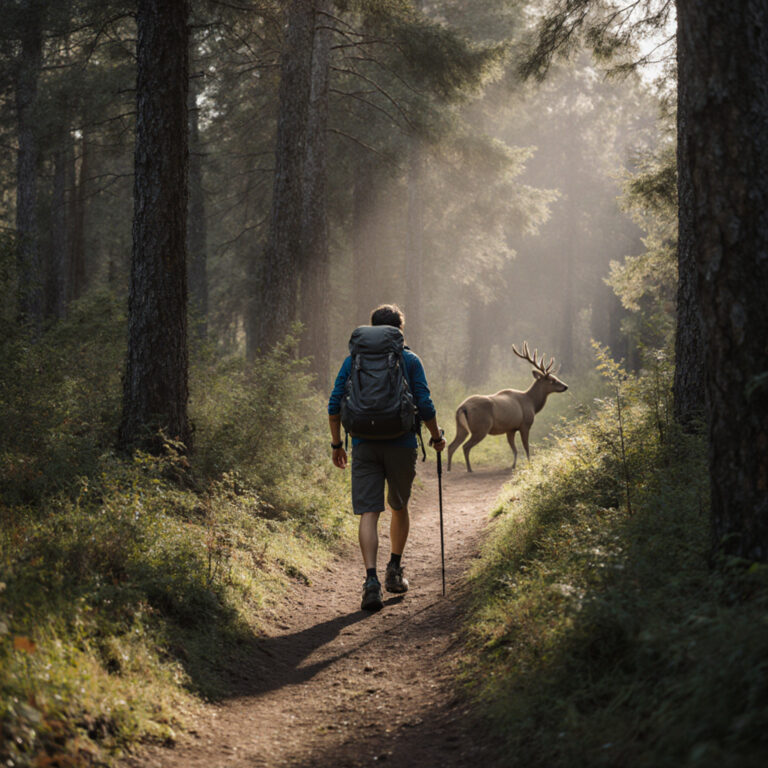
- Respect Wildlife: Observe wildlife from a distance. Never feed animals. Store food and trash securely to prevent attracting wildlife.
- Be Considerate of Other Visitors: (Covered in “Respecting Your Neighbors” and general etiquette).
Keeping a Tidy Campsite
A clean campsite isn’t just aesthetically pleasing; it’s vital for safety and wildlife protection.
- Food Storage: Store all food, cooking gear, and scented items in bear-resistant containers, bear bags, or inside your vehicle, especially in bear country. This prevents unwanted animal encounters.
- Waste Management: Have a designated trash bag and pack out everything. This means no food scraps left on the ground, no accidental wrappers blowing away.
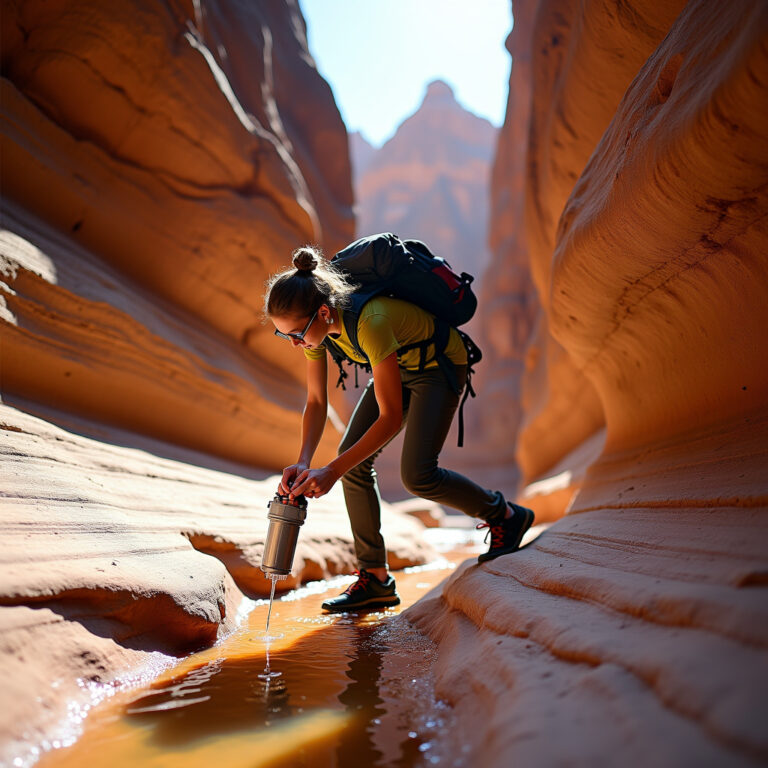
- Washing Up: Wash dishes and yourself at least 200 feet from water sources, using biodegradable soap if possible, and scatter the wastewater. Never pour greywater directly into lakes or streams.
Shared Facilities: A Community Responsibility
Many campgrounds offer shared facilities like restrooms, showers, and water spigots. Treat them with respect as if they were your own, or better yet, as if you were visiting a friend’s home.
- Cleanliness: Leave facilities cleaner than you found them. Wipe up spills, flush toilets, and dispose of trash in designated receptacles.
- Water Conservation: Use water judiciously. Many campgrounds operate on limited water resources.
- Queueing: Be patient and considerate if there’s a line for facilities.
Pet Etiquette: Happy Campers, Happy Paws
Bringing your dog camping can be a joy, but responsible pet ownership is paramount.
- Leash laws: Always keep your dog on a leash, even if they are well-behaved off-leash at home. This is for the safety of your pet, other campers, and wildlife.
- Scoop the poop: Carry bags and pick up after your dog every single time. Dispose of waste properly.
- Control barking: Train your dog to minimize barking. A continuously barking dog can ruin the peace for everyone.
- Never leave pets unattended: This can lead to distress for the animal, damage to property, or nuisance to others.
Conclusion
Campsite etiquette is more than just a set of rules; it’s a philosophy of shared responsibility and respect for nature and fellow outdoor enthusiasts. By adhering to these unwritten guidelines – from managing your campfire safely to practicing Leave No Trace principles – you contribute to a better experience for everyone and help preserve the wilderness for future generations. Embrace these principles, and you’ll not only be a great camper but also a true steward of the wild. Happy camping, and may your adventures be filled with peace, beauty, and respect for all.