Campsite Selection 101: How to Find the Perfect Spot
The Art of Choosing Your Outdoor Sanctuary
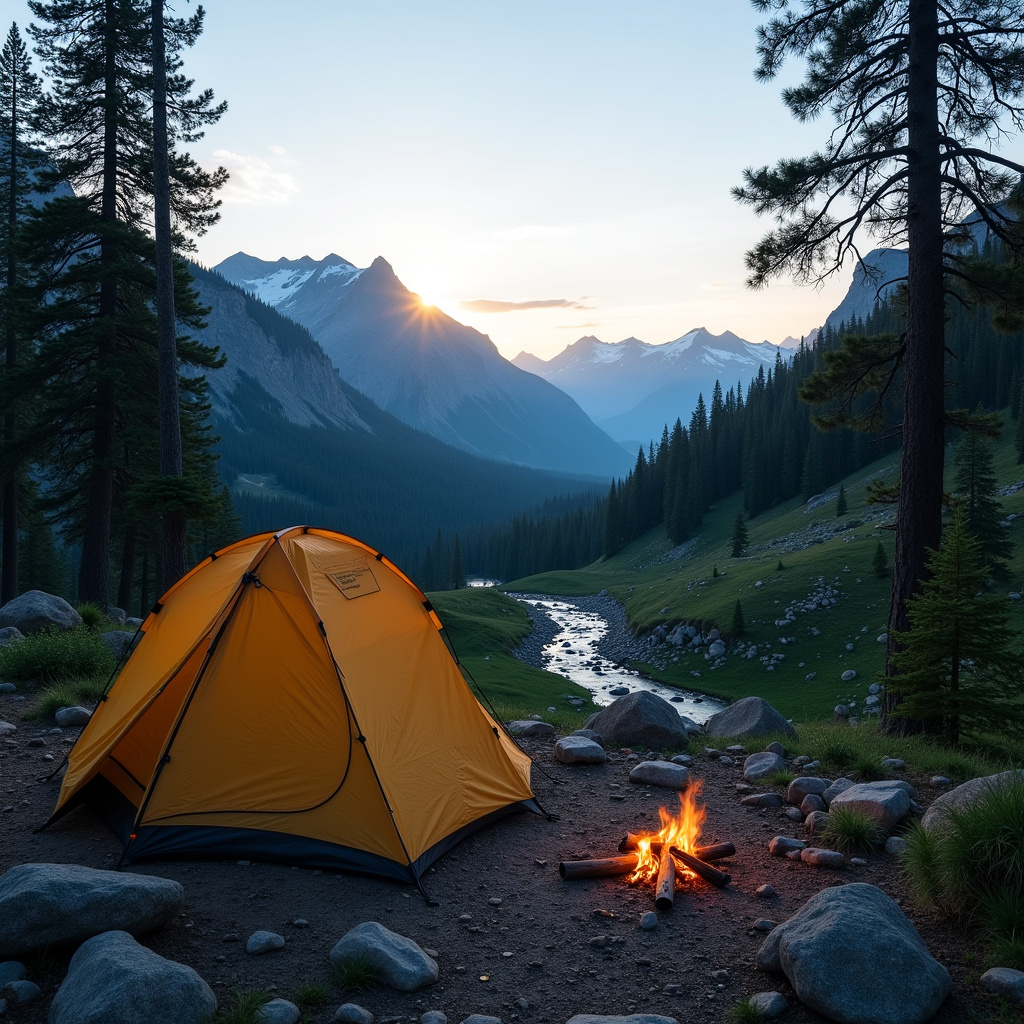
Beyond the excitement of packing your gear and hitting the trail, one of the most crucial skills for any outdoor enthusiast is knowing how to select the perfect campsite. It’s not just about finding a flat spot to pitch your tent; it’s about ensuring your safety, comfort, and minimizing your impact on the delicate natural environment. A thoughtfully chosen campsite can elevate your entire outdoor experience, turning a simple night under the stars into a truly memorable adventure. Conversely, a poorly chosen site can lead to sleepless nights, potential hazards, and unnecessary harm to the wilderness. Let’s dive into the essential considerations for finding your ideal outdoor sanctuary.
Safety First: Assessing Your Surroundings for Potential Hazards
Your primary concern when selecting a campsite should always be safety. Before you even think about comfort or aesthetics, scan your potential spot for any immediate dangers:
- Beware of "Widowmakers": Look up! Are there any dead, broken, or precariously hanging branches, or even entire dead trees that could fall on your tent during wind, rain, or even just through gravity? These "widowmakers" are a serious hazard and are often overlooked.
- Hazardous Terrain: Avoid camping directly beneath steep slopes prone to rockfall, or in dry streambeds ("washes") in arid regions, which can quickly become raging rivers during flash floods, even if the rain is miles upstream. Similarly, in snowy environments, be aware of avalanche paths and avoid camping in them.
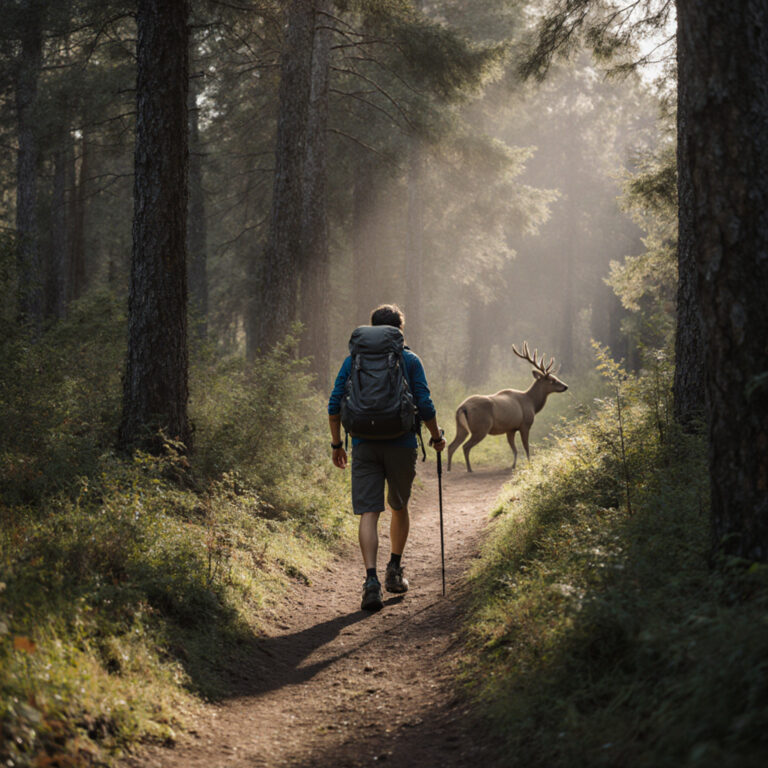
- Wildlife Awareness: While it’s impossible to completely avoid wildlife encounters in their natural habitat, try to steer clear of obvious animal trails, dens, or heavy feeding areas. Setting up camp at least 200 feet (60 meters) from water sources also allows animals undisturbed access to drink. Proper food storage (e.g., in bear canisters or hung from trees) is paramount wherever you camp to prevent attracting animals.
- Weather Exposure: Consider potential exposure to strong winds, especially on exposed ridges or open areas. Conversely, avoid deep depressions that can trap cold air or collect water if it rains. Look for natural windbreaks like dense tree lines or gentle rises, but always be mindful of the "widowmaker" rule when considering trees for shelter.
Leave No Trace: Protecting the Wilderness for Future Generations
As responsible outdoor enthusiasts, our goal is to leave no trace of our visit. Campsite selection is a critical component of this ethic:
- Camp on Durable Surfaces: This is a cornerstone of the Leave No Trace principles. Choose established campsites if available, as they are designed to withstand use. If dispersed camping (where no designated sites exist), select a spot on rock, gravel, dry grasses, or compacted soil. Avoid sensitive areas like meadows, delicate mosses, or cryptobiotic crusts, which can take decades to recover from damage. The goal is to concentrate use where impact has already occurred or disperse use widely to prevent new impacts.
- Distance from Water Sources: Always set up your camp at least 200 feet (about 70 steps) from lakes, streams, rivers, and other water bodies. This critical distance helps protect water quality from human waste and prevents erosion of delicate riparian zones. It also ensures wildlife can access water undisturbed.
- Dispose of Waste Properly: While not directly about selection, a good campsite is one where you can easily practice this. Plan your human waste disposal, either by digging catholes (at least 6-8 inches deep and 200 feet from water, trails, and camp) or by packing it out where required by local regulations.
Comfort and Practicality: Enhancing Your Outdoor Experience
Once safety and minimal impact are addressed, you can focus on making your camp comfortable and practical:
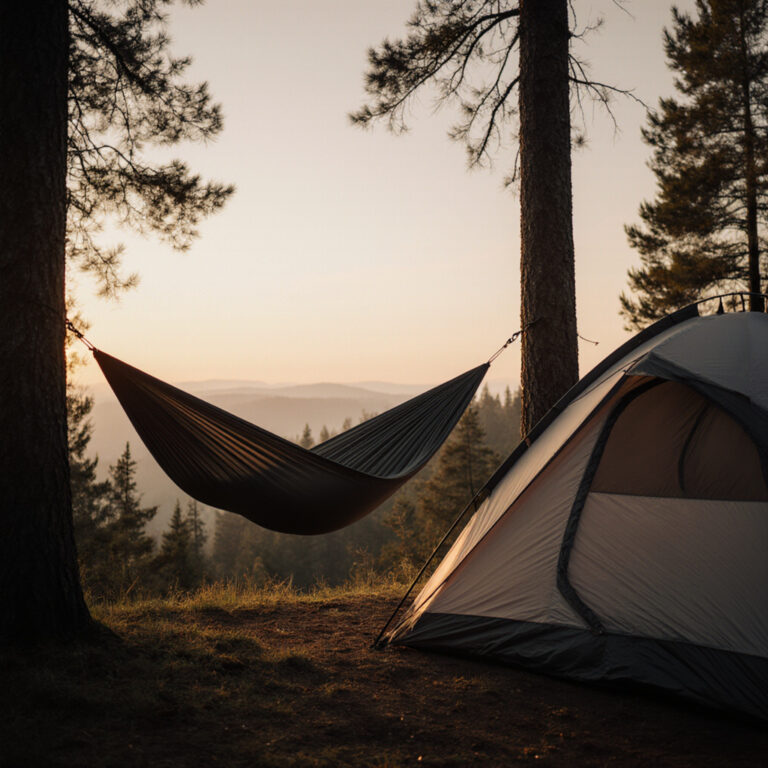
- Flat, Well-Drained Tent Pad: This seems obvious but is often overlooked in the rush to set up. A slightly inclined spot is better than a depression that will collect rainwater. Clear away sharp sticks, rocks, or pinecones from your tent site before pitching; a good night’s sleep depends on a flat, clear surface.
- Protection from Elements: Beyond safety from falling hazards, consider how natural features can provide comfort. A stand of healthy trees can offer welcome shade from intense sun during hot days or provide a natural buffer against a prevailing wind.
- Water Access (Thoughtfully): While adhering to the 200-foot rule for your actual camp, proximity to a reliable, treatable water source is crucial for hydration, cooking, and cleaning. Scout your water options before committing to a site to ensure you won’t have to trek long distances for water.
- Privacy and Solitude: If solitude is what you seek, look for a site that offers natural screening from trails or other potential campsites. Even in designated campgrounds, some sites offer more seclusion than others due to natural barriers or spacing.
- Firewood Availability (if permitted): If you plan to have a campfire (and it’s allowed and safe to do so), consider the availability of dead and downed wood that is no larger than your wrist. Never break branches off live trees. Always practice fire safety, build small fires, and ensure they are completely extinguished before leaving.
Regulations and Permits: Know Before You Go
Ignorance of rules is no excuse in the backcountry. Always do your homework:
- Local Rules: Different land management agencies (e.g., National Parks, National Forests, State Parks, BLM lands) have varying rules regarding camping. Some areas allow dispersed camping anywhere (within specific rules), while others require you to stay in designated campgrounds or specific zones.
- Permit Requirements: Many popular backcountry areas, especially those with high use, require permits, often acquired months in advance through a lottery or reservation system. Always check if your chosen area has such requirements to avoid fines or being turned away.
- Fire Restrictions: Especially during dry seasons, fire bans are common and strictly enforced. Always check current conditions and obey all restrictions. Violating fire bans can lead to serious consequences, including hefty fines and contributing to wildfires.
Tools and Techniques for Savvy Campers
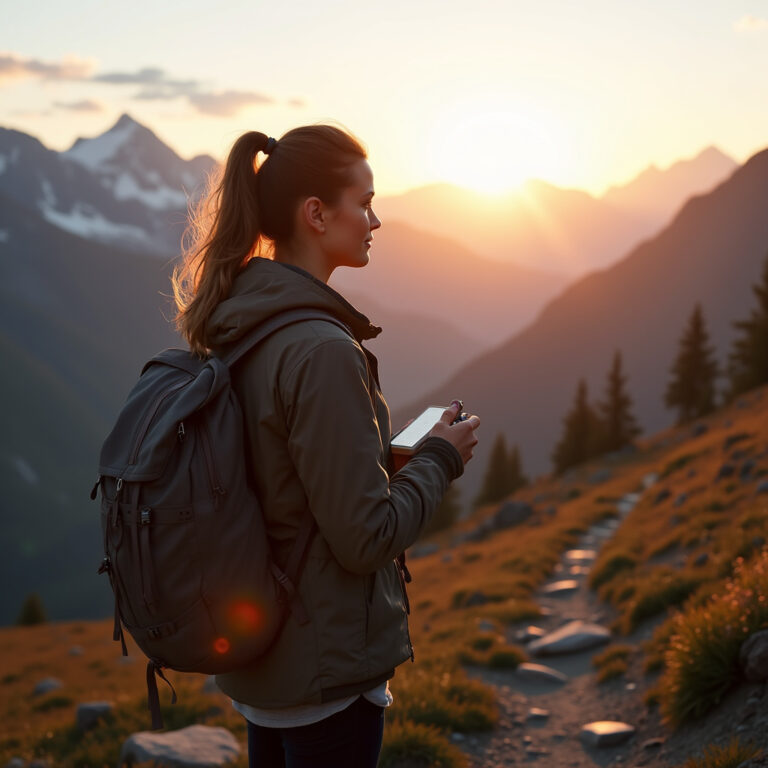
- Maps and GPS: Before you even leave home, use topographic maps (paper or digital) and GPS to identify potential camping zones, reliable water sources, and terrain features. Look for flatter areas near water but away from obvious hazards.
- Weather Forecasts: Always check the most up-to-date weather forecast for your destination. This will influence your gear choices and campsite selection – for instance, avoiding exposed ridges if thunderstorms are anticipated.
- On-Site Scouting: Once you arrive in a general area, take your time to walk around and thoroughly assess several potential spots. Don’t just pick the first one you see. Look for tell-tale signs of previous use, and use your senses to assess wind, water, and potential hazards.
Conclusion: Your Perfect Outdoor Haven Awaits
Campsite selection is an essential skill that blends practical safety considerations with a deep respect for the natural world. By prioritizing safety, diligently adhering to Leave No Trace principles, and thoughtfully assessing your surroundings for comfort and practicality, you can transform a simple patch of ground into a perfect outdoor haven. Remember, the goal is to leave your campsite looking as if you were never there, ensuring that the next adventurer can enjoy the same pristine experience. Happy camping!