Day Hike Packing List for Families with Kids
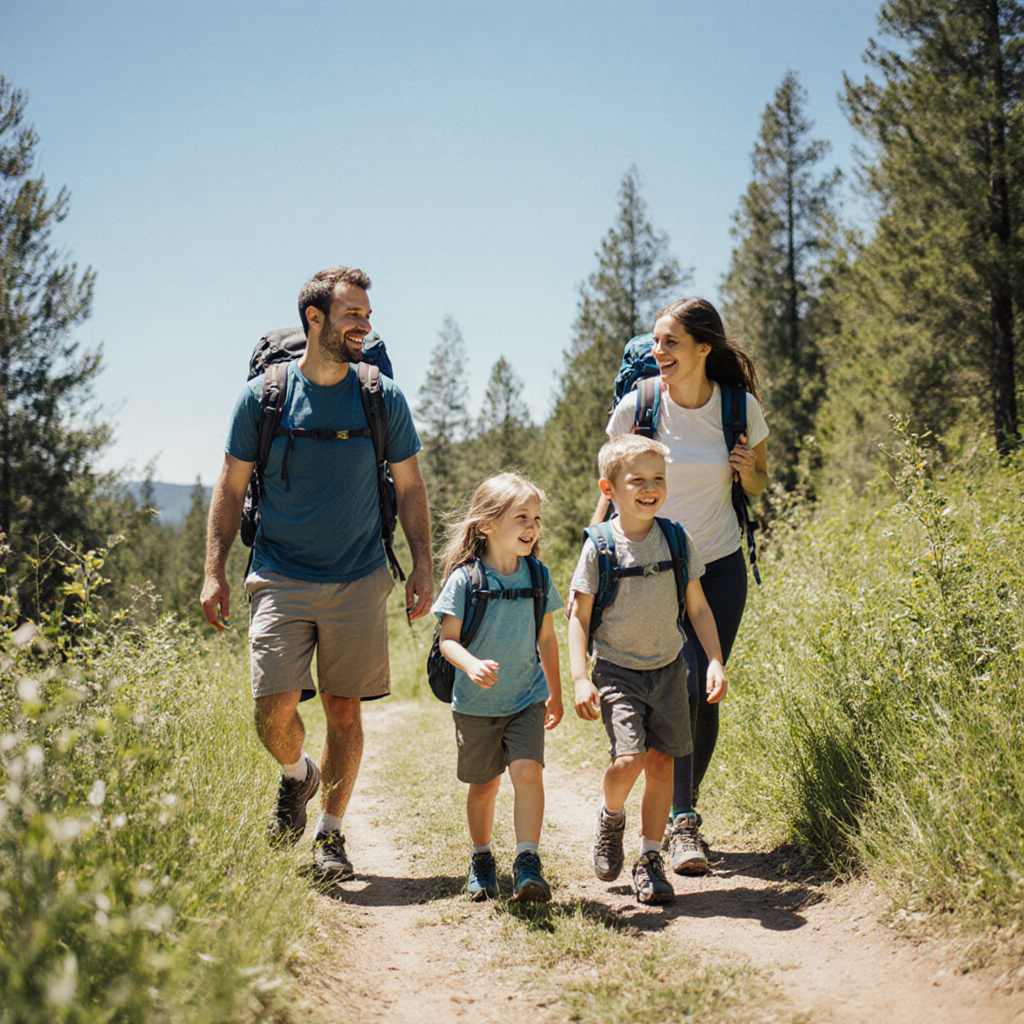
There’s a unique magic in exploring the natural world through the eyes of a child. The rustle of leaves becomes a symphony, a tiny beetle an object of profound wonder, and every puddle an ocean of adventure. Day hiking with your family offers an incredible opportunity to connect with nature, each other, and create lasting memories. However, the success of these adventures often hinges on one crucial element: preparation. Unlike solo hikes or adult-only excursions, hitting the trail with kids requires a more thoughtful approach to what goes into your pack.
At WildGridScout, we believe in empowering families with the knowledge to make their outdoor experiences safe, enjoyable, and sustainable. This comprehensive day hike packing list for families with kids will guide you through the essentials, ensuring you’re ready for anything the wilderness, and your little ones, might throw your way. We’ll balance preparedness with our minimalist philosophy, showing you how to pack smart, not heavy.
The Family-Friendly “Ten Essentials”
Outdoor enthusiasts often refer to the “Ten Essentials” – a standard set of items recommended for any wilderness excursion to ensure safety and comfort. When hiking with children, these become even more critical. We’ve adapted this classic list with a family focus:
1. Navigation Tools
- Map and Compass: Even if you know the trail, a physical map (and the knowledge to use it) is an indispensable backup to electronic devices. Teach your kids to follow along – it’s a great skill!
- GPS Device or Smartphone with Offline Maps: Apps like AllTrails or Gaia GPS are fantastic, but ensure you’ve downloaded maps for offline use and fully charged your device. Consider a portable power bank.
2. Sun Protection
- Sunscreen: Apply liberally before you leave and reapply as needed, especially if sweating or near water.
- Hats and Sunglasses: Wide-brimmed hats for adults and children, and sunglasses with UV protection.
3. Insulation (Extra Layers)
- Weather can change rapidly, particularly in mountainous or exposed areas. Pack an extra fleece or jacket, and a rain shell for everyone, even if the forecast looks clear. Opt for synthetic materials or wool, which insulate even when wet.
4. Illumination
- Headlamps or Flashlights: Even on a day hike, unforeseen delays can lead to walking in dusk or dark. Each family member should ideally have their own, or at least one per adult. Don’t forget extra batteries!
5. First-Aid Supplies
- A well-stocked first-aid kit is non-negotiable. Beyond the basics (band-aids, antiseptic wipes, pain relievers), tailor it for kids: include child-specific medication, blister treatment, allergy medication, and any personal prescriptions. Consider a tick remover and hydrocortisone cream for insect bites. For guidance, resources like NPS.gov offer comprehensive advice on first-aid kit contents.
6. Fire Starter
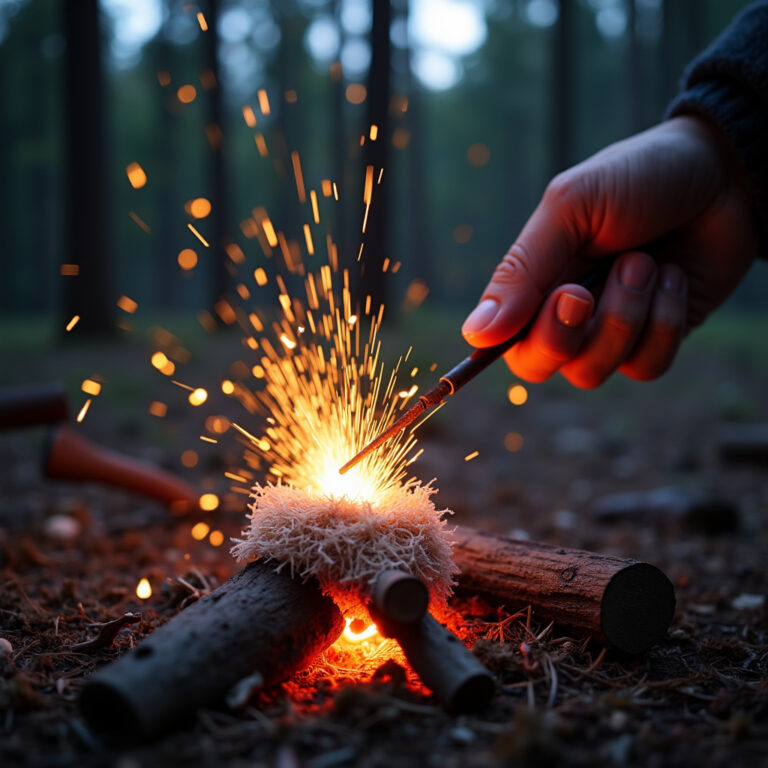
- Waterproof matches, a lighter, or a ferro rod can be crucial for warmth or signaling in an emergency.
7. Repair Kit and Tools
- A multi-tool with a knife, pliers, and screwdriver can fix minor gear issues. Duct tape (wrapped around a water bottle or trekking pole to save space) is the ultimate wilderness repair tool.
8. Nutrition (Extra Food)
- Pack more food than you think you’ll need. Kids burn a lot of energy and get hungry quickly. Think high-energy, non-perishable snacks like trail mix, granola bars, dried fruit, nuts, and sandwiches. Pack some “fun” snacks they especially enjoy as motivation or a reward.
9. Hydration (Extra Water)
- Dehydration is a serious risk. Carry plenty of water – more than you anticipate needing. Hydration bladders are great for easy access for adults, and kids’ water bottles should be easily reachable. Consider a portable water filter or purification tablets for longer hikes or emergency situations, though for a day hike, carrying enough water is usually sufficient.
10. Emergency Shelter
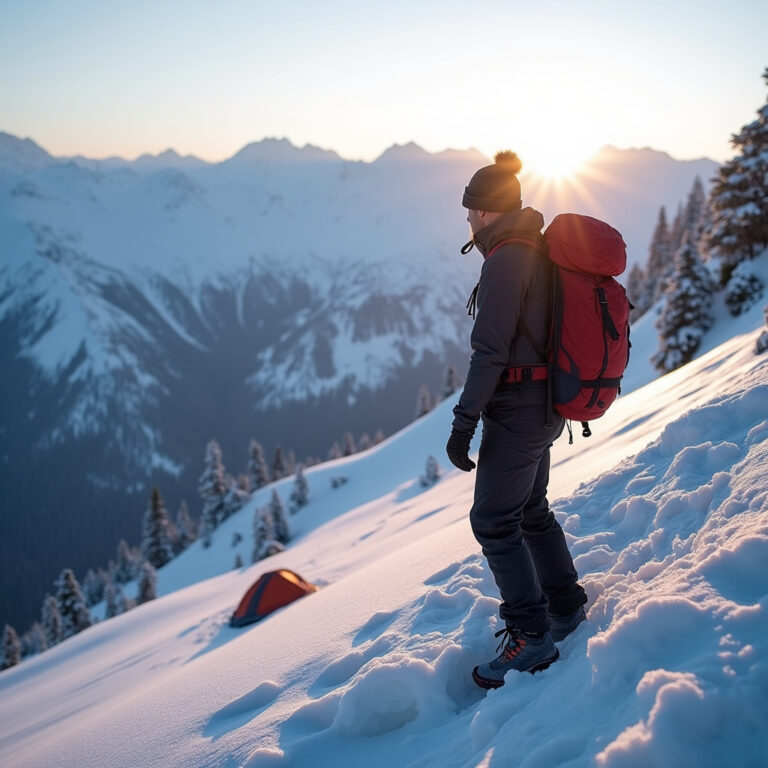
- A lightweight space blanket, emergency bivy, or a small tarp can provide crucial protection from the elements if you’re unexpectedly delayed or have to shelter in place.
Kid-Specific Comfort & Engagement
Beyond the Ten Essentials, a successful family hike also means keeping the little ones happy and engaged:
- Small Backpacks for Kids: Let them carry their own water bottle, a light snack, and maybe a small toy or a nature journal. This empowers them and lightens your load.
- Comfort Items: A favorite small stuffed animal or blanket can provide comfort during breaks or if they’re feeling overwhelmed.
- Diaper/Changing Supplies: If applicable, pack enough diapers, wipes, and a small changing pad. A wet bag for soiled items is a must for Leave No Trace.
- Wipes and Hand Sanitizer: Essential for sticky hands, faces, and pre-snack hygiene.
- Entertainment: While nature is the ultimate entertainer, a magnifying glass, a nature scavenger hunt list, or even a simple storybook can add to the fun during breaks or when energy wanes.
- Carrier or Hiking Pack: For very young children, a comfortable hiking carrier can be invaluable on trails not suitable for strollers.
Clothing Considerations for All Ages
Layering is key. Avoid cotton, which absorbs moisture and stays wet, leading to chills. Opt for synthetic fabrics or wool that wick moisture away and dry quickly.
- Base Layer: Moisture-wicking shirt.
- Mid-Layer: Fleece or puffy jacket for warmth.
- Outer Layer: Waterproof and windproof jacket and pants (especially important if rain is a possibility or for cooler weather).
- Footwear: Sturdy, broken-in hiking shoes or boots for adults. For kids, comfortable closed-toe shoes with good grip are sufficient for most day hikes. Avoid new shoes that might cause blisters.
- Socks: Wool or synthetic socks to prevent blisters. Pack an extra pair for everyone.
Embracing the Minimalist Approach (and When to Bend It)
While we advocate for minimalist packing, hiking with kids requires a slight adjustment to this philosophy. The goal is to be prepared without being burdened. Prioritize multi-use items and only pack what is truly necessary for the expected conditions and your specific family’s needs. For instance, you might not need a fire starter for a short, well-trafficked trail in perfect weather, but it’s wise for longer, more remote adventures. The key is thoughtful consideration rather than strict adherence. Research your trail and its environment before you go to fine-tune your list. REI’s day hiking checklist offers a great general resource for packing smart.
Leave No Trace Principles
Teaching children to respect and protect nature is a vital part of their outdoor education. Integrate the Leave No Trace principles into your family hikes:
- Plan Ahead and Prepare (which this list helps with!)
- Travel and Camp on Durable Surfaces
- Dispose of Waste Properly (pack it in, pack it out – including all food scraps and toilet paper)
- Leave What You Find
- Minimize Campfire Impacts (if applicable)
- Respect Wildlife
- Be Considerate of Other Visitors
Ready for Adventure!
With this comprehensive day hike packing list, you and your family will be well-equipped to tackle the trails, confident in your preparedness. Remember, the goal is not just to reach the destination, but to enjoy the journey, foster a love for the outdoors in your children, and create memories that will last a lifetime. So, pack smart, step outside, and let the adventure begin!