Dealing with Altitude Sickness: Prevention and Treatment
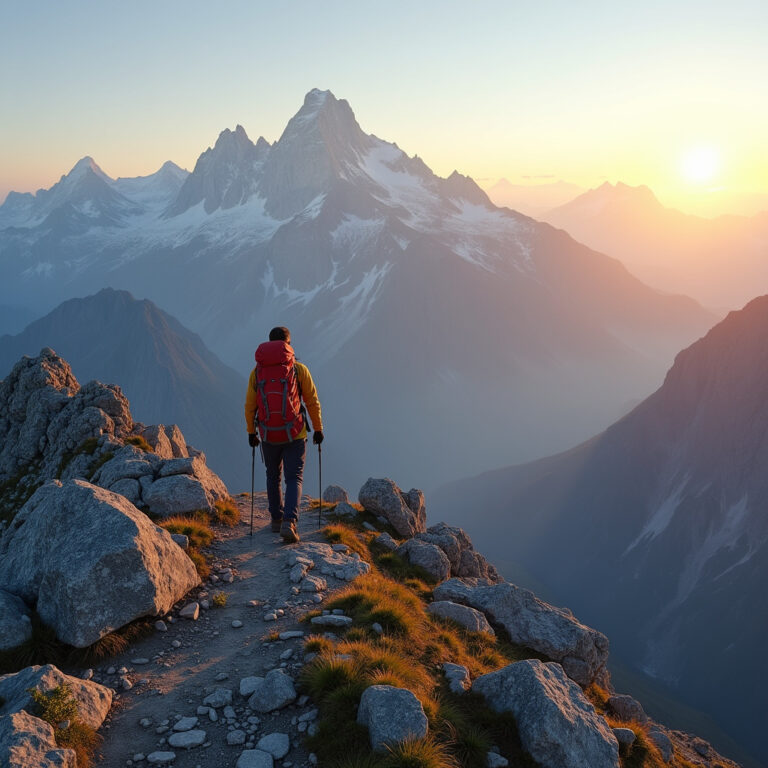
The allure of high-altitude adventures is undeniable. Towering peaks, vast open spaces, and views that stretch to the horizon call to the intrepid explorer. Whether you’re planning to trek the Himalayas, hike the Rockies, or climb Mount Kilimanjaro, ascending to higher elevations brings with it a unique set of challenges. One of the most significant, and potentially dangerous, is altitude sickness. As a dedicated resource for practical outdoor skills and minimalist gear advice, WildGridScout is here to equip you with the knowledge to navigate these majestic environments safely. Understanding how to prevent and treat altitude sickness is not just a useful skill; it’s a critical component of responsible outdoor adventuring.
What is Altitude Sickness?
Altitude sickness, also known as acute mountain sickness (AMS), occurs when your body struggles to adapt to the lower oxygen levels and reduced atmospheric pressure found at high altitudes. As you ascend, the air becomes “thinner,” meaning there’s less oxygen available with each breath. Your body needs time to acclimatize – to adjust to these changes by increasing your breathing rate, heart rate, and eventually producing more red blood cells to carry oxygen more efficiently. When you ascend too quickly, your body doesn’t have this crucial time to adapt, leading to a range of symptoms.
While often used interchangeably, there are actually three distinct, and progressively more severe, forms of altitude sickness:
- Acute Mountain Sickness (AMS): This is the most common and mildest form. Symptoms often resemble a bad hangover.
- High Altitude Cerebral Edema (HACE): A severe, life-threatening progression of AMS where fluid builds up in the brain.
- High Altitude Pulmonary Edema (HAPE): Another severe, life-threatening condition where fluid accumulates in the lungs.
Recognizing the Symptoms
Identifying altitude sickness early is paramount. Ignoring mild symptoms can lead to severe complications. Listen to your body and be aware of these common indicators:
Acute Mountain Sickness (AMS)
Typically appearing 6-12 hours after ascent, AMS symptoms include:
- Headache (often the first symptom)
- Nausea or vomiting
- Dizziness or lightheadedness
- Fatigue and weakness
- Loss of appetite
- Difficulty sleeping
It’s important to note that these symptoms can be vague and easily mistaken for dehydration or general fatigue from exertion. However, if they appear at altitude, assume it’s AMS until proven otherwise.
High Altitude Cerebral Edema (HACE) – Emergency!
HACE is a medical emergency. It’s characterized by a worsening of AMS symptoms and the addition of neurological signs due to brain swelling. Look out for for:
- Severe headache unresponsive to pain medication
- Confusion, disorientation
- Ataxia (loss of coordination, difficulty walking in a straight line – the “tandem gait” test is crucial here)
- Altered mental status (irritability, irrational behavior, lethargy, coma)
- Visual disturbances
HACE can progress rapidly and is fatal if not treated promptly by immediate descent.
High Altitude Pulmonary Edema (HAPE) – Emergency!
HAPE is another life-threatening emergency caused by fluid in the lungs, making it difficult to breathe. Symptoms include:
- Shortness of breath at rest (not just during exertion)
- Persistent cough (often producing pink, frothy sputum)
- Chest tightness or congestion
- Extreme fatigue and weakness
- Fever (sometimes)
Like HACE, HAPE requires immediate descent and medical attention.
Prevention: Your Best Defense
Prevention is always better than cure, especially when it comes to altitude sickness in remote environments. Here’s how to minimize your risk:
1. Acclimatize Gradually
This is the single most important prevention strategy. Don’t rush your ascent. The Wilderness Medical Society (WMS) recommends the following general guidelines for altitudes above 8,000 feet (2,500 meters):
- Above 8,000 feet, limit your sleeping elevation gain to no more than 1,000-2,000 feet (300-600 meters) per day.
- Incorporate a rest day for every 2,000-3,000 feet (600-900 meters) of ascent, or every 2-3 days, where you “climb high, sleep low” (ascend during the day, then return to a lower elevation to sleep).
- Plan for at least 2-3 days of acclimatization at moderate altitudes (8,000-10,000 feet / 2,500-3,000 meters) before ascending higher.
This slow and steady approach allows your body to produce more red blood cells and make other physiological adjustments to cope with the thinner air.
2. Stay Hydrated and Nourished
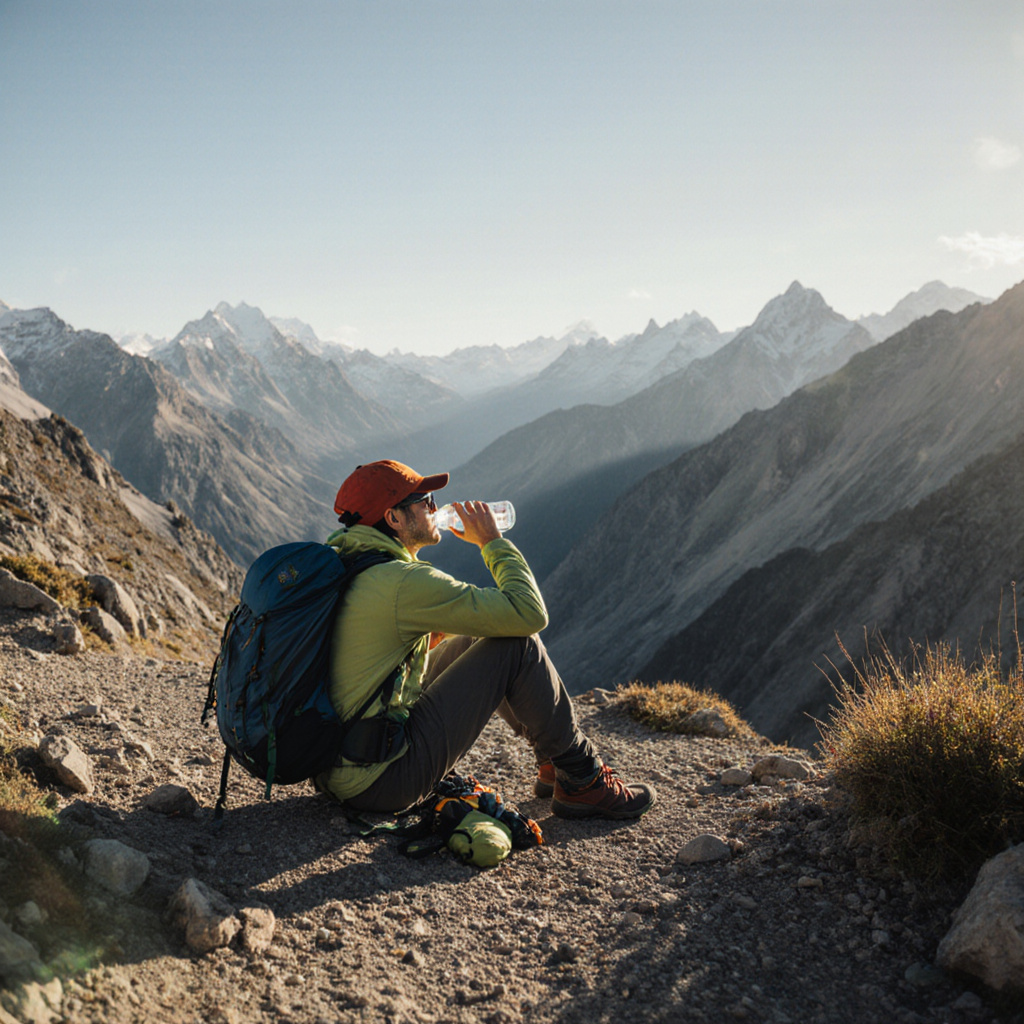
- Drink Plenty of Water: High altitudes increase fluid loss through respiration and urination. Aim for 3-4 liters of water daily.
- Eat a Carbohydrate-Rich Diet: Carbohydrates require less oxygen to metabolize than fats or proteins, providing efficient energy at altitude.
- Avoid Alcohol and Sedatives: These can suppress your respiratory drive, especially during sleep, worsening symptoms and hindering acclimatization.
- Limit Caffeine: While some studies suggest caffeine can help with altitude headaches, it’s generally best to limit intake initially as it can contribute to dehydration and disturb sleep.
3. Consider Prophylactic Medication
For individuals with a history of altitude sickness or those planning a rapid ascent, your doctor may prescribe medication:
- Acetazolamide (Diamox): This medication (available by prescription) helps speed up acclimatization by increasing kidney excretion of bicarbonate, which makes your blood more acidic and stimulates breathing. It’s typically started 24 hours before ascent and continued for a few days at altitude. Common side effects include tingling in fingers/toes and increased urination.
- Dexamethasone: A powerful steroid, Dexamethasone is generally reserved for individuals who cannot tolerate Acetazolamide or in situations where rapid ascent is unavoidable. It reduces brain and lung swelling. It does not aid acclimatization, so symptoms may return if stopped without further ascent.
Always consult your doctor before taking any prescription medication for altitude sickness.
4. Physical Fitness vs. Altitude Sickness
While being physically fit is always beneficial for outdoor adventures, it does not guarantee protection against altitude sickness. Even elite athletes can suffer. Acclimatization is key, regardless of your fitness level.
Treatment: What to Do When Symptoms Strike
If you or a companion develop symptoms of altitude sickness, prompt action is crucial:
1. Stop Your Ascent Immediately
Do not go higher. Rest at your current altitude. This is often enough for mild AMS symptoms to resolve.
2. Descend if Symptoms Worsen or Are Severe
This is the most effective treatment for all forms of altitude sickness. Even a descent of a few hundred feet can bring significant relief. For HACE or HAPE, immediate and rapid descent to a lower altitude (at least 2,000 feet/600 meters if possible) is life-saving.
3. Hydrate and Take Pain Relief
For mild AMS, drink water and take over-the-counter pain relievers like ibuprofen for headaches. Avoid NSAIDs if you have kidney issues.
4. Administer Medications (If Prescribed and Available)
- Acetazolamide: Can help resolve AMS symptoms.
- Dexamethasone: Crucial for treating moderate to severe AMS and HACE, as it reduces brain swelling.
- Nifedipine or Sildenafil: These are sometimes used to treat HAPE by reducing pulmonary arterial pressure.
These are emergency medications and should only be used by individuals trained in wilderness first aid or under medical guidance.
5. Supplemental Oxygen or Portable Hyperbaric Chamber (Gamow Bag)
If available, supplemental oxygen can rapidly improve symptoms of all forms of altitude sickness. A portable hyperbaric chamber (Gamow Bag) can simulate descent by increasing the air pressure around the patient, offering temporary relief and stabilization, especially in remote areas where immediate descent isn’t possible.
When to Seek Professional Help
Never hesitate to seek professional medical attention if symptoms are severe, worsening, or if you suspect HACE or HAPE. These are life-threatening conditions. Be honest with yourself and your companions about how you’re feeling. A safe return is always the priority.
Conclusion
High-altitude environments offer unparalleled beauty and challenge, but they demand respect and preparation. By understanding the causes, recognizing the symptoms, and implementing effective prevention and treatment strategies for altitude sickness, you can significantly enhance the safety and enjoyment of your high-altitude adventures. Always prioritize a gradual ascent, stay hydrated, and be prepared to descend if your body signals distress. Your adventure awaits, but only if you’re healthy enough to enjoy it.
Sources:
- Wilderness Medical Society (WMS) Practice Guidelines for the Prevention and Treatment of Acute Altitude Illness: 2024 Update. Wilderness & Environmental Medicine.
- Centers for Disease Control and Prevention (CDC). Travelers’ Health: Altitude Sickness.
- Mayo Clinic. Altitude Sickness.