Foraging for Beginners: 5 Common Edible Plants to Look For
There’s a quiet revolution happening in our relationship with the natural world, a return to ancient wisdom that resonates deeply with the spirit of WildGridScout. It’s called foraging – the act of identifying and harvesting wild food for sustenance. Far from a mere survival skill, foraging is a deeply enriching experience, offering a unique connection to the land, an opportunity to learn about your local ecosystem, and the satisfaction of finding incredible, free food.
Imagine a stroll through your local park or wilderness area, not just as a casual walk, but as a treasure hunt where gourmet ingredients await those with a keen eye and a bit of knowledge. Foraging isn’t about depleting nature; it’s about understanding its bounty and engaging with it respectfully. It’s a skill that grounds you, sharpens your senses, and equips you with practical outdoor knowledge that transcends trends.
The Golden Rules of Foraging: Safety First!
Before we dive into specific plants, let’s establish the unbreakable rules of safe foraging. These aren’t suggestions; they are mandates that will keep you safe and ensure a sustainable practice:
- Positive Identification is Paramount: Never, ever eat a plant unless you are 100% certain of its identity. Many edible plants have toxic look-alikes. Use multiple field guides, cross-reference with experienced foragers, and if in doubt, leave it out.
- Know Your Location: Avoid foraging near roadsides (car exhaust pollution), industrial areas, or anywhere pesticides or herbicides may have been sprayed. Contaminated soil or water can make plants unsafe to consume.
- “Leave No Trace” & Sustainable Harvesting: Only take what you need and leave plenty behind for wildlife and for the plant to regenerate. Never harvest all of a particular patch. As a general rule, take no more than 1/10th to 1/4th of what you find in a given area. Harvest ethically and thoughtfully.
- Allergy Awareness: Even common edible plants can cause allergic reactions in some individuals. If trying a new wild food, start with a small amount and wait 24 hours before consuming more.
- Respect Private Property: Always obtain permission before foraging on private land. Be aware of local laws and regulations regarding foraging in public parks or wilderness areas.
5 Common Edible Plants for Beginner Foragers
To get you started on your foraging journey, here are five widespread and relatively easy-to-identify edible plants. Remember, this post is an introduction; always consult reliable field guides and experienced foragers before consuming any wild plant.
1. Dandelion (Taraxacum officinale)
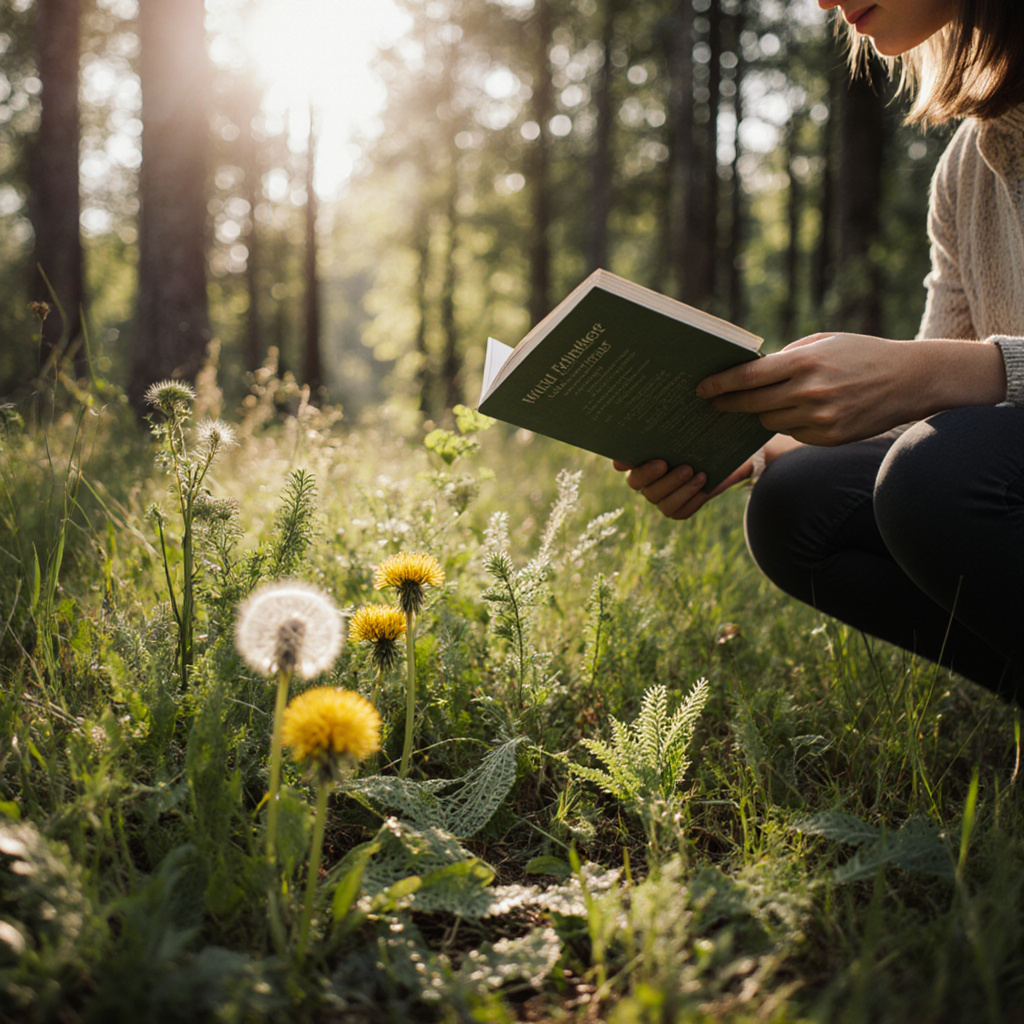
Often dismissed as a pesky weed, the humble dandelion is a nutritional powerhouse and a fantastic entry point into foraging. Every part of the dandelion is edible!
- Identification: Look for their distinctive bright yellow flowers, deeply lobed leaves arranged in a basal rosette, and a hollow stem that exudes a milky white sap when broken. They have a long taproot.
- Where to Find: Dandelions are ubiquitous! You’ll find them in lawns, fields, roadsides (avoid these for foraging!), and disturbed areas across temperate regions globally.
- Uses:
- Leaves: Young, tender leaves are less bitter and can be added raw to salads, stir-fried, or blanched. As they mature, they become more bitter but can still be cooked. Rich in vitamins A, C, and K.
- Flowers: The bright yellow petals can be added to salads, used to make dandelion wine, or battered and fried as fritters.
- Roots: Roasted and ground, they make a caffeine-free coffee substitute. They can also be boiled and eaten as a root vegetable when young and tender.
Source: “Edible Wild Plants: A Folding Pocket Guide to Familiar North American Species” by James Kavanagh
2. Wild Garlic / Ramps (Allium tricoccum / Allium ursinum)
These garlicky delights are a springtime delicacy, highly prized by foragers. While Allium tricoccum (Ramps) are common in North America, Allium ursinum (Wild Garlic/Ramsons) are their European cousins.
- Identification: Both species have broad, smooth, vibrant green leaves that emerge from the forest floor in early spring. The most crucial identification feature is the unmistakable garlicky scent when the leaves are bruised or crushed. Ramps often grow in large patches.
- Where to Find: They prefer moist, shady deciduous forests, often near stream banks or in rich, well-drained soil.
- Uses: The entire plant is edible. The leaves, bulbs, and even the unopened flower buds can be used. They are fantastic raw in salads, pesto, stir-fries, omelets, or pickled. Their flavor is a delightful blend of garlic and onion.
Important Note: Ramps are slow-growing and can be easily over-harvested. If you harvest the bulbs, take only a small percentage of a patch and ensure you leave plenty for future growth. A more sustainable approach is to harvest only one or two leaves per plant, leaving the bulb intact.
Source: “The Forager’s Harvest: A Guide to Identifying, Harvesting, and Preparing Edible Wild Plants” by Samuel Thayer
3. Plantain (Plantago major)
Not to be confused with the banana-like fruit, the common plantain is another ubiquitous “weed” with impressive edible and medicinal properties.
- Identification: Look for broad, oval-shaped leaves with prominent parallel veins that resemble celery strings running from the base to the tip. The leaves grow in a rosette close to the ground, and a tall, thin flower stalk emerges from the center, bearing tiny green flowers that eventually form seeds.
- Where to Find: Like dandelions, plantain thrives in disturbed soils – lawns, compacted paths, cracks in pavement, and garden beds.
- Uses:
- Leaves: Young, tender leaves can be added raw to salads. Older leaves can be cooked like spinach or added to soups and stews. They have a mild, slightly earthy flavor.
- Medicinal: Crushed plantain leaves can be applied as a poultice to soothe insect bites, stings, and minor skin irritations due to their anti-inflammatory properties.
Source: “Wild Edibles: A Practical Guide to Foraging, with Easy-to-Find Plants and Delicious Recipes” by Sergei Boutenko
4. Stinging Nettle (Urtica dioica)
Don’t let the name scare you! Stinging nettle is a highly nutritious and versatile wild food. The “sting” is deactivated by cooking or drying.
- Identification: Nettle plants are typically 2-4 feet tall with square stems and serrated, opposite leaves covered in fine stinging hairs. They often grow in dense patches. Always wear gloves when harvesting!
- Where to Find: Nettles prefer nutrient-rich, moist soil and are often found in disturbed areas, forest edges, stream banks, and pastures.
- Uses:
- Leaves: Harvest young, tender leaves in spring before the plant flowers. Blanch them briefly (1-2 minutes) or cook them thoroughly to neutralize the sting. Once cooked, they taste similar to spinach and are excellent in soups, stews, pestos, quiches, or as a nutritious side dish.
- Tea: Dried nettle leaves make a healthy, mineral-rich herbal tea.
Source: “A Field Guide to Edible Wild Plants: Eastern and Central North America” by Lee Allen Peterson
5. Chickweed (Stellaria media)
A delicate and often overlooked edible, chickweed is a common ground cover that adds a fresh, mild flavor to dishes.
- Identification: Chickweed is a low-growing plant that forms dense mats. It has small, oval-shaped leaves and tiny white, star-like flowers with five deeply notched petals, making them appear as ten. A key identifier is a single line of fine hairs running up one side of the stem, which switches sides at each leaf node.
- Where to Find: It thrives in cool, moist, shady areas – gardens, lawns, forest floors, and disturbed ground. You can often find it almost year-round in milder climates.
- Uses: The entire above-ground portion of the plant is edible. It has a mild, fresh, slightly grassy flavor. It’s excellent raw in salads, sandwiches, or as a garnish. You can also lightly cook it like spinach. It’s rich in vitamins and minerals.
Source: “Foraging & Feasting: A Field Guide and Wild Food Cookbook” by Dina Falconi
Embrace the WildGridScout Within!
Foraging is more than just finding food; it’s an empowering skill that deepens your connection to nature and enhances your outdoor competence. It encourages you to slow down, observe your surroundings, and appreciate the intricate web of life. As a WildGridScout, this journey into the world of wild edibles aligns perfectly with our ethos of practical skills, sustainable living, and enriching outdoor experiences.
Start small, focus on positive identification, always prioritize safety, and most importantly, enjoy the adventure of discovering nature’s hidden pantry. Happy foraging!