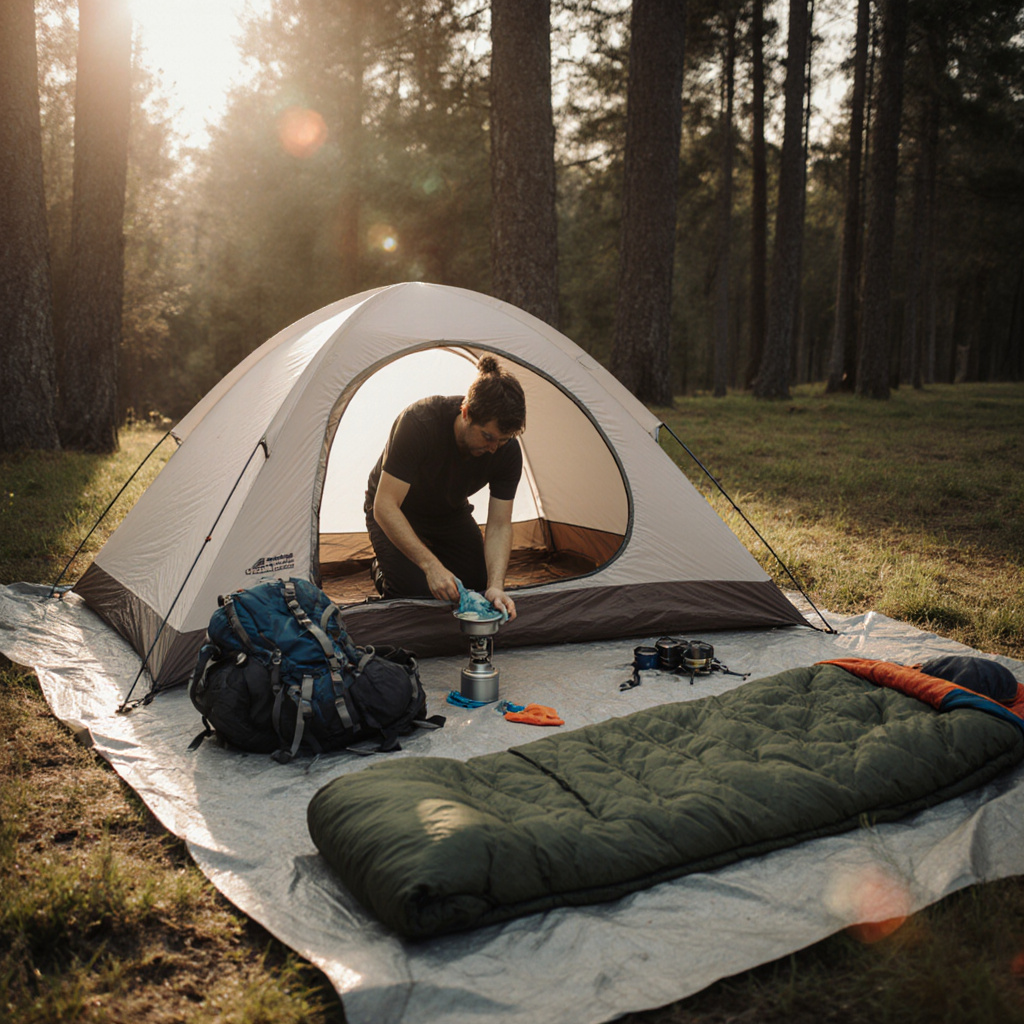
Gear Maintenance: How to Clean and Store Your Camping Equipment
The Lifeline of Your Adventures: Mastering Gear Maintenance
In the world of outdoor pursuits, your gear is more than just equipment; it’s your lifeline, your shelter, and your comfort. Whether you’re a seasoned thru-hiker or a weekend warrior, investing in quality camping and hiking gear is a given. But the true secret to unlocking its full potential and extending its lifespan lies not just in its purchase, but in its meticulous care. Welcome to WildGridScout, where we believe that proper gear maintenance isn’t just a chore – it’s a fundamental outdoor skill, as vital as knot-tying or navigation.
Why Does Gear Maintenance Matter So Much?
Think of your outdoor equipment as a loyal companion. Neglect it, and it will eventually let you down. Regular cleaning and proper storage offer a myriad of benefits:
- Extended Lifespan: Dirt, sweat, UV exposure, and moisture are the enemies of fabric, zippers, and coatings. Cleaning and storing correctly significantly prolong the life of your expensive investments.
- Optimal Performance: A clean tent sheds water better, a well-maintained sleeping bag retains its loft and warmth, and a properly stored stove fires up reliably. Your gear performs best when it’s cared for.
- Safety and Reliability: A failing zipper on a tent in a storm, a clogged water filter in the backcountry, or a cold sleeping bag can turn an adventure into a dangerous ordeal. Maintenance reduces the risk of equipment failure.
- Prevents Mold and Mildew: These insidious fungi not only create foul odors but also degrade fabrics and coatings, making your gear unusable. Proper drying and storage are your best defense.
- Saves Money: Replacing gear prematurely due to neglect is costly. A little care goes a long way in saving your hard-earned cash.
- Readiness for the Next Adventure: There’s nothing worse than pulling out gear for a spontaneous trip, only to find it dirty, damaged, or moldy. Well-maintained gear is always ready to go.
The Golden Rules of Gear Care
Before diving into specifics, remember these universal principles for all your outdoor equipment:
- Clean After Every Trip: Even if it looks clean, give it a quick once-over. Dust, pollen, and microscopic debris can accumulate.
- Inspect for Damage: Use cleaning time as an opportunity to check for minor rips, tears, loose seams, or failing components. Early detection means easier, more effective repairs.
- Dry Thoroughly: This is arguably the most crucial step. Never store damp gear. Air circulation is key.
- Store Properly: Avoid extreme temperatures, direct sunlight, and cramped spaces.
Specific Gear Care Breakdown
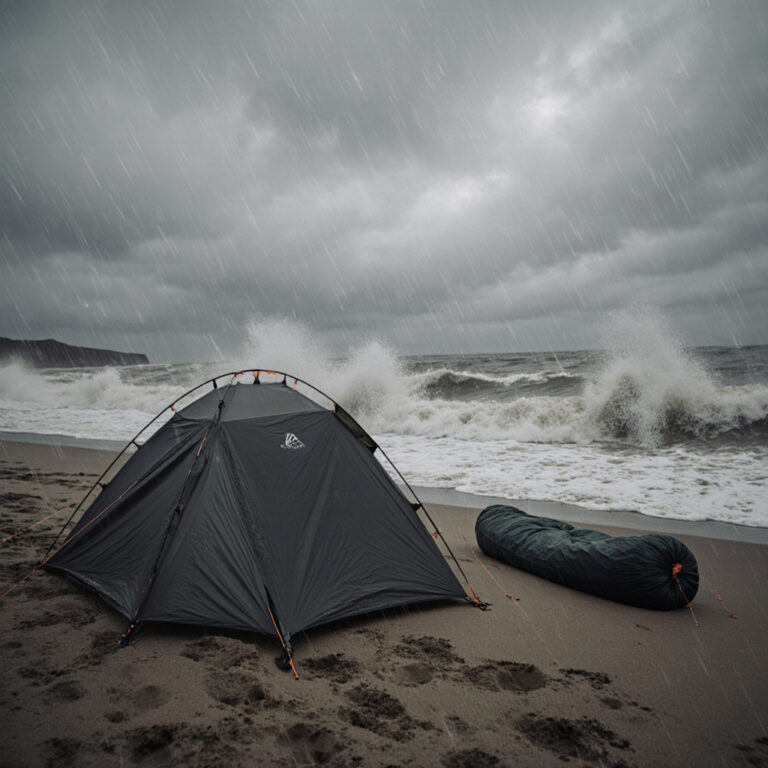
Tents: Your Portable Home
Your tent takes a beating from the elements. Keeping it clean and dry is paramount.
Cleaning:
- Shake it Out: Remove all debris, leaves, and dirt from inside.
- Wipe Down: With a sponge or soft cloth, gently wipe down the tent body and fly with mild soap (like Dr. Bronner’s unscented, or a specialized gear cleaner like Nikwax Tech Wash) and water. Pay attention to dirty spots and sticky residues.
- Rinse Thoroughly: Ensure all soap residue is removed, as it can attract dirt and degrade waterproof coatings.
- Spot Clean Mold/Mildew: For stubborn spots, a diluted solution of white vinegar (1 part vinegar to 4 parts water) can work, but always test on an inconspicuous area first. Some sources also suggest specialized mold removers for tents.
Drying: Pitch your tent in a shady, breezy spot, or hang it loosely over a clothesline. Ensure *every part* is bone dry – fly, body, footprint, and stuff sacks – before storage.
Storage: Do not tightly stuff your tent. Store it loosely in an oversized mesh bag or laundry hamper in a cool, dry place away from direct sunlight. This allows fabrics and coatings to breathe and prevents permanent creases that can weaken materials. (Source: REI Co-op)
Sleeping Bags: Your Warm Embrace
Maintaining loft and cleanliness is key for insulation efficiency.
Cleaning:
- Spot Clean First: For small smudges, use a damp cloth with a tiny amount of mild soap (or specialized down/synthetic wash) and water.
- Full Wash (Infrequently): Only wash your sleeping bag when absolutely necessary, as washing can reduce loft over time. Use a large, front-loading washing machine (top-loaders with agitators can damage baffles). Use a technical cleaner specifically designed for down or synthetic insulation (e.g., Nikwax Down Wash Direct or Grangers Down Wash). Follow product instructions carefully.
- Rinse Thoroughly: Run extra rinse cycles to ensure no soap residue remains.
Drying: This is the most critical step. Tumble dry on low heat with several clean tennis balls or dryer balls. This helps break up clumps of insulation and restore loft. This can take several hours, so be patient. Ensure it’s completely dry to prevent mold.
Storage: Store your sleeping bag uncompressed in a large mesh storage sack or a breathable cotton bag. Avoid storing it in its compression sack for extended periods, as this permanently damages the insulation’s loft. (Source: REI Co-op)
Sleeping Pads: Cushioned Comfort
Cleaning: Wipe down the surface with a damp cloth and mild soap. Rinse well.
Drying: Ensure it’s completely dry, especially if it’s an inflatable pad where moisture could get inside.
Storage: Store inflatable pads partially inflated, with the valve open, in a cool, dry place. This prevents the internal foam from developing “memory” and helps maintain its integrity. Self-inflating pads should also be stored unrolled and with the valve open. (Source: Therm-a-Rest)
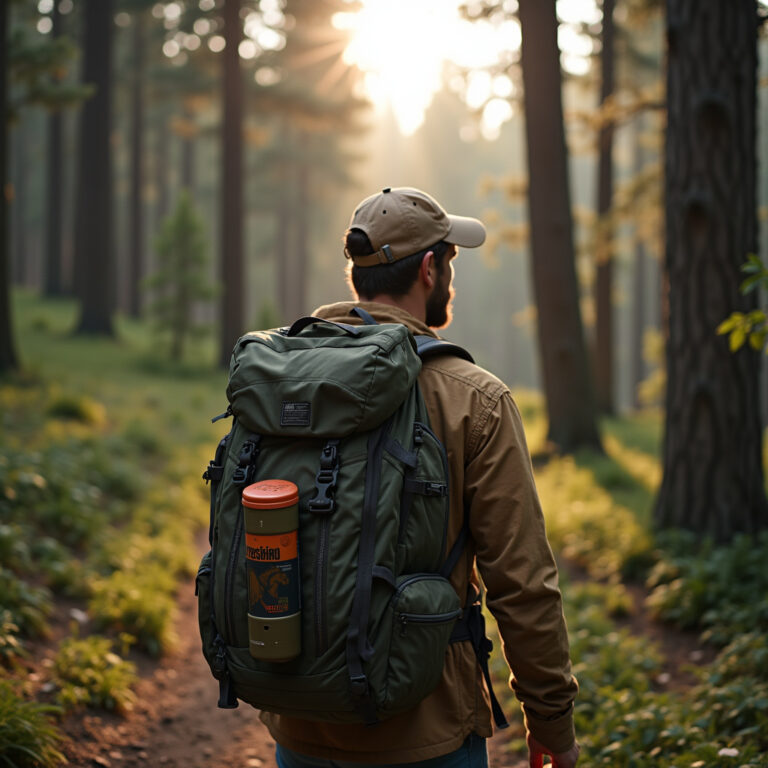
Backpacks: Your Burden Bearer
Cleaning:
- Empty Completely: Remove all contents, including from small pockets. Shake out loose dirt.
- Spot Clean: Use a brush or sponge with mild soap and water to scrub dirty areas. Pay attention to shoulder straps and hip belts, which accumulate sweat and grime.
- Rinse: Rinse thoroughly with cool water. Do not submerge your backpack unless explicitly instructed by the manufacturer.
Drying: Hang upside down in a well-ventilated area until completely dry.
Storage: Store in a cool, dry place, unzipped, to allow for air circulation. Avoid storing in direct sunlight. (Source: Osprey Packs)
Stoves and Cookware: Trailside Kitchen Essentials
Cleaning: Always clean food residue immediately after use. Wash pots, pans, and utensils with biodegradable soap and water. Clean stove burners and fuel lines according to manufacturer instructions.
Drying: Dry all components thoroughly to prevent rust and corrosion.
Storage: Store cookware clean and dry. Store fuel canisters separately in a cool, well-ventilated area, away from ignition sources.
Water Filters: Your Hydration Guardian
Cleaning: Follow manufacturer instructions meticulously. Most require regular backflushing.
Drying: Allow filters to air dry completely before storing to prevent mold and bacterial growth. Some filters (like MSR Guardian) are designed to be freeze-resistant, but many require protection from freezing temperatures, which can damage internal components.
Storage: Store in a clean, dry, and dark place. For long-term storage, some manufacturers recommend special treatments or replacing components.
Footwear: Foundation of Your Journey
Cleaning: Brush off mud and dirt. For tougher grime, use a soft brush and water with a mild boot cleaner. Remove insoles to dry separately.
Drying: Air dry naturally at room temperature. Avoid direct heat sources, as this can damage materials and adhesives. Stuff with newspaper to absorb moisture and maintain shape.
Re-proofing: If your waterproof boots are wetting out, reapply a DWR (Durable Water Repellent) treatment as needed.
Storage: Store in a well-ventilated area, away from direct sunlight or extreme temperatures.
Rain Gear/Waterproof Shells: Your Shield Against the Storm
Cleaning: Wash according to garment care labels, typically with a technical cleaner like Nikwax Tech Wash or Grangers Performance Wash. Avoid conventional detergents, which can leave residues that impair breathability and water repellency.
Re-proofing: If water is no longer beading up on the surface, apply a DWR treatment (spray-on or wash-in) after washing.
Drying: Tumble dry on low heat to help reactivate the DWR, or air dry completely.
Storage: Hang loosely or fold gently. Do not compress in a stuff sack for long periods, as this can create permanent creases and affect fabric integrity. (Source: GORE-TEX Blog)
The Maintenance Mindset: A Habit for Happy Trails
Gear maintenance is an ongoing process, not a one-time event. Integrate it into your post-trip routine. A little effort after each adventure ensures your equipment is always ready for the next, preserving its performance, extending its life, and ultimately, enhancing your outdoor experiences. Embrace the maintenance mindset, and your gear will serve you faithfully for years to come on countless WildGridScout adventures.