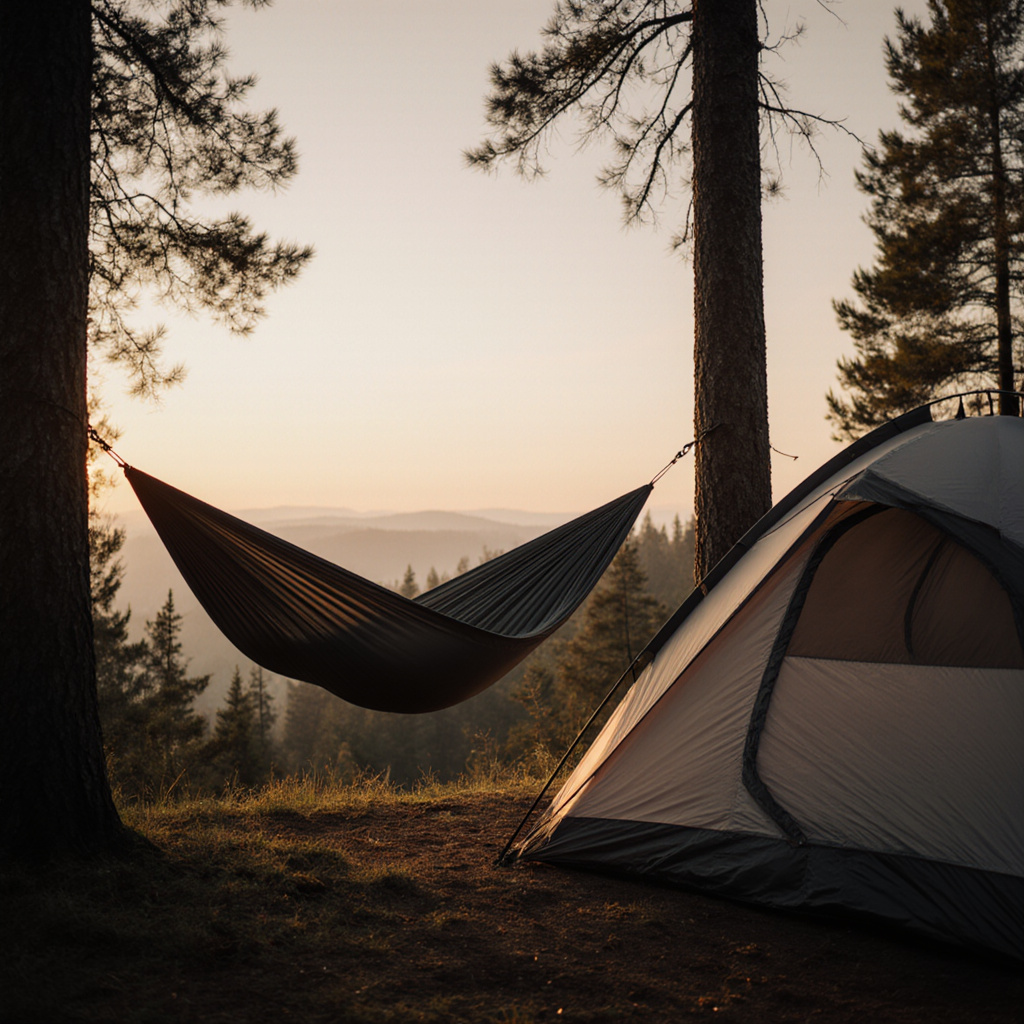
Hammock Camping vs. Tent Camping: Pros and Cons
For those of us who hear the call of the wild, the choice of shelter is as fundamental as the trail itself. Do you lay your head down cradled in a fabric cocoon, suspended between trees, or do you find solace within the structured walls of a tent, grounded firmly on the earth? This isn’t just a matter of preference; it’s a decision that impacts everything from your pack weight to your sleep quality and your overall connection to the natural world. At WildGridScout, we’re all about empowering you with practical outdoor skills and minimalist gear advice, so let’s dive deep into the age-old debate: hammock camping versus tent camping.
Both methods offer unique advantages and disadvantages, making one potentially superior to the other depending on your specific trip, the terrain, and your personal style. Understanding these nuances is key to ensuring your next adventure is as comfortable and fulfilling as possible.
The Aerial Abode: Hammock Camping
Hammock camping has soared in popularity, particularly among backpackers and minimalists who appreciate its lightweight nature and the unique sleeping experience it offers. There’s something undeniably appealing about drifting off to sleep with a gentle sway, feeling the breeze, and gazing at the stars directly above.
Pros of Hammock Camping:
- Unparalleled Comfort: Many hammock campers swear by the ergonomic comfort of a hammock, claiming it reduces pressure points common in ground sleeping. The subtle rocking motion can also be incredibly soothing, leading to a deeper, more restorative sleep.
- Lightweight & Packable: A basic hammock setup (hammock, tree straps, bug net, tarp) can be significantly lighter and more compact than a traditional tent, especially for solo campers. This is a huge advantage for long-distance hikes where every ounce counts.
- Versatile Site Selection: You don’t need flat ground! If there are two suitable trees (or other anchor points), you have a campsite. This opens up a vast array of previously inaccessible spots, allowing you to camp in uneven, rocky, or muddy terrain with ease.
- Superior Ventilation: Being suspended off the ground allows for excellent airflow, making hammocks much cooler in warm, humid conditions. This can be a game-changer in summer months, reducing condensation and promoting a more comfortable night’s rest.
- Minimal Environmental Impact: When done correctly with wide tree straps, hammock camping adheres closely to Leave No Trace principles, as it typically disturbs less vegetation and leaves less of a footprint on the ground compared to pitching a tent. (Source: Leave No Trace Center for Outdoor Ethics)
Cons of Hammock Camping:
- Tree Dependency: The most significant drawback is the absolute need for suitable anchor points. In certain environments like deserts, alpine tundras, or open prairies, finding two sturdy trees appropriately spaced can be impossible.
- Colder in Cool Weather: While great for ventilation in summer, the exposed underside of a hammock means you lose heat rapidly through convection and conduction. An underquilt is essential for insulation in cooler temperatures, adding to cost and pack volume. A sleeping pad can also work inside, but often shifts.
- Steeper Learning Curve: Getting the perfect hang angle, understanding tarp pitches, and mastering an underquilt can take a few trips to dial in. It’s not as straightforward as simply throwing down a tent.
- Less Privacy & Gear Storage: Hammocks offer minimal privacy. While tarps provide some cover, they aren’t fully enclosed like a tent. Gear storage can also be a challenge; everything needs to be hung or stored underneath a tarp to stay dry.
- Not Ideal for Groups/Families: Most hammocks are designed for single occupancy. While multi-hammock setups are possible, they aren’t as convenient for group sleeping or shared warmth as a single tent.
The Grounded Guardian: Tent Camping
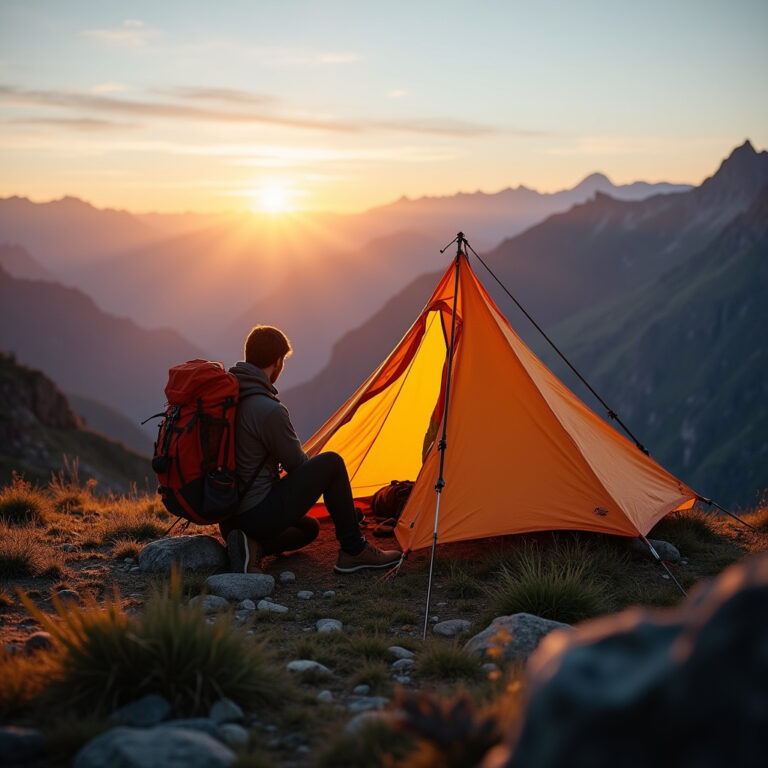
Tent camping remains the quintessential outdoor lodging experience for many. It’s the familiar, reliable choice that provides a defined shelter, a sense of security, and a home-away-from-home in the wilderness.
Pros of Tent Camping:
- Versatility in Site Selection: Tents can be pitched almost anywhere you can find a reasonably flat, clear patch of ground. Deserts, beaches, rocky exposed ridges – tents offer much greater flexibility in challenging terrains where trees are scarce.
- Superior Warmth & Insulation: The enclosed design of a tent traps air, providing a layer of insulation that helps retain body heat. This makes tents generally warmer in cold weather, especially when combined with a good sleeping pad and bag.
- Privacy & Security: Tents offer complete enclosure, providing a private space to change, store gear, and escape from bugs or curious wildlife. They offer a greater sense of security and protection from the elements.
- Ample Gear Storage: Most tents feature vestibules and internal pockets, providing dedicated space to store backpacks, boots, and other gear, keeping it dry and organized.
- Ideal for Groups & Families: Tents come in various sizes, from solo to multi-person, making them perfect for couples, families, or groups who want to share a single shelter, fostering camaraderie and shared warmth.
- Robust Weather Protection: With a proper rainfly and footprint, tents offer excellent protection against wind, rain, and snow, keeping you dry and sheltered in adverse conditions. (Source: REI Expert Advice on Tents)
Cons of Tent Camping:
- Heavier & Bulkier: Even lightweight backpacking tents are often heavier and bulkier than a comparable hammock setup, especially when considering the entire system (tent body, rainfly, poles, stakes, footprint).
- Requires Flat Ground: Finding a perfectly flat, smooth, and debris-free tent site can be a challenge, particularly in rugged or overgrown areas. Pitching on uneven ground can lead to an uncomfortable night’s sleep.
- Potential for Condensation: Tents, by their enclosed nature, can suffer from internal condensation, especially in humid conditions or when multiple people are inside. Good ventilation and careful site selection can mitigate this, but it’s a common issue.
- Less Immersive Experience: While offering protection, the walls of a tent can sometimes feel like a barrier to the natural surroundings. You’re inside looking out, rather than being truly “in” nature.
- Greater Ground Impact: Repeated tent pitching on the same spot can compact soil, kill vegetation, and create visible tent pads, which goes against Leave No Trace principles. Rotating campsites and using a footprint can help minimize this.
Making Your Choice: Factors to Consider
The “best” option isn’t universal; it depends entirely on your adventure profile. Consider these factors:
- Terrain: Will you be in dense forests with plenty of trees, or open country like deserts or above the treeline? This is often the deciding factor.
- Weather Conditions: Are you expecting warm, humid nights or cold, wet, and windy conditions? Hammocks excel in the former, tents in the latter (with proper insulation for both).
- Trip Duration & Pack Weight: For long-distance backpacking where every ounce counts, a minimalist hammock setup might win. For car camping or shorter trips where weight isn’t as critical, a roomier tent might be preferred.
- Group Size: Solo traveler? A hammock is a great option. Camping with a partner, family, or a group? A multi-person tent is usually more practical.
- Personal Preference & Comfort: Some people simply prefer the feeling of being off the ground, while others feel more secure inside a tent. Test both if possible!
- Budget: Basic hammocks are often cheaper than tents, but a complete hammock system (with bug net, tarp, and underquilt) can be comparable or even more expensive than a budget tent.
The Verdict: There Is No Single Winner
Ultimately, both hammock camping and tent camping offer fantastic ways to experience the outdoors. Neither is inherently superior; rather, they are different tools for different jobs. For the lightweight backpacker seeking an immersive, comfortable sleep in forested areas, a hammock can be a revelation. For the versatile adventurer needing robust protection and space in varied terrains, a tent remains a reliable companion.
At WildGridScout, we encourage you to explore both! Rent or borrow a setup for a weekend trip to see what resonates with your personal style and comfort needs. Whichever you choose, remember to practice Leave No Trace principles to preserve the wild spaces we all cherish. Happy trails, and happy sleeping!