
Essential Gear Lists for Outdoor Activities & Survival Scenarios
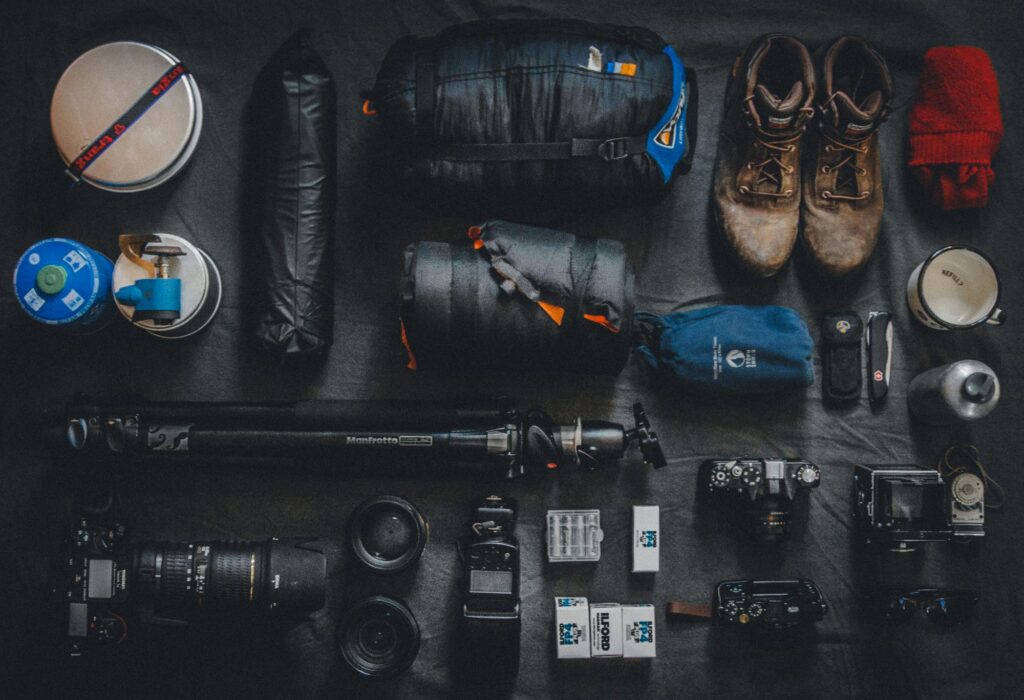
This page provides curated lists of necessary equipment for various outdoor activities and survival scenarios. These lists are designed to help you prepare safely and effectively for your adventures.
1. Day Hiking Essentials
For short trips where you expect to return before dark and in good weather.
- Navigation: Map of the area, compass, (optional: GPS device or smartphone with GPS app).
- Sun Protection: Sunscreen, sunglasses, hat.
- Insulation (Clothing): Extra layer (e.g., fleece jacket, lightweight puffy) even on warm days.
- Illumination: Headlamp or flashlight with extra batteries.
- First-Aid Supplies: Basic personal first-aid kit.
- Fire Starter: Waterproof matches or lighter (even for day hikes, for emergencies).
- Repair Kit & Tools: Small knife or multi-tool.
- Nutrition (Food): Extra snacks, energy bars.
- Hydration (Water): Water bottle or hydration reservoir (at least 1-2 liters).
- Emergency Shelter: Lightweight emergency blanket or bivy (optional but recommended).
2. Overnight Camping (3-Season) Essentials
For camping in moderate weather conditions (spring, summer, fall).
- Navigation: Map, compass, GPS device/app.
- Sun Protection: Sunscreen, sunglasses, hat.
- Insulation (Clothing): Layers (base, mid, outer), extra socks, warm hat.
- Illumination: Headlamp with extra batteries.
- First-Aid Supplies: Comprehensive first-aid kit.
- Fire Starter: Waterproof matches, lighter, fire starter (e.g., ferro rod).
- Repair Kit & Tools: Multi-tool, duct tape, cordage.
- Nutrition (Food): Enough food for the trip + extra day’s supply.
- Hydration (Water): Water bottles/reservoir, water filter/purifier.
- Shelter: Tent, tarp, or bivy sack.
- Sleeping System: Sleeping bag (appropriate temperature rating), sleeping pad.
- Cooking System: Stove, fuel, pot, utensils, food storage (bear canister if needed).
- Hygiene: Toiletries, trowel, toilet paper, hand sanitizer.
3. Cold Weather Hiking/Camping Essentials
For activities in freezing temperatures, snow, or ice.
- All 3-Season Essentials, PLUS:
- Navigation: Map, compass, GPS (ensure batteries are cold-rated or kept warm).
- Sun Protection: Glacier glasses or goggles, high-SPF sunscreen, lip balm.
- Insulation (Clothing): Multiple warm layers (wool/synthetic base, fleece mid, down/synthetic puffy, waterproof/windproof outer shell), insulated pants, heavy-duty gloves/mittens, balaclava/neck gaiter.
- Illumination: Headlamp with cold-rated extra batteries (lithium recommended).
- First-Aid Supplies: Standard kit + specific items for cold injuries (e.g., hand warmers).
- Fire Starter: Multiple reliable fire starters.
- Repair Kit & Tools: Snow shovel (for shelter/safety), ice axe/crampons (if terrain requires).
- Nutrition (Food): High-calorie, easily digestible foods; hot drinks.
- Hydration (Water): Insulated water bottles (Nalgene recommended), thermos for hot liquids, reliable water filter/purifier that won’t freeze.
- Shelter: 4-season tent or robust winter shelter.
- Sleeping System: Winter-rated sleeping bag, insulated sleeping pad (high R-value).
- Cooking System: Stove that performs well in cold, extra fuel.
- Avalanche Safety Gear: (If in avalanche terrain) Beacon, shovel, probe.
4. Desert Survival Essentials
For arid environments with extreme temperatures and limited water.
- Navigation: Map, compass, GPS (critical due to featureless terrain).
- Sun Protection: Wide-brimmed hat, long-sleeved light-colored clothing, sunglasses, high-SPF sunscreen.
- Insulation (Clothing): Layers for extreme temperature swings (hot days, cold nights), including a warm jacket.
- Illumination: Headlamp with extra batteries.
- First-Aid Supplies: Comprehensive first-aid kit, especially for snake bites, insect stings, and blisters.
- Fire Starter: Multiple reliable fire starters.
- Repair Kit & Tools: Multi-tool, knife.
- Nutrition (Food): High-energy, non-perishable foods.
- Hydration (Water): ABSOLUTELY CRITICAL. Carry significantly more water than you think you need (e.g., 1 gallon/4 liters per person per day minimum). Water filter/purifier, water storage bags/containers.
- Shelter: Lightweight tarp or emergency blanket for shade during the day and warmth at night.
- Signaling: Signal mirror, whistle, brightly colored cloth.
- Footwear: Sturdy, broken-in hiking boots, gaiters to keep sand out.
- Emergency Communication: Satellite messenger or personal locator beacon (PLB).