
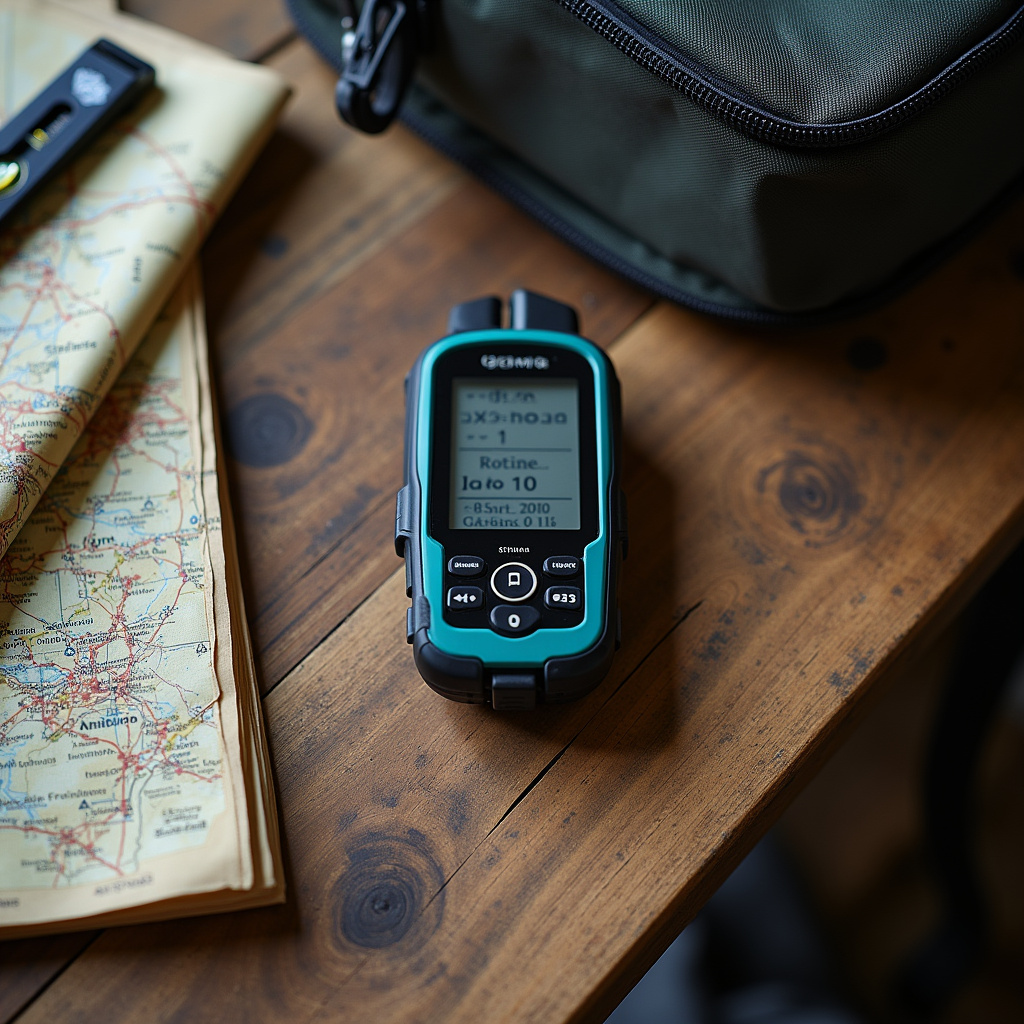
How to Choose a Satellite Messenger: A Comparison of Devices Under 5 lbs
The call of the wild is undeniable, drawing us to remote trails, serene backcountry campsites, and breathtaking vistas far from the buzz of everyday life. Yet, venturing beyond the reach of cell towers introduces a critical consideration: safety. While we seek solitude, true peace of mind often comes from knowing we can connect with the outside world if an emergency arises. This is where satellite messengers become indispensable tools for the modern outdoor enthusiast. Far more than just a panic button, these compact devices offer a lifeline for communication, navigation, and emergency services when every other form of contact fails.
For those of us at WildGridScout who prioritize minimalist packing and practical skills, choosing the right satellite messenger means striking a balance between critical functionality, weight, battery life, and affordability. In this guide, we’ll dive deep into what makes a satellite messenger an essential piece of outdoor gear, compare some of the best devices under 5 lbs, and help you select the perfect companion for your next adventure.
Why a Satellite Messenger Isn’t Just for Emergencies
While the primary function of a satellite messenger is its SOS capability, offering a direct link to emergency services like GEOS International Emergency Response Coordination Center, their utility extends far beyond dire situations. These devices allow for two-way text messaging with friends and family, sharing your location, and even receiving weather forecasts – all without a cellular signal. Imagine being able to update your loved ones on your progress, coordinate meet-up points, or get critical weather updates when a storm rolls in unexpectedly. This regular communication not only enhances safety but also enriches the overall outdoor experience, allowing you to share your journey or simply check in.
Key Features to Consider When Choosing Your Device
Before we compare specific models, let’s break down the crucial features that should influence your decision:
- Two-Way Messaging: Essential for both emergencies and casual communication. Make sure the device allows you to send and receive custom messages, not just pre-set ones.
- SOS Functionality: The bedrock of any satellite messenger. This should provide a direct link to a 24/7 monitoring center that can dispatch local emergency services to your precise GPS location.
- Tracking & Location Sharing: Many devices allow you to set tracking intervals, sharing your breadcrumb trail with chosen contacts online. This is invaluable for peace of mind and for search and rescue efforts if needed.
- Battery Life: Crucial for multi-day trips. Look for devices with extended battery life, often measured in days or hundreds of hours, especially when tracking.
- Subscription Plans: This is where the true cost often lies. All satellite messengers require a monthly or annual subscription for service. Plans vary widely in message limits, tracking intervals, and features. Understand these costs thoroughly before committing.
- Durability & Weather Resistance: Your device needs to withstand the rigors of the outdoors – drops, dust, and water. Look for IPX ratings (e.g., IPX7 for immersion in water).
- User Interface & Connectivity: Some devices have screens and keyboards; others rely entirely on a paired smartphone app. Consider which interface suits your preference and technical comfort.
- Network Coverage: Most popular devices use either the Iridium or Globalstar satellite network. Iridium offers true global coverage (pole-to-pole), while Globalstar has excellent coverage in many populated landmasses but can have gaps.
A Closer Look: Satellite Messengers Under 5 lbs
Let’s compare some of the top contenders that fit our lightweight criteria, each offering a slightly different approach to backcountry communication.
Garmin inReach Mini 2
The Garmin inReach Mini 2 is a favorite among ultralight backpackers and minimalists for a good reason. Weighing a mere 3.5 ounces (100g), it’s incredibly compact, easily fitting into a pocket or attaching to a pack strap. Despite its small size, it packs a punch with global Iridium satellite coverage, two-way messaging, interactive SOS, and TracBack routing. It boasts an impressive battery life of up to 14 days with 10-minute tracking intervals, making it suitable for extended trips. While it has a small monochrome screen for basic operations, it truly shines when paired with the Garmin Earthmate app on your smartphone, transforming your phone into a powerful navigation and messaging hub with detailed maps. Its robust feature set and reliable network make it a top-tier choice for serious adventurers. (Source: Garmin.com)
Zoleo Satellite Communicator
The Zoleo Satellite Communicator stands out for its unique “seamless messaging” experience. At approximately 5.3 ounces (150g), it’s still very much in the lightweight category. Zoleo automatically routes your messages via Wi-Fi, cellular, or the Iridium satellite network, ensuring your messages get through whenever possible. This means you have a dedicated SMS number and email address that works globally. Like the Mini 2, the Zoleo relies heavily on its excellent smartphone app for messaging and all advanced features, as it lacks a screen for text input. Its robust construction (IP68 water and dust resistant) and impressive battery life of over 200 hours in message check mode make it a durable and reliable choice. It offers excellent value, particularly for those who appreciate the convenience of a single messaging experience across networks. (Source: Zoleo.com)
Spot X 2-Way Satellite Messenger
The Spot X 2-Way Satellite Messenger offers a different philosophy: a truly standalone device. At about 7.5 ounces (212g), it’s heavier than the Mini 2 and Zoleo but still well under our 5 lbs limit. Its standout feature is a full QWERTY keyboard and a dedicated display, allowing you to send and receive custom messages without needing a smartphone. This can be a huge advantage if your phone battery dies or gets damaged. Spot X operates on the Globalstar satellite network, which provides excellent coverage in many parts of the world but has some known gaps, particularly in extreme latitudes. It offers two-way messaging, SOS, and tracking, with a battery life of up to 10 days in 10-minute tracking mode. For those who prefer a self-contained unit and don’t want to rely on their phone for critical communication, the Spot X is a strong contender. (Source: FindMeSpot.com)
Making Your Choice: Which Messenger is Right for You?
Choosing the best satellite messenger boils down to your specific needs and priorities:
- For the Ultralight Minimalist: The Garmin inReach Mini 2 is hard to beat for its compact size, light weight, and extensive features when paired with a smartphone. Its Iridium network coverage is top-notch.
- For Seamless Connectivity and Value: The Zoleo excels if you want a device that intelligently switches between satellite, cellular, and Wi-Fi for messaging, offering a dedicated contact number. It’s user-friendly and robust.
- For Standalone Reliability: If you prefer a device that functions independently of your smartphone, with a physical keyboard for messaging, the Spot X is your best bet. Just be aware of the Globalstar network’s coverage limitations in certain areas.
Remember to factor in the ongoing subscription costs, which are an integral part of owning any satellite messenger. These plans vary significantly and should be carefully reviewed to match your expected usage.
Conclusion: Stay Connected, Stay Safe
A satellite messenger is more than just another piece of gear; it’s an investment in your safety and peace of mind when exploring the great outdoors. Whether you’re a seasoned thru-hiker, a weekend backpacker, or an adventurous kayaker, having the ability to communicate, navigate, and call for help can make all the difference. By understanding your needs and comparing the excellent options available under 5 lbs, you can confidently choose a device that keeps you connected, no matter how far off the grid you wander. Explore responsibly, stay informed, and always carry a lifeline.