How to Find and Purify Water in the Wild
In the vast expanse of the wild, where towering trees meet rugged mountains and serene rivers carve their paths, water is life. It’s the silent, ever-present necessity that dictates survival, often more critically than food or shelter. For any adventurer venturing beyond the paved path, understanding how to find and purify water in the wild isn’t just a useful skill—it’s paramount. The “rule of threes” in survival wisdom tells us you can survive approximately three days without water, making it your most immediate concern after air and shelter.
Dehydration can quickly impair judgment, sap your strength, and lead to serious medical conditions like heatstroke. Therefore, before your next wilderness excursion, let’s dive into the essential techniques for securing safe drinking water.
The Quest for Hydration: Finding Water Sources
While a gurgling stream might seem like an obvious oasis, finding water in the wild often requires a keen eye and a strategic mind. Here’s how to increase your chances:
- Follow the Topography and Wildlife: Gravity is your friend. Water flows downhill, so always head towards lower elevations, valleys, and depressions. Keep an eye out for game trails, as animals often create paths leading directly to water sources. Birds flying low in the morning and evening, or insects like bees and mosquitoes, can also indicate proximity to water.
- Obvious Surface Water: Rivers, streams, lakes, and ponds are the most straightforward sources. However, always exercise extreme caution. Water can be contaminated by upstream human activity, dead animals, or agricultural runoff. Always assume surface water needs purification.
- Rainwater Collection: The purest form of natural water. If it rains, collect it! Use tarps, ponchos, large leaves, or even natural depressions in rocks. A simple emergency tarp can be rigged to channel rainwater into a container.
- Dew Collection: In arid environments, dew can be a lifesaver. Early in the morning, tie absorbent cloth around your ankles and walk through dewy grass, or use a cloth to wipe dew from leaves. Wring the cloth into a container. This is a slow but effective method.
- Snow and Ice: Abundant in colder climates. Melt snow and ice in a metal container. Crucially, do not eat snow or ice directly as it can significantly lower your core body temperature, leading to hypothermia. Always melt and, if possible, purify.
- Plant Transpiration (Solar Still): A fascinating method, though slow and low-yield. Dig a shallow pit, place a container in the center, and cover the pit with a plastic sheet, weighted down around the edges and with a small rock in the center over the container. The sun will cause moisture to evaporate from the soil and condense on the plastic, dripping into your container. A variation involves tying a plastic bag over a leafy branch; the leaves transpire, and water condenses inside the bag. (Referenced in US Army Survival Manual FM 21-76)
- Digging for Water: In dry riverbeds, at the base of slopes, or in areas with lush green vegetation in otherwise dry surroundings, you might find subsurface water. Dig a small pit (approximately 1-2 feet deep) and wait for water to seep in. This water will likely be silty and require extensive purification.
- Rock Basins: Natural depressions in rock formations can collect and hold rainwater for extended periods.
The Crucial Step: Purifying Your Water
Finding water is only half the battle; ensuring it’s safe to drink is the other, equally vital part. Never drink untreated water from the wild, regardless of how clear it appears. Here are the most effective purification methods:
1. Boiling: The Gold Standard
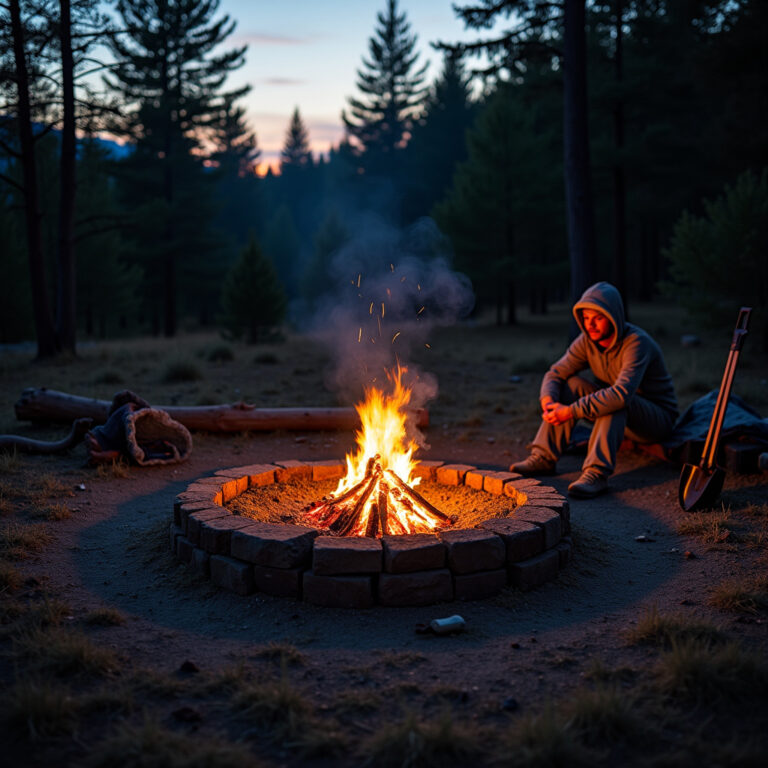
Boiling is hands down the most reliable method for killing bacteria, viruses, and parasites (protozoa). Bring water to a rolling boil for at least one minute. At altitudes above 6,500 feet (2,000 meters), boil for three minutes to compensate for the lower boiling point. All you need is a fire source and a metal pot or container.
2. Water Filters: Modern Wilderness Essentials
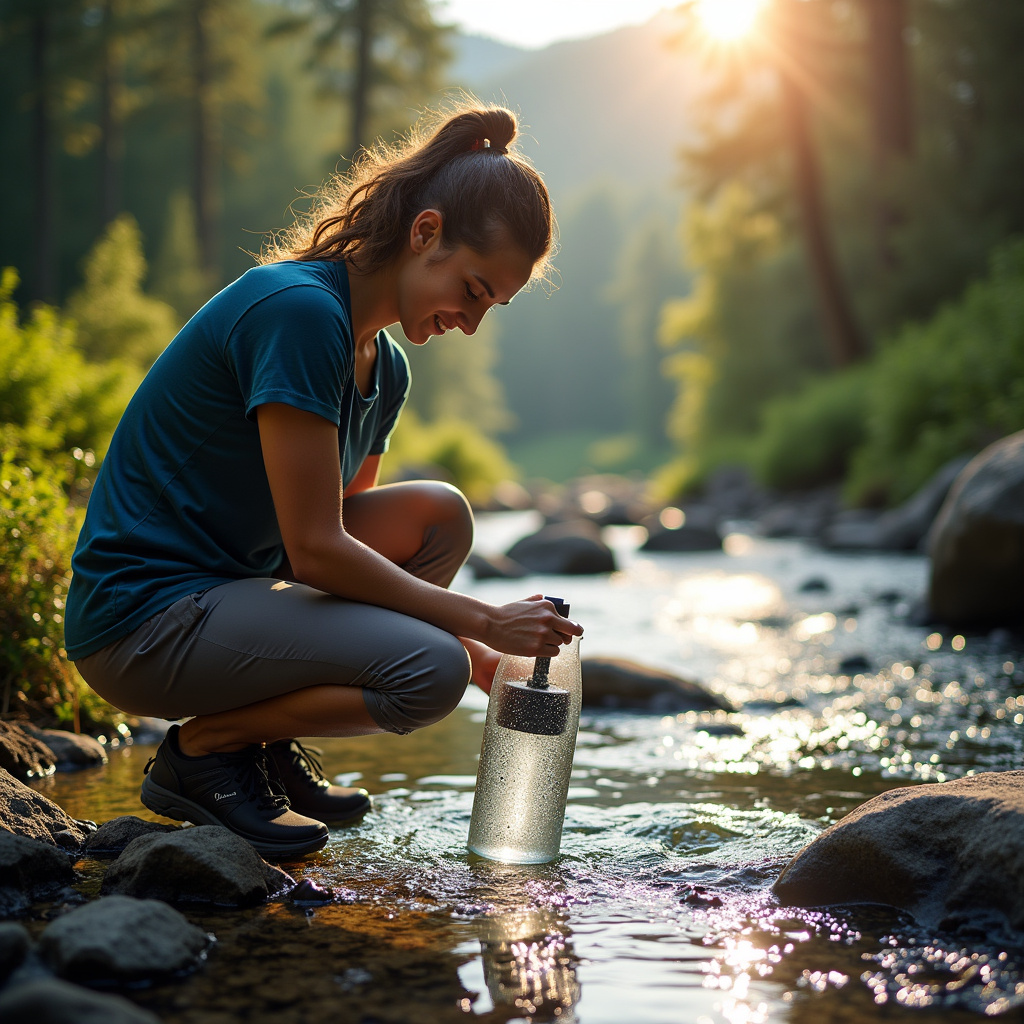
Portable water filters have revolutionized wilderness travel. Devices like the Sawyer Squeeze or LifeStraw use hollow fiber membranes to physically remove bacteria, protozoa (like Giardia and Cryptosporidium), and microplastics. They are fast, efficient, and significantly reduce the risk of waterborne illnesses. However, a crucial caveat: most backpacking filters do not remove viruses due to their smaller size. While viruses are less common in North American backcountry water, they are a concern in more populated or international areas. Always check your filter’s specifications. A minimalist gear essential, a good filter saves weight and provides quick access to safe water.
3. Chemical Purification: Tablets and Drops
Chemical treatments are excellent backups or primary methods when boiling isn’t feasible. They work by introducing active agents that kill microorganisms:
- Iodine Tablets: Effective against bacteria and most viruses and protozoa. They impart a slight taste and require a waiting period (typically 30 minutes). Not recommended for pregnant women or individuals with thyroid conditions.
- Chlorine Dioxide Tablets/Drops: A popular choice for their effectiveness against a broader range of pathogens, including Cryptosporidium, which iodine struggles with. They produce less of an aftertaste than iodine but often require a longer waiting time, especially for Cryptosporidium (up to 4 hours). (Sources: EPA guidelines, Wilderness Medical Society recommendations)
4. UV Light Purifiers: The Tech Approach
Devices like the SteriPEN use ultraviolet (UV-C) light to scramble the DNA of pathogens, rendering them harmless. They are fast and effective against bacteria, viruses, and protozoa. The water must be clear for UV light to work effectively, so a pre-filter (even a bandana) might be necessary for turbid water. Requires batteries, which can be a drawback.
5. Solar Water Disinfection (SODIS): Low-Tech, High Impact
A simple, cost-effective method ideal for sunny conditions. Fill clear plastic PET bottles (like soda bottles) with water and lay them horizontally in direct sunlight. The UV-A radiation from the sun, combined with heat, kills pathogens. For optimal results, expose for at least 6 hours on a sunny day or two consecutive days if it’s cloudy. (Developed and promoted by the WHO and SODIS Foundation)
6. DIY Pre-Filters (with a crucial disclaimer)
While you can layer cloth, sand, charcoal, and gravel to create a makeshift filter, this only removes larger particulate matter, improving clarity and taste. It does not purify water of bacteria, viruses, or microscopic parasites. Always combine a DIY filter with boiling or chemical treatment.
Prioritize and Prepare
The best approach is to employ multiple methods if possible. Always carry a primary purification method (like a filter or boiling pot) and a backup (like chemical tablets). Understanding water sources and purification techniques is a cornerstone of responsible outdoor adventure and minimalist camping. Don’t leave your hydration to chance; be prepared, stay safe, and enjoy the wild!
Sources:
- U.S. Army Survival Manual FM 21-76
- Centers for Disease Control and Prevention (CDC) – Water Treatment
- Wilderness Medical Society – Practice Guidelines for Wilderness Emergency Care
- Environmental Protection Agency (EPA) – Water Treatment Information
- World Health Organization (WHO) / SODIS Foundation – Solar Water Disinfection