How to Pack for a Day Hike: The 10 Essentials Revisited
There’s a unique thrill that comes with stepping onto a trail, the promise of crisp air, stunning vistas, and the quiet rhythm of your own two feet carrying you deeper into nature. Day hikes, while seemingly straightforward, demand respect and preparation. At WildGridScout, we believe in empowering every adventurer with the knowledge to make their outdoor experiences safe, enjoyable, and sustainable. Today, we’re revisiting a cornerstone of outdoor preparedness: the 10 Essentials. But this isn’t just a list; it’s a comprehensive, system-based approach to ensure you’re ready for anything the wilderness might throw your way.
Originally conceived by The Mountaineers in the 1930s, the “10 Essentials” were initially a list of individual items. Over time, as gear evolved and outdoor practices became more sophisticated, this list transformed into a system of ten categories, each designed to address potential emergencies or challenges in the backcountry. This modern interpretation, championed by organizations like REI, encourages hikers to think about the *function* of each essential, rather than just checking off items. This allows for greater flexibility and often, a more minimalist approach to packing without compromising safety.
The Modern 10 Essentials: A System for Safety
1. Navigation
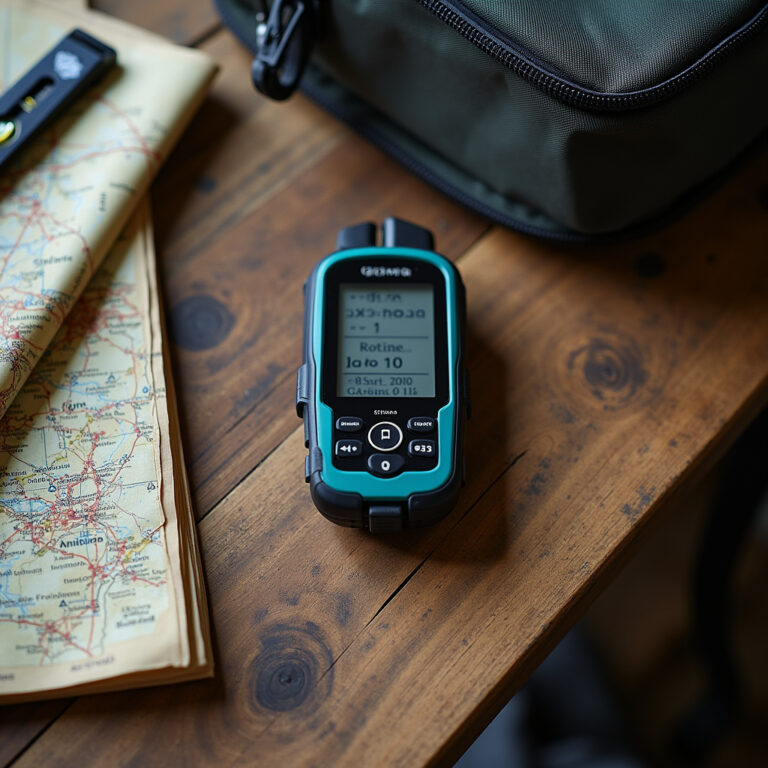
Even on familiar trails, things can go awry. A wrong turn, an unexpected detour, or a sudden change in visibility can quickly disorient you. Your navigation system should include a physical map of the area and a compass, both of which require knowing how to use them. Supplement these with a GPS device or a smartphone loaded with offline maps (like AllTrails or Gaia GPS). Always ensure your electronic devices are fully charged and consider carrying a portable power bank. Relying solely on a phone can be risky due to battery drain and signal loss.
2. Headlamp or Flashlight
Never underestimate how quickly daylight fades, especially in dense forests or during unexpected delays. A reliable headlamp (our preference for hands-free convenience) or flashlight is crucial. Always pack extra batteries, or ensure your rechargeable device is fully topped up. Even if you plan to be off the trail well before sunset, an injury or getting lost could mean an unplanned night out.
3. Sun Protection
The sun’s rays, even on cloudy days, can lead to sunburn, heatstroke, and long-term skin damage. Pack sunglasses, a wide-brimmed hat, and broad-spectrum sunscreen with an SPF of 30 or higher. For exposed trails or snow, consider sun-protective clothing. Don’t forget lip balm with SPF.
4. First-Aid Kit
A well-stocked first-aid kit is non-negotiable. While pre-made kits are a good starting point, customize yours based on the length and remoteness of your hike, your group size, and any personal medical needs. Essential items include bandages, antiseptic wipes, pain relievers, blister treatment, gauze, medical tape, and any personal medications. Regularly check and restock your kit. Consider taking a basic wilderness first-aid course for more advanced skills. (Source: NOLS Wilderness Medicine)
5. Knife or Repair Kit
A sturdy knife or multi-tool is invaluable for countless tasks, from cutting rope and opening food packages to making emergency repairs. Pair this with a small repair kit. Duct tape (wrapped around a trekking pole or water bottle), safety pins, cordage, and gear patches can salvage a broken strap, repair a tent, or fix a torn jacket, preventing a minor issue from becoming a major problem.
6. Fire Starter
The ability to start a fire can be a lifesaver for warmth, signaling, and morale in an emergency. Pack multiple fire-starting methods: waterproof matches in a sealed container, a reliable lighter, and a fire steel with tinder. Practice using them in varying conditions before you hit the trail. Always be mindful of local fire restrictions and conditions. (Source: USDA Forest Service)
7. Shelter
Unexpected exposure to the elements can quickly lead to hypothermia or heatstroke. Even for a day hike, carry some form of emergency shelter. This could be an ultralight tarp, an emergency bivvy sack, or even a large, heavy-duty garbage bag. These items are lightweight, compact, and can provide critical protection from wind, rain, or snow if you’re forced to spend an unplanned night outdoors.
8. Extra Food
Always pack more food than you think you’ll need for your planned hike. Non-perishable, calorie-dense items like energy bars, nuts, dried fruit, and jerky are ideal. An unexpected delay or a higher-than-anticipated energy expenditure can quickly deplete your reserves. Having extra food provides sustained energy and can be a significant morale booster in a challenging situation.
9. Extra Water or Water Purification Method
Dehydration is a serious risk. Carry ample water for your hike, considering the distance, elevation gain, weather, and your personal hydration needs. In addition, always pack a reliable water purification method, such as a filter, purification tablets, or a UV purifier. Knowing you can safely replenish your water supply from natural sources can be a game-changer if your initial supply runs low. (Source: CDC Backcountry Water Treatment)
10. Extra Clothes
Weather in the outdoors can be notoriously unpredictable, especially in mountainous regions. Pack extra layers that allow you to adapt to changing temperatures, wind, and precipitation. Think moisture-wicking base layers, an insulating mid-layer (fleece or puff jacket), and a waterproof/windproof outer shell. Avoid cotton, which loses its insulating properties when wet.
Minimalist Packing and Leave No Trace
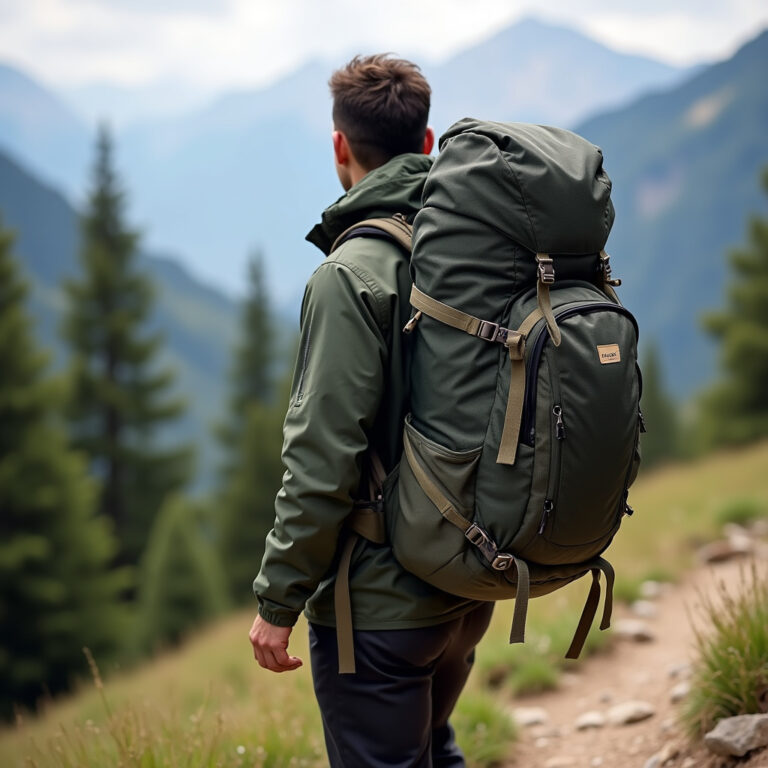
Embracing the “10 Essentials” doesn’t mean hauling a massive pack for a day hike. The key is smart, minimalist packing. Opt for multi-use items (e.g., a bandana as a sweatband, sun protection, or emergency bandage). Choose lightweight versions of gear whenever possible. Before every trip, assess the specific conditions: weather forecast, trail difficulty, remoteness, and duration. This allows you to tailor your essentials without overpacking.
Crucially, as you prepare for your adventure, remember the Leave No Trace Principles. Pack out everything you pack in, stay on marked trails, dispose of waste properly, respect wildlife, and minimize campfire impacts. Our goal at WildGridScout is not just to get you out there safely, but to ensure the wilderness remains pristine for generations to come.
Conclusion
Packing for a day hike is more than just throwing some snacks and water into a bag. It’s about thoughtful preparation, understanding the potential risks, and equipping yourself with the tools and knowledge to handle them. By embracing the modern interpretation of the 10 Essentials, you transform from a casual hiker into a confident, self-reliant adventurer, ready to fully immerse yourself in the beauty of the natural world, knowing you’re prepared for whatever lies ahead. Happy trails!