How to Plan a Multi-Day Backpacking Trip: A Checklist
The call of the wild, the rustle of leaves underfoot, the crisp air filling your lungs as you trek deeper into nature – a multi-day backpacking trip is an unparalleled adventure. But to truly savor the experience, careful planning is paramount. At WildGridScout, we believe that preparedness is the key to unlocking unforgettable outdoor journeys. This comprehensive checklist will guide you through every essential step, ensuring your multi-day backpacking trip is not just an adventure, but a safe and responsible one.
1. Laying the Foundation: Destination & Itinerary Planning
Before you even think about packing, you need to know where you’re going and what to expect. This is the bedrock of your entire trip.
- Choose Your Destination & Trail: Research potential trails based on desired difficulty, length, elevation gain, and scenic appeal. Consider factors like seasonality, weather patterns, and potential wildlife encounters.
- Permits & Reservations: Many popular trails and wilderness areas require permits, especially for overnight stays. Check well in advance and secure any necessary reservations.
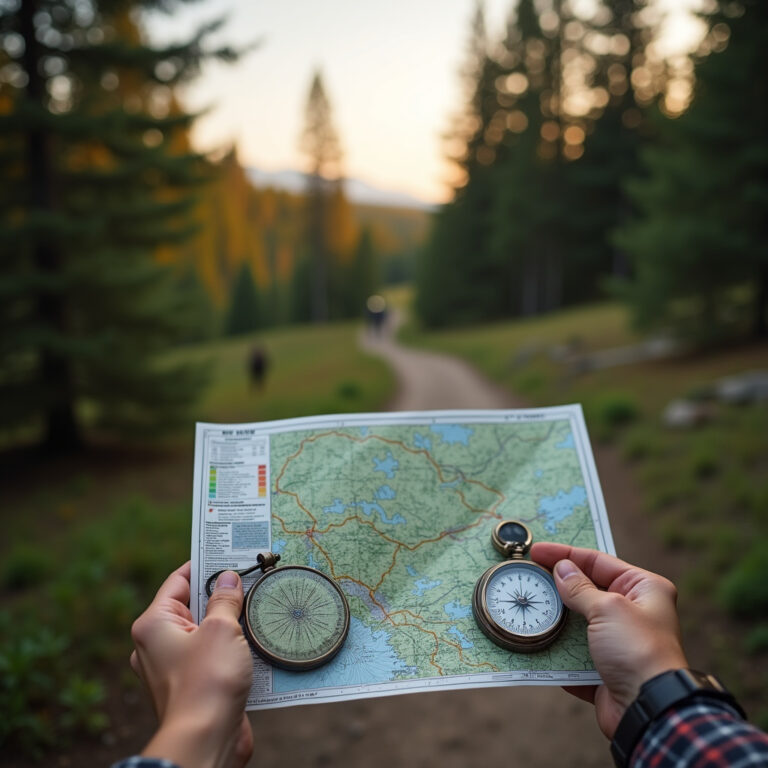
- Route Mapping & Mileage: Obtain detailed maps (physical and digital) and plot your exact route. Plan realistic daily mileage, considering terrain, elevation, and the weight of your pack. Factor in buffer time for unforeseen delays.
- Water Sources: Identify reliable water sources along your route. This is critical for hydration and can significantly impact the weight of water you need to carry.
- Emergency Exits & Bailout Points: Know your escape routes in case of injury, severe weather, or other emergencies.
- Group Dynamics (if applicable): If you’re going with others, discuss expectations, fitness levels, and decision-making processes before you leave.
2. Gear Up: The Essentials for Comfort & Safety
Your gear is your lifeline in the backcountry. Every item should serve a purpose, especially when aiming for a minimalist approach.
The “Big Three”
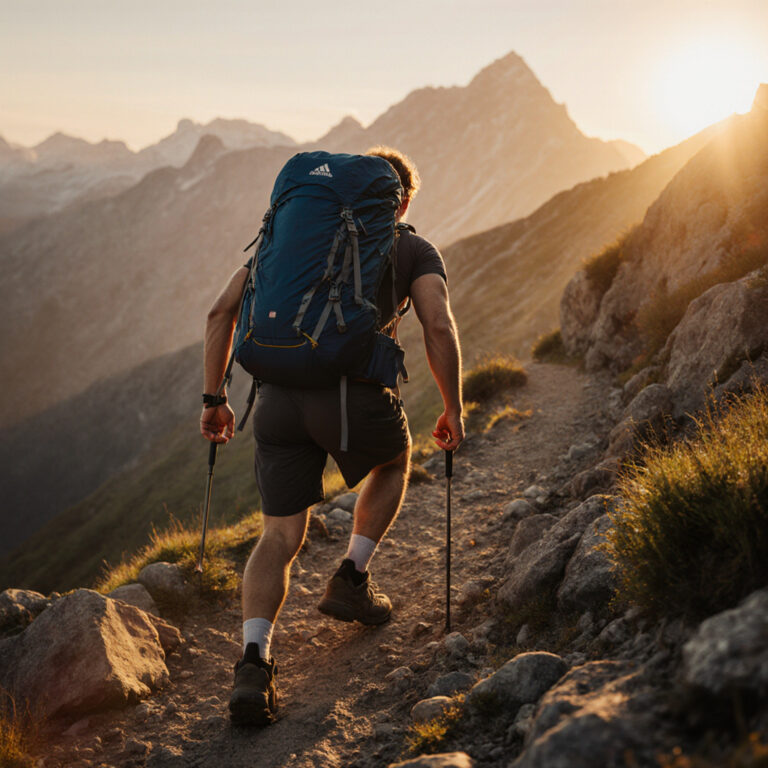
- Backpack: Choose a pack sized appropriately for the length of your trip (typically 45-70 liters for multi-day) and fitted correctly to your body.
- Shelter: Tent, tarp, or hammock – lightweight and weather-appropriate. Ensure it’s waterproof and offers adequate protection for your expected conditions.
- Sleep System: Sleeping bag (rated for expected nighttime temperatures) and a sleeping pad (for insulation and comfort).
Navigation & Safety
- Map & Compass: Essential and reliable. Know how to use them!
- GPS Device/App: A valuable supplement, but never a replacement for traditional navigation. Download offline maps.
- First-Aid Kit: Comprehensive and customized for your group size and trip length. Include pain relievers, blister treatment, antiseptic wipes, bandages, and any personal medications.
- Headlamp/Flashlight: With extra batteries.
- Knife/Multi-tool: For repairs and various tasks.
- Fire Starter: Waterproof matches, lighter, or ferro rod.
- Whistle: For signaling in emergencies.
- Communication Device: PLB (Personal Locator Beacon) or satellite messenger for emergencies in areas without cell service. Inform someone of your itinerary.
Clothing & Personal Items
- Layered Clothing System: Base layers (moisture-wicking), mid-layers (insulation), and outer shell (waterproof/windproof). Avoid cotton.
- Hiking Boots/Shoes: Broken in and comfortable.
- Socks: Several pairs of synthetic or wool.
- Rain Gear: Jacket and pants.
- Sun Protection: Hat, sunglasses, sunscreen.
- Toiletries: Toothbrush, toothpaste, small towel, hand sanitizer, toilet paper (with trowel for proper disposal).
Camp & Cooking
- Stove & Fuel: Lightweight backpacking stove with enough fuel.
- Cook Pot/Mug & Utensil: Minimalist and durable.
- Water Filter/Purifier: Reliable system (filter, chemical treatment, or UV purifier).
- Food Bag/Bear Canister: If required, for proper food storage.
3. Fueling Your Adventure: Food & Water Strategy
Proper nutrition and hydration are critical for sustained energy and performance.
- Meal Planning: Plan high-calorie, lightweight, and easy-to-prepare meals. Dehydrated meals, nuts, dried fruit, and energy bars are excellent choices. Calculate caloric needs based on activity level.
- Snacks: Pack plenty of calorie-dense snacks for ongoing energy.
- Water Strategy: Determine how much water you’ll carry between known sources. Understand and practice your chosen water purification method. Aim to drink regularly throughout the day.
4. Safety First: Preparing for the Unexpected
Even with the best planning, unforeseen circumstances can arise. Being prepared is your best defense.
- Share Your Itinerary: Always leave a detailed itinerary with a trusted friend or family member, including your route, expected return date, and emergency contact information.
- Weather Monitoring: Check the forecast before and during your trip (if possible). Be prepared to adapt plans for adverse conditions.
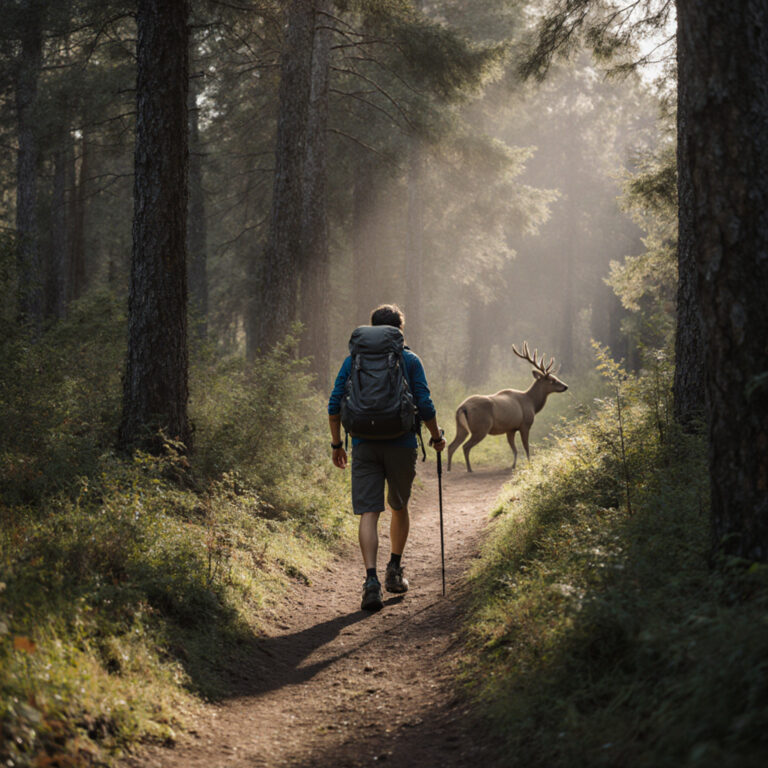
- Wildlife Awareness: Research local wildlife and understand how to react to encounters (e.g., bear country protocols, snake safety).
- Learn Basic Wilderness First Aid: Knowing how to treat common injuries or illnesses can be a game-changer. Consider a WFA (Wilderness First Aid) course.
5. Embrace the Ethic: Leave No Trace Principles
As responsible outdoor enthusiasts, it’s our duty to minimize our impact and preserve the wilderness for future generations. Adhere strictly to the Seven Principles of Leave No Trace:
- Plan Ahead and Prepare: The entire point of this checklist!
- Travel and Camp on Durable Surfaces: Stick to established trails and campsites.
- Dispose of Waste Properly: Pack out everything you pack in. Bury human waste properly.
- Leave What You Find: Do not disturb cultural or natural objects.
- Minimize Campfire Impacts: Use existing fire rings or pack a stove. Ensure fires are completely out.
- Respect Wildlife: Observe from a distance, never feed animals.
- Be Considerate of Other Visitors: Preserve the tranquility and solitude of the wilderness.
6. Physical & Mental Preparation
Your body and mind need to be ready for the challenge.
- Physical Training: Engage in regular cardio, strength training, and practice hikes with your loaded pack.
- Gear Shakedown: Do an overnight trip close to home with your full pack to test all your gear and identify any issues before your big trip.
- Mental Toughness: Backpacking can be physically and mentally demanding. Cultivate resilience and a positive attitude.
Conclusion
A multi-day backpacking trip offers an unparalleled opportunity to disconnect from the everyday and reconnect with nature. While the allure of spontaneity is strong, thorough planning is your most valuable tool for a safe, enjoyable, and successful adventure. Use this checklist as your guide, embrace the journey, and happy trails!
Sources:
- National Park Service. (n.d.). Backpacking the National Parks.
- Leave No Trace Center for Outdoor Ethics. (n.d.). The 7 Principles.
- REI Expert Advice. (n.d.). Backpacking Guides.