How to Prepare for a Desert Hike: Tips for Staying Safe in the Heat
The desert, with its vast, unyielding landscapes and stunning, often otherworldly beauty, calls to the adventurous spirit. From sculpted canyons to towering saguaros, it offers a profound sense of solitude and connection to nature. However, its allure is matched by its formidable challenges, primarily the relentless heat and arid conditions. For those dreaming of exploring its sun-baked trails, preparation isn’t just advised—it’s absolutely crucial for staying safe and enjoying the journey. At WildGridScout, we believe in equipping you with the knowledge to tackle any outdoor adventure, and desert hiking is no exception.
Hydration: Your Lifeline in the Arid Wilderness
In the desert, water is more than just a convenience; it is a matter of survival. The dry air and intense heat can lead to rapid dehydration, often before you even realize it. The general rule of thumb is to carry far more water than you think you’ll need. A common recommendation for strenuous desert hiking is to carry at least one gallon (approximately 3.8 liters) of water per person, per day, especially in temperatures above 80°F (27°C). However, this can vary significantly based on your activity level, individual physiology, and ambient temperature. Always err on the side of caution and carry extra. Consider bringing a hydration pack in addition to water bottles for easy access and distribution of weight.
Electrolytes are equally important. While plain water is essential, your body loses vital salts through sweat. Electrolyte tablets or drink mixes can help replenish these, preventing cramps and maintaining proper bodily functions. For an added layer of safety, consider carrying a lightweight water filter or purification tablets. While desert water sources are rare and often unreliable, having a backup purification method can be a lifesaver in an unexpected emergency.
Gear Up Smart: Essential Kit for Desert Exploration
Your choice of gear can make or break a desert hike. Every item should be carefully considered for its function in this unique environment.
Clothing: Protection from the Elements
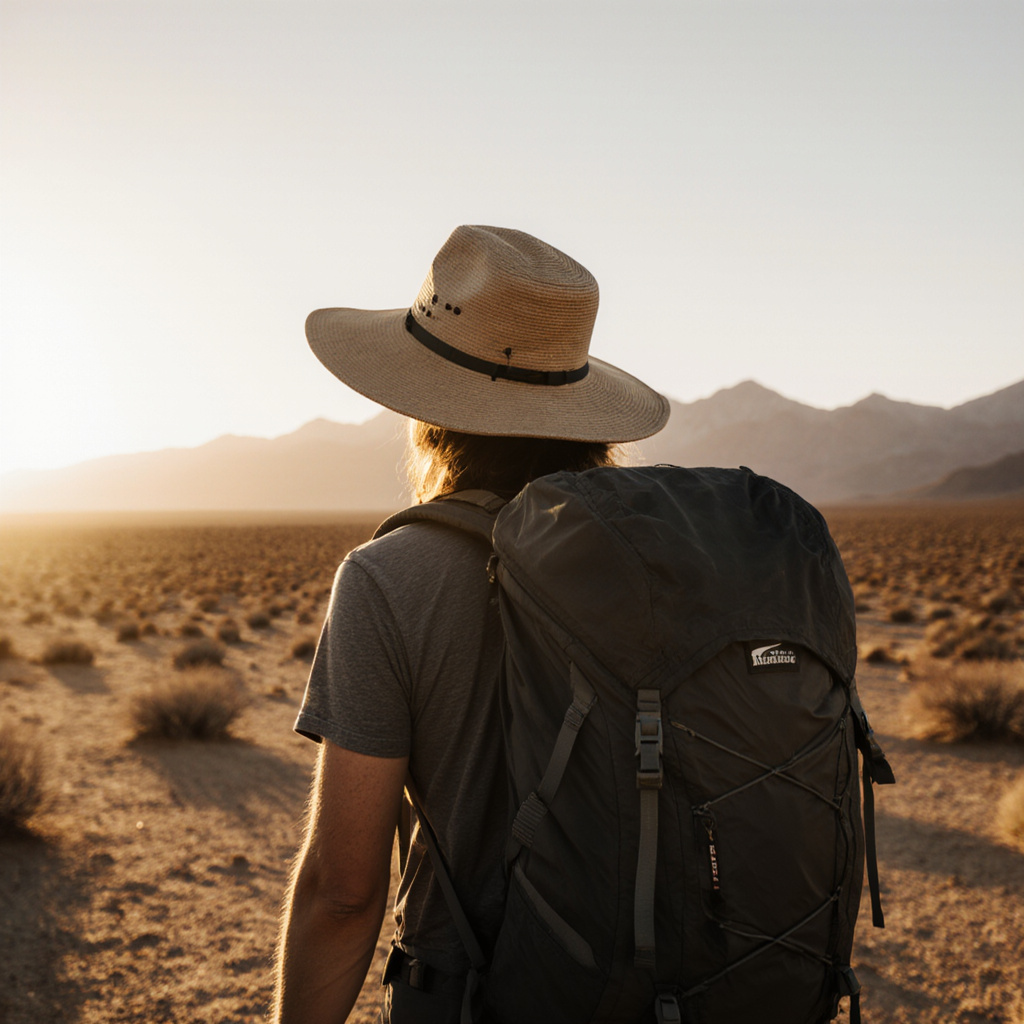
Forget the notion that less clothing is better in the heat. In the desert, sun protection is paramount. Opt for lightweight, loose-fitting, and light-colored clothing made from breathable, moisture-wicking fabrics. Long sleeves and pants, while seemingly counterintuitive, protect your skin from intense UV radiation and can actually keep you cooler by preventing direct sun exposure. A wide-brimmed hat is non-negotiable for shielding your face, ears, and neck, and high-quality sunglasses will protect your eyes from glare and UV rays.
Footwear: Your Foundation on Rocky Terrain
Sturdy, broken-in hiking boots or trail shoes with good ankle support and aggressive tread are essential for navigating rocky, sandy, and uneven desert terrain. Ensure they are comfortable and consider wearing moisture-wicking socks to prevent blisters, which can quickly derail a trip in hot conditions.
Navigation: Don’t Get Lost in the Labyrinth
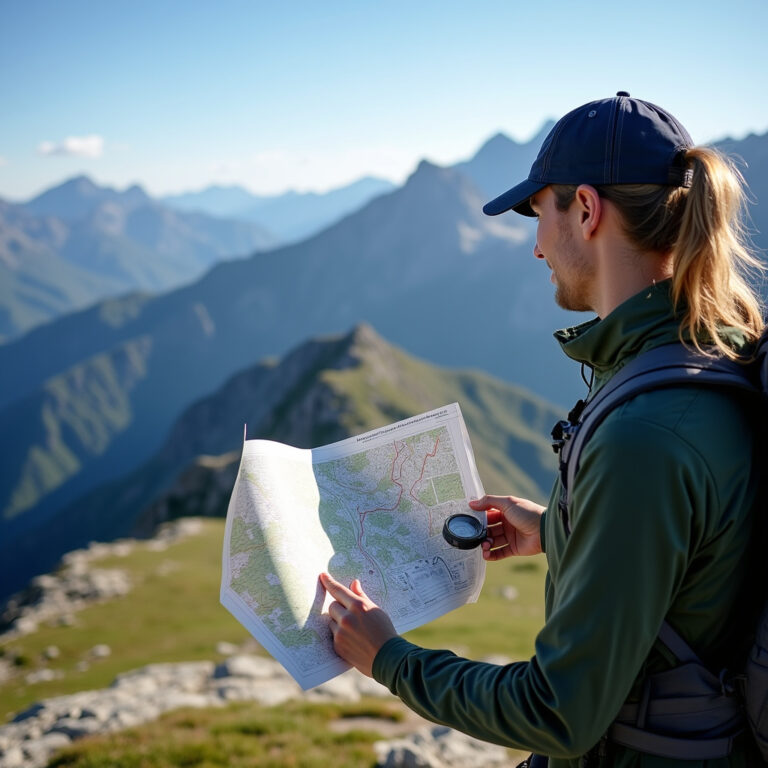
Desert landscapes can be deceptively uniform, making it easy to lose your way. Always carry a physical map and compass, and know how to use them. Supplement these with a reliable GPS device or a smartphone with downloaded offline maps and a fully charged power bank. Do not rely solely on your phone, as signal is often nonexistent, and batteries drain quickly in extreme temperatures.
Sun Protection & Emergency Essentials
Beyond clothing, liberal application of high-SPF sunscreen to all exposed skin and SPF lip balm is crucial. Pack a comprehensive first-aid kit that includes supplies for blisters, cuts, and, critically, items to address heat-related illnesses (e.g., rehydration salts, pain relievers). A whistle, signal mirror, headlamp or flashlight (even for day hikes, in case you’re delayed), and a fire starter (for emergency signaling, not campfires in dry areas) are also vital additions to your emergency kit. Carry salty snacks and easily digestible foods to maintain energy and electrolyte balance.
Planning Your Expedition: Knowledge is Power
Thorough planning is the bedrock of a successful desert hike.
Timing is Everything
Avoid hiking during the hottest parts of the day, typically between 10 AM and 4 PM. Early morning starts, often before sunrise, or late afternoon/evening hikes are preferable when temperatures are more forgiving. Be aware that desert nights can be surprisingly cold, so prepare for temperature swings.
Route Selection and Informing Others
Choose trails that match your fitness level and experience. Research the trail thoroughly, including water sources (or lack thereof), potential hazards, and elevation changes. Always inform a trusted friend or family member of your exact hiking plans, including your route, expected return time, and who to contact if you don’t check in.
Weather Watch
Desert weather can be unpredictable. Check the forecast before you go, paying attention not only to high temperatures but also to wind, which can exacerbate dehydration and create dust storms. Be aware of flash flood risks, even if there’s no rain directly where you are.
Staying Safe in the Heat: Recognizing and Responding to Illness
Understanding the signs of heat-related illness is paramount. The Centers for Disease Control and Prevention (CDC) provides excellent guidance on this. Heat cramps are often the first sign, followed by heat exhaustion, and finally, the life-threatening heat stroke.
- Heat Cramps: Muscle pains or spasms, usually in the abdomen, arms, or legs.
- Heat Exhaustion: Heavy sweating, cold/clammy skin, fast/weak pulse, nausea or vomiting, muscle cramps, tiredness, weakness, dizziness, headache, fainting.
- Heat Stroke: High body temperature (103°F or higher), hot/red/dry or damp skin, fast/strong pulse, headache, dizziness, nausea, confusion, loss of consciousness. This is a medical emergency—call 911 immediately.
If you or a hiking partner experience symptoms of heat exhaustion, move to a cool, shaded area immediately. Lie down and loosen clothing. Sip water or an electrolyte drink. Apply cool, wet cloths to the body or take a cool bath if possible. If symptoms worsen or don’t improve, seek emergency medical help.
Finally, always practice Leave No Trace principles. Pack out everything you pack in, stay on marked trails, and respect wildlife and delicate desert ecosystems. The beauty of the desert is fragile, and it’s our responsibility to preserve it for future generations.
Embrace the Desert, Prepared
Desert hiking offers an unparalleled opportunity for adventure and introspection. By prioritizing hydration, equipping yourself with the right gear, meticulously planning your trip, and understanding how to stay safe in the heat, you can unlock the magic of these incredible landscapes. Go forth, explore, and let the wild beauty of the desert inspire you—responsibly and safely.