How to Stay Dry in the Rain: A Guide to Waterproof Gear
There are few things as universally unpleasant during an outdoor adventure as being thoroughly soaked. What begins as minor discomfort can quickly escalate into a serious hazard, turning a memorable trip into a miserable ordeal. Hypothermia, even in mild temperatures, becomes a real threat when your body can’t regulate its temperature due to wet clothing. This is why mastering the art of staying dry in the rain isn’t just about comfort; it’s about safety, preparedness, and ultimately, enjoying your time in nature, come what may. At WildGridScout, we believe that understanding and utilizing proper waterproof gear is fundamental to any successful outdoor excursion. Let’s dive deep into the world of staying dry.
Understanding Waterproofing: Beyond “Water-Resistant”
The terms “waterproof” and “water-resistant” are often confused, but the distinction is crucial. Water-resistant gear can repel light rain for a short period, but it will eventually saturate. True waterproof gear, however, is designed to keep water out entirely, even under sustained pressure. This is achieved through a fabric membrane or coating and sealed seams. Waterproof effectiveness is often measured by its “hydrostatic head.” Additionally, a Durable Water Repellent (DWR) finish on the outer fabric causes water to bead up and roll off, preventing the fabric from “wetting out” and allowing the underlying waterproof membrane to breathe effectively. Without DWR, even the best membrane can struggle, leading to internal clamminess.
Your Essential Gear Arsenal Against the Elements
Waterproof Outerwear: Your Primary Shield
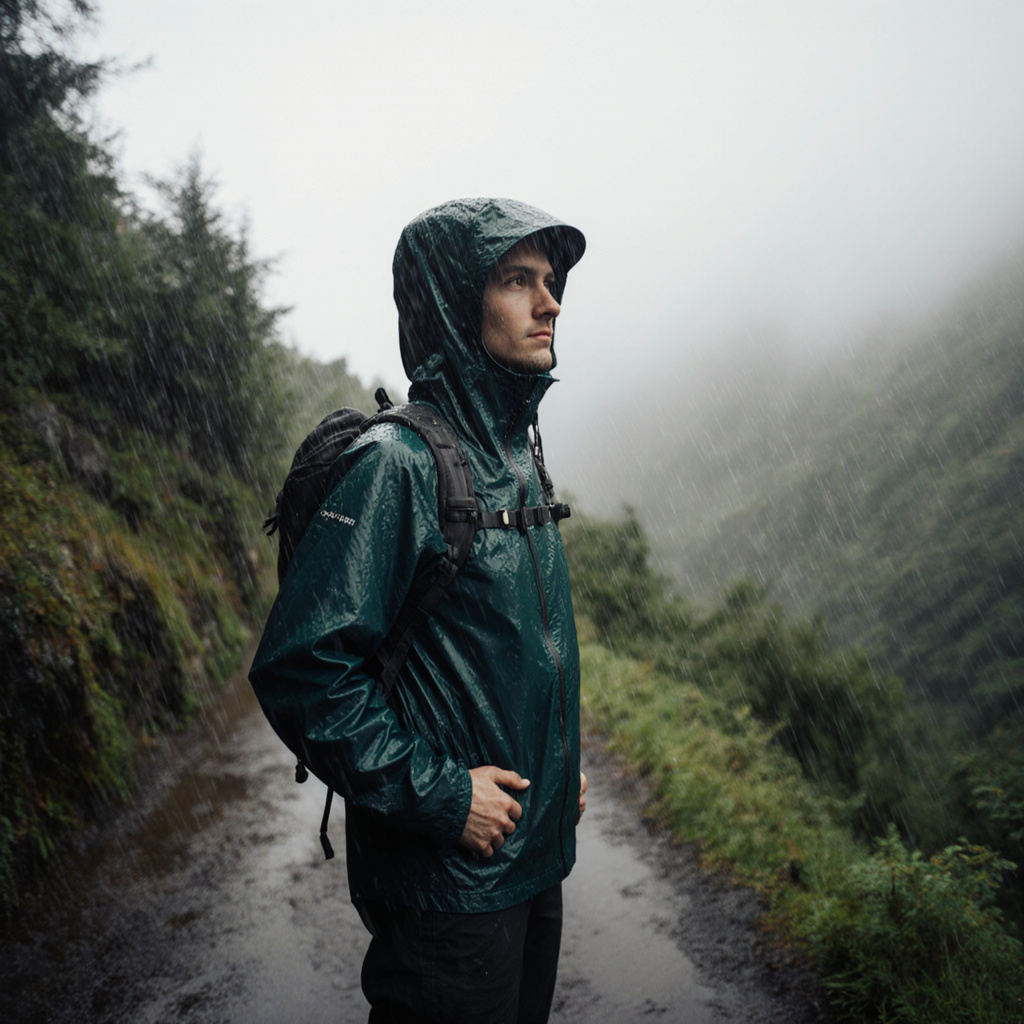
Your waterproof jacket and pants are your first line of defense. Modern waterproof shells utilize advanced technologies like Gore-Tex, eVent, and proprietary membranes (e.g., Marmot’s NanoPro, Patagonia’s H2No). These fabrics contain billions of microscopic pores – too small for water droplets but large enough for water vapor (sweat) to escape. This “waterproof-breathable” balance is crucial for preventing clamminess. Hardshell jackets commonly feature 2, 2.5, or 3-layer constructions:
- 2-layer: Membrane bonded to outer fabric, with a separate lining. Often comfortable but bulkier.
- 2.5-layer: Membrane bonded to outer fabric, with a protective inner print/spray. Lighter and more packable.
- 3-layer: Membrane bonded between outer fabric and inner liner. Most durable, breathable, and expensive, ideal for demanding conditions.
Key features to look for include adjustable hoods, waterproof zippers, and pit zips for ventilation. Rain pants should offer side zippers for easy donning over boots and improved airflow.
Dry Feet, Happy Trails: Waterproof Footwear
Wet feet are not just uncomfortable; they can lead to blisters, trench foot, and even frostbite in colder conditions. Waterproof hiking boots and shoes are essential, often featuring integrated waterproof-breathable membranes like Gore-Tex. Prioritize boots with minimal seams and a high cut to prevent water intrusion. For added protection in extremely wet environments, consider waterproof socks, though they complement, rather than replace, waterproof boots.
Safeguarding Your Essentials: Backpack Protection
A soaked pack means ruined gear. Protect your backpack and its contents with these strategies:
- Rain Covers: These fit over the outside of your pack, shedding rain. However, they don’t protect the back panel or shoulder straps, which can still get wet and transfer moisture to your back.
- Waterproof Packs: Some packs are constructed from inherently waterproof materials (e.g., Dyneema Composite Fabric) with taped seams, offering superior protection.
- Pack Liners/Dry Bags: The most reliable method is to line your pack with a durable trash compactor bag or a dedicated waterproof liner. Further safeguard critical items like electronics, sleeping bags, and spare clothing within individual dry bags or heavy-duty Ziploc bags. This “double-bagging” ensures essentials remain dry even if your main pack gets thoroughly drenched.
Your Rainy-Day Sanctuary: Tents and Tarps
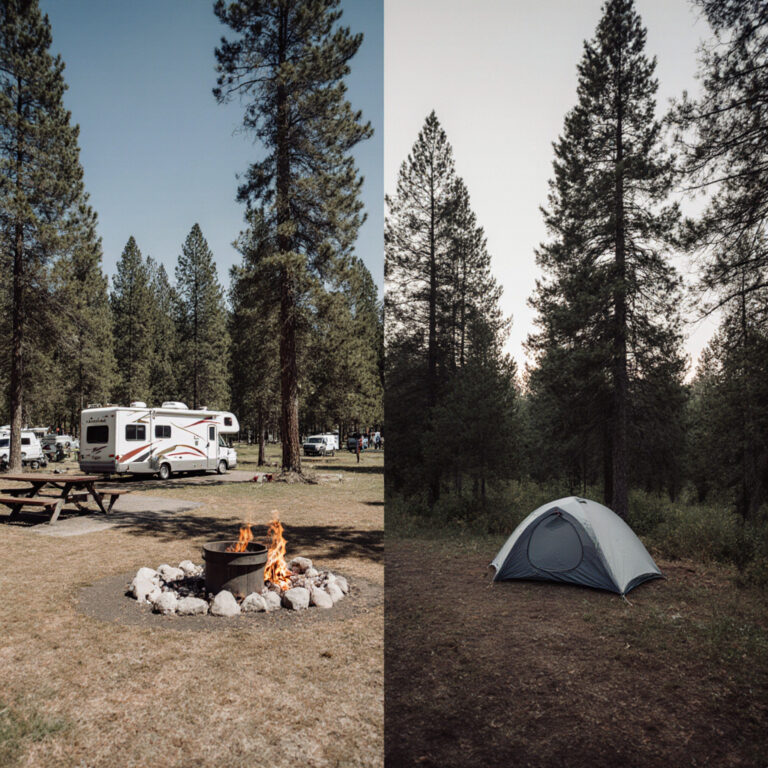
Your shelter is your ultimate refuge. Tents and tarps are typically made from waterproof fabrics like silicone-coated nylon or polyester, with factory-taped seams. Regularly inspect your tent’s fly and floor for wear, and re-seal seams or re-apply DWR as needed. Proper pitching is vital to prevent water pooling or runoff under the tent. A well-maintained shelter is paramount for a dry night’s rest.
The Essential Balance: Waterproofing and Breathability
While external moisture is an enemy, internal moisture (sweat) is equally problematic. When active, your body produces sweat that, if trapped, condenses inside your waterproof shell, making you feel wet and clammy. This is where breathability is crucial. Quality waterproof membranes allow water vapor to escape. Features like pit zips on jackets and side zips on pants are vital for ventilation, letting you regulate temperature and dump excess moisture without removing your outer layer entirely. Strive for gear that effectively keeps rain out while allowing you to remain comfortable and relatively dry from your own perspiration.
Maintaining Your Investment: Care for Waterproof Gear
Waterproof gear requires proper care to maintain its performance. Dirt, body oils, and bug spray can clog membranes and degrade DWR. Wash garments periodically with specialized technical washes (e.g., Nikwax Tech Wash, Grangers Performance Wash); avoid conventional detergents. After washing, reactivate the DWR by tumble drying on low heat, or apply a spray-on/wash-in DWR treatment if the factory finish has worn off. Always follow manufacturer’s instructions. Promptly repair tears with specialized patches to preserve waterproofing integrity.
Layering: Your Smart Strategy for All Conditions
Staying dry is part of a broader layering strategy. Your waterproof outer shell works in conjunction with your base layer (wicking moisture) and mid-layer (insulation). Crucially, avoid cotton, which absorbs moisture and dries slowly, leading to heat loss. Opt for synthetics or merino wool. A well-designed layering system allows you to adapt to changing weather, shedding layers when active and adding them when stationary or cold, ensuring you stay warm and dry from the inside out and the outside in.
Conclusion: Embrace the Rain, Stay Dry and Safe
The wilderness is inherently unpredictable, and rain is often an unavoidable part of outdoor adventures. Instead of fearing it, equip yourself with the knowledge and proper gear to conquer it. Investing in quality waterproof equipment—and understanding its use and maintenance—transforms a potential ordeal into a minor inconvenience, allowing you to truly immerse yourself in the beauty of nature, regardless of the forecast. From the advanced membranes in your jacket to the treated fabrics of your tent, every piece of waterproof gear plays a vital role in your comfort and safety. Stay smart, stay dry, and keep exploring!
Sources: REI Expert Advice (for general outdoor gear and layering principles), various outdoor gear manufacturers’ technical specifications and care guides.