Permit Workflow for a Patagonia Reserve Trip: A Step-by-Step Guide
Permit Workflow for a Patagonia Reserve Trip: A Step-by-Step Guide
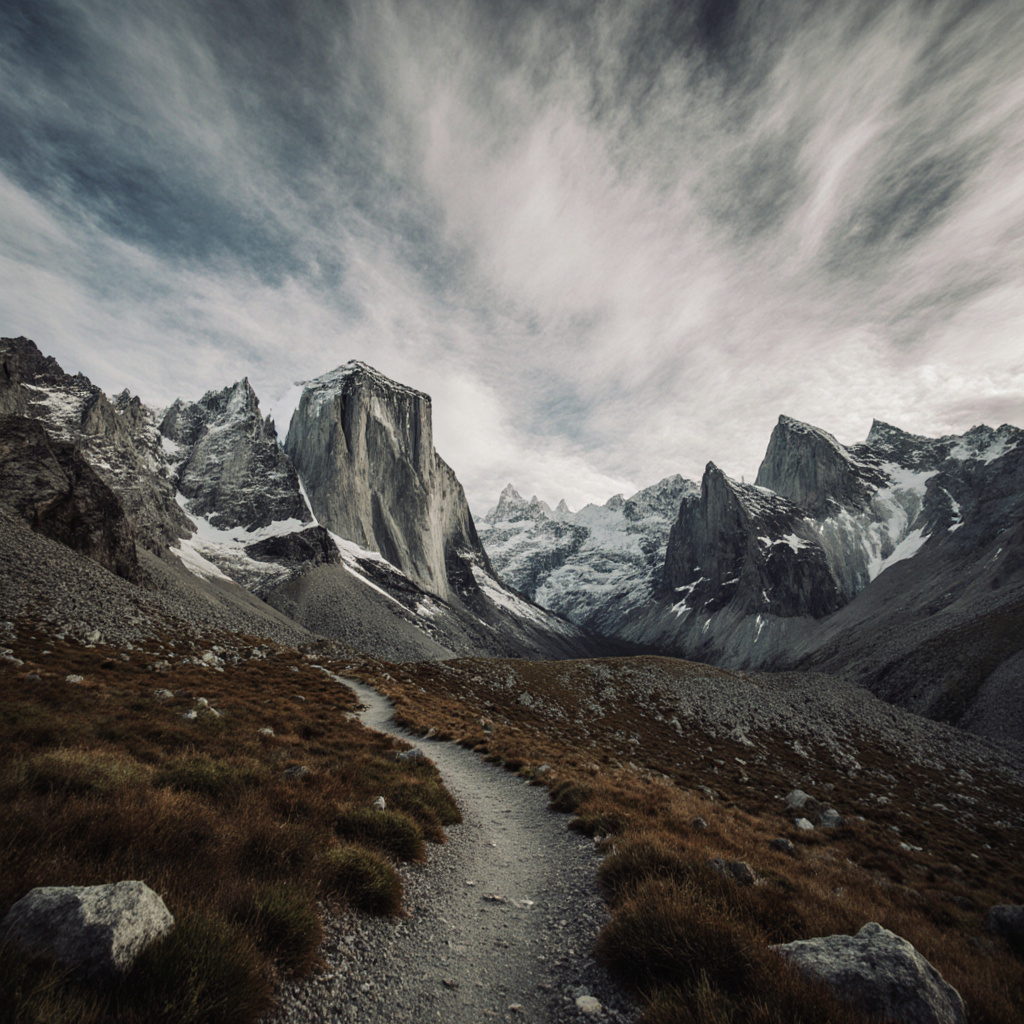
Patagonia. The name alone conjures images of jagged peaks, ancient glaciers, and windswept pampas. It’s a land of unparalleled beauty, a wild frontier that calls to the hearts of adventurers worldwide. But before you can lose yourself in its breathtaking landscapes, there’s a crucial step that often gets overlooked in the excitement of planning: securing the necessary permits. Navigating the permit workflow for a Patagonia reserve trip can seem daunting, but it’s an essential process that ensures the preservation of these pristine environments and a smooth, responsible journey for you. As advocates for practical outdoor skills and minimalist travel at WildGridScout, we believe a well-prepared trip begins long before you set foot on the trail. This step-by-step guide will demystify the process, helping you transition from dreaming to doing, responsibly and efficiently.
Why Permits Matter: Beyond Bureaucracy
You might view permits as just another hurdle, but they serve vital functions. Firstly, they help manage visitor numbers, preventing overcrowding and minimizing human impact on fragile ecosystems. Secondly, the fees often contribute directly to park maintenance, conservation efforts, and the salaries of park rangers who work tirelessly to protect these areas. Finally, permits ensure your safety by allowing park authorities to know who is in the wilderness, which is crucial in case of emergencies or unexpected weather events. Embracing the permit workflow is an act of responsible tourism, a small price to pay for the privilege of experiencing one of the world’s last great wildernesses.
Step 1: Early Research – Your Destination & Route are Key
The first and most critical step in your permit journey is thorough research. Patagonia spans two countries, Chile and Argentina, each with its own national park systems and regulations. Even within a single country, different parks and reserves have varying rules. Are you aiming for the iconic W or O trek in Torres del Paine National Park (Chile)? Or perhaps the Fitz Roy and Cerro Torre trails in Los Glaciares National Park (Argentina)?
- Identify Your Specific Destination: Pinpoint the exact national park, provincial reserve, or private land you intend to visit.
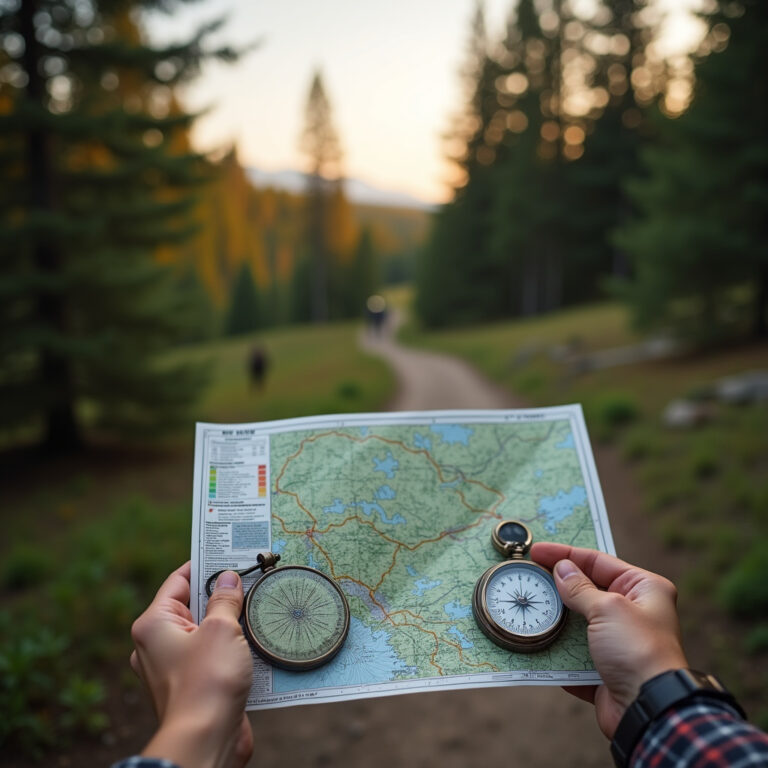
- Map Your Route: For multi-day treks, understand the exact trail, campsites, and refugios you plan to use. This level of detail is often required for permit applications.
- Consult Official Sources: Always prioritize official park websites (e.g., CONAF for Chile, Administración de Parques Nacionales for Argentina) and reputable tourism boards. These are the most accurate sources for current regulations, permit requirements, and booking procedures.
Step 2: Understand Seasonal Restrictions & Booking Windows
Patagonia is a seasonal destination. The austral summer (December to February) is peak season, characterized by longer daylight hours and generally more stable weather, but also by higher visitor numbers and competitive permit availability. Shoulder seasons (November and March) can offer a quieter experience with variable weather, while winter (June to August) often sees many trails and services closed due to snow and ice.
- Peak Season Popularity: For famous treks like the Torres del Paine ‘W’ or ‘O’, permits and campsite reservations during peak season can sell out months in advance.
- Booking Openings: Be aware of when booking windows open for the season you plan to visit. Mark these dates on your calendar and be ready to book as soon as they become available.
- Weather Adaptability: Even with permits, be prepared for rapidly changing weather conditions at any time of year.
Step 3: Secure Park Entrance & Trekking Permits
This is often a two-tiered process:
- National Park Entrance Fee: Most national parks in Patagonia require an entrance fee. In some cases, this can be paid upon arrival at the park gate, but increasingly, parks are moving towards online pre-payment systems to reduce queues and manage entry numbers. Always check the specific park’s website for the most current information.
- Specific Trekking or Zone Permits: For certain popular multi-day treks or sensitive areas, you might need an additional permit beyond the general park entrance. For example, some sections of the ‘O’ circuit in Torres del Paine require specific reservations for each night’s camping. These permits often require you to provide personal details, intended route, and dates.
Be prepared to input passport information, emergency contacts, and potentially a proposed itinerary. Double-check all details before submission.
Step 4: Don’t Forget Camping & Refuge Reservations
For multi-day treks, securing your overnight accommodations is as crucial as your park entrance. In many Patagonia parks, particularly in Chile, wild camping is strictly prohibited outside designated campsites. These campsites, whether run by the park service (CONAF, APN) or private operators (e.g., Fantastico Sur, Vertice Patagonia in Torres del Paine), often require advance booking. Refugios (mountain lodges) also operate on a reservation basis and can fill up quickly.
- Book Campsites Individually: For many treks, you’ll need to book each night’s campsite separately along your route. This means your permit workflow becomes intertwined with your accommodation strategy.
- Confirmation is Key: Print out or digitally save all booking confirmations. Rangers will often check these at various points along the trail.
- Limited Capacity: Adhere to the capacity limits. Overbooking or showing up without a reservation can result in being turned away or fined, and it puts strain on facilities.
Step 5: Understanding & Adhering to Regulations: Leave No Trace
Obtaining your permits isn’t the end of your responsibilities; it’s the beginning of your commitment to responsible wilderness travel. Every permit comes with implicit or explicit regulations designed to protect the environment and ensure safety. A core principle for any Patagonia trip, and indeed any outdoor adventure, is Leave No Trace. Adhering to these principles is not just good practice; it’s often a condition of your permit.
- Stay on Marked Trails: This prevents erosion and protects delicate flora.
- Pack It In, Pack It Out: Absolutely everything you carry in must come out, including all waste, food scraps, and toilet paper.
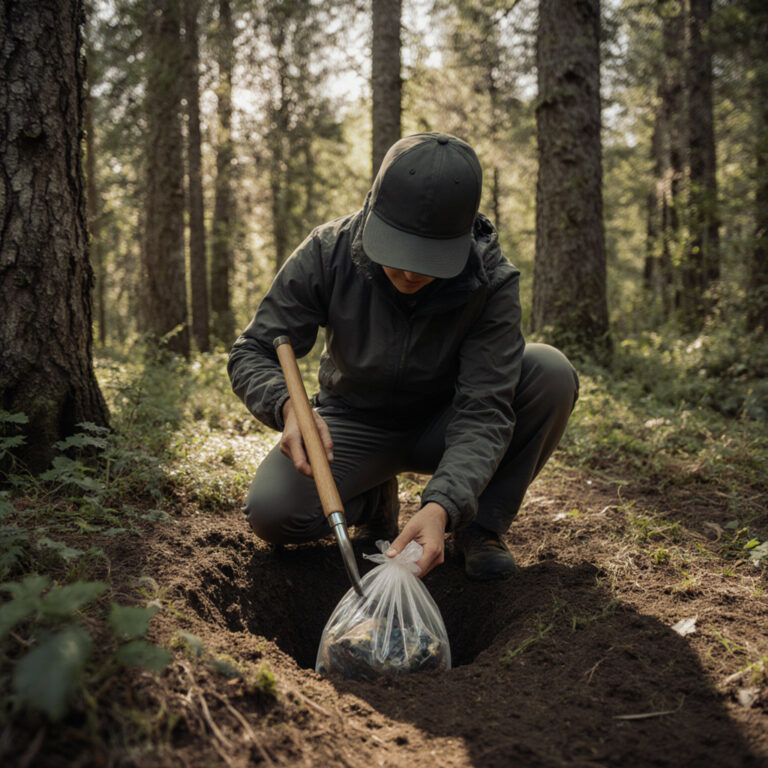
- Proper Waste Disposal: Utilize designated toilets and waste bins where available. If not, know how to properly bury human waste (200 feet from water sources, trails, and campsites, in a cathole 6-8 inches deep).
- Respect Wildlife: Observe from a distance, never feed animals, and store food securely to prevent attracting wildlife.
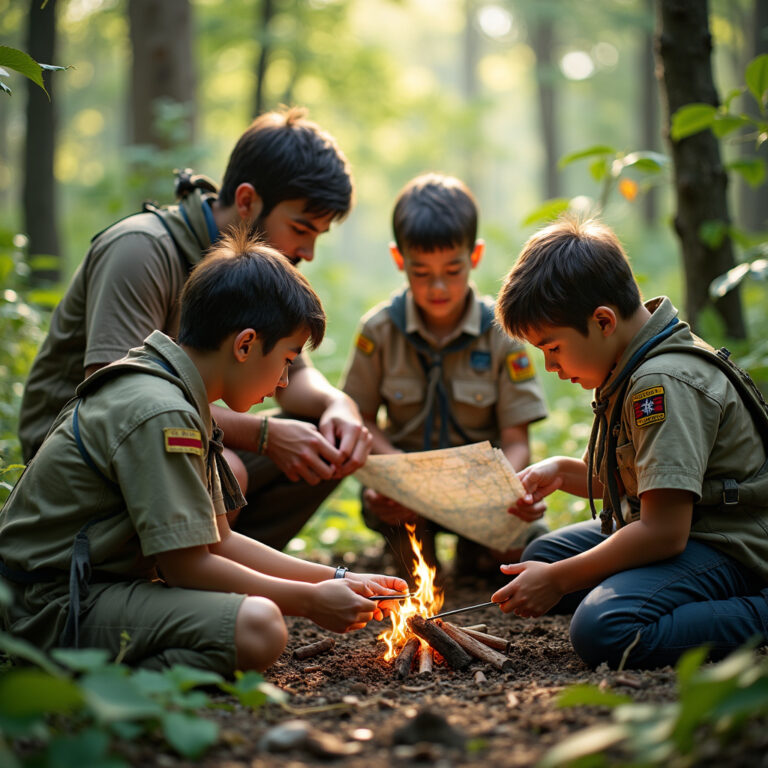
- Campfire Regulations: In many Patagonian parks, open fires are strictly prohibited due to the high risk of wildfires. Always check current regulations for your specific campsite or area. Use gas stoves for cooking.
Understanding and respecting these rules is part of being a true WildGridScout. Your minimalist gear choices should also reflect this ethos—pack light, pack smart, and only bring what you need to minimize your impact.
Step 6: Essential Documentation & Final Preparation
Once your permits and reservations are secured, your final preparation involves organizing your documentation and ensuring you have the right gear.
- Print & Digital Copies: Carry both physical printouts and digital copies on your phone or cloud storage of all your permits, reservations, passport, and emergency contact information.
- Identification: Keep your passport handy, as it will likely be checked at park entrances and refugios.
- Travel Insurance: Ensure you have comprehensive travel insurance that covers emergency evacuation and medical expenses, especially for remote wilderness areas.
- Gear Check: Double-check your essential outdoor gear: waterproof layers, sturdy hiking boots, appropriate sleeping system, navigation tools (map, compass, GPS), and a well-stocked first-aid kit. Minimalist packing doesn’t mean sacrificing essentials, but rather making intelligent, multi-functional gear choices.
Conclusion: Plan Ahead, Explore Responsibly
Embarking on a Patagonia reserve trip is an experience of a lifetime, a true test of spirit and an immersion in nature’s grandeur. While the permit workflow might seem like a bureaucratic tangle, approaching it systematically and well in advance will save you headaches and ensure you contribute positively to the preservation of this incredible region. At WildGridScout, we believe that responsible adventurers are the best kind of adventurers. So, do your homework, secure your permits, pack light, and get ready to answer the call of the wild. Patagonia awaits!
Sources: Information based on general permit and booking procedures common in Patagonian national parks, including publicly available guidelines from park authorities like CONAF (Chile) and Administración de Parques Nacionales (Argentina), and Leave No Trace principles. Specific booking platforms and detailed regulations should always be verified on official park websites for your chosen destination.