Shelter Comparison for Coastal Storms: Tents vs. Bivy Sacks
Introduction
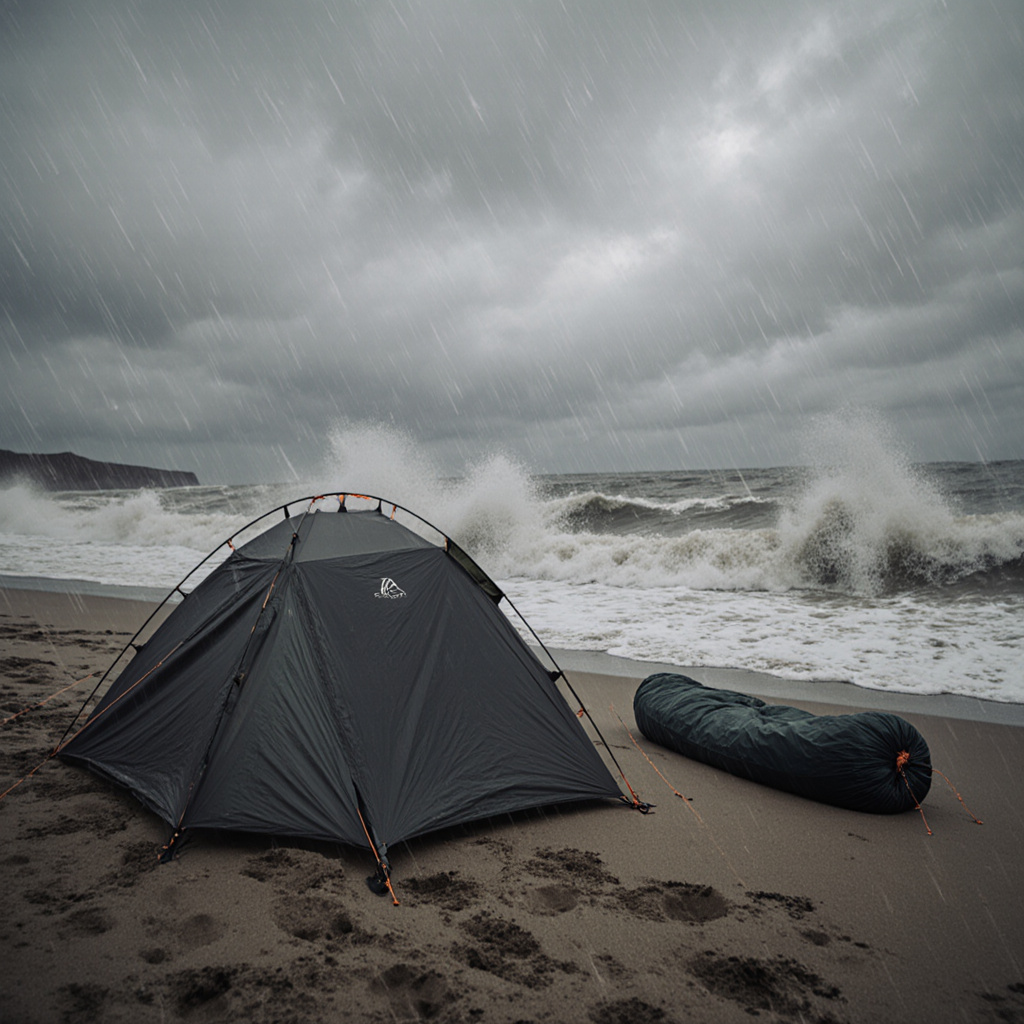
When the call of the wild leads you to the rugged beauty of the coast, especially during the unpredictable shoulder seasons or when a storm brews on the horizon, your choice of shelter becomes paramount. Coastal environments are a unique beast, presenting a formidable challenge to even the most seasoned outdoors enthusiast. Relentless winds, driving rain, and the pervasive grit of sand demand gear that can stand up to the test. For those venturing into these exposed landscapes, the age-old debate often boils down to two primary contenders: the robust protection of a tent versus the minimalist efficiency of a bivy sack.
At WildGridScout, we’re all about equipping you with the practical skills and minimalist gear insights to make your adventures weekend-ready. Today, we’ll dive deep into comparing these two shelter types, helping you decide which will be your best ally when facing down a coastal storm.
The Unique Challenges of Coastal Storms
Based on extensive outdoor experience and general consensus among wilderness experts, coastal storms aren’t just about rain; they’re a symphony of meteorological fury.
- Wind: Often the most destructive element, coastal winds can be sustained and violent, constantly battering your shelter.
- Driving Rain & Salt Spray: Rain often comes horizontally, propelled by wind, and combines with corrosive salt spray, testing the waterproofing and durability of fabrics to their absolute limit.
- Sand Infiltration: Fine sand, whipped up by the wind, can find its way into every crevice, clogging zippers and abrading fabrics.
- Humidity: Even without rain, the high humidity can contribute significantly to internal condensation.
- Exposure: Lack of natural windbreaks means you’re often fully exposed to the elements.
Understanding these challenges is the first step in choosing a shelter that won’t leave you soaked and miserable.
Tents: The Traditional Fortress
For many, a tent is the quintessential outdoor shelter, offering a home-away-from-home experience.
Pros of Tents for Coastal Storms:
- Superior Weather Protection: Modern tents, especially 4-season designs, are engineered to withstand extreme weather. Their multi-wall construction (inner tent, rainfly) provides an excellent barrier against wind, rain, and even snow.
- Spaciousness & Comfort: The ability to sit up, spread out, and perform tasks like changing clothes or cooking (carefully, in the vestibule) is a significant comfort advantage, especially during prolonged storm waits.
- Gear Storage: Vestibules offer dedicated, protected space for wet gear, boots, and backpacks, keeping your sleeping area dry and clear.
- Psychological Comfort: The enclosed space and feeling of robust protection can significantly boost morale in adverse conditions.
- Ventilation Options: While condensation can still be an issue, many tents offer multiple vents and doors, allowing for better airflow control compared to a bivy.
Cons of Tents for Coastal Storms:
- Weight and Bulk: Tents are inherently heavier and bulkier than bivy sacks, a significant consideration for minimalist packers or long-distance trekkers.
- Setup Difficulty in Wind: Pitching a tent, particularly a larger one, in howling coastal winds can be a wrestling match, risking damage to poles or fabric if not done correctly.
- Condensation: Despite ventilation, condensation can still accumulate inside, especially in humid coastal air.
- Sand Management: Sand can infiltrate the tent interior, abrade zippers, and make cleaning a chore.
- Cost: High-quality, storm-worthy tents are a considerable investment.
Coastal Tent Considerations:
Opt for a freestanding or semi-freestanding tent with a robust pole structure, a full-coverage rainfly that extends close to the ground, and plenty of strong guylines. Look for tents designed for 4-season use or those specifically reviewed for high wind performance. Crucially, pack sand stakes or deadman anchors to secure your tent firmly in soft ground.
Bivy Sacks: The Minimalist’s Embrace
A bivy (bivouac) sack is essentially a waterproof, breathable cover for your sleeping bag, offering a step up from sleeping directly under the stars.
Pros of Bivy Sacks for Coastal Storms:
- Ultra-Light and Compact: This is where bivy sacks truly shine. They add minimal weight and bulk to your pack, making them ideal for fast-and-light trips or when every ounce counts.
- Rapid Setup and Takedown: A bivy sack can be deployed in seconds, a huge advantage when a sudden squall hits or you need to make a quick camp.
- Excellent Wind Resistance: Their low profile and direct contact with the ground make them incredibly stable in high winds, offering minimal surface area for gusts to catch.
- Stealth and Versatility: Bivies allow for discreet camping in places where a tent might be too conspicuous or impractical to pitch.
Cons of Bivy Sacks for Coastal Storms:
- Cramped & Confined: The biggest drawback. There’s no room to move beyond lying down, which can lead to claustrophobia, especially during extended bad weather.
- Condensation Issues: While made with breathable fabrics, the small internal volume and close proximity to your body mean condensation is almost inevitable, potentially dampening your sleeping bag.
- No Gear Storage: All your other gear (pack, boots, clothes) remains outside, exposed to the elements unless you have an additional tarp or dry bags.
- Limited Protection from Driving Rain/Splash: While waterproof, a bivy sack won’t protect you from sandblasting or splash-back as effectively as a tent’s multi-wall design, nor does it offer a dry space to manage wet gear.
- Less Comfortable for Long Waits: Being confined to your sleeping bag for hours on end during a storm can be mentally taxing.
Coastal Bivy Considerations:
Prioritize a bivy sack with a high-quality waterproof/breathable membrane (e.g., Gore-Tex, Pertex Shield), a fully taped waterproof floor, and a well-designed hood that can be cinched down tight to keep rain and sand out. Look for models with a small pole to create headroom, mitigating some claustrophobia and improving airflow.
Head-to-Head: Coastal Storm Showdown
- Wind Resistance: Bivy (due to low profile) often excels, but a well-pitched 4-season tent can also stand strong.
- Rain Protection: Tent (multi-layered protection, vestibule for gear, space to avoid wet walls).
- Sand Management: Tent (inner tent offers a barrier, though sand still enters). Bivy offers no barrier for external gear.
- Comfort in Storm: Tent (ability to sit up, move, store gear).
- Weight/Packability: Bivy (hands down).
- Setup Speed in Elements: Bivy (quicker, less struggle with wind).
- Cost: Bivy sacks are generally less expensive than high-quality storm tents.
Making Your Choice
Your ideal shelter largely depends on your specific trip, preferences, and experience:
- For Multi-Day Backpacking & Max Comfort: If your trip involves several days, potential prolonged storm waits, or you simply prioritize comfort and gear management, a robust 3- or 4-season tent is likely your best bet.
- For Fast & Light Missions & Experienced Minimalists: If you’re an experienced outdoors person prioritizing speed, low weight, and are comfortable with minimalist living, a quality bivy sack can be an incredibly effective tool for coastal overnights.
- Consider a Hybrid Approach: Some minimalist adventurers combine a bivy sack with a lightweight tarp for added gear protection and a small dry living space, offering a balance of weight and utility.
Essential Coastal Storm Camping Tips (Regardless of Shelter)
No matter your choice, preparedness is key:
- Site Selection: Seek out any natural windbreaks (dunes, large rocks, dense vegetation) while being mindful of tides and storm surge. Avoid pitching in depressions that could flood.
- Anchoring is Everything: For tents, use all guylines and strong, deep-penetrating stakes (sand stakes or deadman anchors). For bivies, ensure you’re on stable ground.
- Weather Monitoring: Always check the forecast religiously before and during your trip. Coastal weather can change rapidly.
- Layering: Pack appropriate waterproof and insulating layers. Even if your shelter holds, staying warm and dry inside it is crucial.
- Dry Bags: Use multiple dry bags for all critical gear, regardless of your primary shelter.
- Practice: Set up your chosen shelter in windy, wet conditions at home before venturing into a real coastal storm.
Conclusion
Navigating coastal storms requires respect for nature’s power and reliance on dependable gear. Both tents and bivy sacks offer viable shelter solutions, each with distinct advantages and disadvantages. A tent provides a more luxurious, secure haven for enduring the worst, while a bivy offers unparalleled lightness and agility for the minimalist explorer. The “best” choice isn’t universal; it’s the one that aligns with your adventure style, comfort needs, and the specific challenges of your coastal expedition. Choose wisely, practice often, and may your WildGridScout adventures always be safe and memorable!