Sierra Nevada in 72: Mastering the Ultralight Weekend Backpacking Challenge
The Sierra Nevada. A granite wonderland, a realm of sky-piercing peaks, crystalline alpine lakes, and forests that whisper ancient tales. For many, the idea of exploring this iconic range conjures images of multi-week expeditions, laden packs, and arduous journeys. But what if we told you that the breathtaking beauty of the High Sierra is entirely within reach for a transformative, ultralight weekend adventure? At WildGridScout, we’re all about making the wilderness accessible, and an ultralight approach to the Sierra Nevada is your golden ticket to experiencing its majesty without the burden.
The Ultralight Ethos: Why Less is More in the Sierra
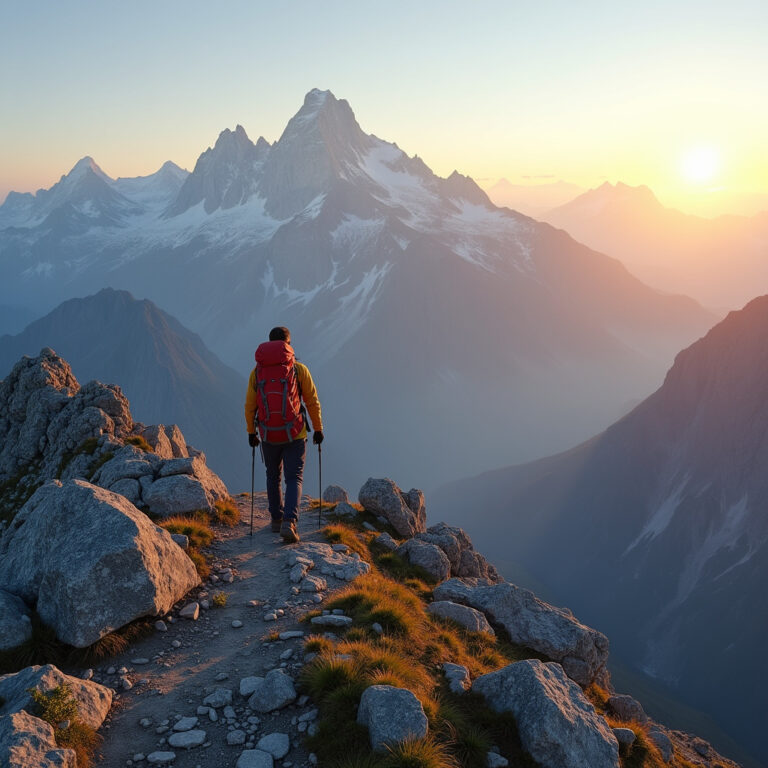
The philosophy of ultralight backpacking isn’t just about saving weight; it’s about enhancing your experience. By shedding unnecessary bulk, you move faster, feel less fatigued, and are more attuned to your surroundings. Imagine floating up switchbacks, your shoulders free from crushing weight, with energy left to explore a hidden cirque or linger by a sapphire lake as the sun dips below a granite ridge. For a 72-hour Sierra Nevada trip, going ultralight means:
- Increased Mobility: Cover more ground comfortably, or simply enjoy your chosen campsite more fully.
- Reduced Impact: Smaller packs often lead to a more mindful approach to your footprint.
- Enhanced Enjoyment: Less discomfort means more focus on the awe-inspiring scenery and the sheer joy of being outdoors.
This isn’t about sacrificing safety or comfort entirely, but rather making intelligent, multi-functional gear choices and packing only what is truly essential for the conditions.
Crafting Your Weekend Route: A Sierra Sneak Peek
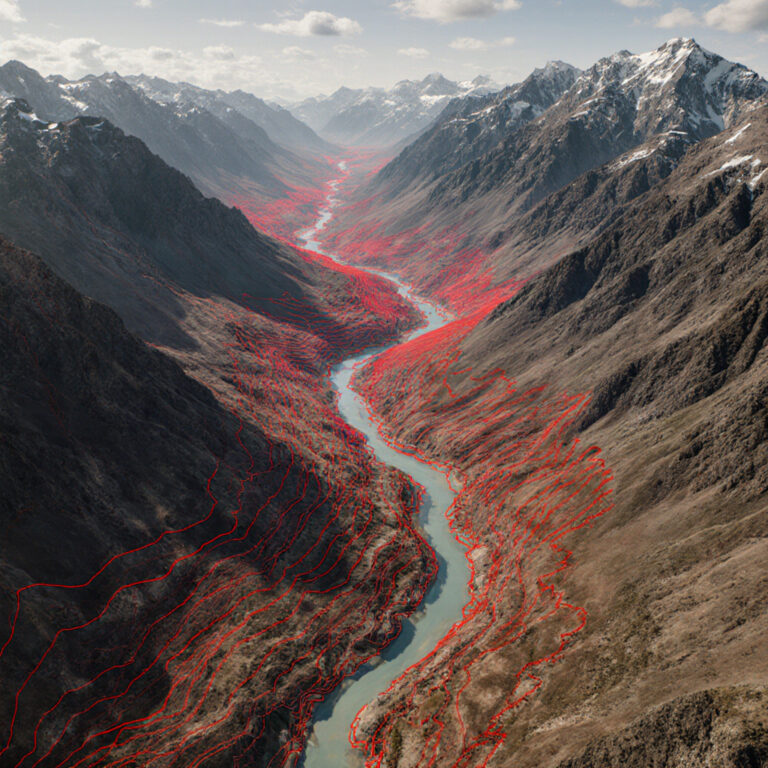
While the Sierra offers countless possibilities, a weekend ultralight trip often involves targeting a specific section. Consider a loop within the Yosemite Wilderness accessible from Tioga Road (when open), or a section of the John Muir Wilderness or Ansel Adams Wilderness. For a 72-hour adventure, aim for routes that are challenging yet achievable, typically covering 20-30 miles with significant elevation gain. Look for trailheads with good access, ideally allowing you to create a loop or a short shuttle. Always consult detailed topographic maps and recent trail reports. While we can’t provide GPX links here, platforms like AllTrails or Caltopo are invaluable for finding and planning routes, where you can often download GPX files.
The Ultralight Arsenal: Gear for a Sierra Weekend
Every ounce counts when you’re aiming for an ultralight experience. Here’s a breakdown of your essential kit, keeping functionality and weight at the forefront:
The Big Three (Aim for 5 lbs or less combined)
- Shelter: Ditch the heavy tent. A lightweight tarp, a minimalist tent (e.g., a single-wall trekking pole tent), or even a bivy sack combined with a tarp can save significant weight. Ensure it offers adequate protection from potential Sierra thunderstorms and wind.
- Sleep System: A lightweight down quilt (20-30°F rated for summer/early fall in the Sierra) paired with an inflatable sleeping pad (R-value of 3 or higher) will keep you warm and comfortable without excessive bulk.
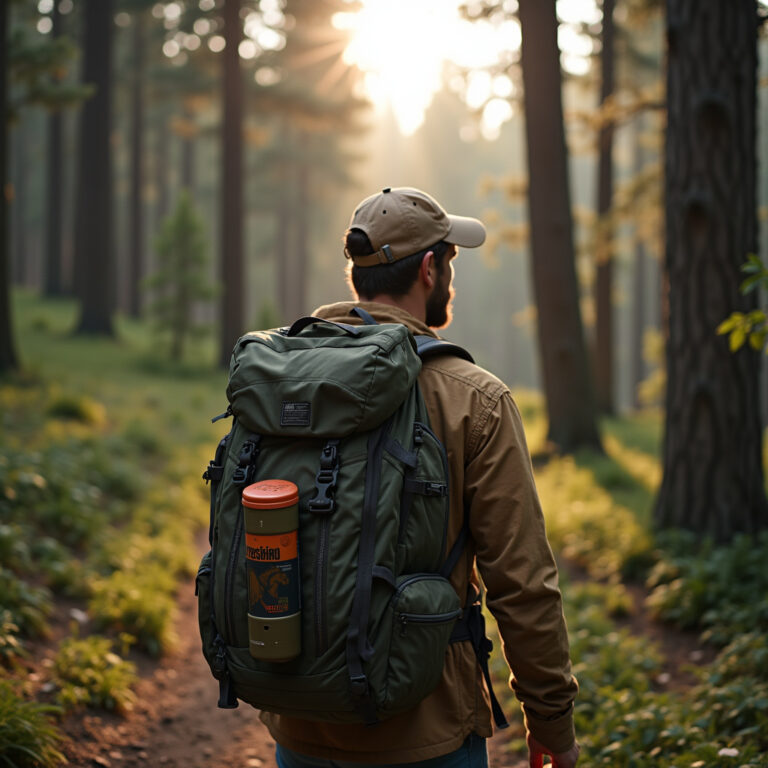
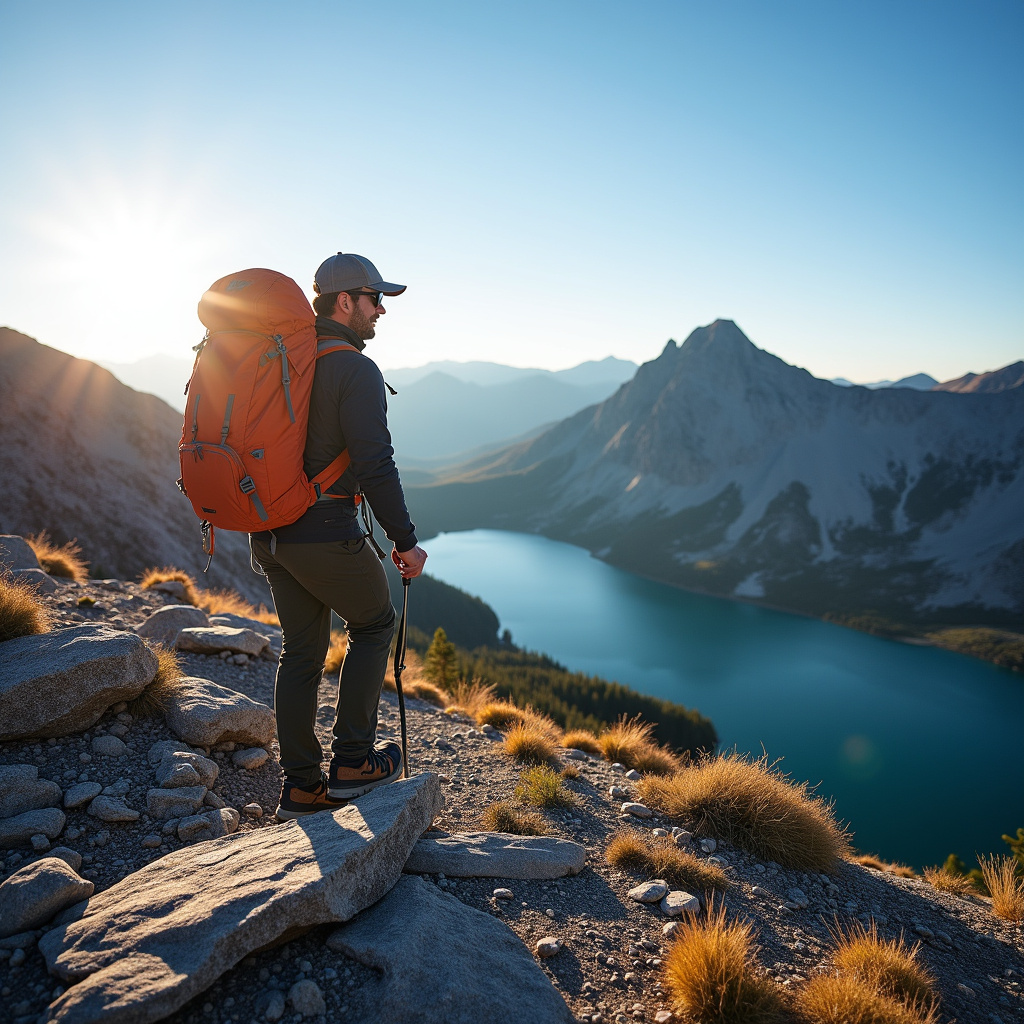
- Backpack: Choose a pack in the 30-50 liter range designed for ultralight loads. Look for frameless or minimal-frame options with sufficient external pockets for quick access.
Clothing: Layering is Key
Sierra weather can be unpredictable, even in summer. Pack layers, not bulk.
- Base Layer: Merino wool or synthetic long-sleeve top and bottom for wicking sweat and warmth.
- Mid-Layer: Lightweight fleece or a thin puffy jacket.
- Outer Layer: A waterproof and windproof rain jacket and pants are non-negotiable.
- Camp Clothes: A lightweight puffy vest or jacket for chilly evenings.
- Headwear: Sun hat, warm beanie.
- Gloves: Lightweight liner gloves, potentially a waterproof shell.
Remember a fresh pair of socks (wool or synthetic) and underwear. Hiking pants or shorts designed for quick-drying are ideal.
Kitchen & Hydration: Efficient Fuel for Your Journey
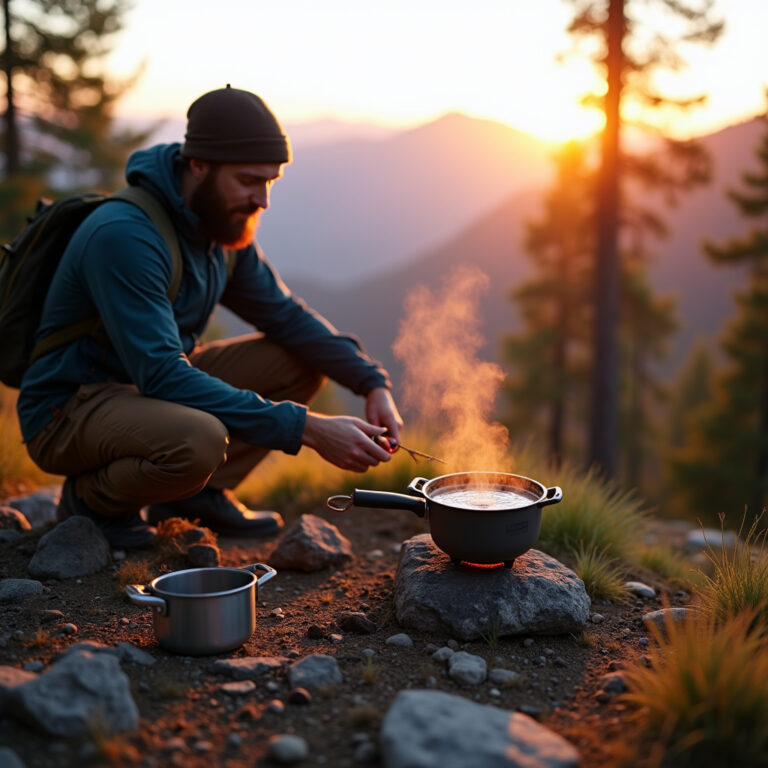
- Stove System: A minimalist canister stove (e.g., MSR PocketRocket 2, Soto WindMaster) with a small fuel canister and a titanium pot is highly efficient. For warmer conditions, cold soaking meals can eliminate the stove entirely.
- Food: Focus on calorie-dense, dehydrated, and no-cook options. Pre-package meals to reduce waste.
- Water Filtration: A Sawyer Squeeze or Katadyn BeFree filter is crucial. Carry at least 2 liters of water capacity (bottles or collapsible bladders). The Sierra has abundant water sources, but always filter or treat.
Navigation & Safety: Your Lifelines
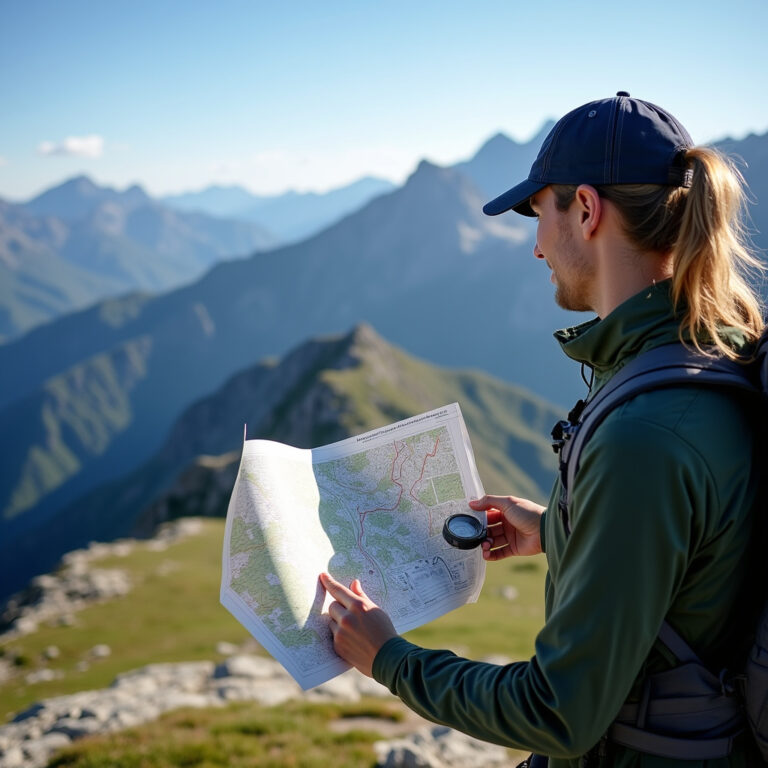
- Map & Compass: Always carry a physical topographic map of your route and know how to use it.
- GPS Device/Smartphone App: A dedicated handheld GPS or a smartphone with downloaded offline maps (e.g., Gaia GPS, Caltopo) is highly recommended. Carry a portable power bank for your phone.
- Headlamp: Essential, with extra batteries.
- First-Aid Kit: A compact, personalized kit for blisters, minor cuts, pain relief, and any personal medications.
- Emergency Shelter: A lightweight emergency bivy or space blanket.
- Signaling Device: Whistle, small mirror.
- Sun Protection: Sunscreen, sunglasses.
- Knife/Multi-tool: Lightweight option.
- Bear Canister: Mandatory in many Sierra wilderness areas. Do not skip this!
Planning and Preparation: Beyond the Gear List
An ultralight trip isn’t just about what you carry; it’s about thoughtful preparation:
- Permits: Wilderness permits are often required for overnight stays in the Sierra Nevada, especially during peak season. Research and reserve these well in advance through the respective National Park or Forest Service websites (National Park Service, USDA Forest Service).
- Fitness: Even ultralight, the Sierra can be demanding. Train with elevation gain and practice hiking with your loaded pack.
- Leave No Trace: Practice the seven principles diligently. Pack out everything you pack in, camp on durable surfaces, and properly dispose of human waste (Leave No Trace Center for Outdoor Ethics).
- Weather: Check the forecast religiously before and even during your trip via satellite messenger if you have one. Be prepared for sudden changes, including thunderstorms and cold snaps.
Embrace the Wild: On the Trail
Once you’re on the trail, focus on enjoying the journey. Pacing yourself, staying hydrated, and nourishing your body are paramount. Take time to look around, to listen to the marmots’ whistles, to gaze at the soaring peaks, and to feel the crisp alpine air. An ultralight pack allows you the freedom to move gracefully through this magnificent landscape, creating an intimate connection with nature.
Conclusion: Your Sierra Nevada Awaits
An ultralight weekend in the Sierra Nevada is more than just a hike; it’s an immersive experience that redefines your relationship with the wilderness. By carefully curating your gear and embracing efficient planning, you unlock the door to unparalleled beauty and a profound sense of accomplishment. So, trim down your pack, hone your skills, and get ready to discover the magic of the High Sierra, one lightweight step at a time.