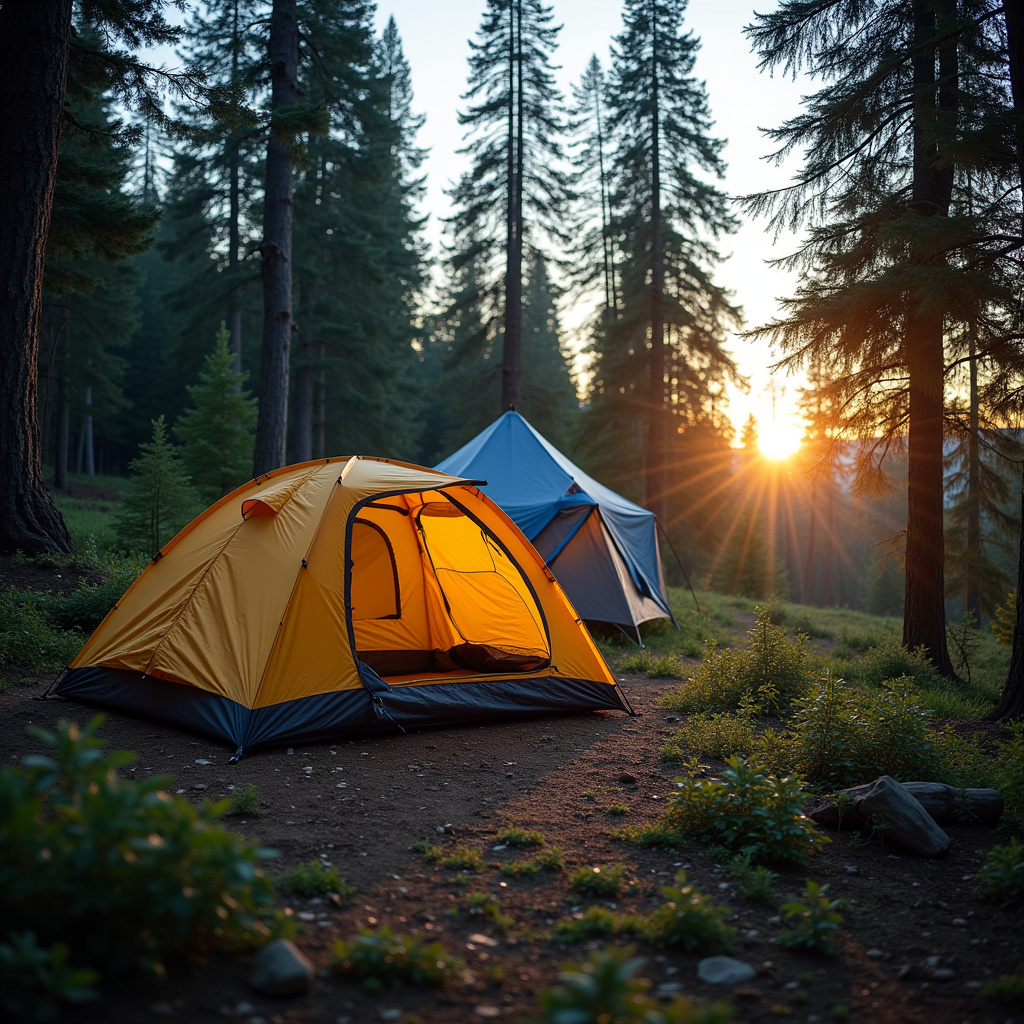
Tarp Shelters vs. Tents: Which is Right for Your Backpacking Trip?
Tarp Shelters vs. Tents: Which is Right for Your Backpacking Trip?
Backpacking offers unparalleled freedom, but choosing the right shelter can feel like navigating a maze. For many, the first image that comes to mind is a classic tent. Yet, a growing number of outdoor enthusiasts are discovering the minimalist allure of a tarp shelter. At WildGridScout, we’re all about empowering you with practical outdoor skills and minimalist gear advice, and few decisions weigh as heavily on your pack and your experience as your choice of shelter. So, when the wilderness calls, will you answer with the familiar comfort of a tent or the adaptable simplicity of a tarp? Let’s dive deep into the pros and cons to help you make an informed decision for your next adventure.
The Enduring Appeal of the Backpacking Tent
For decades, tents have been the gold standard for overnight outdoor excursions, and for good reason. They offer a self-contained, often freestanding, haven from the elements and critters alike.
Pros:
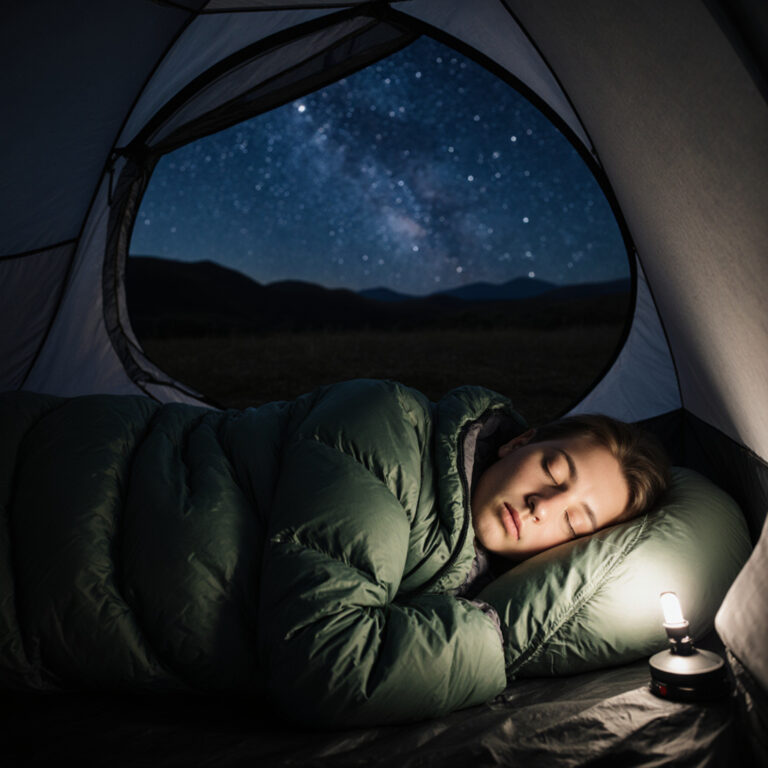
- Comprehensive Protection: Tents typically provide 360-degree protection from wind, rain, and crucially, insects. The enclosed mesh inner tent keeps biting bugs at bay, ensuring a peaceful night’s sleep.
- Privacy & Security: The opaque fabric walls offer a sense of privacy that is highly valued, especially in crowded backcountry campgrounds or when sharing a site.
- Ease of Setup (Generally): Many modern tents feature intuitive pole systems and color-coded attachments, making setup relatively quick and straightforward, even for beginners.
- Familiarity & Comfort: For many, a tent simply feels more like “home” in the wilderness, offering a greater sense of security and psychological comfort.
- Weather Resilience: Well-designed backpacking tents are engineered to withstand harsh weather conditions, from torrential downpours to gusty winds, often with a bathtub floor to prevent water ingress.
Cons:
- Weight & Bulk: This is often the biggest drawback. Even ultralight tents tend to be heavier and bulkier than a comparable tarp setup due to poles, double walls, and more fabric. This added weight can significantly impact your pack load, especially on longer trips.
- Cost: High-quality, lightweight backpacking tents can be a significant investment, often ranging from several hundred to over a thousand dollars.
- Condensation: Despite ventilation features, condensation can be an issue inside tents, especially in humid conditions, potentially leading to damp gear.
- Limited Versatility: While good at their primary function, tents offer fewer pitching configurations compared to tarps.
Embracing the Simplicity of the Tarp Shelter
Tarps represent the minimalist’s dream – a single sheet of waterproof fabric offering incredible versatility and a profound connection to the outdoors.
Pros:
- Ultralight & Compact: This is where tarps truly shine. Shedding the weight and bulk of poles, inner tents, and heavy fabrics, a tarp can drastically reduce your pack weight, making long-distance treks more manageable and enjoyable.
- Unmatched Versatility: A rectangular or square tarp can be pitched in dozens of configurations (A-frame, lean-to, pyramid, C-fly, etc.) using trekking poles, trees, or even paddles. This adaptability allows you to optimize for wind, rain, views, or even social spaces.
- Superior Ventilation: With open sides or ends, tarps offer incredible airflow, virtually eliminating condensation issues and providing a more open-air sleeping experience.
- Cost-Effective: While high-end ultralight tarps can still be pricey, many effective tarp options are significantly more affordable than tents.
- Deeper Connection to Nature: Sleeping under a tarp often means waking up to the immediate sights and sounds of the wilderness, offering a more immersive experience.
Cons:
- Lack of Bug Protection: This is the most significant hurdle for many. Unless paired with a bug bivy or mosquito net, tarps offer no defense against insects, which can range from a minor annoyance to a trip-ending misery depending on the season and location.
- Less Privacy: The open nature of tarps offers minimal privacy, which can be a concern in popular areas.
- Steeper Learning Curve: Effectively pitching a tarp to withstand varying weather requires practice and understanding of knots, site selection, and different configurations. It’s an acquired skill.
- Exposure to Elements: While offering excellent overhead protection, tarps are more exposed to wind-driven rain or snow without sidewalls. Careful site selection is paramount.
- Ground Protection: A separate ground sheet or bivy is usually required to protect against ground moisture and abrasion.
Factors to Consider for Your Next Trip
Choosing between a tarp and a tent isn’t about one being inherently “better” than the other; it’s about selecting the right tool for the job.
1. Your Destination & Environment:
- Bugs: If you’re heading into mosquito-infested swamps or black-fly country, a tent or a tarp paired with a bug bivy is essential. For arid, high-altitude environments with fewer insects, a tarp might be perfectly fine.
- Weather: Anticipate severe storms, high winds, or heavy snow? A robust tent might offer more peace of mind and protection. For fair-weather trips or areas with predictable drizzle, a tarp can suffice.
- Terrain: Rocky or uneven terrain can make tent pitching difficult. A tarp, with its adaptable footprint, can often find purchase where a tent cannot.
2. Trip Length & Weight Goals:
- For long-distance thru-hikes or extended trips where every ounce counts, the weight savings of a tarp become incredibly appealing.
- For shorter weekend trips where you prioritize comfort and don’t mind a few extra pounds, a tent remains a solid choice.
3. Your Skill Level & Comfort Zone:
- Are you new to backpacking? A tent might offer a more confidence-inspiring and forgiving introduction to sleeping outdoors.
- Are you an experienced outdoors person looking to challenge your skills and lighten your load? A tarp could be your next step in minimalist camping. Practice pitching it in your backyard before hitting the trail!
4. Budget:
- While there are expensive tarps and affordable tents, generally, a functional tarp setup (tarp, guylines, stakes, ground sheet) can be more budget-friendly than a quality ultralight tent.
5. Personal Preference: Connection vs. Containment:
- Do you crave an open-air experience, waking directly to the sounds and smells of nature? A tarp fosters this connection.
- Do you prefer the feeling of being enclosed, separate from the elements and critters? A tent provides this containment.
Hybrid Solutions
It’s worth noting that the lines are blurring. Many ultralight shelters combine elements of both:
- Tarp-tents: These often use trekking poles for support, feature fully enclosed bug netting, and a bathtub floor, offering the light weight of a tarp with much of the protection of a tent.
- Tarps paired with Bivy Sacks: A lightweight bivy sack (often with bug netting) combined with a tarp provides bug and ground protection while retaining the overhead weather protection and versatility of a tarp.
Conclusion
Ultimately, the choice between a tarp shelter and a tent is deeply personal and dependent on the specifics of your backpacking trip. There’s no single “best” answer, only the best choice for you and your adventure. If you prioritize maximum comfort, bug protection, and ease of setup, a tent might be your ideal companion. If you’re seeking to shave ounces, embrace versatility, and forge a deeper connection with the wilderness, a tarp could unlock a new level of outdoor experience.
At WildGridScout, we encourage you to experiment, learn, and find what truly resonates with your outdoor spirit. Whichever you choose, remember the core principles of Leave No Trace, ensure you have the skills to set up your shelter effectively, and prepare for the conditions you’ll face. Happy trails!
—
Citations/References:
- Information regarding pros and cons of tarps and tents is widely available and common knowledge in the backpacking community, often discussed on forums like WhiteBlaze.net, Reddit’s r/Ultralight, and various outdoor gear review sites (e.g., OutdoorGearLab, Section Hiker).
- Principles of Leave No Trace are supported by the Leave No Trace Center for Outdoor Ethics (LNT.org).