The Leave No Trace Principles for Campfire Safety
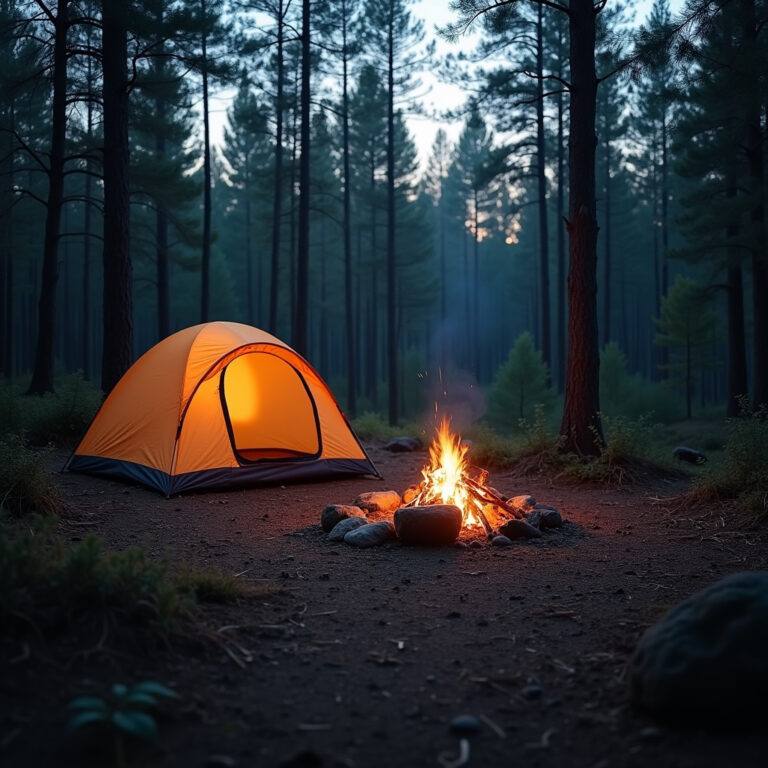
There’s something uniquely primal and comforting about a campfire. The flickering flames, the crackle of burning wood, the warmth against a cool night sky – it’s an iconic symbol of outdoor adventure and camaraderie, deeply etched into the fabric of human history. Yet, the very element that brings such joy can also bring devastation if not managed responsibly. As stewards of the wild, understanding and applying the Leave No Trace principles to our campfires is not just good practice; it’s a fundamental responsibility. At WildGridScout, we believe in embracing the wilderness while leaving it better than we found it, and that includes mastering the art of the safe, low-impact campfire to ensure our beloved natural spaces remain pristine for generations to come.
The Heart of the Wild: Why Campfire Safety Matters
A roaring blaze might feel exhilarating, but uncontrolled fires pose immense risks to ecosystems, wildlife, and human safety. Every year, wildfires devastate millions of acres of land, often sparked by unattended campfires. The U.S. Forest Service estimates that nearly 85% of wildfires are human-caused, and campfires are a significant contributor. Beyond the catastrophic, even a seemingly innocuous fire can scar the landscape, sterilize soil, destroy sensitive vegetation, and leave behind unsightly traces that detract from the wilderness experience for others. The Leave No Trace Center for Outdoor Ethics provides a crucial framework for minimizing our impact, and their seven principles are particularly vital when it comes to the controlled use of fire in the backcountry. Adhering to these guidelines is not just about compliance; it’s about fostering a deeper respect for the natural world.
Igniting Responsibility: Leave No Trace Principles for Campfire Safety
1. Plan Ahead and Prepare
Before you even pack your kindling, thorough planning is paramount. This begins with extensive research into fire restrictions and regulations for your chosen destination. Is it fire season? Are campfires allowed at all in this specific area – be it a national park, state forest, or private campground? Always check local park websites, ranger stations, or official government advisories for the most up-to-date information, especially concerning fire danger levels (e.g., moderate, high, extreme). A high fire danger rating should prompt serious reconsideration of having a fire. Check the weather forecast for high winds, which can easily spread embers, or extreme heat. Always have a backup plan, such as a reliable camp stove for cooking, or even deciding to forgo a fire entirely if conditions are unfavorable. Carrying essential fire safety minimalist gear, such as a small, collapsible water bucket (like a silicone folding bucket) and a robust trowel or small shovel, is not just a recommendation, it’s a critical component of preparing for fire safety. These simple items can be the difference between a controlled fire and an emergency. (Source: Leave No Trace Center for Outdoor Ethics)
2. Travel and Camp on Durable Surfaces
When fires are permitted, always use existing fire rings or established fire pits. Creating new fire rings leaves a permanent and unnecessary scar on the landscape, disturbing vegetation and soil. If a fire ring isn’t available and fires are allowed (which is rare in heavily used areas), choose a site on a mineral soil surface (dirt or sand), far from overhanging branches, dry grass, fallen leaves, and other flammable materials. Ideally, select a spot that is naturally bare or has been previously impacted. Clear a minimum 10-foot diameter area down to mineral soil, removing any organic matter that could ignite. This principle emphasizes containing the fire and preventing its lateral spread. Crucially, avoid building fires on rich, organic soil (like peat or thick duff layers), as these can smolder and burn underground for days, even weeks, only to resurface and cause unseen, devastating wildfires later.
3. Dispose of Waste Properly
This principle extends beyond food scraps and packaging to include campfire remnants. Your goal should be to burn all wood completely to a fine, white ash. If you find unburned trash or foil in a fire ring from previous campers, pack it out – do not attempt to burn it. Never burn plastic, aluminum foil, glass, or food waste; these items do not burn completely, release toxic fumes into the air, and leave behind unsightly, non-biodegradable residue. After your fire is completely out and cold, scatter the cold ashes over a broad area away from camp, or pack them out if required by specific land management agencies (e.g., in sensitive alpine environments). The primary objective is to leave no visual trace of the fire’s existence, making it seem as though you were never there. (Source: Leave No Trace Center for Outdoor Ethics)
4. Leave What You Find
Resist the urge to break branches off live trees for firewood. Live wood doesn’t burn well, produces excessive smoke, and damages the forest ecosystem, leaving ugly scars. Instead, gather only dead and downed wood that is already on the ground and can be broken by hand – typically no larger than the diameter of your wrist. This “dead and down, small and snappy” rule ensures you’re only using readily available fuel and minimizing your impact. Stick to gathering wood within a reasonable distance from your campsite to avoid creating “wood deserts” around popular areas. The best practice is to gather only what you will burn for that evening and avoid stockpiling large amounts of wood. Remember, deadfall plays a vital role in forest ecology, providing habitat for insects and small animals, and slowly returning nutrients to the soil. Leaving natural items undisturbed helps maintain the wilderness aesthetic and ecological balance for future visitors.
5. Minimize Campfire Impacts
This principle is at the core of responsible campfire management, advocating for a lighter touch:
- Keep Fires Small: A small, contained fire provides ample warmth and light efficiently without excessive wood consumption. Large bonfires are dangerous, consume excessive amounts of wood, produce more smoke, and leave larger, harder-to-manage ash pits and impacts. Think of it as a small, contained warmth source, not a pyre.
- Burn Only Downed Wood: As mentioned, use only dead, fallen wood that fits completely within your fire ring.
- Ensure Complete Combustion: Strive to burn all wood completely to a fine, white ash. This reduces visual impact and makes scattering easier.
- Scrub the Site: Once the fire is completely out and cold to the touch (more on this below), scatter the cold, fine ashes over a broad area. This helps disperse the impact and allows the natural decomposition process to continue. If the area has a designated, hardened fire pit that collects ashes, leave them there for maintenance staff to handle, but ensure they are thoroughly extinguished.
6. Respect Wildlife
While not immediately obvious, campfires can significantly impact wildlife. The artificial light and smoke can disturb nocturnal animals and alter their natural behaviors, affecting foraging, mating, and predator-avoidance patterns. Always store food properly in bear canisters or hung from trees to avoid attracting animals to your campfire area, especially after the fire dies down. Never burn food scraps in a fire; this is not an effective way to dispose of them, it attracts wildlife with lingering odors, and can habituate animals to human food sources, leading to dangerous encounters for both wildlife and people. By minimizing your fire’s footprint, you help preserve the natural environment for its wild inhabitants. (Source: National Park Service)
7. Be Considerate of Other Visitors
The smell of woodsmoke can be delightful to some, but dense smoke wafting into another campsite or obscuring a scenic view can be irritating and even an health concern for others. Be mindful of wind direction and the proximity of other campers. Keep noise levels down, especially late at night, as the sounds of chopping wood or loud conversations around a campfire can carry far in the quiet wilderness. The wilderness experience is often sought for its tranquility and connection with nature, and a considerate campfire ensures everyone can enjoy that peace and serenity without unnecessary disturbance.
The Golden Rule: Ensuring a Cold, Dead Outfire
The most critical aspect of campfire safety is ensuring your fire is *completely* out before you leave it, even for a moment. This means it must be cold to the touch, not just smoldering or appearing “out.” Never leave a fire unattended. Here’s how to achieve a truly dead fire, every time:
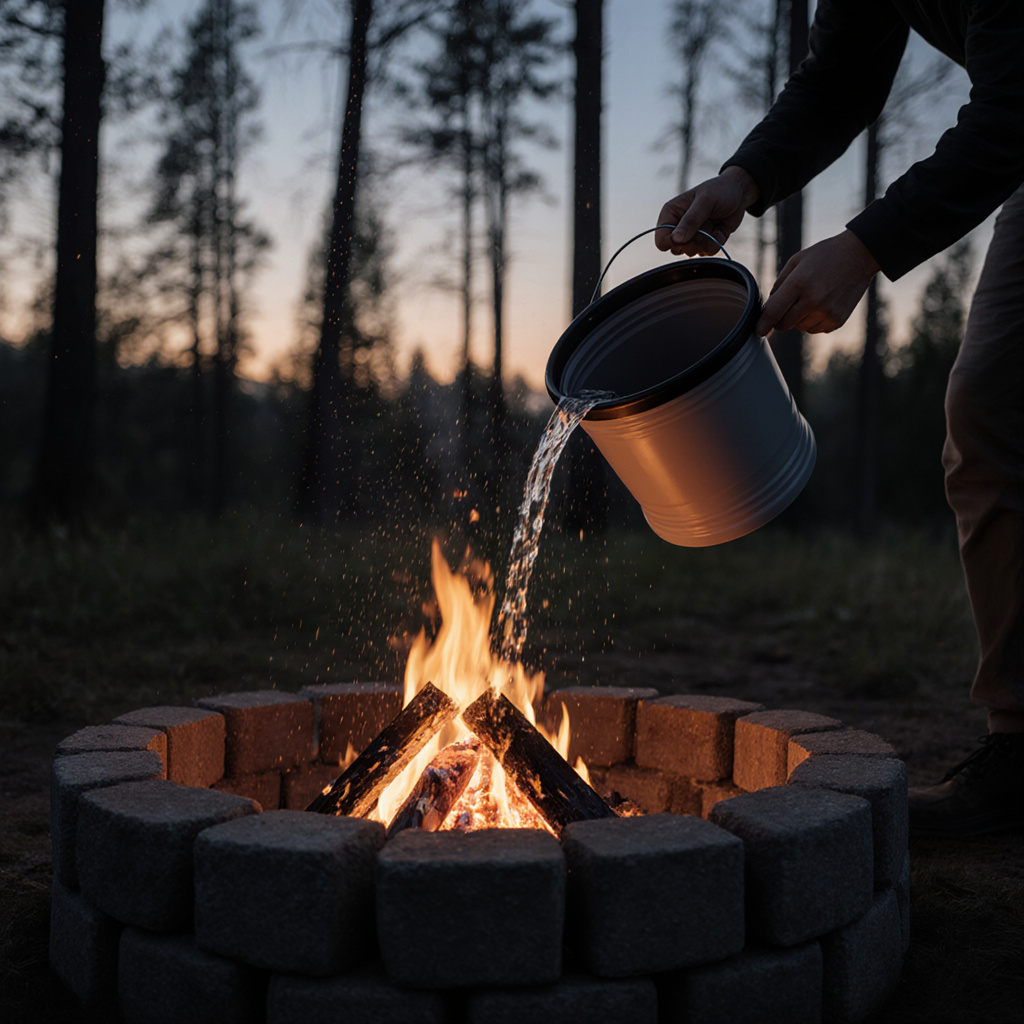
- Drown It: Pour copious amounts of water onto the embers and ash. Don’t be shy; use far more water than you think is necessary. A gallon or more for even a small fire is a good start.
- Stir It: Use a stick or your trowel/shovel to thoroughly stir the ashes and embers with the water. This exposes any hidden hot spots and ensures the water penetrates all layers.
- Drown Again: Add more water and stir again. Repeat this process until all hissing stops, steam is no longer rising, and the entire ash pit is saturated.
- Feel It: Carefully place the back of your hand a few inches above the ashes. If you feel any warmth, it’s not out. Continue drowning and stirring. For ultimate safety, carefully touch the ashes directly; they should be stone cold. If it’s too hot to touch, it’s too hot to leave.
- Scatter (if appropriate): Once absolutely cold, scatter the fine ashes and any small, completely unburned pieces of wood.
Always have a readily accessible water source nearby and a shovel or trowel to mix and cover the ashes. For minimalist campers, a collapsible silicone bucket or even a sturdy cooking pot can serve as your dedicated water-carrying device for fire extinguishing. Remember, a fire that looks out can still be dangerously hot beneath the surface. Err on the side of caution.
Conclusion: Ignite Responsibility, Preserve the Wild
Campfires are a cherished part of the outdoor experience, offering warmth, light, and a primal focal point for stories and relaxation. By diligently adhering to the Leave No Trace principles, especially those pertaining to fire safety, we can continue to enjoy these elemental pleasures without compromising the health and beauty of our natural spaces. Remember: a responsible fire is a cold, dead fire, and a cold, dead fire means a safe, thriving wilderness. Carry out the spirit of adventure, but leave only footprints and cherished memories. Let’s keep the wild, wild, for everyone to enjoy, now and for generations to come. Your actions make a tangible difference.