The Ultralight Sierra Nevada: A Weekend Warrior’s Guide to Peak Experiences
Embracing the Summit: An Ultralight Weekend in the Sierra Nevada
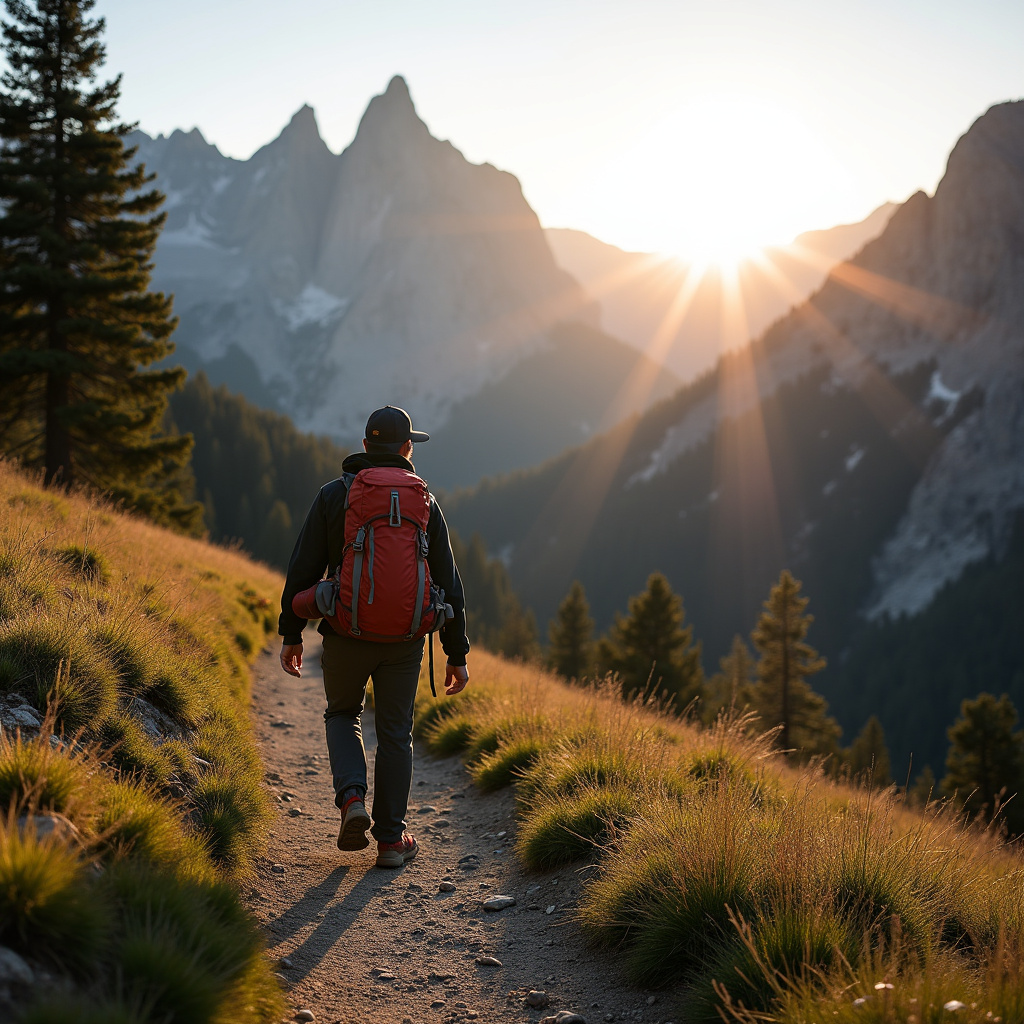
The Sierra Nevada. A name that conjures images of majestic granite peaks, pristine alpine lakes, and ancient forests. For many, it’s a dream destination for multi-week expeditions. But what if we told you that you could experience the raw beauty and profound challenge of this iconic range in a single weekend, all while carrying a pack so light it feels like an extension of yourself? Welcome to the world of ultralight backpacking in the Sierra Nevada – your ticket to peak experiences in under 72 hours.
Why Go Ultralight for Your Sierra Nevada Escape?
Forget the days of monstrous packs and aching shoulders. Ultralight backpacking isn’t just a trend; it’s a philosophy, particularly potent for short, intense trips. When every ounce counts, you move faster, feel less fatigued, and ultimately, enjoy the journey more. Imagine cruising up switchbacks with a spring in your step, your focus entirely on the breathtaking views rather than the burden on your back. For a weekend trip, going ultralight means:
- Increased Mobility: Cover more ground, explore more hidden gems.
- Enhanced Comfort: Less strain on your body means a more enjoyable hike and faster recovery.
- Reduced Environmental Impact: A lighter pack often translates to fewer items, encouraging a Leave No Trace mindset.
- Simplicity: Fewer decisions about what to bring, more time to be present in nature.
Crafting Your Sierra Nevada Weekend Adventure
The Sierra Nevada offers a vast playground, but for an ultralight weekend (under 72 hours), strategic planning is key. You’re looking for a route that provides a substantial wilderness experience without excessive travel time to the trailhead or complex logistical hurdles.
Route Selection: Focus on Accessibility and Impact
Consider sections of trails that offer immediate immersion into the high country. Popular choices include portions of the John Muir Trail or Pacific Crest Trail accessible via short feeder trails, or loops within National Parks like Yosemite or Sequoia & Kings Canyon. For example, a loop around a specific lake basin or a climb to a prominent peak from an accessible trailhead can be perfect. Aim for 20-30 miles over two days, leaving ample time for travel to and from the trailhead.
- Permits: Always check permit requirements for your chosen area. The Sierra Nevada is largely protected, and wilderness permits are almost always necessary for overnight stays. Secure these well in advance, especially for popular trailheads.
- Water Sources: Map out reliable water sources. Even in the Sierras, some areas can be dry, especially late in the season.
- Elevation Gain: Be realistic about your fitness. Steep ascents can be exhausting, even with a light pack.
The Ultralight Gear Revolution: What to Pack (and Not Pack)
This is where the magic happens. Every item in your pack must justify its existence. Think multi-use, minimalist, and highly efficient. The goal is a base weight (everything except consumables like food and water) of 10-12 pounds, or even less.
The “Big Three” – Your Ultralight Foundation
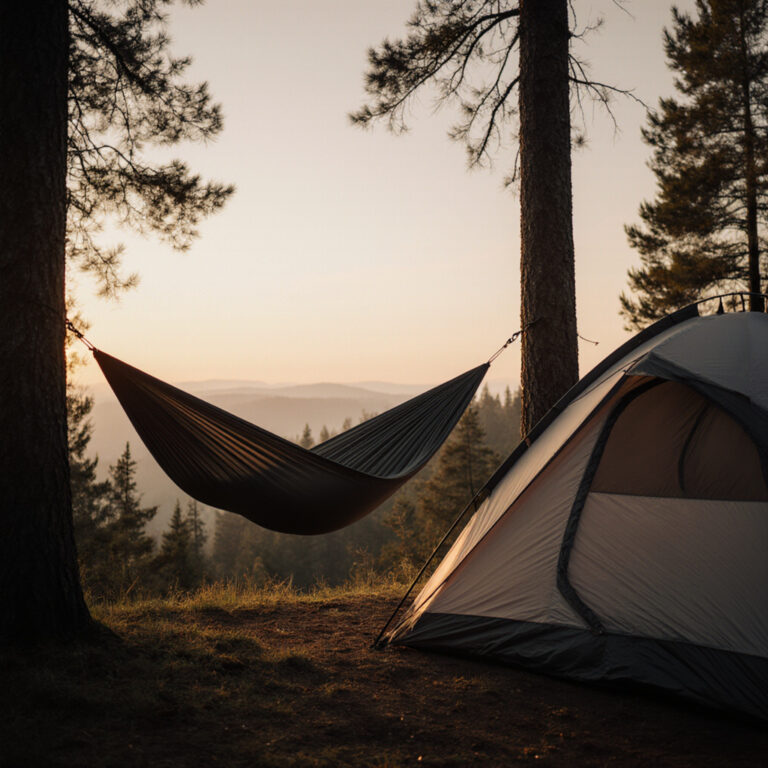
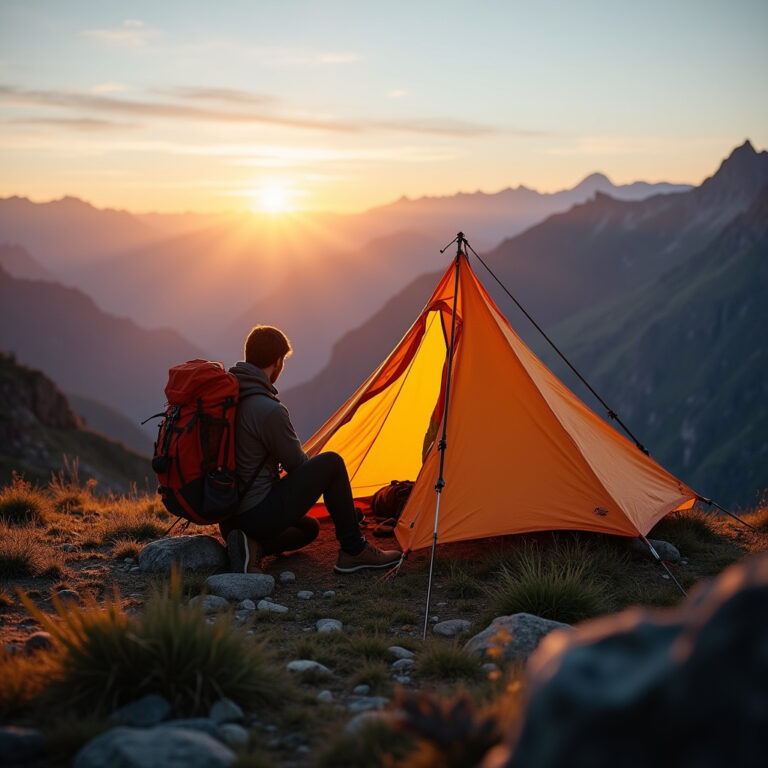
- Shelter: Ditch the heavy tent. Opt for a tarp, a lightweight tent (single-wall or non-freestanding), or a bivy sack. Paired with a trekking pole setup, these options drastically cut weight.
- Sleep System: A lightweight down quilt or sleeping bag rated for the expected nighttime temperatures (even summer nights in the Sierras can drop below freezing at higher elevations). Pair it with an ultralight inflatable or foam sleeping pad.
- Backpack: A frameless or minimalist framed pack (25-40 liters) designed to comfortably carry your low base weight. Look for packs without excessive pockets or features.
Beyond the Big Three: Essentials for Efficiency
- Clothing: Layering is paramount. Think Merino wool base layers, a lightweight puffy jacket, a rain shell, hiking shorts/pants, and an extra pair of socks. Avoid cotton.
- Camp Kitchen: A small, efficient stove system (e.g., canister stove or alcohol stove) with a single pot, spork, and minimal fuel. Dehydrated meals are your best friends.
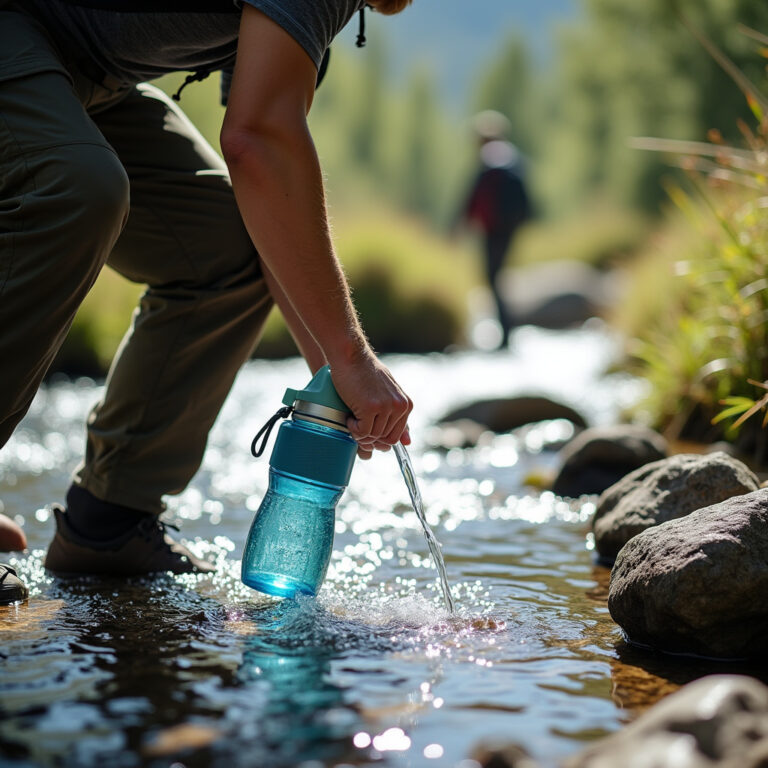
- Water Filtration: A Sawyer Squeeze or Katadyn BeFree filter is indispensable. Carry a lightweight water bottle or soft flask and a collapsible dirty water bag.
- Navigation: A reliable GPS device (smartphone with downloaded maps like Gaia GPS or AllTrails) paired with a physical map and compass (and the knowledge to use them!).
- First Aid & Safety: A truly minimalist kit. Focus on blister care, pain relief, antiseptic wipes, and any personal medications. A whistle, headlamp, and small repair kit are vital.
- Toiletries: Toothbrush (cut the handle!), small toothpaste, hand sanitizer, and a trowel for proper waste disposal.
Skills for the Ultralight Sierra Nevada Hiker
Ultralight isn’t just about gear; it’s about developing skills that enhance your self-sufficiency and safety.
- Efficient Packing: Learn to compress gear and utilize every inch of your pack space.
- Navigation Proficiency: The Sierras can be unforgiving. Know how to read a map and compass, and understand your GPS device.
- Water Management: Knowing where to find and how to treat water is crucial for minimal carrying weight.
- Weather Awareness: High-altitude weather can change rapidly. Understand forecasts and be prepared for sudden shifts.
A Sample Ultralight Sierra Nevada Weekend (Under 72 Hours)
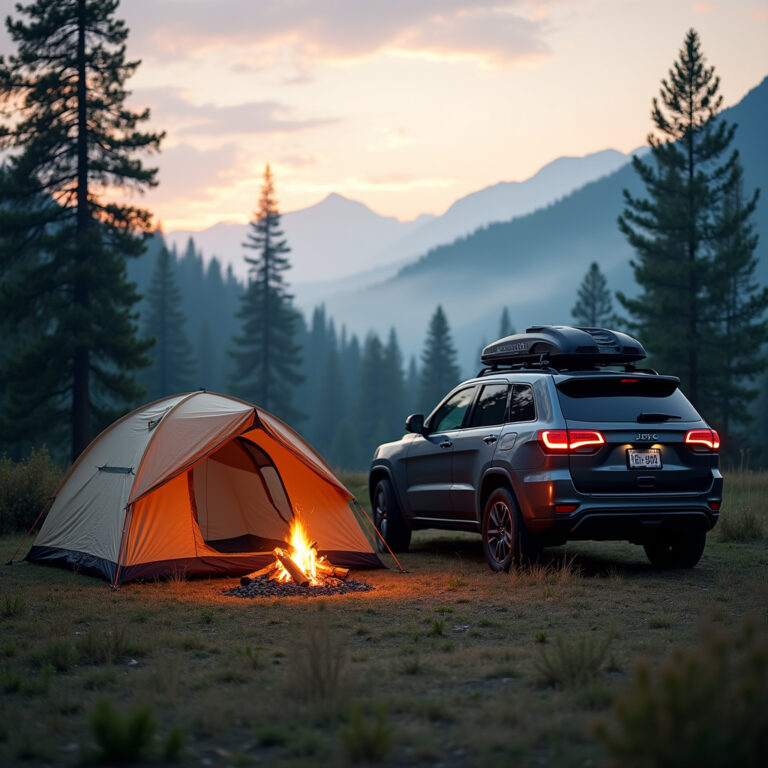
Friday Afternoon: Drive to trailhead, possibly camp at a nearby car camping spot or designated dispersed camping. Organize pack for an early start.
Saturday: Dawn start. Hike 10-15 miles into the high country. Establish camp early to enjoy the afternoon. Explore nearby lakes or viewpoints. Prepare a simple rehydrated meal.
Sunday: Another early start. Enjoy a final alpine sunrise. Hike out 10-15 miles, reaching the trailhead by early to mid-afternoon. Drive home, refreshed and invigorated.
Your Next Adventure Awaits
An ultralight weekend in the Sierra Nevada is more than just a trip; it’s an opportunity to redefine your relationship with the outdoors. It challenges you to strip away the unnecessary, embrace efficiency, and connect with nature on a deeper, more intimate level. So, pack light, plan smart, and prepare to be amazed by the majesty you can uncover in just 72 hours.
Sources:
- WildGridScout Keyword Planner (Internal Document, provided as inspiration for blog content and niche focus)
- Leave No Trace Principles: https://lnt.org/