Ultralight Winter Kit List for a Weekend in the Pacific Northwest Rainforest
The Pacific Northwest in winter is a realm of profound beauty, a symphony of mist-shrouded forests, roaring rivers, and a unique, vibrant green that thrives under perpetual drizzle. While many outdoor enthusiasts hibernate, the allure of the PNW rainforest in its quieter, wilder season is undeniable. However, venturing into this emerald world during winter demands respect for its distinctive challenges: persistent moisture, cooler temperatures, limited daylight, and often muddy, demanding trails. This is where the philosophy of ultralight backpacking doesn’t just offer comfort – it becomes a cornerstone of safety and enjoyment. Welcome to WildGridScout, and let’s delve into crafting an ultralight winter kit list that will make your weekend escape into the PNW rainforest an unforgettable adventure.
Embracing the PNW Winter: Why Ultralight is Essential
The Pacific Northwest rainforest isn’t known for extreme cold, but rather for its relentless dampness. Temperatures typically hover between freezing and 45°F (0-7°C) at lower elevations, but it’s the humidity and frequent rain that truly penetrate. Traditional heavy gear, once wet, can become a significant burden, losing insulation and adding substantial weight. An ultralight approach minimizes bulk and maximizes efficiency, allowing you to move faster, stay warmer by generating body heat, and reduce the chance of exhaustion – a critical factor in preventing hypothermia in wet conditions. Our goal isn’t just to carry less, but to carry smart, prioritizing multi-functional, high-performance gear that stands up to the unique demands of this environment.
The Foundation: The “Big Four” for PNW Winter
Your most crucial gear items – your shelter, sleep system, backpack, and primary clothing layers – are where you’ll find the biggest gains in weight savings and performance.
1. Shelter: Your Waterproof Haven
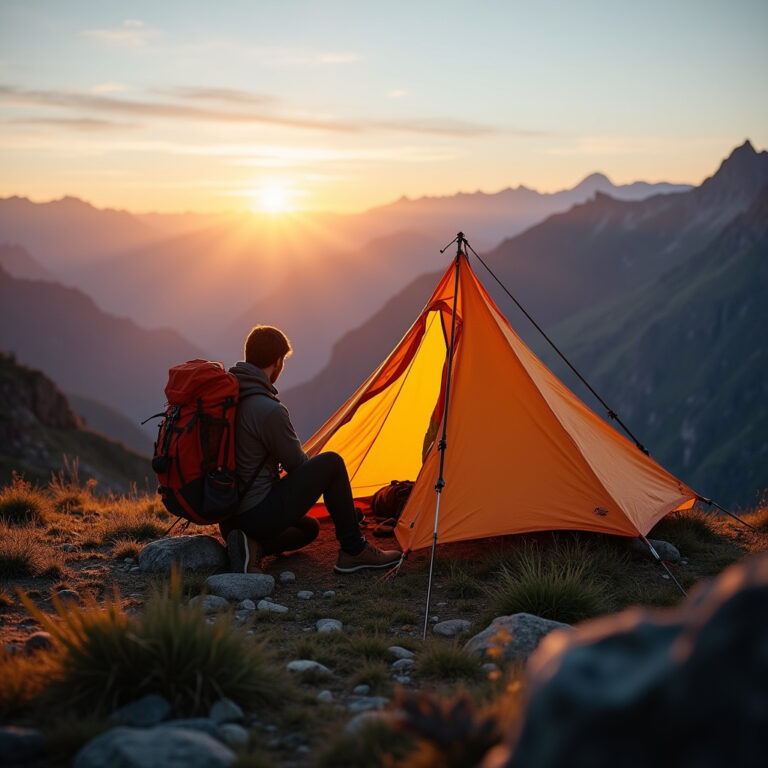
In the PNW, your shelter is your sanctuary. Forget fair-weather tents; you need robust protection from incessant rain and potential wind.
- Dyneema Composite Fabric (DCF) Tarp or Tent: This material is incredibly lightweight, waterproof, and doesn’t absorb water, meaning it won’t gain weight when wet. A single-wall DCF tent with good ventilation or a well-pitched tarp with a bivy sack offers excellent protection. Look for designs that allow for quick pitching and ample vestibule space for wet gear.
- Lightweight Groundsheet/Footprint: Essential for protecting your tent floor from punctures and keeping moisture from wicking up. A thin sheet of polycro or a custom-cut piece of Tyvek works wonders.
2. Sleep System: Warmth in Dampness
Even if the air isn’t biting cold, sustained dampness can steal your warmth. Your sleep system needs to be insulated and resilient.
- Synthetic Quilt or Sleeping Bag (15-20°F / -9 to -7°C rated): While down is excellent for warmth-to-weight, its major drawback is losing insulation when wet. For the PNW winter, high-quality synthetic insulation (like Climashield APEX) is often preferred as it retains much of its warmth even if it gets damp. A quilt offers versatility, allowing you to vent when needed.
- High R-Value Sleeping Pad (R-value 4+): Crucial for insulating you from the cold, wet ground. Inflatable pads like the Therm-a-Rest NeoAir XLite NXT or Nemo Tensor Insulated provide excellent R-values at minimal weight.
3. Backpack: A Waterproof Shell for Your Essentials
Your pack needs to be durable, comfortable, and, most importantly, provide a high degree of weather resistance.
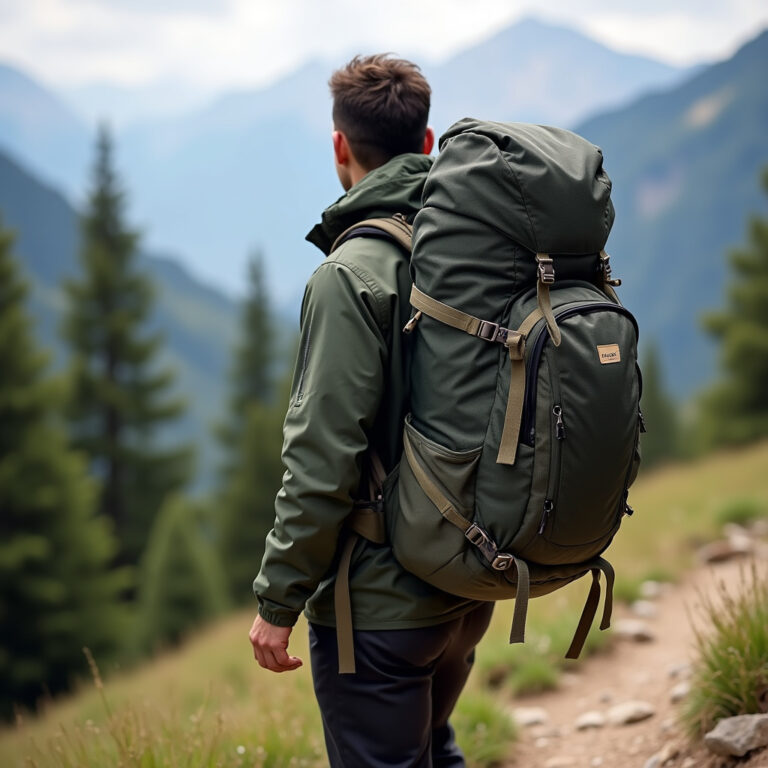
- Waterproof Backpack (30-45L): Many ultralight packs are made from DCF or similar waterproof fabrics. Look for roll-top closures and minimal external pockets to reduce points of entry for water. A pack liner (heavy-duty trash compactor bag or dedicated dry sack) is a non-negotiable backup.
4. Layering System: The Art of Staying Dry and Warm
This is perhaps the most critical aspect of PNW winter hiking. Cotton is your enemy; it absorbs moisture and loses all insulating properties when wet.
- Base Layer (Merino Wool or Synthetic): Wicks sweat away from your body. A midweight long-sleeve top and bottoms are ideal.
- Mid-Layer (Fleece or Lightweight Synthetic Puffy): Provides insulation. A lightweight fleece jacket or a synthetic insulated jacket (e.g., Patagonia Nano Puff, Arc’teryx Atom LT) is perfect. Again, synthetic is preferred over down for its wet-weather performance.
- Outer Shell (Waterproof and Breathable Jacket & Pants): This is your primary defense against rain and wind. Invest in high-quality Gore-Tex or similar highly breathable, fully waterproof rain gear. Ensure your jacket has pit zips for ventilation, and pants have full-length side zips for easy donning over boots.
- Headwear: A warm beanie (wool or fleece) is essential, as significant heat is lost through the head.
- Gloves: Waterproof outer gloves with a fleece or wool liner glove. Keep a spare dry pair.
- Socks: Two pairs of warm, quick-drying wool or synthetic socks. Keep one pair dry for sleeping.
Beyond the Big Four: Essential Ultralight Additions
Even with a minimalist approach, certain items are non-negotiable for safety and comfort.
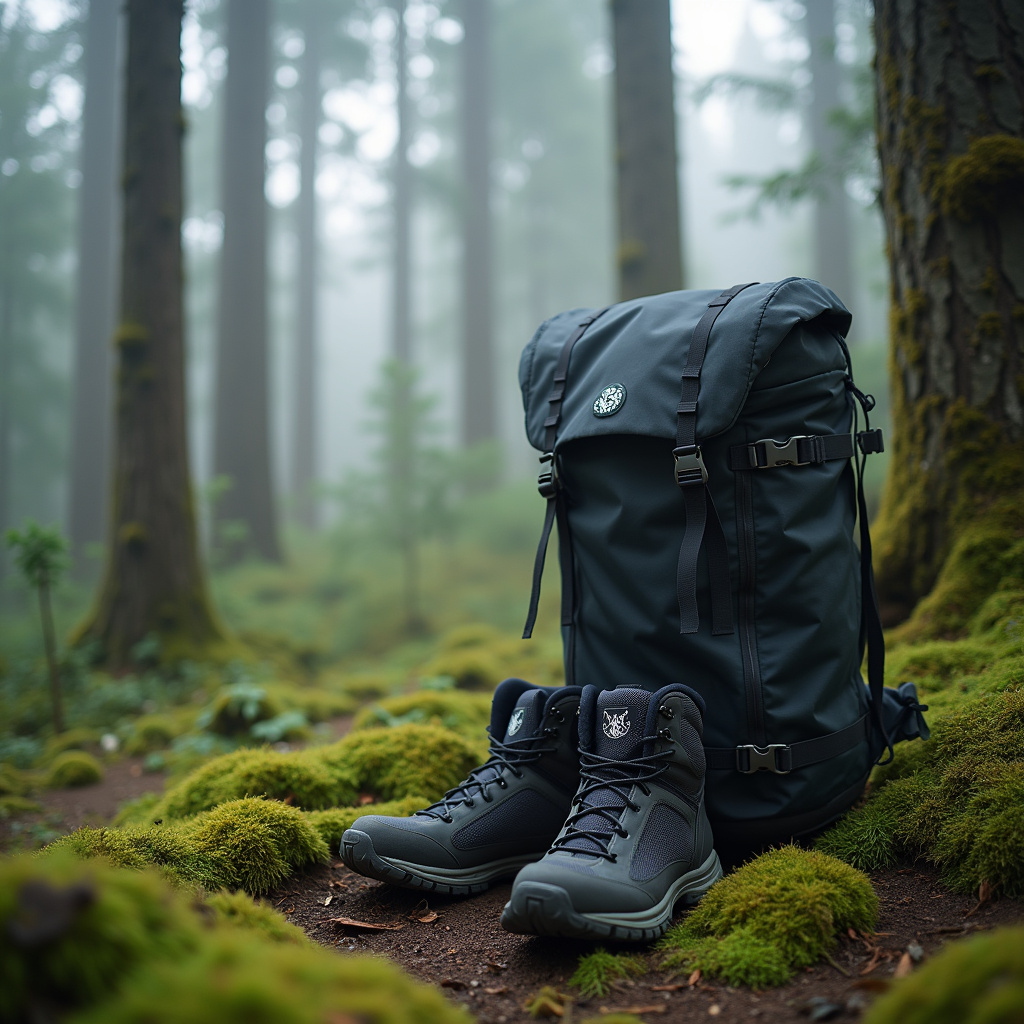
- Footwear: Waterproof hiking boots with good traction are paramount. Consider pairing them with lightweight gaiters to prevent water and debris from entering your boots.
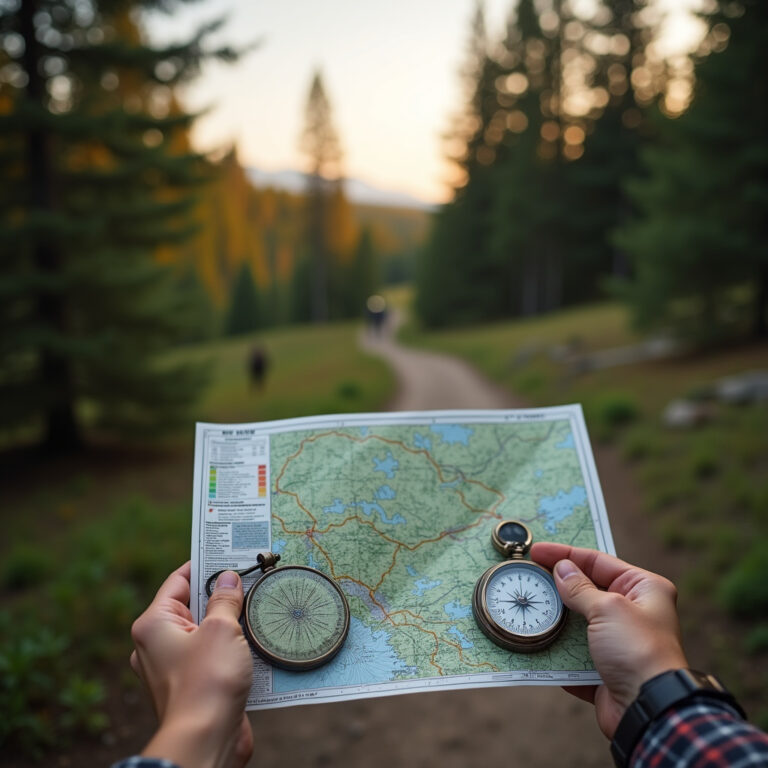
- Navigation: A physical map and compass, along with a GPS device or a smartphone with downloaded offline maps (Gaia GPS, AllTrails). Ensure your phone is in a waterproof case or bag, and carry a portable power bank.
- Hydration: A lightweight water filter or chemical purification tablets (Sawyer Squeeze, AquaMira). While water is abundant, filtering is always recommended.
- Cooking System: A small, efficient canister stove (e.g., MSR PocketRocket 2) and a titanium pot. Dehydrated meals are your friend for minimal weight and effort. Don’t forget a lightweight spoon!
- Lighting: A reliable headlamp with spare batteries. Winter days are short.
- First-Aid Kit: A minimalist, but comprehensive kit for common trail ailments and minor injuries. Include blister treatment, pain relievers, antiseptic wipes, and wound dressings.
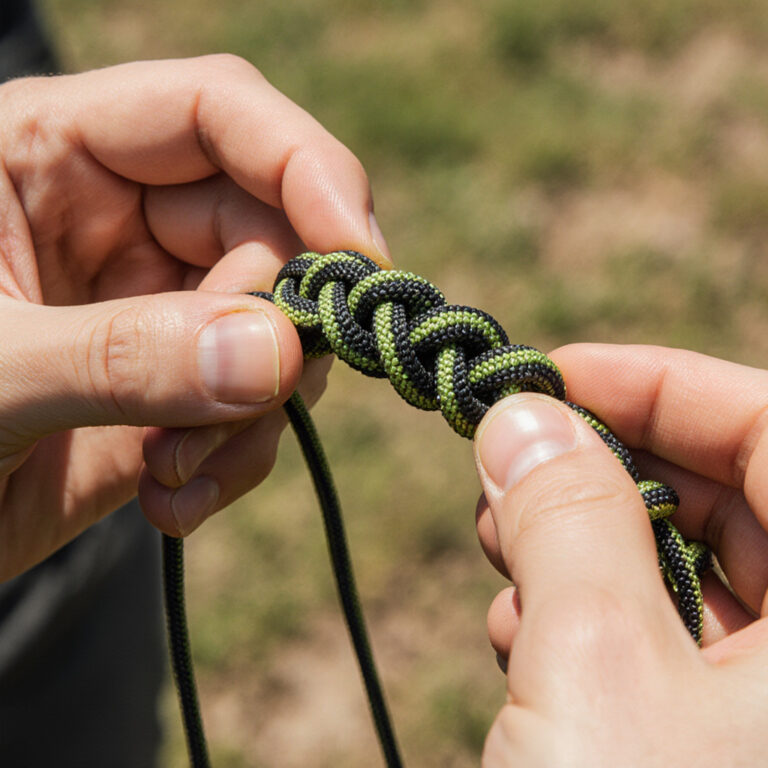
- Repair Kit: Tenacious Tape, a few safety pins, and cordage can save a trip.
- Personal Hygiene: Toothbrush, travel-size toothpaste, hand sanitizer, small trowel, and toilet paper (packed out).
- Safety Whistle/Mirror: For signaling in emergencies.
- Emergency Bivy/Space Blanket: A lightweight insurance policy.
Leave No Trace Principles in a Wet Wonderland
The PNW rainforest is a fragile ecosystem. Adhere strictly to Leave No Trace principles, especially regarding waste, campfires (often prohibited or discouraged in wet conditions), and trail etiquette. Pack out everything you pack in, stay on established trails, and respect wildlife. Protecting this natural beauty ensures it remains accessible for all.
Sources: The information provided is based on widely accepted ultralight backpacking principles, outdoor survival guidelines, and best practices for hiking in wet, temperate rainforest environments. It is recommended to consult additional resources and conduct personal research tailored to specific trip conditions and individual needs.
Final Thoughts on Your Ultralight PNW Adventure
Venturing into the Pacific Northwest rainforest in winter with an ultralight kit is an act of calculated preparation and deep appreciation for nature’s raw beauty. By carefully selecting gear that performs in damp, cool conditions and embracing a minimalist mindset, you transform potential challenges into opportunities for profound connection with the wilderness. Remember, personal research and trial runs are invaluable. Test your gear, understand your limits, and always check weather and trail conditions before you head out. Happy trails, and may your ultralight winter adventure be filled with the magic of the emerald forest!