Water Procurement Plan for a Utah Slot Canyon Hike
Navigating the Arid Labyrinth: Your Water Procurement Plan for a Utah Slot Canyon Hike
Utah’s slot canyons are a symphony of sculpted sandstone, a geological masterpiece carved by eons of wind and flash floods. Their beauty is undeniable, their allure irresistible. But beneath the breathtaking grandeur lies a stark reality: these aren’t your typical forested trails with babbling brooks. Slot canyons are unforgivingly arid environments, and a comprehensive water procurement plan isn’t just advisable – it’s absolutely critical for survival and enjoyment. Welcome to WildGridScout, where we equip you with the practical skills to thrive in the wild. Today, we’re diving deep into staying hydrated when the desert is your only companion.
The Deceptive Beauty and Its Thirsty Secret
Imagine yourself wedged between towering, often shaded, rock walls. While the shade might offer a momentary reprieve, the desert environment itself is a master of dehydration. Low humidity means sweat evaporates quickly, often unnoticed, leading to rapid fluid loss. The sun, even when indirect, radiates heat, and the light-colored sandstone reflects it, creating a thermal cooker effect in some areas. Without adequate water, you risk heat exhaustion, heat stroke, and impaired judgment, turning an epic adventure into a dangerous ordeal.
The first rule of thumb for any desert excursion, especially slot canyons, is simple: carry more water than you think you’ll need.
Pre-Trip Planning: Your Hydration Blueprint
A successful water plan begins long before you set foot in the canyon. It requires meticulous research and a healthy respect for the environment.
1. Route Assessment & Topographical Intel:
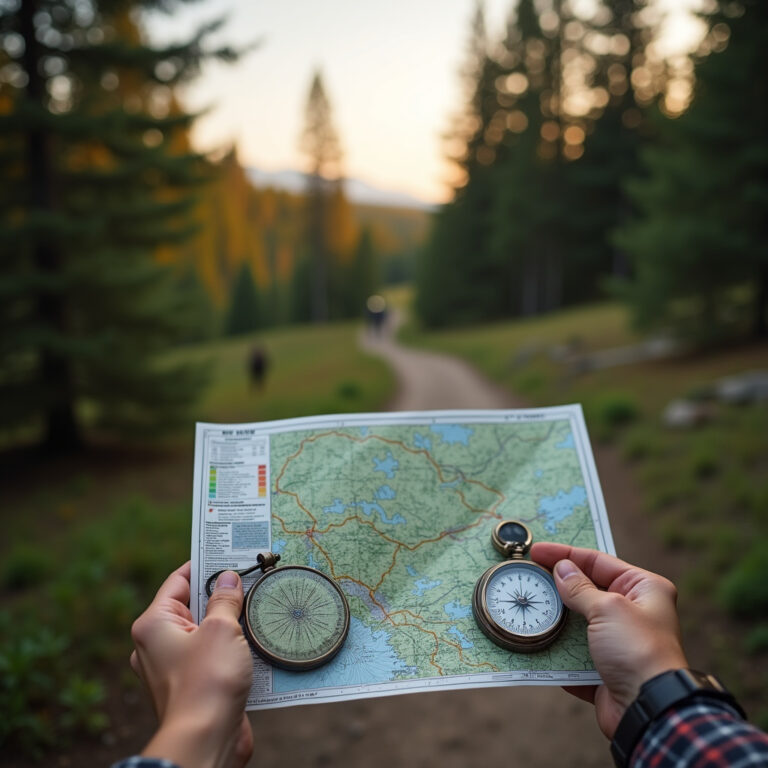
Pore over topographical maps. Look for potential “potholes” – depressions in the sandstone that might hold water after rains. However, these are often seasonal, stagnant, and highly unreliable. Mark any historical springs or seeps, but treat them with extreme skepticism regarding current conditions. Satellite imagery (like Google Earth) can offer a more current view of larger potholes or areas where water might collect.
2. Weather Watch – A Double-Edged Sword:
Monitor the weather forecast religiously, not just for your immediate location but for the entire drainage area of the canyon. Rain miles away can send a deadly flash flood roaring through your position. Ironically, while flash floods mean water, it’s dirty, dangerous water and not a viable source for procurement during an active event. Conversely, prolonged dry spells mean any potential sources will be bone dry.
3. Ranger and Local Intel:
Before you go, contact the local National Park Service (NPS) or Bureau of Land Management (BLM) office responsible for the area. Rangers often have the most up-to-date information on water availability, recent flash flood activity, and specific hazards. Local outfitters and guiding services can also be invaluable resources. Always get recent intel, as conditions can change rapidly.
4. Trip Reports & Online Forums:
Consult recent trip reports on dedicated canyoneering forums (e.g., Canyon Collective, specific Facebook groups for Utah Canyoneering), AllTrails, or other outdoor blogs. Pay close attention to dates and water conditions mentioned by other hikers. This anecdotal evidence, while not definitive, can provide valuable clues.
Carrying Your Lifeline: The Primary Strategy
For most slot canyon adventures, especially day trips or short overnight excursions, carrying all your water is the safest and most reliable strategy.
- How Much? A widely accepted minimum for active hiking in desert conditions is 1 gallon (approximately 3.8 liters) per person per day. However, for strenuous canyoneering, high temperatures, or longer exposure, REI Expert Advice recommends 0.5 to 1 liter per hour, which can easily translate to 6-8 liters per person per day. Err on the side of caution.
- Vessel Choice: Durable, robust hydration bladders (like those from Platypus or CamelBak) are excellent for carrying large volumes and distributing weight. Supplement with sturdy Nalgene bottles for easy access and for mixing electrolytes. Ensure your bladder hose is protected from abrasion and sun.
- Electrolytes: Plain water is good, but in high heat and exertion, you lose essential salts. Replenish with electrolyte tablets or powders to prevent hyponatremia (low sodium levels), which can be just as dangerous as dehydration.
The Mirage of Canyon Pools: Sourcing & Treating Found Water
While carrying water is paramount, understanding how to responsibly source and treat water if absolutely necessary is a vital skill.
Potential Sources (and their caveats):
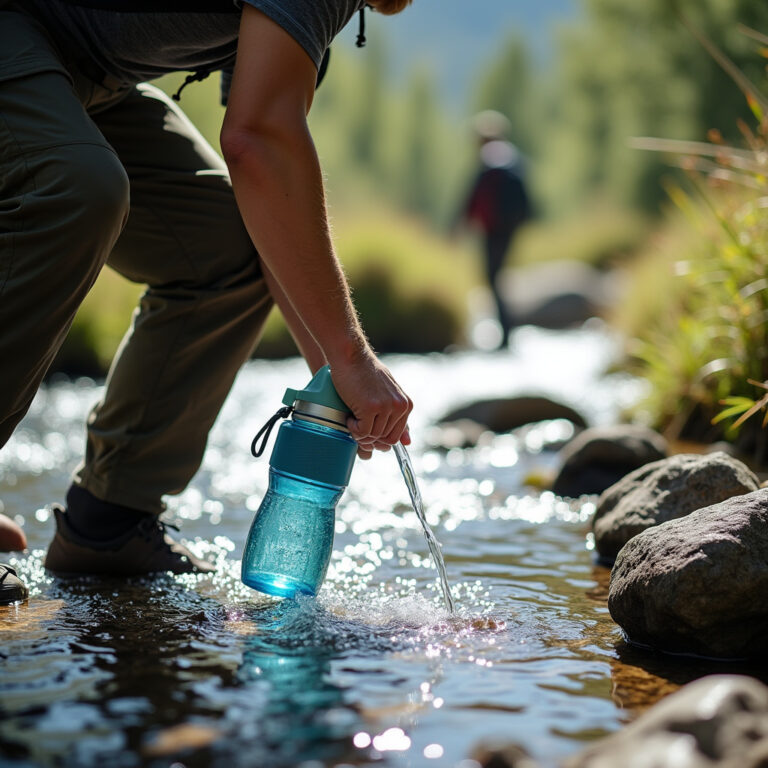
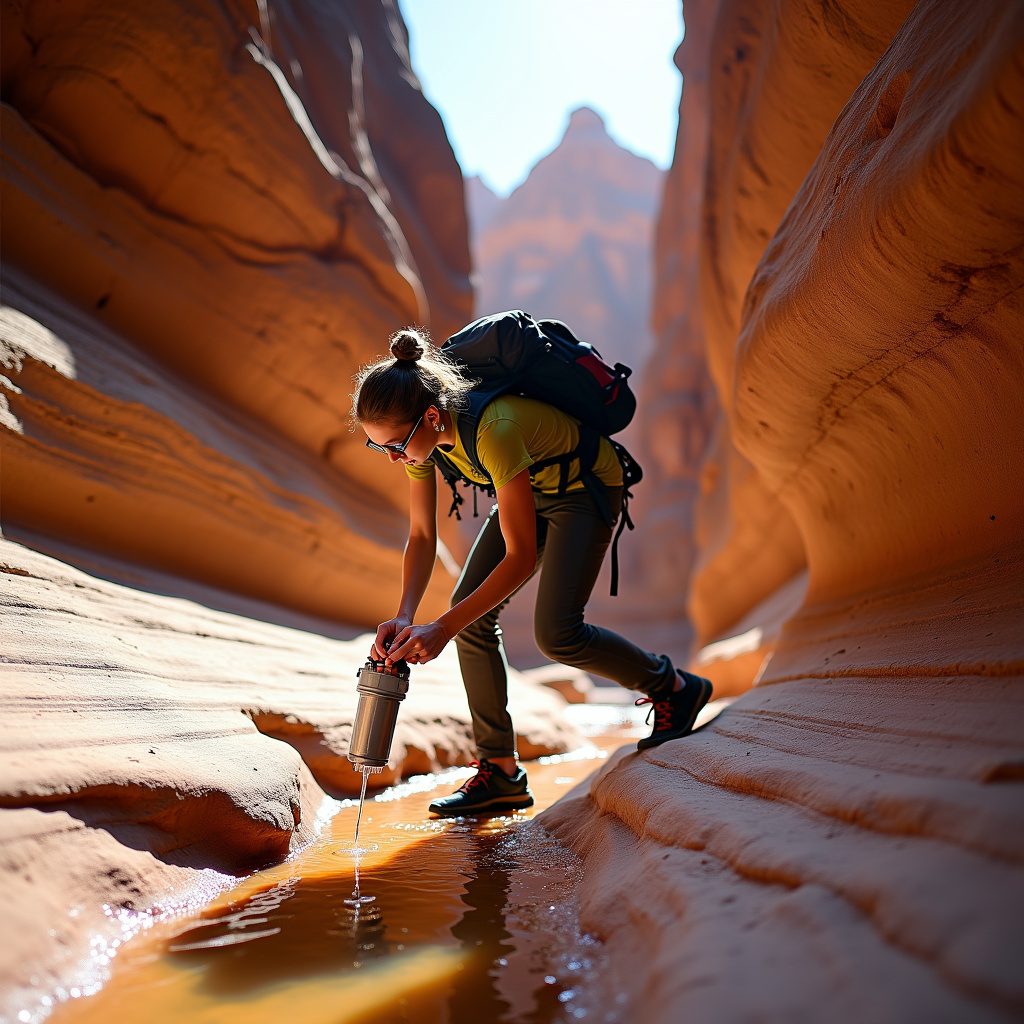
- Potholes: These can hold water for extended periods but are often stagnant, murky, and contaminated with everything from animal droppings to pollen, algae, and sunscreen from other canyoneers. Treat any water from a pothole as highly contaminated.
- Seeps/Springs: These are rare and often seasonal. If you find one, it’s a bonus, but don’t rely on it. Verify its flow and potability with rangers if possible.
- Flash Flood Remnants: After a flood, temporary pools might form, but the water will be laden with silt and debris, making it incredibly difficult to treat effectively. Moreover, the risk of subsequent flash floods often makes these areas dangerous to linger in.
Water Treatment Options:
Due to the high likelihood of encountering sediment and a broad range of contaminants in canyon water, a multi-pronged approach is often best.
- 1. Pre-filtering/Settling: Canyon water is notoriously silty. Before using any filter or purifier, let the water settle in a container. You can also pre-filter it through a bandanna, coffee filter, or even a piece of cloth to remove larger particulate matter. This prevents your main filter from clogging quickly.
- 2. Physical Filters: Filters like the Sawyer Squeeze or Katadyn BeFree are excellent for removing bacteria and protozoa (like Giardia and Cryptosporidium). However, most do not remove viruses or chemical contaminants. They can also clog quickly with fine silt, hence the importance of pre-filtering.
- 3. Chemical Purifiers: AquaMira drops or iodine tablets kill bacteria, viruses, and some protozoa. They are lightweight and reliable but require a specific contact time (often 30 minutes to 4 hours, depending on water temperature and clarity). They don’t remove sediment.
- 4. UV Purifiers: Devices like the SteriPEN use ultraviolet light to neutralize viruses, bacteria, and protozoa. They are fast but require clear water to be effective, making pre-filtering essential in silty conditions. They also rely on batteries.
- 5. Boiling: Bringing water to a rolling boil for at least one minute (or three minutes at elevations above 6,500 feet) is the most effective method against all pathogens, including viruses. However, it’s fuel-intensive and impractical for treating large volumes of water in the field.
For comprehensive protection in a desert environment, consider a combination: pre-filter, then use a physical filter, and follow up with a chemical purifier or UV treatment. This addresses a wider spectrum of potential contaminants.
Emergency Measures: When Plan A Fails
If, despite your best planning, your water supply runs critically low, immediate action is required:
- Ration: Strictly ration remaining water.
- Minimize Exertion: Find shade, rest, and minimize all physical activity.
- Signal for Help: If you have an emergency communication device (satellite messenger), use it.
- Solar Stills/Condensation Bags: While often cited as survival techniques, these are extremely low-yield, time-consuming, and should never be relied upon as primary procurement methods in a slot canyon emergency. Their value is almost negligible in the short term.
Leave No Trace: Protecting Our Precious Resources
Water, especially in arid environments, is a precious resource. When procuring water, adhere to Leave No Trace principles:
- Do not contaminate water sources. Avoid washing or relieving yourself near potholes or seeps.
- Pack out all trash, including filter backwash and any debris from pre-filtering.
- Use established access points to water sources to minimize impact on fragile riparian areas, if they exist.
Conclusion: Hydration is Your Horizon
Exploring Utah’s magnificent slot canyons is an unparalleled experience, a true adventure into the heart of wilderness. But this privilege comes with a responsibility: to respect the desert and prepare diligently. Your water procurement plan isn’t just a checklist; it’s your lifeline. By understanding the environment, planning meticulously, carrying ample supplies, and knowing how to treat found water, you ensure that your slot canyon hike remains a story of triumph, not tribulation. Stay hydrated, stay safe, and happy adventuring!
Sources:
- REI Expert Advice. "Hydration for Hiking: How Much Water Do You Need?" https://www.rei.com/learn/expert-advice/hydration-for-hiking.html
- National Park Service. "Desert Hiking Safety" (General guidelines, specific to desert environments like Zion National Park).
- Outdoor Gear Lab. "Water Filters and Purifiers: What’s the Difference?" https://www.outdoorgearlab.com/expert-advice/water-filters-and-purifiers-whats-the-difference