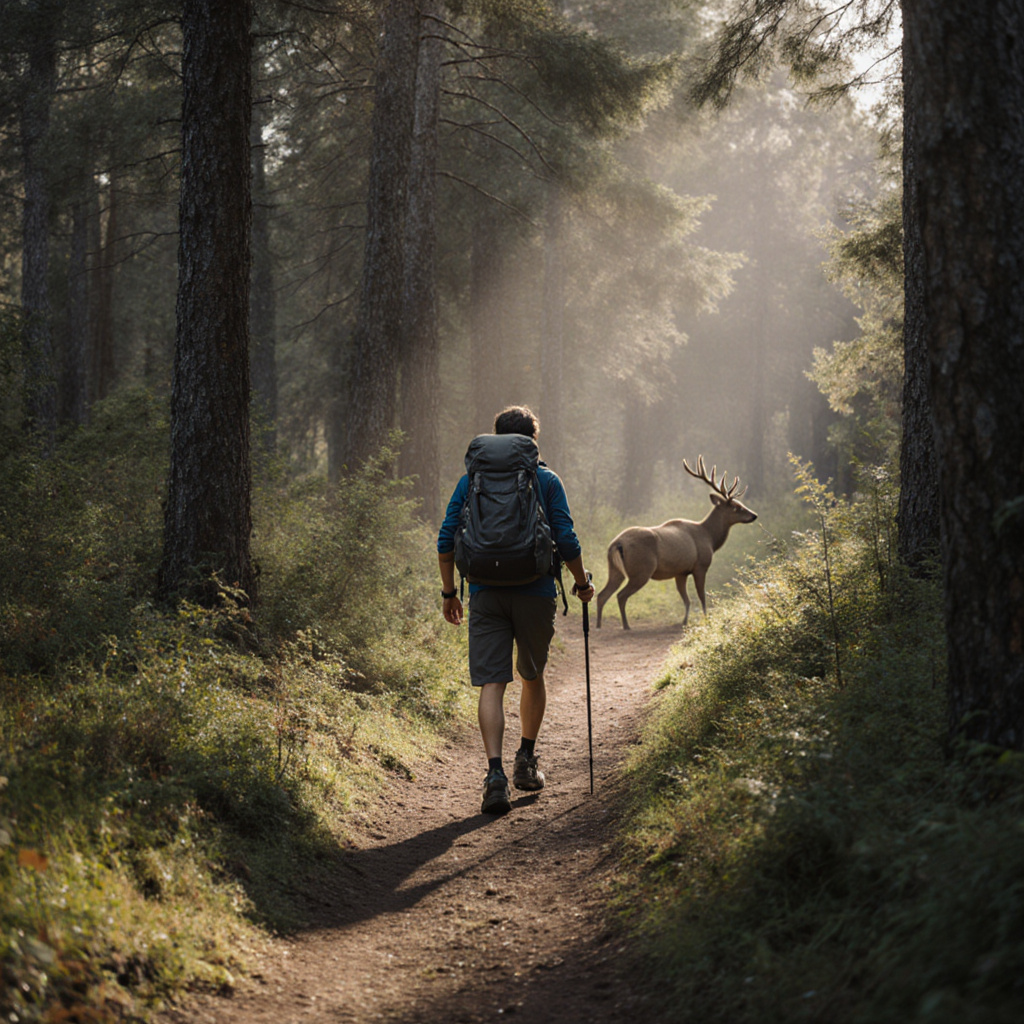
Wildlife Safety: How to Handle Encounters with Snakes, Cougars, and More
The wild calls to us, drawing us into its breathtaking landscapes and offering unparalleled adventures. Yet, with the beauty comes an inherent wildness, a delicate ecosystem teeming with creatures big and small. Encounters with wildlife are a cherished part of the outdoor experience for many, but they also demand respect, awareness, and preparedness. At WildGridScout, we believe that understanding how to safely coexist with nature’s inhabitants is paramount to ensuring both your safety and theirs. This guide will equip you with the essential knowledge to handle encounters with some of the most commonly encountered, and potentially intimidating, wildlife you might meet on the trail, from slithering snakes to powerful cougars.
General Principles for Safe Wildlife Encounters
Before we delve into specific animals, let’s establish some universal truths for any wildlife encounter. Adhering to these principles will significantly reduce the likelihood of negative interactions:
- Maintain Your Distance: This is the golden rule. Give animals space, especially mothers with young. If an animal changes its behavior because of your presence (e.g., stops feeding, lifts its head, moves away), you’re too close. Use binoculars or a telephoto lens for closer observation.
- Never Feed Wildlife: This cannot be stressed enough. Feeding animals, directly or indirectly, can lead to them associating humans with food, making them aggressive or dependent, and often leading to their eventual demise. It’s also illegal in many protected areas. Keep food and scented items secured.
- Make Noise: Unless you’re actively trying to observe wildlife from a distance (which should still be done respectfully and from afar), make noise while hiking. Talk, sing, or wear a bear bell (though bear bells are of debated effectiveness) to avoid surprising animals. A sudden encounter can startle both you and the animal, increasing the risk of a defensive reaction.
- Secure Food and Scented Items: Proper food storage is crucial, not just in bear country, but wherever wildlife exists. Use bear canisters, hang food bags from trees, or store them in bear-resistant lockers. This includes all scented items like toothpaste, deodorant, and sunscreen.
- Hike with Others: Traveling in groups generally makes you less appealing as prey and makes you appear larger and more intimidating to wildlife.
- Know Before You Go: Research the common wildlife in your destination and understand any specific precautions or warnings. Check park websites or local ranger stations for current wildlife activity reports.
- Keep Pets Leashed: An unleashed pet can provoke a defensive reaction from wildlife or chase animals, putting both your pet and other creatures at risk.
Snakes: Understanding the Ground You Tread
Snakes often evoke primal fear, but most are harmless and prefer to avoid humans. In North America, the primary concern is venomous snakes like rattlesnakes, copperheads, cottonmouths (water moccasins), and coral snakes. Learning to identify them is your first line of defense.
- Identification: Learn the characteristics of venomous snakes in your region. Generally, venomous snakes often have triangular heads, slit pupils (like a cat’s eye), and heat-sensing pits (except coral snakes, which are brightly colored with red and yellow bands touching). Non-venomous snakes usually have rounded heads and round pupils.
- If You See a Snake: Stop. Give it a wide berth and let it move on. Never try to pick up, harass, or kill a snake. Most bites occur when people try to interact with them. Watch where you step and reach, especially around rocks, logs, and tall grass where snakes might be basking or hiding. Use a trekking pole to probe ahead in dense vegetation.
- If Bitten: Stay calm. Immediately seek medical attention. Remove any tight clothing or jewelry near the bite. Keep the bitten area still and below heart level. Do NOT try to suck out venom, cut the wound, apply a tourniquet, or apply ice. These actions can cause more harm. Try to remember the snake’s appearance for identification by medical staff, but do not risk further bites trying to capture or kill it. Your phone’s camera can be useful from a safe distance for a photo.
Source: Centers for Disease Control and Prevention (CDC), National Park Service.
Cougars (Mountain Lions): The Elusive Hunter
Cougars are powerful, solitary predators, but they are also incredibly elusive and generally avoid humans. Encounters are rare, but knowing how to react is vital. Remember, you are entering their hunting grounds.
- Avoiding Encounters: Hike in groups. Keep children and pets close and within sight. Avoid hiking at dawn, dusk, or night when cougars are most active. Make noise to avoid surprising them.
- If You See a Cougar: Do NOT run. Running can trigger a chase instinct. Instead, make yourself look as large as possible – raise your arms, open your jacket. Make eye contact and maintain it. Speak in a loud, firm voice. Pick up small children immediately and hold them. Slowly back away, maintaining eye contact. Give the cougar an escape route.
- If Attacked: Fight back aggressively with anything you have – rocks, sticks, your trekking poles, your fists, or even your bare hands. Aim for the cougar’s face and eyes. Cougars often go for the neck or head, so protect those areas vigorously.
Source: California Department of Fish and Wildlife, National Park Service.
Bears: Respecting the Apex Predator
Bear encounters are a significant concern in many wilderness areas. Understanding the difference between black bears and grizzlies (brown bears), and knowing how to react to each, is critical for your safety.
- Identification: Black bears typically have a straight facial profile and a small rump. Grizzlies often have a prominent shoulder hump, a dish-shaped face, and longer claws. Color alone is not a reliable identifier.
- Avoiding Encounters: Store food properly in bear canisters or by hanging them. Make noise while hiking. Carry EPA-registered bear spray and know how to use it effectively before you hit the trail. Hike in groups.
- If You See a Bear:
- Remain Calm and Assess: Identify the bear species if possible. Note its behavior – is it foraging, aware of you, or acting defensively?
- Do NOT Run: Bears can run much faster than you.
- Make Yourself Known: Speak in a calm, assertive voice. Slowly wave your arms above your head. This lets the bear know you are human and not prey.
- Slowly Back Away: Give the bear space. Do not block its escape route. Avoid sudden movements.
- If a Bear Charges or Attacks:
- Black Bear: If a black bear charges, it’s often a bluff charge. Stand your ground, make noise, and prepare to use bear spray. If it makes contact, fight back aggressively.
- Grizzly Bear: If a grizzly charges, it’s more likely to be a defensive charge (often protecting cubs or a food source). Use your bear spray. If the bear makes contact, play dead. Lie on your stomach, protect your neck with your hands, and spread your legs to prevent being rolled over. Remain still until you are absolutely sure the bear has left the area. If the attack is predatory (rare, but the bear seems interested in you as food and not just defending cubs or a carcass), fight back aggressively with everything you have.
- Bear Spray: Carry EPA-registered bear spray and know how to deploy it effectively. It’s a deterrent to be used in close-range encounters, not a repellent to ward off bears from a distance.
Source: National Park Service, Bear Smart Durango, Colorado Parks & Wildlife.
Coyotes and Wolves: Generally Wary
Coyotes and wolves are generally wary of humans and prefer to avoid contact. Problems usually arise when they become habituated to human food sources or feel threatened.
- If You Encounter One: Do not run. Make noise, wave your arms, and make yourself appear large. If they continue to approach, throw rocks or sticks. Keep pets on a leash and close to you.
Source: U.S. Forest Service.
Elk and Moose: The Power of Proximity
These majestic herbivores can be surprisingly dangerous due to their immense size, speed, and unpredictable nature, especially during certain times of the year.
- Respect Their Space: Give them a wide berth, at least 75 feet (23 meters) for elk and even more for moose. Moose, in particular, can be incredibly aggressive if they feel threatened, especially a cow with a calf or a bull during the rut (mating season). Elk can also be dangerous during the rut. Never approach them for a photo; use binoculars to observe from a safe distance.
- Signs of Aggression: A moose might lay back its ears, raise its hackles, or lick its snout. An elk might lower its head and charge.
- If Charged: Run and try to get behind a large tree or obstacle. If knocked down by a moose, curl into a ball and protect your head.
Source: National Park Service, Montana Fish, Wildlife & Parks.
Conclusion: Preparedness for the Wild’s Embrace
The wilderness offers unparalleled beauty and the thrill of discovery, and encountering wildlife is a core part of that experience. By understanding general safety principles, knowing how to react to specific animals, and always prioritizing prevention and preparedness, you can ensure that your outdoor adventures remain safe, respectful, and truly unforgettable. Remember, we are guests in their home. Let’s act accordingly, treading lightly and observing respectfully. Stay safe out there, WildGridScouts!