Alpine Ascents, Minimalist Pack: Your Guide to High-Altitude Weekend Adventures
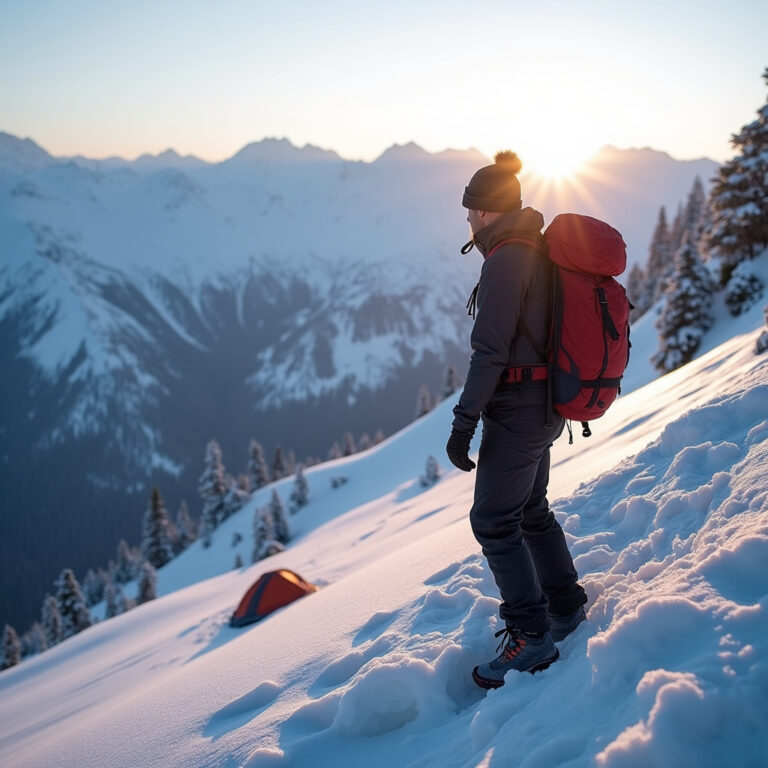
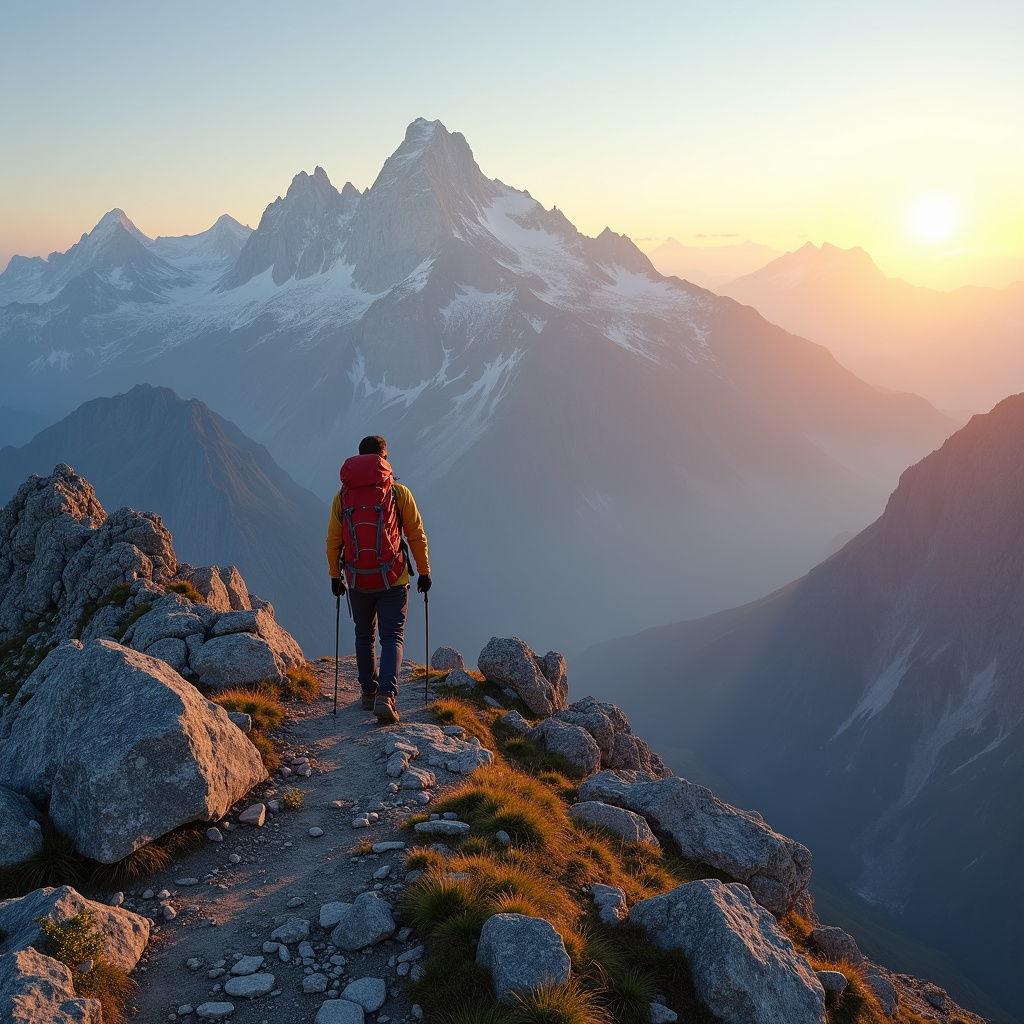
There’s an undeniable allure to the alpine world. The crisp, thin air, the panoramic vistas that stretch to the horizon, the rugged beauty of a landscape carved by ancient forces – it calls to the adventurer within. But with this grandeur comes inherent challenges: unpredictable weather, extreme temperatures, and demanding terrain. For many, tackling an alpine ridge feels like a multi-day expedition requiring an arsenal of heavy gear. But what if we told you that with the right mindset, minimalist gear, and essential skills, a breathtaking alpine weekend is not only possible but can be a more enriching and agile experience?
Embracing the Ultralight Philosophy for High Altitudes
At WildGridScout, we champion the philosophy of doing more with less. When it comes to alpine environments, shedding unnecessary weight isn’t just about comfort; it’s about safety and efficiency. An ultralight pack allows you to move faster, conserve energy, and maintain better balance on technical terrain. It reduces strain on your body, making those steep ascents and descents more manageable and decreasing the risk of injury. Furthermore, a smaller footprint means less impact on delicate alpine ecosystems – a core tenet of responsible outdoor recreation.
This isn’t about sacrificing essentials; it’s about smart choices, multi-use items, and a deep understanding of your needs versus your wants. Every item in your pack should earn its place.
Gear Up, Strip Down: Essential Minimalist Alpine Kit
Shelter Solutions: Sub-5lb Fortresses
Forget the bulky tents of yesteryear. Modern innovation has brought us incredibly robust yet lightweight shelter options that can withstand alpine conditions. When considering a 4-season tent for minimalist alpine trips, look for models weighing under 5 pounds that offer excellent wind stability, snow load capacity, and condensation management. Dyneema Composite Fabric (DCF) tents are excellent, albeit pricey, options, while certain siliconized nylon (silnylon) tents also offer superb weight-to-protection ratios. A sturdy trekking pole tent can also be a game-changer, using your poles for support to save even more weight. Always pack a ground tarp or footprint, even with an integrated floor, for added protection against sharp rocks and moisture.
Hydration Heroes: Filtration & Storage
Water is life, especially at altitude where dehydration can set in quickly. Carrying all your water can be prohibitive due to weight. Invest in a reliable and lightweight water filtration kit. Squeeze filters, gravity filters, or even chemical treatments have their place, but ensure your chosen method is effective against common alpine pathogens and works efficiently in cold conditions. Pair this with a collapsible water bladder or soft bottles that pack down small when empty, saving precious space. Always know your route’s water sources and have a backup plan.
Power & Navigation: Staying Connected and on Track
While minimalism encourages disconnecting, essential navigation and communication tools are non-negotiable for safety. A modern GPS device or a smartphone with downloaded offline maps and GPX links is crucial. Always carry a physical map and compass and know how to use them – batteries die, screens crack. For power, a small, durable portable power station or a high-capacity power bank is vital for recharging essential electronics. If your trips extend into shoulder seasons or you’re using solar-friendly charging solutions, consider a compact solar panel to supplement your power bank.
Mastering the Mountains: Essential Alpine Skills
Gear is only half the battle; knowing how to use it, and how to operate without it, is paramount. Alpine environments demand a heightened sense of awareness and practical skills.
Navigation Expertise
Beyond the tools, the skill of navigation is key. Learn to read topographic maps, understand contour lines, and interpret weather patterns. Familiarize yourself with NOAA alerts specific to your route. Practice taking bearings with your compass and correlating them with your map and the terrain. In featureless terrain or whiteout conditions, this skill can be a lifesaver. Always have a pre-planned route and a bail-out option.
Emergency Preparedness & First Aid
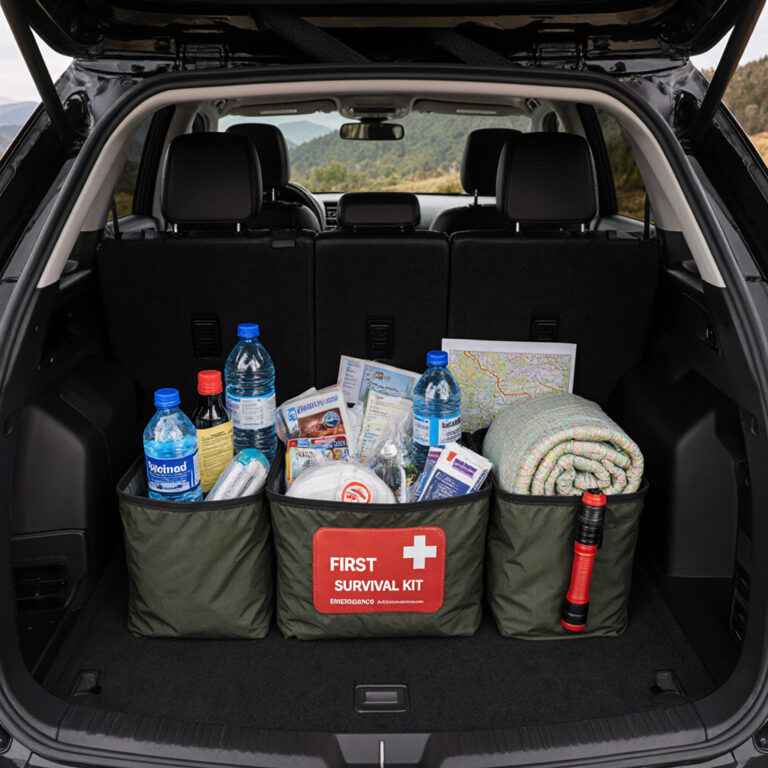
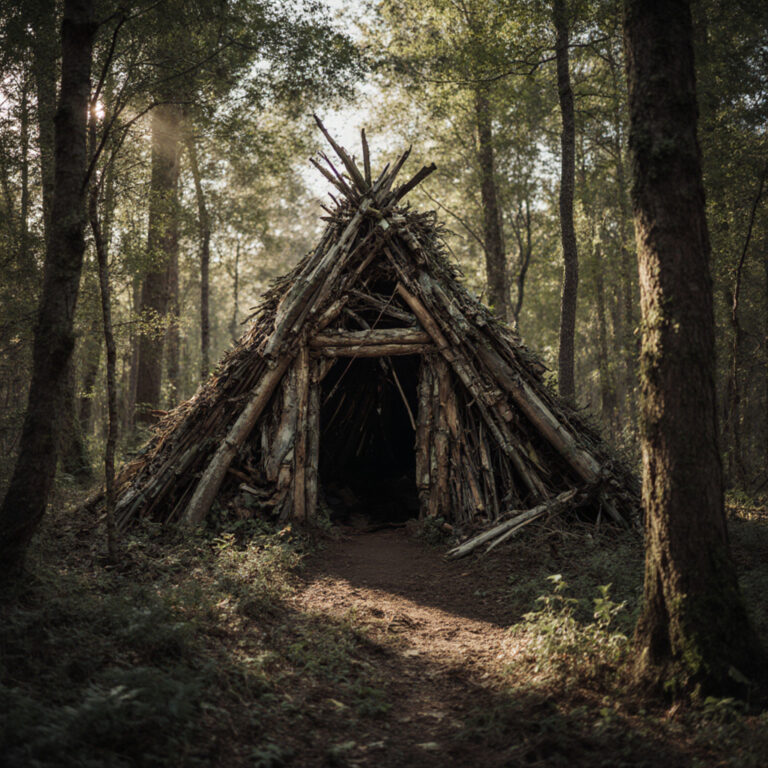
Even with meticulous planning, emergencies can happen. A minimalist first-aid kit, tailored to common alpine injuries (blisters, sprains, cuts, altitude sickness), is critical. Know how to treat these effectively. Furthermore, consider a survival drill focused on self-rescue or signaling for help. This might include constructing a temporary emergency shelter, knowing how to signal with a mirror or whistle, and understanding hypothermia prevention and treatment. Carrying a personal locator beacon (PLB) or a satellite messenger is highly recommended for summoning assistance in remote areas.
Leave No Trace: Protecting Our Pristine Peaks
The beauty of the alpine is fragile. Adhering to Leave No Trace principles is not just good practice; it’s a moral imperative. Pack out everything you pack in, including all food scraps. Stay on designated trails to prevent erosion. Minimize campfire impact (or better yet, use a stove). Respect wildlife and sensitive vegetation. Your goal is to leave the wilderness as, or better than, you found it, preserving it for future generations of minimalist adventurers.
Planning Your Alpine Weekend: Logistics & Safety Briefing
A successful minimalist alpine trip begins long before you hit the trailhead. Thorough planning is essential.
Permits and Regulations
Many popular alpine areas require permits, especially for overnight stays. Research these well in advance, as some have quota systems or specific booking windows. Be aware of any current fire restrictions, trail closures, or environmental advisories. Ignorance is no excuse, and violating regulations can lead to fines or environmental damage.
Team Dynamics & Communication
If you’re part of a mixed-experience crew, ensure everyone understands the physical demands and potential risks. Conduct a safety briefing covering emergency protocols, rendezvous points, and communication strategies. If you’re a solo backpacker, file a detailed trip plan with someone responsible and consider carrying a satellite communication device optimized for satphones or emergency texting. Always check weather forecasts right before your trip and be prepared to turn back if conditions are unfavorable.
The Summit Awaits, Responsibly
The call of the alpine ridge is powerful, and with a minimalist approach, it’s more accessible than ever for weekend warriors. By focusing on essential, lightweight gear, honing critical outdoor skills, and meticulously planning your adventure, you can experience the breathtaking majesty of high altitudes without the burden of an overloaded pack. Embrace the challenge, respect the environment, and let the mountains inspire you. Happy trails!
Sources: WildGridScout Keyword Planner (inspiration), Leave No Trace Center for Outdoor Ethics.