Embrace the Essential: Mastering Minimalist Preparedness for Any Wilderness
The call of the wild is undeniable, a primal whisper that beckons us away from the concrete jungle and into the embrace of nature. For many of us at WildGridScout, this isn’t just a fleeting desire; it’s a way of life. But venturing into the wilderness, whether for a weekend in the Sierra Nevada or a deep dive into Utah’s slot canyons, demands preparation. The key, however, isn’t to carry everything imaginable, but to master the art of minimalist preparedness. It’s about being ready for anything, with less.
The Philosophy of Less: Ultralight for Ultimate Freedom
In the realm of outdoor adventures, “ultralight” isn’t just a trend; it’s a philosophy. It’s the conscious decision to shed unnecessary weight, not just from your pack, but from your mindset. An ultralight approach allows for greater agility, less strain, and ultimately, a more immersive experience. Imagine navigating challenging terrain without the burden of a cumbersome pack, or covering more ground with less fatigue. This freedom is the reward for thoughtful gear selection.
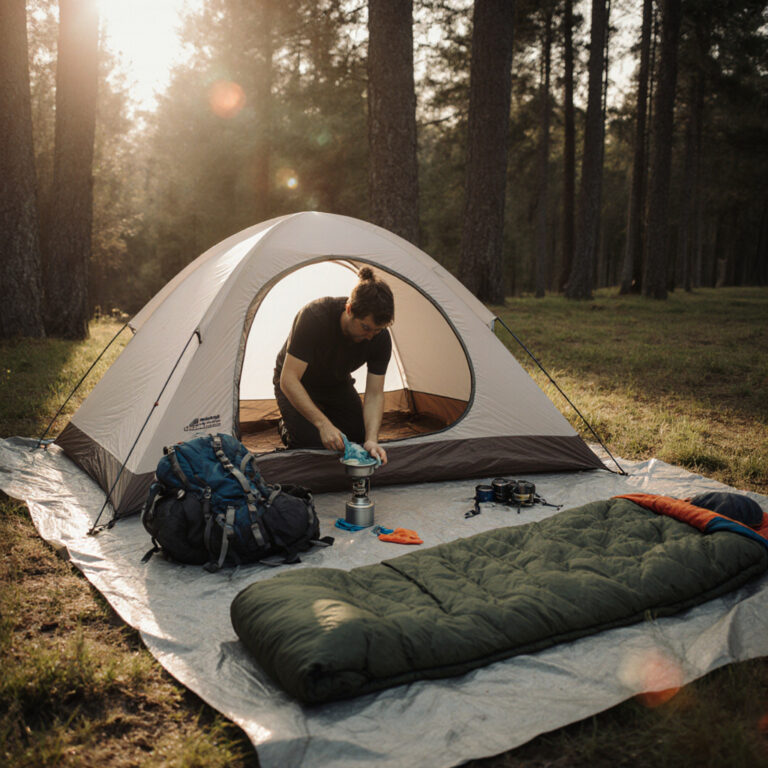
For instance, a winter kit list for a Sierra Nevada weekend, designed with ultralight principles, would look vastly different from a traditional setup. Instead of heavy, insulated boots, you might opt for waterproof trail runners paired with insulated over-booties for camp. Your shelter could be a lightweight tarp or a single-wall tent, carefully chosen for its warmth-to-weight ratio. The goal isn’t to sacrifice safety, but to optimize every ounce. This means multi-functional items are king: a sleeping pad that doubles as a sit pad, trekking poles that support your tent, or a cook pot that serves as your eating bowl. The Ultralight Backpacker often emphasizes that every item should earn its place in your pack.
Essential Skills: Beyond the Gear List
While gear is important, it’s your skills that truly empower you in the wild. A well-honed skill set can often compensate for what you lack in physical items, and sometimes, even outperform them. This is particularly true in challenging environments where resourcefulness is paramount.
Water Procurement in Arid Environments: The Utah Slot Canyons Example
Consider the stark beauty and formidable challenges of Utah’s slot canyons. A water procurement plan here is not merely about carrying enough water; it’s about knowing how to find, collect, and purify it when supplies run low. Relying solely on carried water in these dynamic environments can be risky. Minimal gear required for water procurement might include a high-quality water filter or purification tablets, a collapsible water bladder for collection, and knowledge of how to identify potential water sources – even ephemeral ones after rainfall. Knowing how to set up a simple solar still, though less efficient, could be a lifesaver in an emergency. National Park Service guidelines often stress the importance of understanding local water sources and purification methods.
Bushcraft for the Solo Backpacker: Minimal Fuel, Maximum Impact
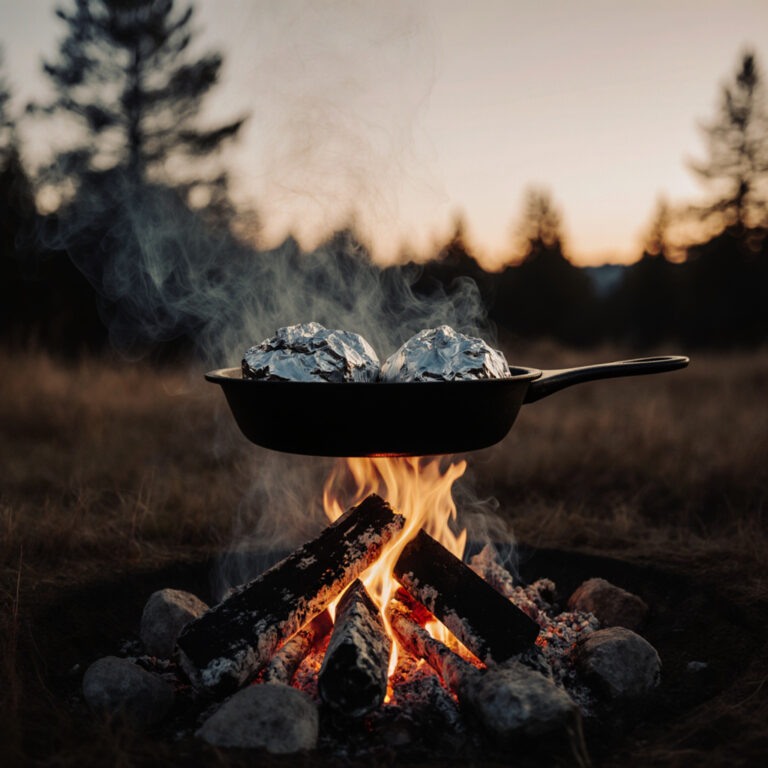
For the solo backpacker, bushcraft skills are foundational to self-reliance. Learning how to manage a fire with minimal fuel usage, especially during burn-ban compliant periods or in high-wind conditions, is a critical skill. This isn’t just about warmth or cooking; it’s about psychological comfort and a fundamental connection to the environment. Understanding tinder, kindling, and fuel wood selection, and mastering various fire-starting techniques (beyond just a lighter) can be empowering. Additionally, developing a bushcraft skills checklist for a solo trip might include knot-tying, shelter building from natural materials, basic navigation without electronics, and understanding local flora for food or medicinal purposes (with extreme caution and proper identification, of course). The Bushcraft USA community offers a wealth of knowledge on these traditional skills.
Trip Ideas: Weekend-Ready Adventures with a Minimalist Mindset
Applying the principles of minimalist preparedness opens up a world of weekend-ready trip possibilities. You’re no longer limited by the bulk of your gear but freed by its efficiency.
Sierra Nevada Winter Weekend: Under 72 Hours, Ultralight Gear Only
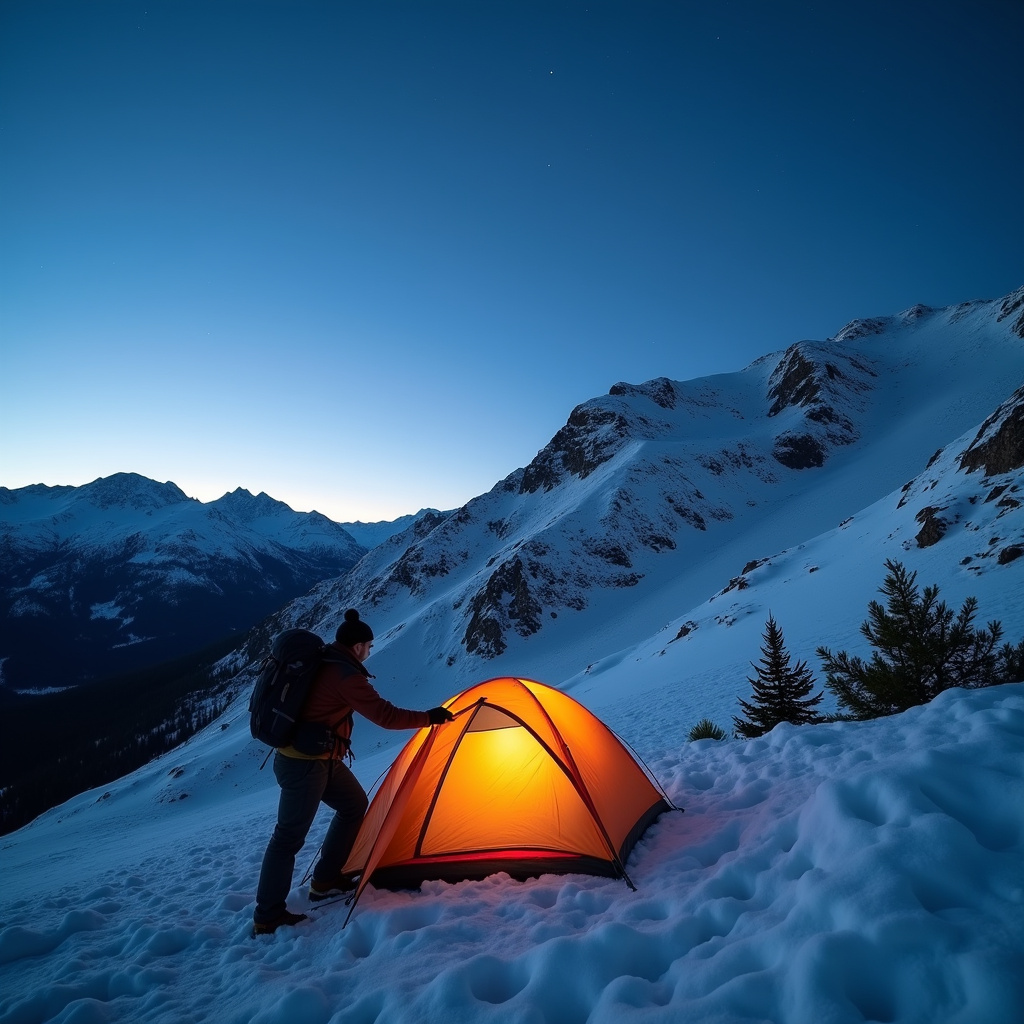
Imagine a quick 72-hour escape to the snow-dusted Sierra Nevada. With an ultralight winter kit, this isn’t an arduous expedition but an invigorating sprint. Pack a minimalist sleep system (lightweight quilt, inflatable pad with high R-value), a compact cooking setup (titanium pot, small canister stove), and layered clothing designed for maximum warmth with minimum weight. Your route planning should factor in avalanche risk and weather forecasts (NOAA alerts are crucial), but with a light pack, you’ll move efficiently and enjoy the solitude of a winter wonderland. Remember to prioritize safety over speed and always inform someone of your itinerary.
Pacific Northwest Rainforest: Under 72 Hours, Mixed-Experience Crews
The lush, often damp, Pacific Northwest rainforest presents its own set of challenges. For a mixed-experience crew, a minimalist approach means ensuring everyone has appropriate rain gear and understands the principles of “leave no trace” (Leave No Trace Center for Outdoor Ethics). Your kit will focus on waterproof layers, quick-drying clothing, and a reliable tarp or shelter that can withstand consistent moisture. Instead of a heavy family tent, perhaps a modular shelter system allowing individual protection with communal gathering space. Focus on teaching basic navigation, responsible foraging (if applicable), and proper waste management. The goal is to introduce newcomers to the joys of the outdoors without overwhelming them with gear or unnecessary complexity.
The True Reward: Connection and Resilience
Ultimately, embracing minimalist preparedness is about more than just saving weight. It’s about fostering a deeper connection with the environment and building personal resilience. When you strip away the superfluous, you’re left with what truly matters: your skills, your awareness, and your ability to adapt. This approach not only makes your adventures more enjoyable and accessible but also cultivates a profound sense of confidence in your ability to thrive in any wilderness. So, lighten your load, sharpen your skills, and answer the call of the wild with a prepared heart and a purpose-built pack.