Backpacking Food Ideas: Lightweight, High-Energy Meals and Snacks
Embarking on a backpacking trip is an exhilarating experience, offering a unique blend of adventure, challenge, and connection with nature. But behind every successful trek lies meticulous planning, especially when it comes to fuel. The right food choices can be the difference between a triumphant summit and a grueling struggle. In the world of lightweight backpacking, every ounce counts, and your food needs to pull its weight – literally. We’re talking about high-energy, nutrient-dense meals and snacks that are easy to prepare, pack light, and keep you going mile after mile.
The Golden Rules of Backpacking Grub
Before diving into specific meal ideas, let’s establish the foundational principles:
- Calorie-to-Weight Ratio: This is paramount. You want the most calories for the least amount of weight. Think fats and carbohydrates.
- Nutrient Density: While calories are king, don’t neglect protein for muscle repair and a balance of micronutrients.
- Ease of Preparation: On the trail, simplicity is key. Look for meals that require minimal cooking, few ingredients, and easy cleanup.
- Durability: Your food needs to withstand the rigors of your pack without spoiling or getting crushed.
- Palatability: You’re burning serious calories; you deserve food that tastes good and boosts morale!
Breakfast: Fueling Your Daybreak Ascent
The first meal of the day sets the tone. You need sustained energy to tackle the morning miles.
- Instant Oatmeal with Boosts: The classic for a reason. Instead of plain packets, elevate it. Add dried fruit (berries, cranberries, mango), nuts, seeds (chia, flax), and a spoonful of nut butter powder for extra calories and protein. A pinch of cinnamon or brown sugar can make it feel like a treat.
- Breakfast Burrito in a Bag: This is a bit more involved but incredibly rewarding. Dehydrate scrambled eggs (or use egg powder), add dehydrated sausage crumbles, bell peppers, and onions. At camp, rehydrate with hot water, mix with a bit of cheese, and wrap in a tortilla. You can even pre-mix the dry ingredients in a freezer bag.
- Granola with Powdered Milk: A simple, crunchy option. Pre-mix granola with powdered whole milk and your favorite dried fruits/nuts. Just add cold water.
Lunch: Midday Sustenance Without the Fuss
Lunch on the trail is often a no-cook affair, allowing you to maximize hiking time.
- Tortilla Wraps: Highly versatile and robust. Fill them with peanut butter and honey, Nutella, cheese sticks, summer sausage, or even tuna/chicken packets (though these add weight). Cream cheese in a squeeze tube is another fantastic high-fat option.
- Hard Cheeses & Cured Meats: Parmesan, cheddar, or provolone can last for days without refrigeration. Pair with salami, pepperoni, or jerky for a protein punch.
- Gorp (Good Old Raisins and Peanuts) & Trail Mix: Your customizable energy bomb. Combine nuts, seeds, dried fruits, chocolate chips, pretzels, and cereal. The possibilities are endless, and you control the calorie density.
- Energy Bars & Protein Bars: A convenient grab-and-go option. Choose bars with a good balance of carbohydrates, fats, and protein, and read labels for calorie content. Brands like Clif Bar, ProBar, and nature-specific options are popular.
Dinner: The Grand Finale of a Hard Day’s Trek
After a day of hiking, a warm, satisfying meal is a morale booster and crucial for recovery.
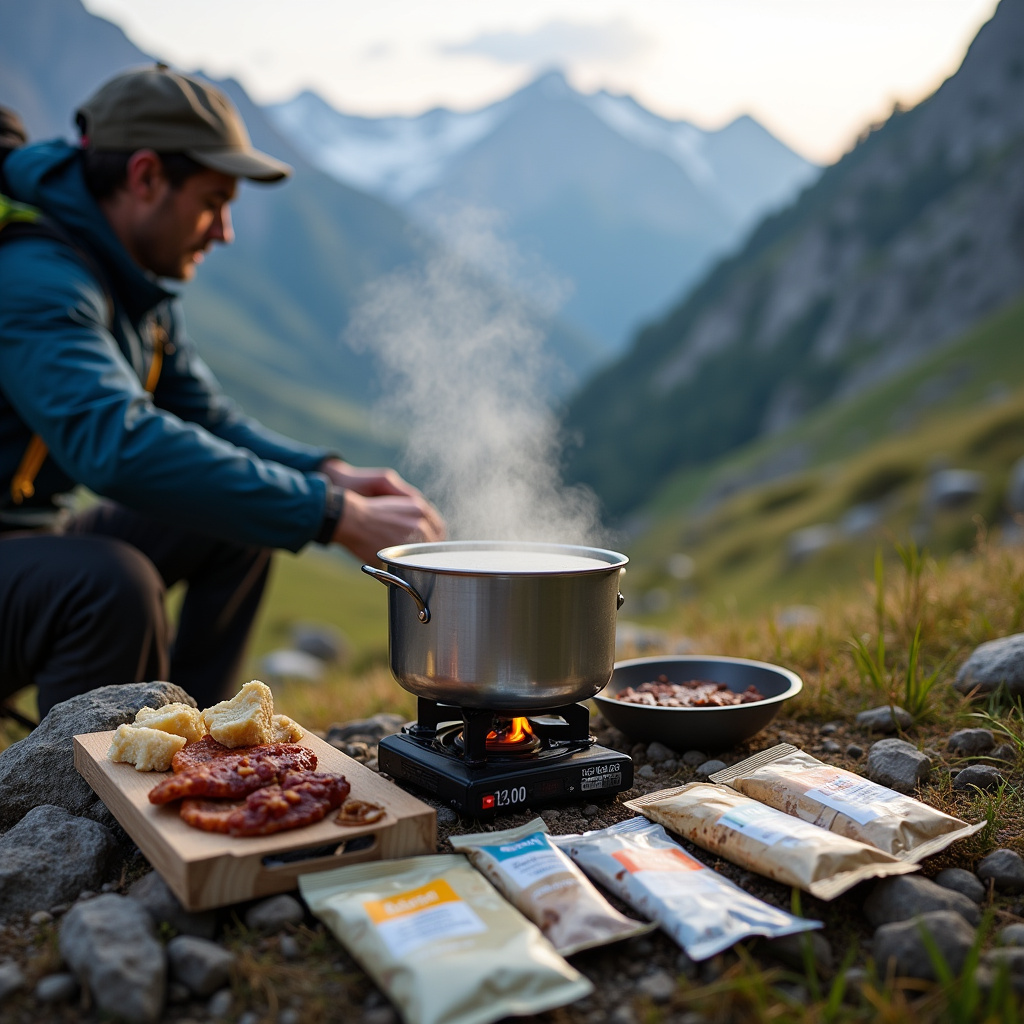
- Dehydrated Meals (Commercial & DIY): Commercial options from brands like Mountain House, Backpacker’s Pantry, or Patagonia Provisions are super convenient – just add hot water. For a more budget-friendly and customizable approach, invest in a dehydrator. You can dehydrate everything from chili and pasta sauces to stews and rice dishes. Rehydrate them in a freezer bag for easy cleanup.
- Ramen Noodle Hacks: Beyond the basic packet, ramen can be transformed. Drain the seasoning packet and add your own dehydrated veggies, jerky, a dash of soy sauce, and a few drops of sesame oil. A hard-boiled egg (if early in the trip) or even some rehydrated tofu can boost protein.
- Couscous or Quinoa Dishes: These grains cook quickly. Mix with dehydrated vegetables, olive oil, spices, and a protein source like tuna, chicken, or dehydrated lentils. Adding a packet of instant gravy or soup mix can elevate the flavor.
- Instant Mashed Potatoes: surprisingly versatile. Add cheese, bacon bits, dried chives, or even instant gravy to make a hearty side or main dish.
Snacks: Sustained Energy for the Long Haul
Snacks are your secret weapon against the bonk. Graze frequently to keep your energy levels stable.
- Dried Fruit: Apricots, mangoes, apples, cherries, and raisins are packed with natural sugars for quick energy.
- Nuts and Seeds: Almonds, walnuts, cashews, pumpkin seeds, and sunflower seeds are calorie-dense and provide healthy fats and protein.
- Fruit Leathers: Lightweight, sweet, and satisfying.
- Candy & Chocolate: Don’t underestimate the power of a sweet treat for a morale boost and a quick sugar hit, especially on challenging sections of the trail. Dark chocolate also provides antioxidants.
- Electrolyte Chews/Powders: Crucial for longer, hotter treks to replenish lost salts and minerals. Brands like Nuun or Liquid IV are excellent.
Hydration & Electrolytes: The Unsung Heroes
While not food, proper hydration is inextricably linked to energy levels. Carry a reliable water filter or purification tablets. For longer or hotter trips, electrolyte supplements are vital to prevent hyponatremia and keep your body functioning optimally. Sources like REI’s Expert Advice articles consistently emphasize the importance of both food and hydration for outdoor performance.
Leave No Trace: Pack It In, Pack It Out
Finally, remember the ethical imperative of Leave No Trace. Repackage all your food into lightweight, resealable bags. This minimizes bulk, reduces potential trash, and makes cleanup easier. Crush empty packaging to save space. Carry out *all* your trash, including food scraps and wrappers. Your goal is to leave the wilderness as pristine as you found it, or even better.
Conclusion: Fuel Your Adventure Wisely
Planning your backpacking meals is an art and a science. By focusing on lightweight, high-calorie, and nutritious options, you can ensure you have the energy and morale to fully enjoy the beauty and challenge of the backcountry. Experiment with different recipes and combinations before your trip to find what works best for you. Happy trails, and happy eating!
Sources: General outdoor knowledge and best practices advocated by organizations like REI and Leave No Trace. Specific food recommendations are based on widely accepted principles in the backpacking community.