Budget Backpacking: How to Gear Up Without Breaking the Bank
Budget Backpacking: How to Gear Up Without Breaking the Bank
Backpacking, the ultimate freedom of the open trail, doesn’t have to be a privilege reserved for those with deep pockets. The allure of vast landscapes, starlit nights, and the profound connection with nature is accessible to everyone, regardless of their budget. While it’s true that high-end gear can come with a hefty price tag, smart planning, savvy shopping, and a dash of resourcefulness can get you out on the trail without breaking the bank. WildGridScout is here to show you how to embrace the wild without emptying your wallet, proving that budget backpacking isn’t just possible—it’s incredibly rewarding.
Why Budget Backpacking Matters
In an era of rising costs, finding affordable ways to pursue our passions is more important than ever. Budget backpacking isn’t about sacrificing safety or comfort; it’s about making intelligent choices, prioritizing needs over wants, and understanding that often, the most expensive gear isn’t always the best for your specific needs. It’s also about fostering a deeper appreciation for what you have and the experiences you gain.
The “Big Three” on a Budget: Shelter, Sleep, and Pack
When it comes to backpacking gear, the “Big Three” – your shelter, sleeping system, and backpack – are typically the most significant investments. But don’t despair; there are ways to cut costs without compromising quality or safety.
Shelter:
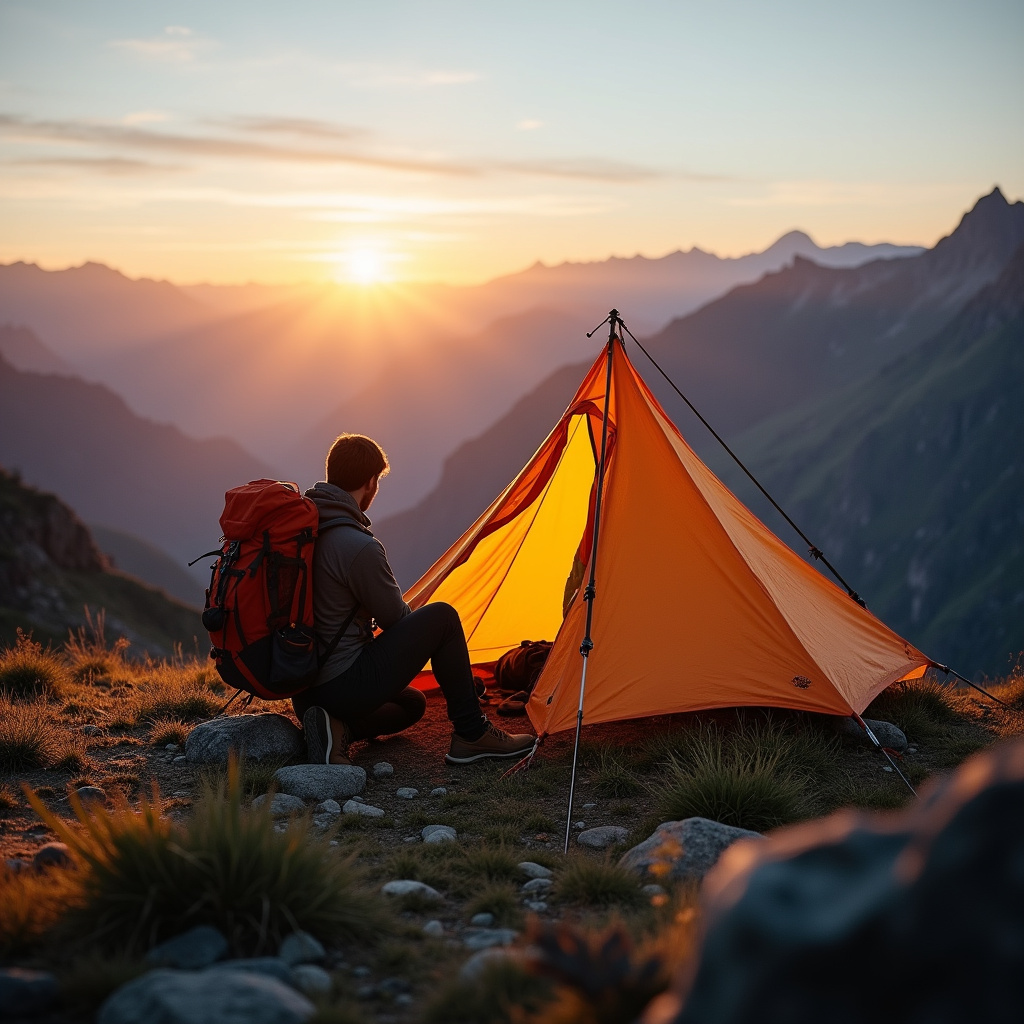
- Tarps & Bivy Sacks: Forget expensive freestanding tents. A lightweight tarp combined with a bivy sack offers excellent protection against the elements, is incredibly versatile, and often costs significantly less. Brands like ENO (Eagles Nest Outfitters) offer affordable tarps, and many smaller cottage companies provide great value. You can even DIY a simple tarp with ripstop nylon.
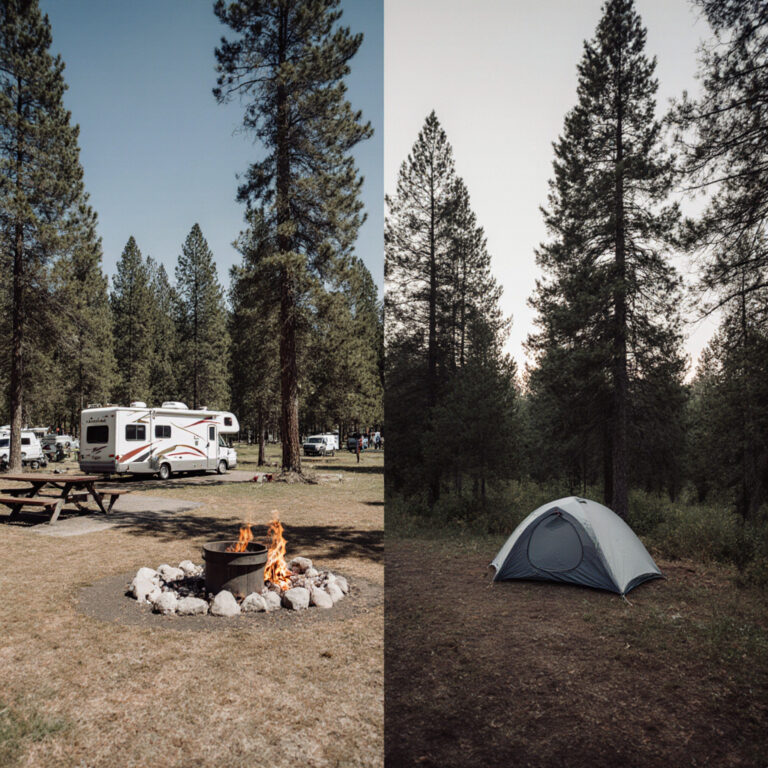
- Used Tents: Check REI’s Used Gear section, Patagonia Worn Wear, or outdoor gear consignment shops. Often, people upgrade their tents after only a few uses, leaving perfectly good gear at a fraction of the original price. Facebook Marketplace and local outdoor groups are also goldmines.
- Hammocks: For those who prefer sleeping off the ground, a basic camping hammock with an integrated bug net and a simple tarp can be a very affordable and comfortable alternative, especially in wooded areas.
Sleeping System:
- Sleeping Bag Alternatives: Down bags are great but pricey. Synthetic sleeping bags offer comparable warmth-to-weight ratios for less money, especially for three-season use. Look for reputable brands like Kelty or Marmot on sale.
- Quilts: A backpacking quilt can be lighter and cheaper than a traditional sleeping bag, as it eliminates the unnecessary insulation on the bottom that gets compressed anyway. DIY options are also popular among ultralighters.
- Sleeping Pads: Foam pads are the budget champion. They are incredibly durable, puncture-proof, and significantly cheaper than inflatable pads. Brands like Therm-a-Rest’s Z Lite SOL or NEMO’s Switchback are excellent choices. While less compact, they offer reliable insulation.
Backpack:
- Simple Designs: Often, the more features a pack has, the higher the price. Look for simpler, top-loading designs without too many unnecessary pockets or straps. Brands like Osprey and Deuter have budget-friendly models that are still highly durable and comfortable.
- Used Packs: Similar to tents, backpacks are frequently sold used in excellent condition. Check the same sources: REI Used Gear, local consignment, and online marketplaces. Ensure the fit is right before purchasing.
Beyond the Big Three: Smart Savings on Essential Gear
Once the “Big Three” are sorted, focus on other essentials.
Cooking System:
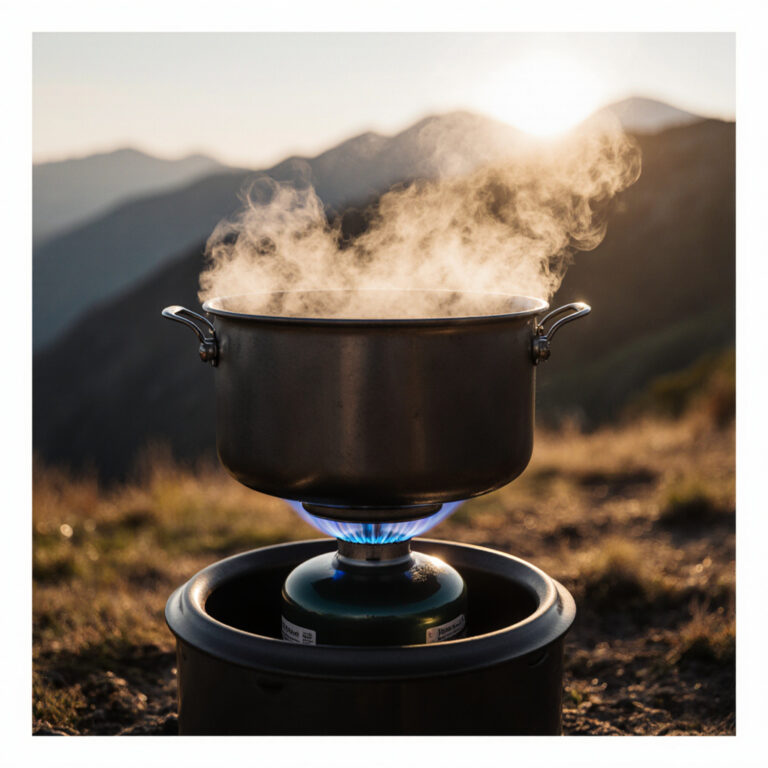
- Alcohol Stoves: These are incredibly cheap, lightweight, and efficient for simple boiling tasks. You can even make one from soda cans! Paired with a cheap aluminum pot and a spork, you’ve got a functional kitchen.
- Used Canister Stoves: Brands like MSR or Jetboil occasionally appear on used gear sites. If buying new, look for basic canister stoves from BRS or Soto for excellent value.
- No-Cook Meals: Embrace cold soaking or dehydrated meals that only require water, eliminating the need for a stove entirely for shorter trips.
Water Purification:
- Chemical Tablets: Aquamira or Katadyn Micropur tablets are the most budget-friendly and lightweight option. Keep a few on hand as a backup even if you use another method.
- Basic Filters: Sawyer Squeeze or Platypus GravityWorks are affordable and reliable filter systems. They are a one-time investment that saves money compared to buying bottled water or constantly replacing tablets.
Clothing:
- Layering is Key: Don’t buy specialized hiking clothes unless absolutely necessary. Use what you have! Merino wool base layers can be pricey, but synthetic alternatives from athletic brands work just as well for moisture-wicking.
- Thrift Stores & Sales: Look for lightweight, quick-drying athletic wear at thrift stores. Keep an eye out for sales at sporting goods stores. Avoid cotton!
- Rain Gear: A simple Frogg Toggs rain suit is incredibly lightweight, waterproof, and very affordable, though perhaps not the most durable for bushwhacking. A sturdy rain jacket from a brand like Columbia or Marmot found on sale will last longer.
Navigation:
- Smartphone Apps: Apps like Gaia GPS or AllTrails (with downloaded offline maps) can turn your smartphone into a powerful navigation tool. Always carry a power bank.
- Paper Maps & Compass: Learn to use them! A basic compass is inexpensive, and local ranger stations often provide free or low-cost trail maps. This is also a crucial backup. (Source: National Geographic, “The Essential Guide to Wilderness Navigation”)
First Aid Kit:
- DIY Kit: You don’t need a pre-packaged, expensive kit. Assemble your own with essentials like bandages, antiseptic wipes, pain relievers, blister treatment, and any personal medications. This is often cheaper and more tailored to your needs. (Source: Wilderness Medical Society, “Basic Wilderness First Aid Kit Recommendations”)
Where to Find Affordable Gear
- Used Gear Marketplaces: REI Used Gear, Patagonia Worn Wear, Poshmark, eBay, Facebook Marketplace, local consignment shops, gear swaps, and specialized forums (e.g., r/ULgeartrade on Reddit).
- Sales and Discounts: Keep an eye out for seasonal sales (Black Friday, End-of-Season), clearance sections, and coupons from outdoor retailers. Sign up for newsletters to get alerts.
- Military Surplus Stores: Often a treasure trove for durable, basic gear like tarps, backpacks (though often heavy), and cookware at low prices.
- Borrow or Rent: For infrequent trips or to try out expensive items before committing, consider borrowing from friends or renting from outdoor stores or university outdoor clubs.
- DIY: Many items can be made or adapted at home, from alcohol stoves to gear pouches and even tarps.
Mindset Matters: Embrace Minimalism
Budget backpacking is intrinsically linked to minimalist backpacking. The less gear you carry, the less you need to buy. Every item should serve a purpose, and multi-use items are your best friends. Ask yourself: “Do I really need this, or do I just want it?” Focus on essentials for safety, warmth, hydration, and nutrition.
Conclusion
Embarking on a backpacking adventure doesn’t require a second mortgage. With a strategic approach to gear acquisition, a keen eye for deals, and a commitment to minimalist principles, you can experience the profound beauty and challenge of the wilderness without financial stress. The trail awaits, and your budget-friendly journey will be all the more rewarding for the ingenuity and effort you put into it. Happy trails, WildGridScout.