Bushcraft Skills Checklist for a Scout Troop: A Leader’s Guide
Bushcraft, a term steeped in the traditions of wilderness living, is more than just a set of skills; it’s a philosophy of self-reliance, resourcefulness, and deep connection with the natural world. For Scout leaders, integrating bushcraft into troop activities offers an unparalleled opportunity to foster these vital attributes in young people. This guide provides a comprehensive checklist of essential bushcraft skills, designed to help leaders systematically introduce and develop these capabilities within their Scout troop, transforming outdoor excursions into profound learning experiences.
Why Bushcraft for Scouts?
Beyond the thrill of building a fire without matches or navigating by the stars, bushcraft instills a profound sense of confidence, problem-solving prowess, and respect for nature. It moves young people beyond merely existing in the outdoors to truly understanding and interacting with their environment. These skills are not just for survival in extreme scenarios; they build resilience, promote teamwork, and cultivate an appreciation for the simplicity and ingenuity of traditional living. For a generation increasingly connected to screens, bushcraft offers a tangible, hands-on antidote, grounding them in the realities of the natural world.
Key Bushcraft Skill Categories
Shelter Building: The First Line of Defense
- Understanding Natural Shelters: Teach the basics of lean-tos and debris huts, emphasizing insulation and protection from elements.
- Tarpology: Mastering various tarp configurations for different weather conditions (A-frame, lean-to, diamond fly).
- Site Selection: Factors like wind direction, water drainage, overhead hazards, and level ground.
- Practical Application: Have scouts identify suitable sites and construct basic emergency shelters using natural materials or tarps.
Fire Craft: Harnessing the Flame
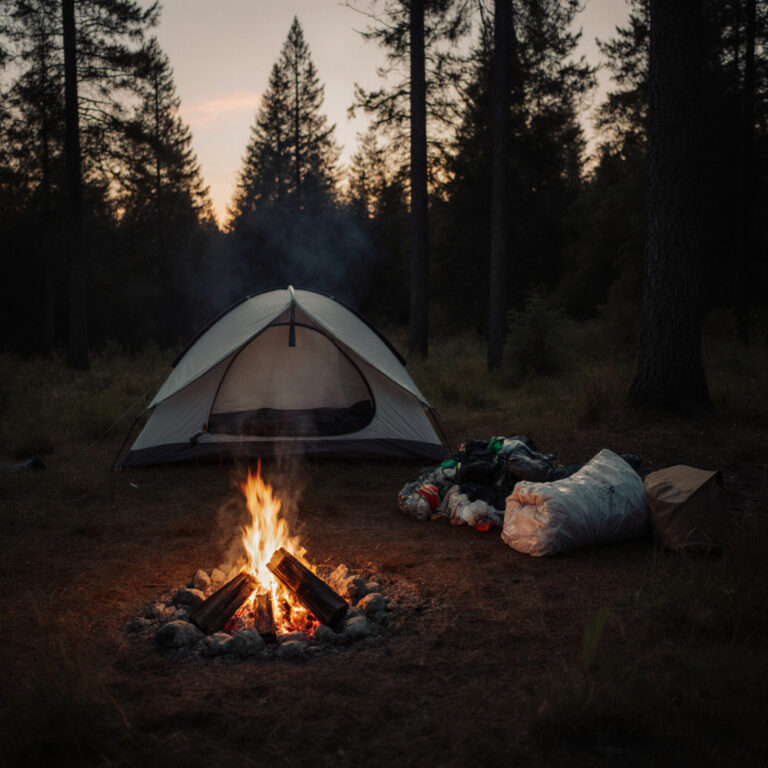
- Fire Safety Principles: Location, containment (fire ring), proper extinguishment (drown, stir, drown again).
- Tinder, Kindling, and Fuel: Identification, preparation, and proper sequencing of materials for a sustainable fire.
- Ignition Methods: Focus on safe and reliable methods like ferro rods and matches first, progressing to more primitive techniques like solar ignition or friction fire (bow drill) as skills advance.
- Fire Lays: Tepee, log cabin, star fire for different purposes (cooking, warmth, signaling).
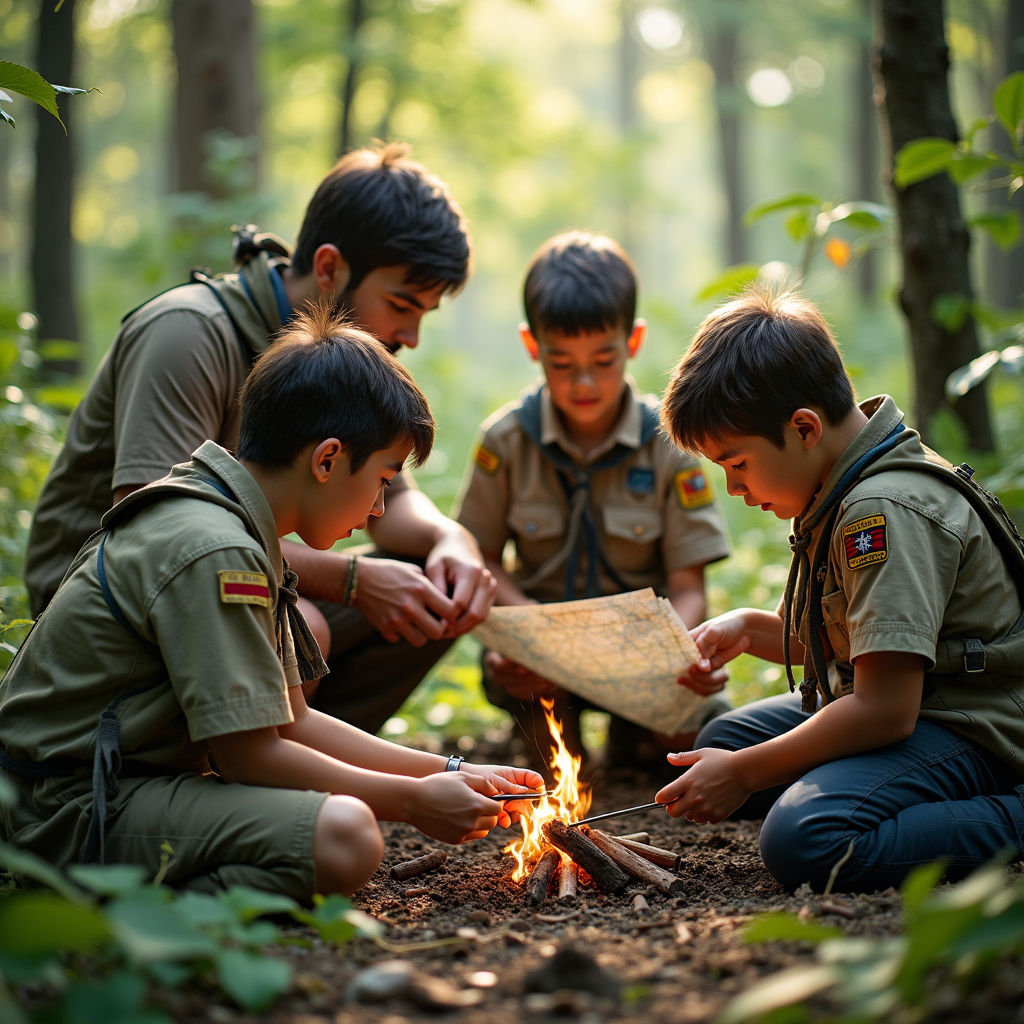
- Practical Application: Guided practice in safe fire starting using a ferro rod, gathering materials, and maintaining a small, controlled fire under strict supervision.
Water Sourcing & Purification: The Essence of Life
- Identifying Potential Water Sources: Rain, dew, ground seeps, snowmelt, and methods for collecting them.
- Basic Filtration: Using cloth, sand, and gravel as pre-filters to remove larger particulates.
- Purification Methods: Emphasize boiling (the most reliable method), chemical tablets, and the use of portable filters.
- Practical Application: Demonstrate building a simple natural water filter (for educational purposes only, always purify collected water) and the critical importance of boiling all questionable water.
Knot Tying & Rope Work: The Handy Helper
- Essential Knots: Bowline, clove hitch, taut-line hitch, square knot, sheet bend, two half-hitches.
- Practical Applications: Securing gear, hanging food bags to deter animals, creating clotheslines, simple lashings for shelter or camp crafts.
- Practical Application: Organize a “knot-off” challenge, where scouts race to tie a series of essential knots correctly and demonstrate their practical use.
Navigation: Finding Your Way
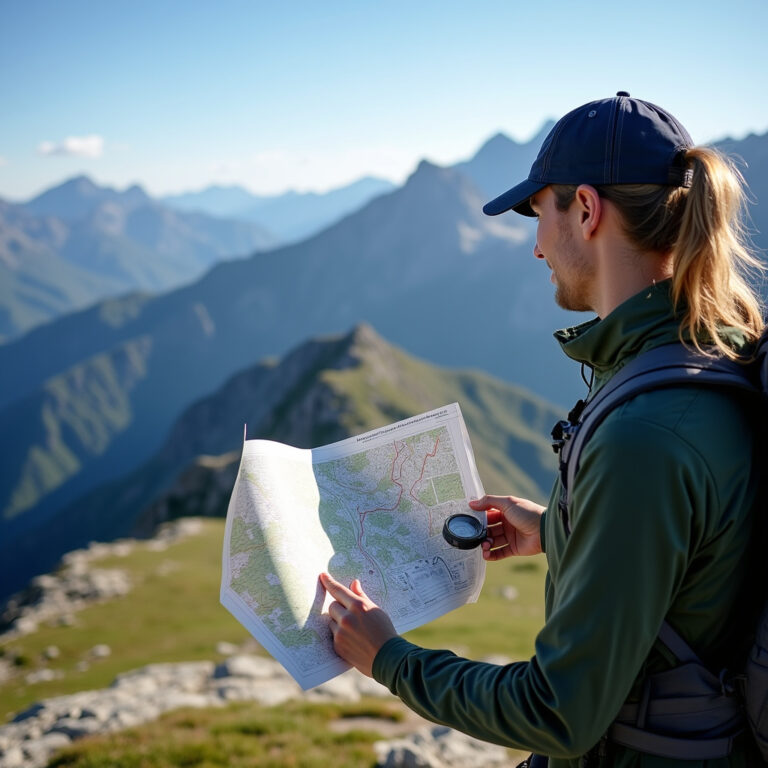
- Map Reading Fundamentals: Understanding topographic maps, contour lines, scale, legend, and magnetic declination.
- Compass Use: Orienting a map to north, taking accurate bearings, and following a bearing.
- Natural Navigation: Using the sun, stars (e.g., Polaris), moss growth patterns, and tree indicators.
- Practical Application: Set up orienteering courses where scouts navigate using map and compass to find checkpoints, emphasizing teamwork and accurate reading.
Tool Use & Safety: Respecting Your Edge
- Knife Safety: Proper grip, cutting away from the body, control cuts, sharpening basics, and safe carrying.
- Axe/Hatchet Safety: Proper stance, swing zones, felling small branches, limbing, splitting wood, and responsible sheath care.
- Saw Safety: Correct posture, proper cutting techniques for bow saws and folding saws, and safe storage.
- Practical Application: Supervised practice with a small fixed-blade knife for feather sticking or preparing kindling, emphasizing safety protocols every step of the way.
Foraging & Plant Identification (with extreme caution): Nature’s Larder
- Emphasis on “Look But Don’t Touch/Eat”: Teach identification of common edible and poisonous plants *only* with expert supervision and clear warnings about the dangers of misidentification.
- Focus on Useful Plants: Those for cordage, natural tinder, or medicinal poultices (again, with immense caution, expert guidance, and without consumption).
- Practical Application: Conduct guided nature walks to identify various plant species, clearly distinguishing between safe and unsafe, useful and non-useful, without any consumption.
Wilderness First Aid & Survival Fundamentals: Prepared for the Unexpected
- Basic First Aid: Treating common outdoor injuries such as cuts, scrapes, blisters, sprains, and insect bites.
- Hypothermia and Heatstroke: Prevention, recognition, and initial treatment for these environmental emergencies.
- Signaling for Help: Effective use of whistles, signal mirrors, and ground-to-air signals (e.g., three fires, three blasts).
- Improvising Medical Supplies: Using available materials for slings, bandages, or splints.
- Practical Application: Role-playing scenarios for common wilderness injuries and practicing signaling techniques, reinforcing the “STOP” (Stop, Think, Observe, Plan) principle.
Leave No Trace Principles: Guardians of the Wild
- The 7 Principles: Plan Ahead and Prepare, Travel and Camp on Durable Surfaces, Dispose of Waste Properly, Leave What You Find, Minimize Campfire Impacts, Respect Wildlife, Be Considerate of Other Visitors.
- Integrating LNT: Emphasize that these principles are not just rules, but an ethical framework for all outdoor activities.
- Practical Application: Conduct a “Leave No Trace” audit after every outing, having scouts identify areas for improvement and discuss how to minimize their impact.
Implementing Bushcraft in a Scout Program: A Leader’s Approach
Integrating bushcraft into a Scout troop’s curriculum requires a thoughtful and systematic approach. Begin with basic, low-risk skills and progressively introduce more complex challenges as competence and confidence grow. Bushcraft is inherently hands-on; theoretical knowledge must be cemented with ample opportunities for supervised practice. Whenever possible, seek out experienced bushcrafters or wilderness educators who can provide expert mentorship and advanced instruction.
Safety must be the paramount concern. Establish clear and non-negotiable safety rules for all activities, particularly those involving tools, fire, or water. Always ensure a well-stocked and accessible first-aid kit is present, and that leaders are current in wilderness first aid training. Finally, ensure that scouts have access to appropriate, well-maintained tools and gear for the skills they are learning, emphasizing proper care and respect for these items.
Source: The principles outlined align with best practices in outdoor education, often found in guides from reputable organizations like the Boy Scouts of America, NOLS (National Outdoor Leadership School), and various wilderness survival and outdoor skills manuals.
Conclusion
Equipping a Scout troop with bushcraft skills is an investment in their future, fostering independent thought, resilience, and a profound appreciation for the natural world. It’s about empowering them to be confident, capable, and respectful stewards of the wild. By systematically addressing this checklist, leaders can ensure their troop is not just hiking through nature, but truly living with it, one skill at a time. The lessons learned around a campfire or while building a shelter will forge memories and abilities that last a lifetime, shaping responsible and resourceful individuals prepared for any path they choose.