Cooking on a Campfire: A Guide for Beginners
There’s something truly primal and deeply satisfying about cooking over an open flame. The crackle of burning wood, the smoky aroma mingling with the scent of your meal, and the simple joy of creating delicious food in the heart of nature – it’s an experience that transcends mere sustenance. For many, campfire cooking is the quintessential outdoor skill, transforming a simple camping trip into an unforgettable culinary adventure. If you’ve always dreamed of whipping up gourmet (or even just genuinely good) meals at your campsite but felt intimidated, fear not! This guide is for every beginner eager to master the art of cooking on a campfire.
Safety First: Your Campfire’s Golden Rule
Before you even think about lighting a match, safety must be your absolute priority. A wildfire can devastate ecosystems and endanger lives, so responsible fire management is non-negotiable. Always check local fire regulations and conditions before starting a fire. If conditions are dry or windy, or if there’s a fire ban, skip the campfire and opt for a camp stove instead.
When permitted, follow these essential safety guidelines:
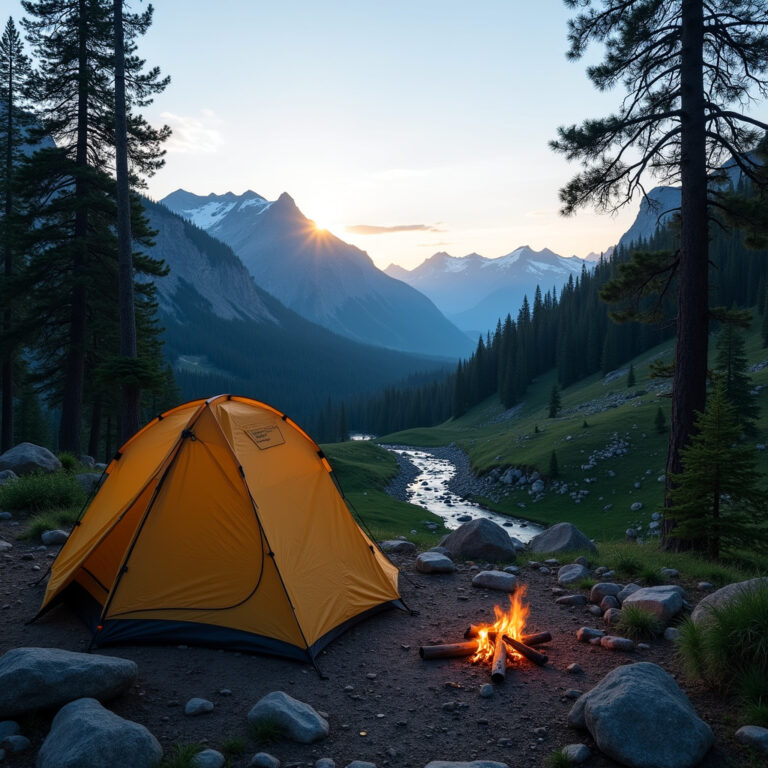
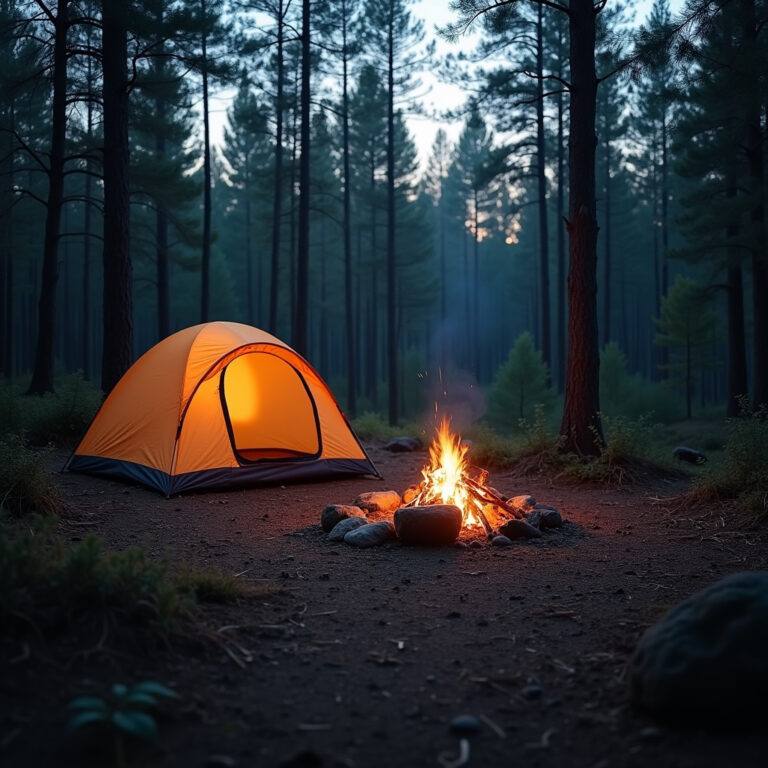
- Location: Choose a clear, level spot away from trees, overhanging branches, tents, and dry grass. Use an existing fire ring if available. If not, clear a 10-foot diameter area down to bare mineral soil.
- Containment: Build a sturdy fire ring of rocks or use a designated metal ring.
- Water & Shovel: Always have a bucket of water and a shovel nearby to extinguish runaway sparks or douse the fire completely when needed.
- Attend Your Fire: Never leave a campfire unattended, even for a moment.
- Extinguish Thoroughly: Before leaving your campsite or going to sleep, ensure your fire is “dead out.” Drown it with water, stir the ashes, and then drown it again. Feel the ashes with the back of your hand – if they’re warm, it’s not out. Repeat until cold.
Remember the Leave No Trace principle of Minimizing Campfire Impacts. Your goal is to leave no trace of your fire behind. Smokey Bear has been reminding us for decades: “Only you can prevent wildfires.”
Building the Perfect Cooking Fire
Cooking over a campfire isn’t about cooking directly in flames. It’s about cooking over hot, glowing coals. Flames are too intense and inconsistent, often charring the outside while leaving the inside raw. Coals, on the other hand, provide steady, radiant heat, similar to a charcoal grill.
To achieve good cooking coals:
- Gather Materials: You’ll need tinder (small, easily ignitable material like dry grass or dryer lint), kindling (pencil-sized sticks), and fuelwood (larger pieces of wood).
- Start Small: Build a small teepee or log cabin structure with tinder at the center, surrounded by kindling. Light the tinder.
- Gradually Add Fuel: Once the kindling catches, slowly add progressively larger pieces of fuelwood.
- Be Patient: Allow your fire to burn down for 30-60 minutes until you have a good bed of red-hot coals. You can then push some coals aside to create a cooking zone with indirect heat, or place your cooking grate directly over them for more direct heat.
Essential Minimalist Campfire Cooking Gear
You don’t need a gourmet kitchen to cook outdoors. A few versatile items will get you started:
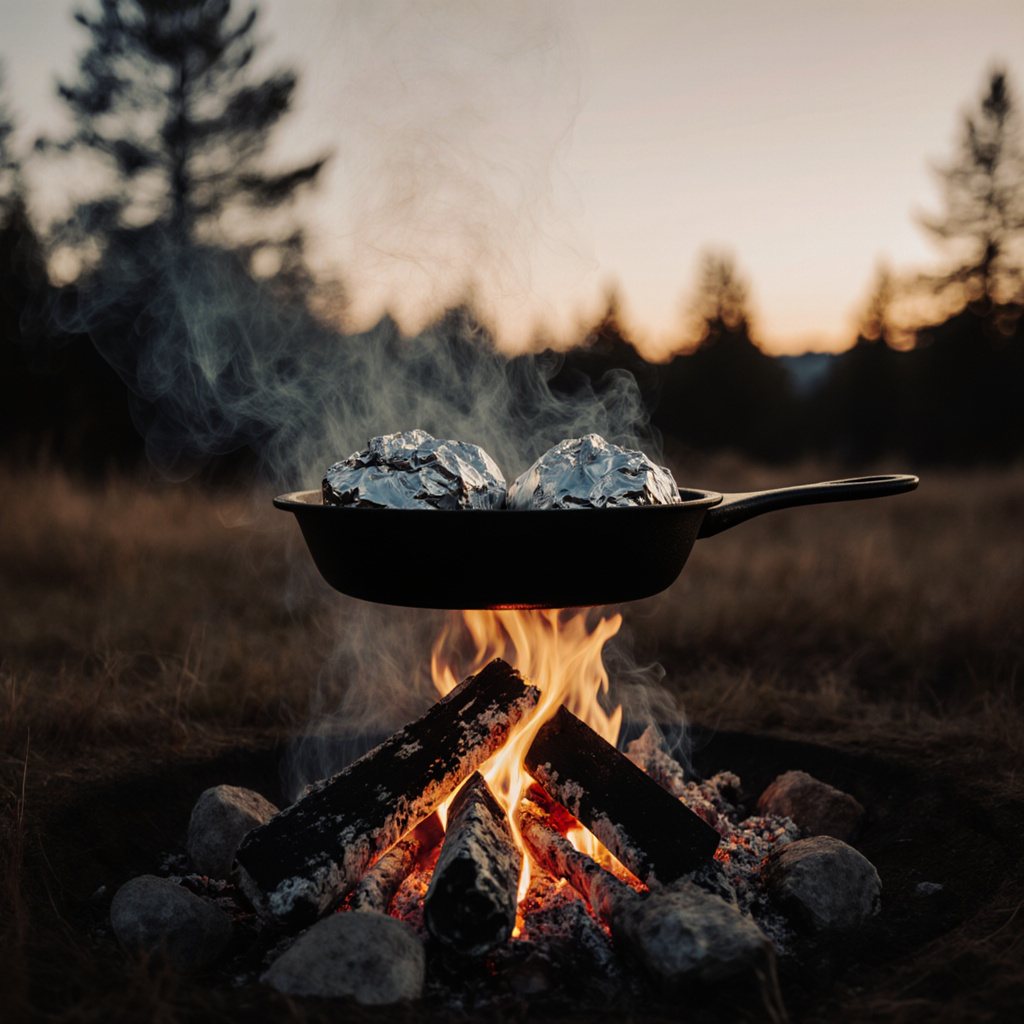
- Cast Iron Skillet or Dutch Oven: Indispensable! Cast iron heats evenly, retains heat, and can go directly into coals or over a grate. A Dutch oven is perfect for stews, baking, and even frying.
- Heavy-Duty Aluminum Foil: Your best friend for foil packet meals – easy, no-mess cooking.
- Long-Handled Tongs/Spatula: Essential for safety and maneuvering food over hot coals.
- Heat-Resistant Gloves: Protect your hands when moving hot pots or logs.
- Cooking Grate (Optional but Recommended): A simple metal grate that can be placed over your fire ring or coals provides a stable surface for pots and pans.
- Potholder/Bandana: For handling hot pot handles.
- Basic Utensils: Knife, cutting board, stirring spoon.
- Cleaning Supplies: Biodegradable soap, scrubber, towel, trash bags.
Basic Campfire Cooking Techniques for Beginners
Here are a few straightforward methods to get you started:
1. Foil Packet Cooking
This is arguably the easiest and cleanest way to cook on a campfire. Chop up your ingredients (vegetables, protein like chicken or sausage, seasonings), toss them with a little oil, seal them tightly in heavy-duty aluminum foil, and place the packets directly on hot coals (not flames) or on a grate. Flip occasionally. Cooking time varies but expect 20-45 minutes depending on ingredients. Think “hobo dinners” – potatoes, carrots, onions, and ground beef are a classic combo.
2. Skillet or Dutch Oven Cooking
Once you have a good bed of coals, place your cast iron skillet or Dutch oven on a cooking grate over the coals, or nestle the Dutch oven directly into the coals. For baking in a Dutch oven, place coals on the lid as well. You can sauté, fry, simmer, or even bake bread with this method. Scrambled eggs, bacon, pancakes, chili, and even campfire pizza are all within reach.
3. Cooking on a Stick
The original campfire cooking method! Perfect for hot dogs, marshmallows, or even crescent roll dough wrapped around a stick and cooked until golden brown. Choose a sturdy, green (not dry) stick, strip off the bark, and cook slowly over embers, rotating frequently.
4. Grilling over Coals
If you have a cooking grate, you can grill almost anything you’d put on a backyard grill: steaks, burgers, corn on the cob, vegetable skewers. Place the grate over your bed of hot coals and cook as you normally would, managing the heat by moving items around the grate or adjusting the distance from the coals.
Simple Campfire Recipes to Try
- Breakfast Burritos: Scramble eggs in a skillet, warm tortillas in foil, add pre-cooked sausage or bacon, cheese.
- Baked Potatoes: Wrap potatoes in foil, place in coals for 45-60 minutes, turning occasionally. Serve with butter, cheese, and chives.
- Corn on the Cob: Wrap husked corn in foil with a pat of butter, cook in coals for 15-20 minutes.
- Quesadillas: Heat tortillas in a skillet, fill with cheese and any leftover protein, fold, and cook until golden and melty.
- S’mores: The ultimate campfire dessert. Roast marshmallows on a stick until golden brown and gooey, then sandwich between graham crackers with a piece of chocolate.
Cleanup and Leaving No Trace
After the feast, don’t forget proper cleanup:
- Dishes: Scrape food scraps into your trash bag. Wash dishes away from water sources using biodegradable soap.
- Trash: Pack out everything you pack in. Leave no trash behind.
- Fire: Ensure your fire is completely extinguished as described in the safety section.
Tips for Success
- Patience is Key: Campfire cooking takes longer and requires more attention than cooking at home. Embrace the slower pace.
- Practice Makes Perfect: Your first attempt might not be flawless, and that’s okay! Learn from each experience.
- Prep at Home: Chop vegetables, mix spices, and pre-measure ingredients at home to minimize mess and effort at the campsite.
- Manage Your Heat: Learn to move coals around to create hotter or cooler zones. A shovel is invaluable for this.
Cooking on a campfire is more than just preparing a meal; it’s an integral part of the outdoor experience. It connects us to tradition, simplifies our approach to food, and provides a rewarding challenge. With a little preparation, attention to safety, and a willingness to learn, you’ll soon be a confident campfire chef, delighting in delicious meals under the open sky. Happy cooking!