Dealing with Insects and Pests in the Backcountry
Dealing with Insects and Pests in the Backcountry
Ah, the backcountry! A symphony of rustling leaves, the scent of pine, the grandeur of untouched landscapes… and the incessant buzzing of mosquitoes, the sneaky crawl of a tick, or the sudden sting of an angry hornet. While we venture into the wilderness seeking solace and adventure, we inevitably share the space with its original inhabitants – the insects and pests. Ignoring them isn’t an option; effectively dealing with them is a crucial skill for any outdoor enthusiast. At WildGridScout, we believe preparedness is paramount, and that includes understanding, preventing, and treating encounters with the smaller, often more irritating, residents of the wild.
Understanding Your Adversaries: Common Backcountry Pests
Before we can effectively deal with them, it’s vital to know who you’re up against. Different pests pose different challenges and require varied approaches.
- Mosquitoes: The quintessential backcountry annoyance. They thrive in stagnant water and are most active at dawn and dusk. Beyond the itchy bites, they can transmit diseases like West Nile Virus and Zika Virus, though this risk varies geographically.
- Ticks: Small, insidious arachnids that latch onto skin, often in grassy or wooded areas. They are notorious carriers of Lyme disease, Rocky Mountain spotted fever, and other serious illnesses. Checking for ticks regularly is non-negotiable.
- Black Flies and Gnats: These tiny, swarming insects are particularly prevalent near flowing water in certain seasons. Their bites, while less itchy than mosquitoes, can be numerous and irritating, sometimes leading to localized swelling.
- Chiggers (Mites): Microscopic larvae that burrow into skin pores, causing intensely itchy red welts, often around tight clothing areas. They are common in tall grasses and bushy areas.
- Bees, Wasps, and Hornets: While generally not aggressive unless provoked or defending their nests, their stings are painful and can be dangerous for individuals with allergies.
- Spiders: Most spiders are harmless to humans, but a few, like the Black Widow or Brown Recluse in North America, possess venom that can cause significant medical issues. Bites are rare but important to identify.
The Best Defense is a Good Offense: Prevention Strategies
Prevention is your primary tool in the battle against backcountry pests. A proactive approach can significantly reduce your discomfort and risk.
1. Repellents: Your First Line of Defense
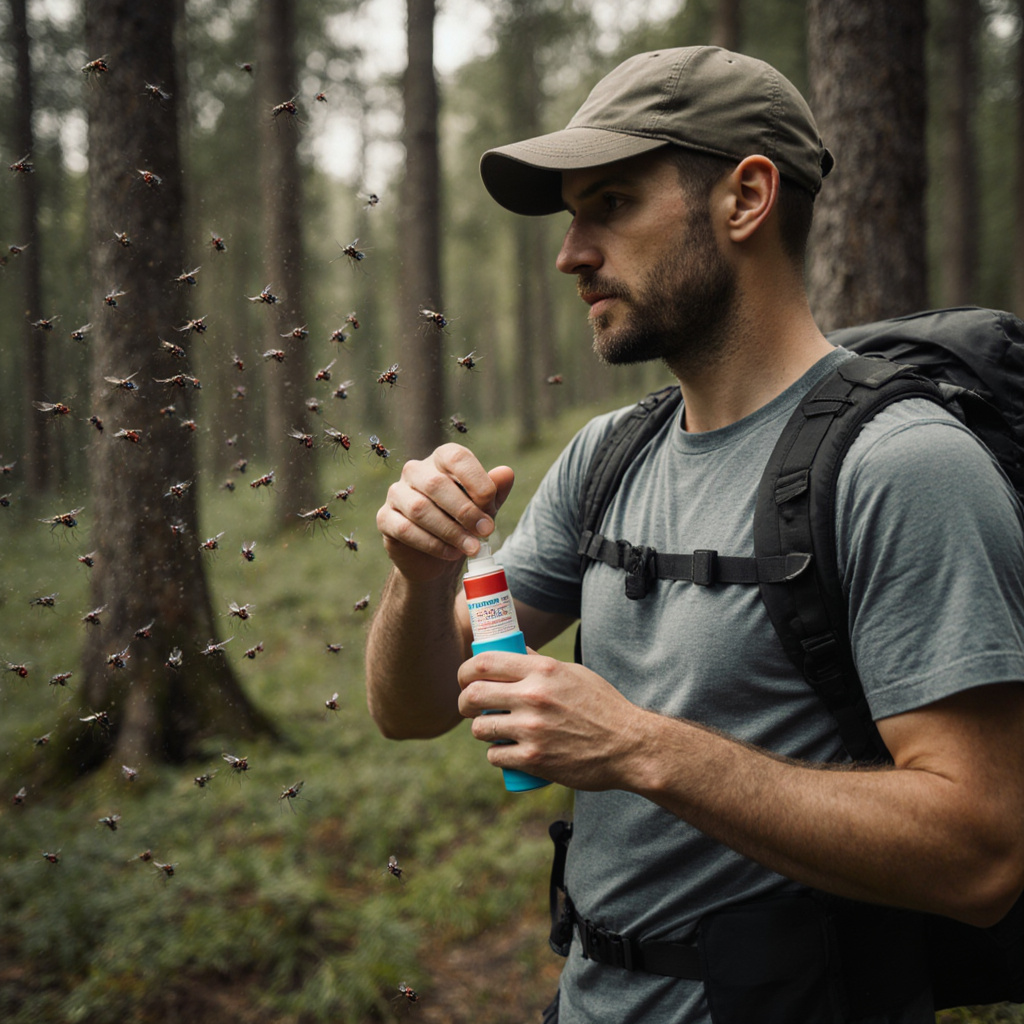
- DEET: Highly effective against mosquitoes, ticks, and other biting insects. Concentrations from 20-30% are usually sufficient for several hours of protection. Always apply according to manufacturer instructions.
- Picaridin: A good alternative to DEET, offering similar effectiveness and often preferred for its non-greasy feel and lack of plastic-damaging properties.
- Oil of Lemon Eucalyptus (OLE): A plant-based option approved by the CDC as an effective repellent. It offers protection comparable to lower concentrations of DEET for several hours.
- Permethrin-Treated Clothing: Permethrin is an insecticide, not a repellent, that can be applied to clothing, tents, and gear (never directly to skin). It kills ticks, mosquitoes, and other insects on contact and can remain effective through several washes. Many outdoor clothing brands offer pre-treated garments. Source: Centers for Disease Control and Prevention (CDC) – Insect Repellent Use.
2. Strategic Clothing Choices:
- Cover Up: Long-sleeved shirts and long pants provide a physical barrier. Lightweight, breathable fabrics are key for comfort.
- Light Colors: Ticks and some other insects are reportedly more attracted to dark colors. Light-colored clothing also makes it easier to spot ticks crawling on you.
- Tuck It In: Tuck your pants into your socks or boots to create a barrier against ticks and chiggers.
3. Campsite Selection:
- Avoid Stagnant Water: Mosquitoes breed in standing water. Choose campsites away from ponds, marshes, and slow-moving streams.
- Embrace the Breeze: A slight breeze can deter mosquitoes and black flies. Opt for elevated or open areas where air circulates.
- Clear the Area: If possible, clear away leaf litter and tall grass from around your tent, reducing hiding spots for ticks and chiggers.
4. Shelter Smarts:
- Quality Tents and Bug Nets: Ensure your tent has intact mesh screens on doors and windows. A head net can be a lifesaver during peak bug activity.
- Minimize Entry: Get in and out of your tent quickly, and keep zippers closed to prevent insects from entering.
5. Personal Hygiene (within Leave No Trace principles):
While scent can attract some insects, maintaining basic hygiene can also reduce odors that might draw them.
When Prevention Fails: Treatment and Management
Despite your best efforts, bites and stings can happen. Knowing how to respond is crucial for comfort and safety.
1. For Mosquito, Black Fly, Gnat, and Chigger Bites:
- Clean the Area: Wash with soap and water.
- Reduce Itch: Apply hydrocortisone cream, calamine lotion, or an antihistamine cream. Oral antihistamines (like diphenhydramine) can also help with widespread itching and allergic reactions.
- Avoid Scratching: This can lead to infection.
2. Tick Removal:
- Promptness is Key: The sooner a tick is removed, the lower the risk of disease transmission.
- Proper Technique: Use fine-tipped tweezers to grasp the tick as close to the skin’s surface as possible. Pull upward with steady, even pressure. Do not twist or jerk the tick, which can cause the mouthparts to break off in the skin. Source: CDC – Tick Removal.
- After Removal: Clean the bite area and your hands with rubbing alcohol or soap and water. Monitor the bite site for several weeks for signs of rash or fever.
3. Bee, Wasp, and Hornet Stings:
- Remove Stinger (if present): Bees leave their stinger; wasps and hornets do not. Scrape the stinger out with a fingernail or credit card—do not squeeze it with tweezers, as this can inject more venom.
- Clean and Cool: Wash the area with soap and water, and apply a cold compress to reduce swelling and pain.
- Pain Relief: Over-the-counter pain relievers (e.g., ibuprofen) and antihistamines can help.
- Allergic Reactions: For individuals with severe allergies, an epinephrine auto-injector (EpiPen) is critical. Know how to use it and carry it. Seek immediate medical attention for signs of anaphylaxis (difficulty breathing, swelling of face/throat, dizziness).
4. Spider Bites:
- Clean: Wash the area thoroughly with soap and water.
- Cold Compress: Apply a cold compress to reduce swelling and pain.
- Elevate: If the bite is on a limb, elevate it.
- Seek Medical Attention: For suspected bites from venomous spiders, or if symptoms worsen (e.g., spreading redness, fever, increasing pain), seek medical attention promptly. Try to safely capture the spider for identification if possible.
Leave No Trace: Coexisting with Critters
Remember the principles of Leave No Trace. While we protect ourselves, we also aim to minimize our impact on the wildlife, including insects. Avoid unnecessarily disturbing nests or hives. Dispose of food scraps properly to avoid attracting unwanted attention from larger pests (and their insect hangers-on). Our goal is to pass through the wilderness respectfully, leaving it as wild as we found it.
Embrace the Outdoors, Prepared
Dealing with insects and pests in the backcountry is an unavoidable aspect of outdoor life. But with the right knowledge, preparation, and gear, these encounters can be managed effectively, ensuring they don’t overshadow the beauty and tranquility of your wilderness experience. So pack your repellent, don your long sleeves, and step confidently into the wild – prepared for anything.