EDC Loadout for Urban Preparedness: A Minimalist Approach
EDC Loadout for Urban Preparedness: A Minimalist Approach
In an increasingly unpredictable world, the concept of preparedness has transcended the bounds of wilderness survivalists and preppers. Urban environments, while offering comforts and conveniences, are not immune to disruptions – from power outages and natural disasters to public safety concerns. This reality has brought the Everyday Carry (EDC) movement into the mainstream, advocating for a curated selection of essential items carried daily to navigate unforeseen challenges. For the WildGridScout reader, accustomed to efficiency and practicality in the outdoors, applying a minimalist philosophy to urban EDC is not just logical; it’s essential for true readiness without unnecessary bulk.
The Philosophy of Less is More for Urban Readiness
The core principle of minimalist EDC is simple: carry only what you need, nothing more. This isn’t about deprivation; it’s about thoughtful selection, ensuring every item serves multiple purposes or a critical, singular function. For urban preparedness, this means prioritizing items that address common threats or inconveniences without weighing you down or drawing unwanted attention. A heavy, overstuffed bag is often left behind, rendering its contents useless when you truly need them. A well-considered, lightweight EDC, conversely, is something you’ll consistently carry, making you truly prepared.
A minimalist approach encourages a deeper understanding of your environment and your personal skill set. Gear is an enabler, but your knowledge and awareness are your primary tools. Your EDC should complement these, not replace them.
Building Your Minimalist Urban EDC: Core Categories
Let’s break down the essential components of a minimalist urban EDC, focusing on versatility and compact design.
1. Cutting Tool: Versatility in Your Pocket
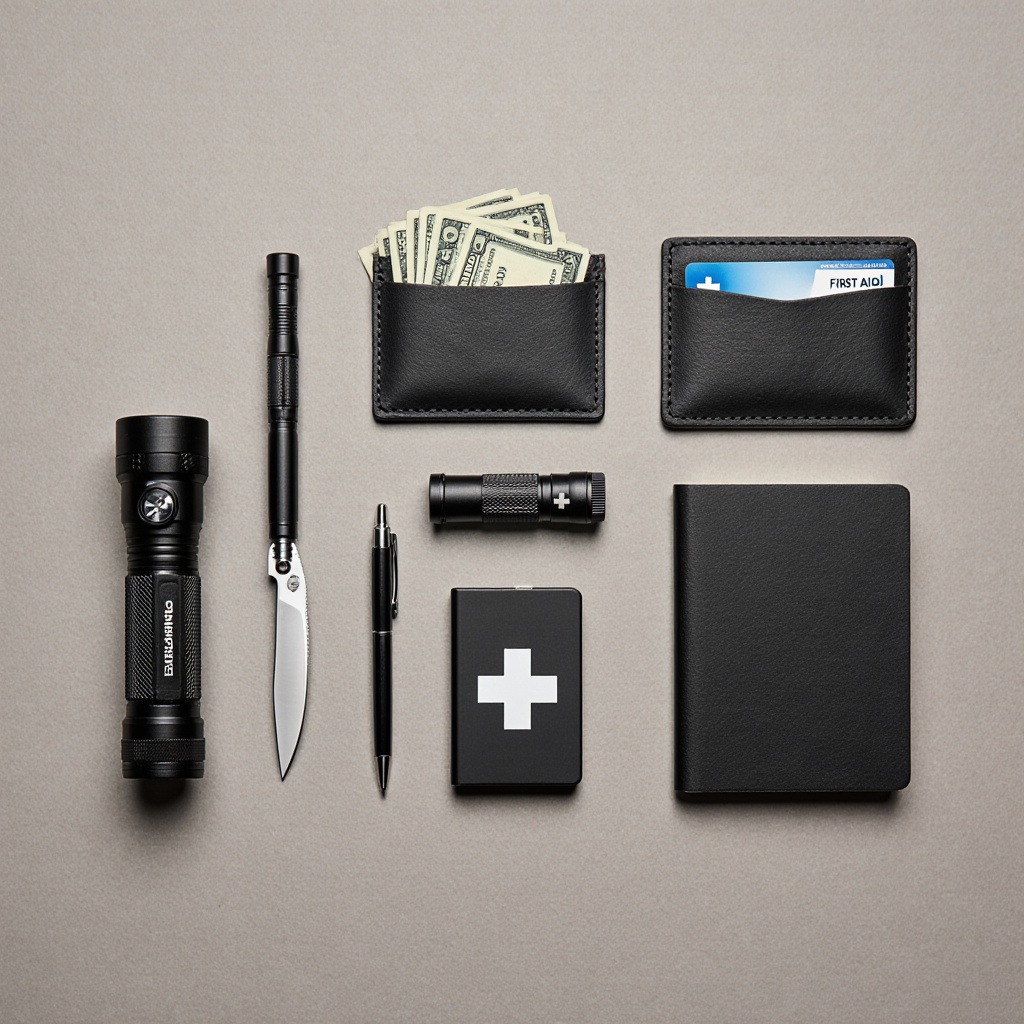
A reliable cutting tool is perhaps the most universally useful item in any EDC. For urban environments, a compact, legally permissible folding knife is often sufficient. Look for one with a strong, sharp blade made from quality steel that can handle tasks from opening packages to cutting cordage in an emergency. Alternatively, a multi-tool can offer additional functionalities like pliers, screwdrivers, and bottle openers, which are invaluable for everyday fixes and minor repairs. The key is to choose one that is comfortable to carry and easy to deploy. Everyday Carry offers extensive guides on selecting appropriate cutting tools for various needs.
2. Illumination: Shedding Light on the Unforeseen
Even in a city teeming with artificial light, power outages or navigating poorly lit areas can quickly become disorienting or dangerous. A small, powerful LED flashlight is a non-negotiable component. Modern EDC flashlights are incredibly bright, durable, and compact enough to fit on a keychain or inconspicuously in a pocket. rechargeable options are increasingly popular, ensuring you always have power when you need it most. Consider models with multiple output settings and a robust build.
3. First Aid: Addressing Minor Injuries and Emergencies
A compact personal first-aid kit is crucial. While not designed for major trauma (which requires professional medical intervention), it should contain essentials for common urban mishaps: adhesive bandages, antiseptic wipes, pain relievers, blister treatment, gauze, and medical tape. Customize it based on your personal needs, such as allergy medication or any prescription drugs you regularly take. Remember, even a small cut can become infected without proper care. For guidance on assembling a basic kit, resources like the American Red Cross provide excellent recommendations.
4. Communication & Information: Staying Connected and Informed
Your smartphone is undoubtedly your primary communication device, but don’t rely solely on it. A small, portable power bank with a charging cable is critical for extending battery life during extended outages. Beyond this, a small, durable pen and a waterproof notebook can be invaluable for jotting down critical information, directions, or messages when digital devices fail or are inappropriate to use. Knowing a few key emergency contact numbers by heart is also a low-tech, high-impact preparedness strategy.
5. Financial & Identification: Prepared for Transactions and Emergencies
A minimalist wallet containing your identification (driver’s license, health insurance card), essential credit/debit cards, and a small amount of emergency cash in various denominations is fundamental. Digital payment methods are convenient, but cash is king when electronic systems are down. Keep your wallet slim and organized to reduce bulk and make quick access easier.
6. General Utility & Adaptability: The “What If” Items
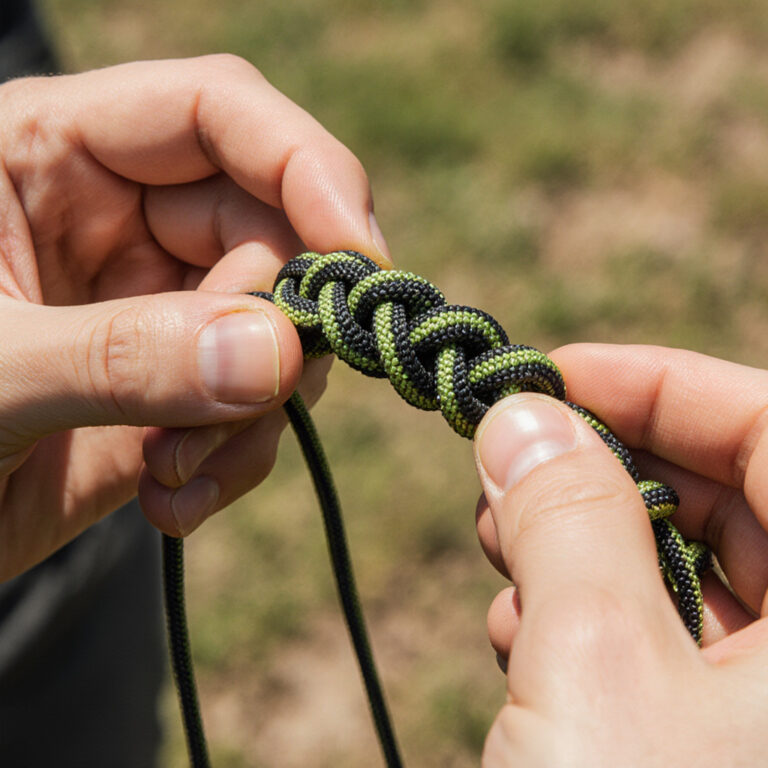
These are the items that fill gaps and offer solutions to unexpected problems. Think minimal, multi-functional: a small length of paracord (for tying, securing, improvised repairs), a few zip ties, or a small roll of duct tape wrapped around a card. These items take up minimal space but can be surprisingly useful in a pinch. They embody the spirit of improvisation and adaptability, core tenets of effective preparedness.
Beyond the Gear: Mental Preparedness and Situational Awareness
No amount of gear can replace a prepared mind. Situational awareness – being observant of your surroundings, understanding potential threats, and recognizing safe exits – is arguably the most vital component of urban preparedness. Couple this with a basic understanding of urban navigation (even without a GPS), and the ability to stay calm under pressure, and your minimalist EDC becomes infinitely more powerful. Regular practice and mental rehearsal of emergency scenarios will sharpen your response and boost your confidence.
Conclusion: Your Daily Companion for Urban Resilience
A minimalist urban EDC is not about paranoia; it’s about proactive responsibility and cultivating resilience. By thoughtfully selecting a few versatile and high-quality items and integrating them into your daily routine, you empower yourself to face unexpected challenges with greater confidence and capability. Remember, the best EDC is the one you actually carry and know how to use. Stay prepared, stay aware, and navigate the urban landscape with the confidence of a true WildGridScout.
Sources:
- Everyday Carry. (n.d.). Everyday Carry. Retrieved from EverydayCarry.com (General resource for EDC concepts and gear reviews).
- American Red Cross. (n.d.). First Aid & CPR Classes. Retrieved from RedCross.org (Information on basic first aid and kit contents).