
Embrace the Breeze: An Ultralight 72-Hour Appalachian Trail Adventure
The Appalachian Trail (AT) is a legend, a verdant ribbon stretching over 2,000 miles through the eastern United States, beckoning hikers with its promise of epic journeys and profound self-discovery. While many dream of a thru-hike, the reality for most of us is snatched weekends and precious few vacation days. But what if you could still capture the essence of the AT – the challenge, the beauty, the solitude – in just 72 hours? Even better, what if you could do it carrying nothing but the absolute essentials? Welcome to the world of ultralight backpacking, perfectly suited for a three-day AT section adventure.
At WildGridScout, we believe that outdoor experiences should be accessible and enjoyable, not a test of who can carry the heaviest load. An ultralight approach to a 72-hour AT section hike isn’t just about reducing weight; it’s about maximizing your connection with the trail, moving with greater agility, and embracing the freedom that comes with true minimalism. This guide will equip you with the knowledge to plan, pack, and conquer a memorable ultralight weekend on America’s most beloved footpath.
Why Ultralight for a 72-Hour AT Section?
The philosophy behind ultralight backpacking for shorter trips is simple yet transformative. When your pack weighs less, every step feels lighter. You conserve energy, reducing fatigue and allowing you to cover more ground comfortably, or simply enjoy your surroundings more deeply. A lighter load also minimizes strain on your joints, a significant benefit for anyone looking to make hiking a lifelong pursuit. For a 72-hour stint on the AT, shedding unnecessary ounces means you can focus on the iconic vistas, the whisper of the wind through the pines, and the simple rhythm of walking.
Furthermore, an ultralight kit forces a deliberate decision-making process. Every item must earn its place. This critical evaluation cultivates a deeper understanding of what you truly need versus what you merely want, a lesson that often extends beyond the trail. It’s about efficiency, resilience, and a profound appreciation for the gear that genuinely supports your adventure. For a short, focused trip, this approach allows for an immersive experience without being burdened by excessive bulk.
The Ultralight 72-Hour AT Gear List: Less is More
The core of an ultralight setup revolves around the “Big Three”: your shelter, sleep system, and backpack. For a 72-hour AT hike, especially during shoulder seasons or warmer months, you can drastically reduce the weight of these items without sacrificing safety or comfort. Here’s a minimalist breakdown:
- Shelter: Forget heavy tents. Opt for a tarp, a lightweight trekking pole tent (often under 2 lbs), or even a bivy sack if conditions permit and you’re comfortable with minimal protection. The goal is adequate coverage from rain and bugs, not a palace.
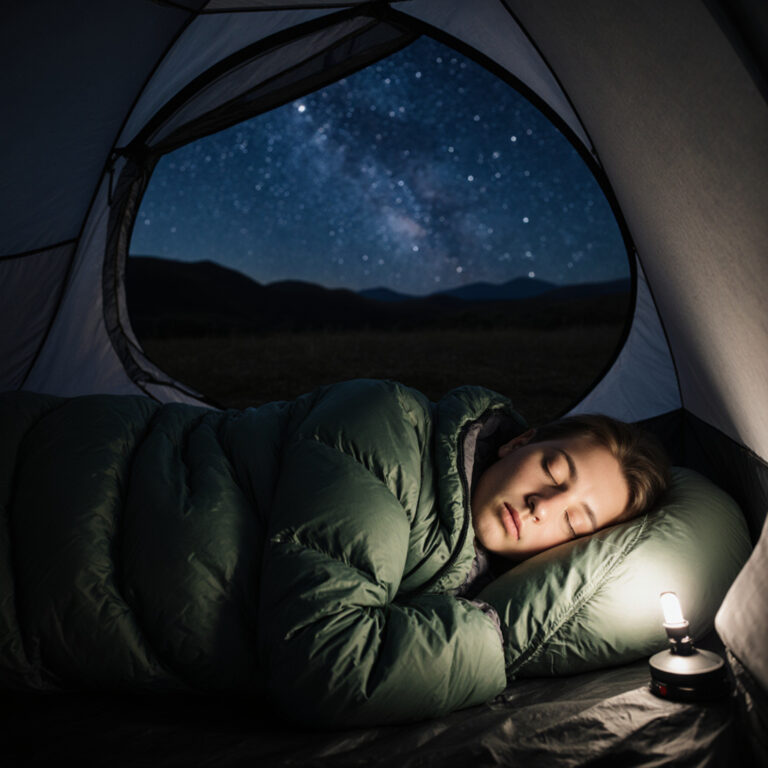
- Sleep System: A lightweight sleeping bag or quilt rated for the lowest expected night temperature in your chosen AT section is key. Pair this with an inflatable sleeping pad for insulation and comfort. Consider a half-length pad to save ounces if your pack provides adequate lower body insulation.
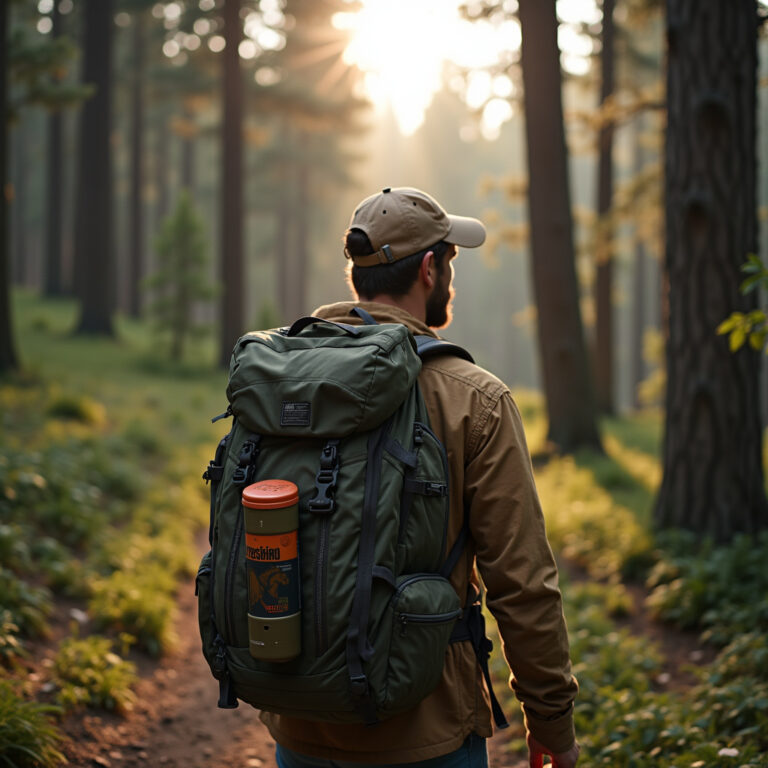
- Backpack: A frameless or lightweight framed pack (30-45 liters) should be ample. Your base weight (pack weight minus consumables like food and water) should ideally be under 10-12 pounds.
Beyond the Big Three, every ounce counts:
- Clothing: A single hiking outfit (quick-drying synthetics or merino wool), a warm layer for camp (light fleece or puffy jacket), rain gear (ultralight jacket and pants), and an extra pair of socks. Layering is your friend.
- Cooking: A small, efficient stove (e.g., canister stove or alcohol stove) with a single pot, a spork, and minimal fuel for two days. Consider cold soaking if you want to go even lighter and simplify.
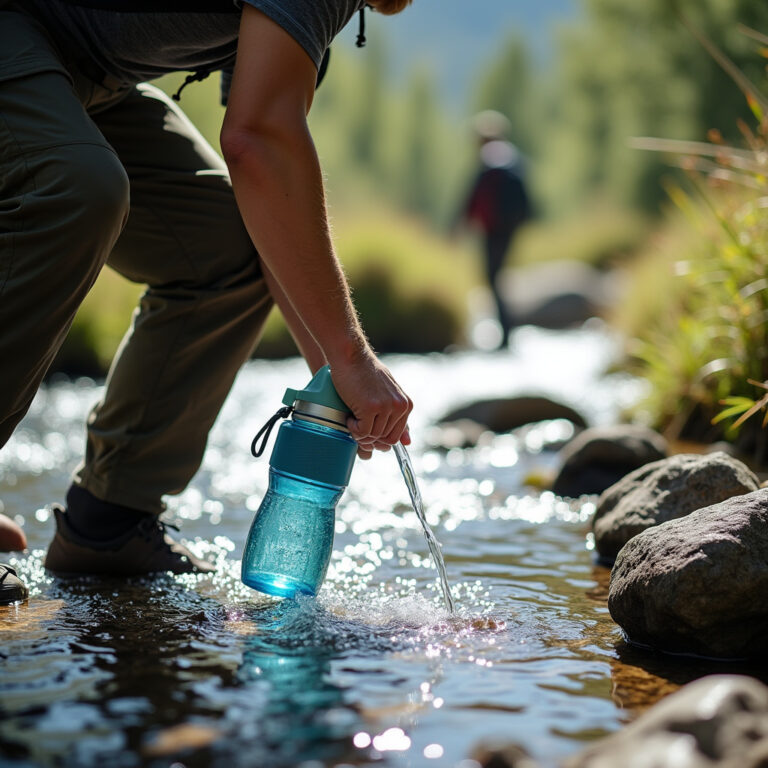
- Hydration: A water filter/purifier (e.g., Sawyer Squeeze) is non-negotiable. Carry a 1-liter water bottle and a collapsible dirty water bag. The AT has many water sources, so carrying excessive amounts of water is often unnecessary.
- Navigation: A physical map of your section (waterproofed) and a compass are essential backups. Your smartphone with a downloaded GPS app (like Gaia GPS or AllTrails) and offline maps is a powerful primary tool. Ensure it’s fully charged and bring a small power bank.
- First Aid & Safety: A compact first-aid kit, whistle, headlamp (with extra batteries), small knife, and emergency communication device (like a satellite messenger for peace of mind, especially if hiking solo).
- Essentials: Sunscreen, insect repellent, toiletries (toothbrush, small toothpaste), toilet paper, and a trowel for Leave No Trace human waste disposal.
Planning Your AT Section: Precision for a Short Window
For a 72-hour ultralight adventure, careful planning is paramount. The AT offers countless sections, each with its unique charm and challenges. Choose a section that offers relatively accessible trailheads and bail-out points, aligning with your fitness level and desired mileage. Research typical weather conditions for your chosen time of year.
Key considerations:
- Mileage: Aim for a realistic daily mileage. For 72 hours, 10-15 miles per day is a good target for most hikers, allowing for breaks and enjoyment.
- Water Sources: Identify reliable water sources along your route using up-to-date trail guides or apps. This is crucial for planning your water carries.
- Resupply (Optional): For 72 hours, you likely won’t need a resupply, but knowing potential town access points can be useful for emergencies.
- Leave No Trace: This is fundamental. Stick to marked trails, pack out everything you pack in (including food scraps), dispose of human waste properly (6-8 inches deep and 200 feet from water, trails, and campsites), respect wildlife, and minimize campfire impacts (or opt for a stove). Adherence to these principles preserves the trail for everyone. Learn more about Leave No Trace principles.
Essential Skills for a Short Burst on the Trail
Even for a brief trip, proficiency in basic outdoor skills enhances safety and enjoyment:
- Navigation: Practice using your map and compass before you go. Understand how to read contour lines and orient yourself. While GPS apps are fantastic, electronics can fail.
- Water Procurement & Purification: Know how to operate your chosen filter effectively and understand the risks of untreated water. Always filter or purify all natural water sources.
- Emergency Preparedness: Know how to signal for help, understand basic first aid for common trail injuries (blisters, sprains), and be aware of potential wildlife encounters (bears, snakes). Inform someone of your itinerary and expected return time.
- Campcraft: Efficiently setting up and breaking down your minimalist shelter, managing your food to deter critters, and proper waste disposal are vital.
Your 72-Hour AT Challenge Awaits
Imagine: Three days of fresh air, challenging climbs rewarded with panoramic views, and evenings spent under a canopy of stars. An ultralight 72-hour Appalachian Trail section hike is more than just a trip; it’s an opportunity to reset, reconnect, and rediscover the profound joy of simple living in nature. It proves that you don’t need weeks or months to experience the magic of the AT. With careful planning, a minimalist mindset, and respect for the wilderness, you can forge an unforgettable adventure that leaves you refreshed, invigorated, and longing for your next grid-scouting expedition.
So, meticulously pack your lightweight gear, study your chosen section, and prepare to embrace the breeze. The Appalachian Trail is calling, and an ultralight adventure awaits!
Sources: