Fire Safety Protocol for Camping in Drought Conditions
The crackle and warmth of a campfire have long been synonymous with the quintessential camping experience. It’s a focal point for stories, warmth, and cooking under the stars. However, as our planet faces increasingly frequent and severe drought conditions, the romantic notion of a roaring campfire must give way to a heightened sense of responsibility and stringent adherence to fire safety protocols. For the outdoor enthusiast, understanding and implementing these protocols isn’t just about following rules; it’s about protecting our wild spaces, communities, and indeed, ourselves.
Drought conditions transform our beloved wildlands into tinderboxes. Low humidity, parched vegetation, and elevated temperatures create an environment where a single spark can escalate into a devastating wildfire in mere minutes. The U.S. Forest Service and National Park Service frequently update fire danger levels and implement restrictions to mitigate these risks. As responsible campers, it is our duty to be informed and prepared, ensuring our adventures don’t inadvertently contribute to ecological disaster.
Understanding the High Stakes: Drought and Wildfire Risk
Drought is more than just a lack of rain; it’s a condition where water levels in soil, rivers, and reservoirs drop significantly, leading to extreme dryness of vegetation. This dry “fuel” becomes highly flammable. When coupled with wind and heat, even a small flame can quickly spread beyond control. Historical data unequivocally shows a direct correlation between prolonged drought periods and an increase in both the frequency and intensity of wildfires. This reality demands a proactive and preventative approach to fire management in the outdoors.
Before You Go: Pre-Trip Planning is Paramount
The foundation of safe camping in drought conditions begins long before you pack your bags. Thorough pre-trip planning is non-negotiable:
- Check Fire Restrictions Religiously: This is your absolute first step. Always consult the official websites of the managing agency for your destination—be it a National Park, National Forest, State Park, or Bureau of Land Management (BLM) area. Restrictions can range from campfire bans to complete open flame prohibitions, including charcoal grills and even certain types of portable stoves. Ignorance is not an excuse.
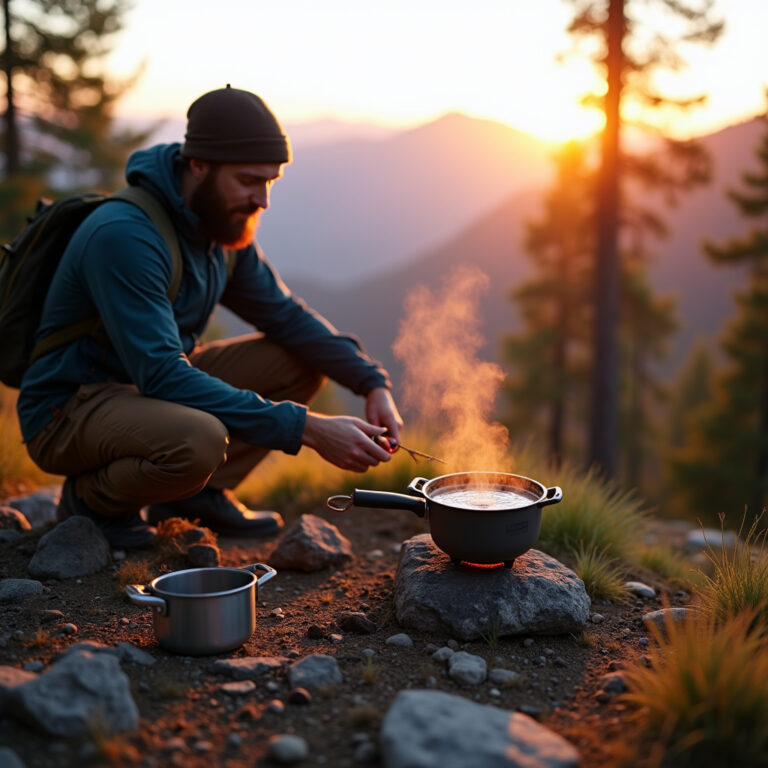
- Alternative Cooking Methods: If campfires are restricted or prohibited, plan for alternative cooking. A reliable, canister-fueled backpacking stove is often the safest bet. Ensure you know how to operate it safely, away from flammable materials, and on a stable surface. Consider cold meals or dehydrated options that only require hot water to minimize risk.
- Pack Fire Safety Gear: Even if fires are permitted, a responsible camper always carries essential safety tools. This includes a shovel (a sturdy trowel or folding shovel), a bucket or large water container, and potentially a fire extinguisher or a fire blanket for emergencies. The goal is to be able to immediately address any errant sparks or small flames.
On-Site Fire Safety: If a Campfire is Permitted
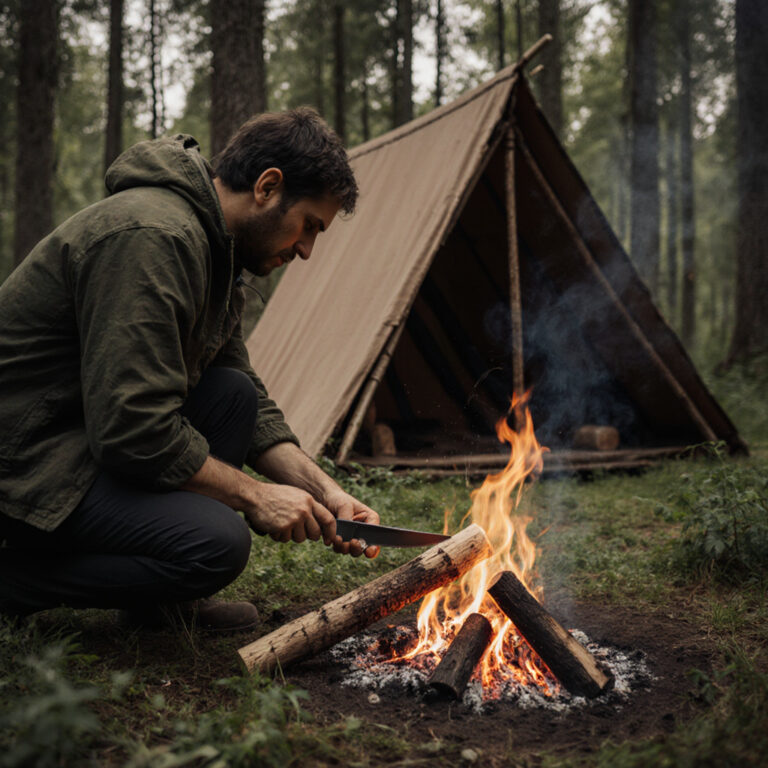
In the rare instances where campfires are permitted during drought conditions (often in designated, highly controlled campgrounds), extreme caution is still required. Adhere to these stringent protocols:
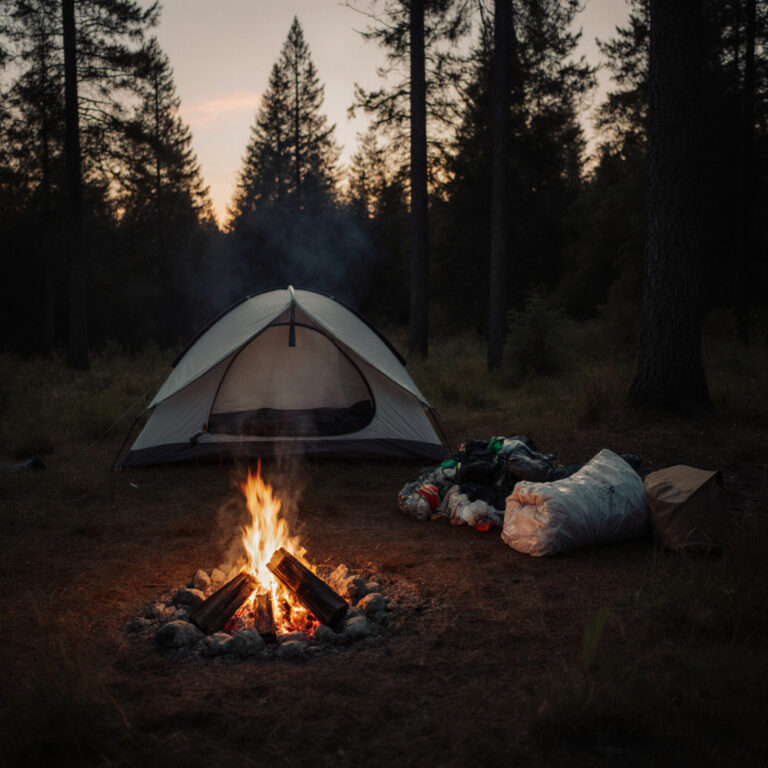
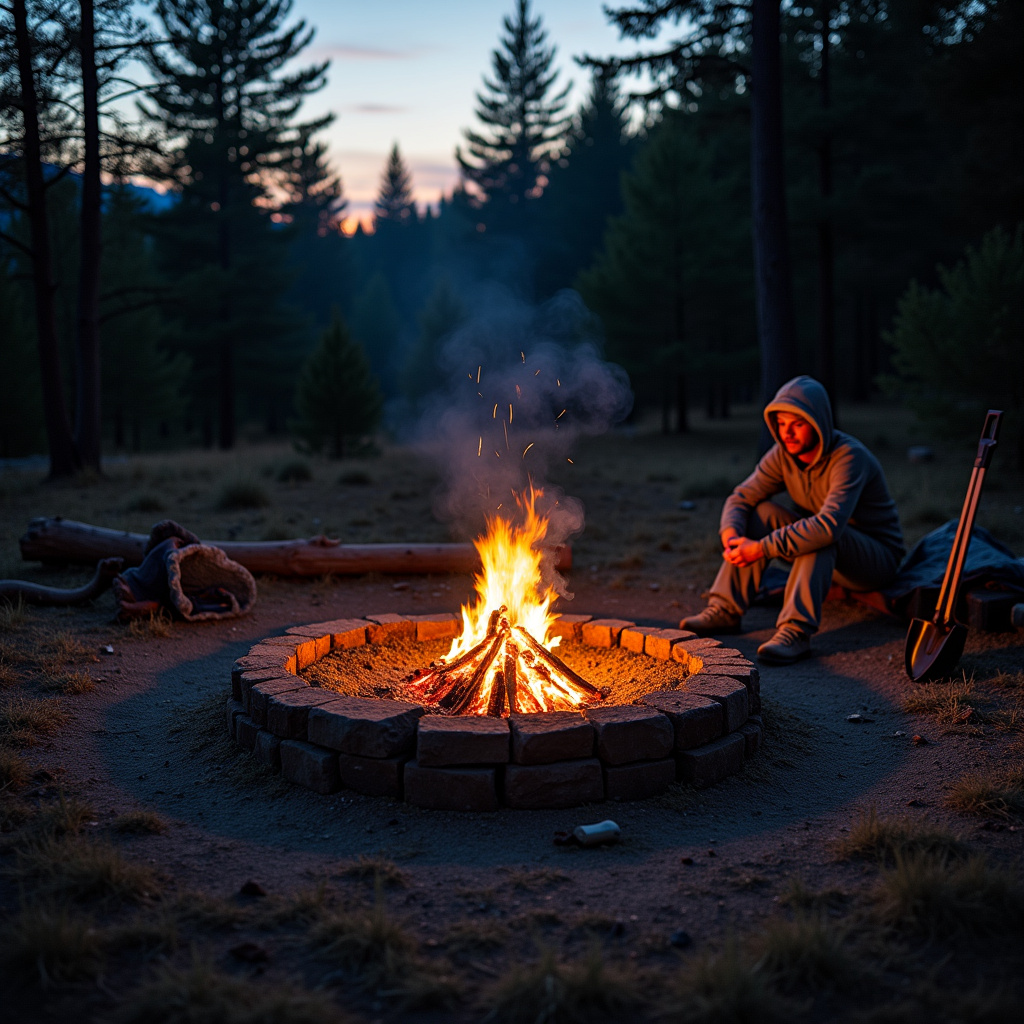
- Use Established Fire Rings ONLY: Never create a new fire pit. Use existing, designated fire rings. These are typically designed to contain fires more effectively and are often cleared of surrounding vegetation.
- Clear a Wide Area: Even within a fire ring, ensure the area immediately surrounding it is completely clear of all flammable materials—leaves, pine needles, twigs, grass—down to bare mineral soil for at least a 10-foot radius. This buffer zone is critical.
- Keep it Small and Manageable: Resist the urge for a large bonfire. A small fire that fits entirely within the fire ring is easier to control and requires less fuel.
- Collect Responsibly: Use only dead and downed wood that can be broken by hand. Never cut live trees or branches. Be aware that some areas prohibit gathering firewood altogether, requiring you to bring your own (local, certified firewood only, to prevent pest spread).
- Never Leave a Fire Unattended: This rule is absolute. Even for a moment, an unattended fire is a dangerous fire. Someone must always be actively watching the flame.
- Maintain Water/Shovel Readiness: Have your water supply (at least five gallons recommended) and shovel directly next to the fire ring, ready for immediate use.
- Extinguish Thoroughly: This is perhaps the most crucial step. Douse the fire with copious amounts of water, stirring the coals and embers with your shovel. Continue adding water and stirring until everything is cool to the touch. If it’s too hot to touch with your bare hand, it’s too hot to leave. Repeat until you are absolutely certain there are no lingering embers.
Embracing No-Fire Camping: Responsible Alternatives
When fire restrictions are in place, embracing a no-fire camping style becomes essential. This isn’t a sacrifice; it’s an opportunity to experience nature differently and reduce your impact. The Leave No Trace Center for Outdoor Ethics strongly advocates for minimizing fire impacts.
- Portable Stoves: As mentioned, these are excellent alternatives. Set them up on a stable, non-flammable surface, away from tents, trees, and dry vegetation. Always have a pot of water or a small amount of sand nearby, just in case.
- No-Cook Meals: Explore the world of delicious, no-cook camping meals. Sandwiches, wraps, salads, pre-prepared pasta dishes, and hearty trail mixes can be incredibly satisfying and eliminate the need for any heat source.
- Alternative Lighting: Embrace headlamps, battery-powered lanterns, or solar lights for ambient light. They are often more efficient and safer than a campfire anyway, providing directed light without the smoke or ash.
Emergency Preparedness and Awareness
Even with the most rigorous prevention, accidents can happen. Being prepared for an emergency is vital:
- Know Your Escape Routes: Before setting up camp, identify at least two clear escape routes from your campsite. Pay attention to road conditions and potential hazards.
- Communication: Ensure you have a charged phone, and consider carrying a satellite communication device if you’re in an area with no cell service. Know local emergency numbers (e.g., 911 in the U.S.).
- Report Fires Immediately: If you see a wildfire, no matter how small, report it immediately to the authorities. Provide your location as accurately as possible.
- Stay Informed: Be aware of changing weather conditions. High winds can rapidly turn a small spark into an inferno.
Conclusion: The Call for Responsible Stewardship
Camping in drought conditions demands a heightened sense of awareness and personal responsibility. The allure of a campfire is undeniable, but it pales in comparison to the devastating consequences of an uncontrolled wildfire. By diligently checking restrictions, preparing adequately, practicing extreme caution, and embracing no-fire alternatives when necessary, we uphold our commitment to protecting the natural world we cherish. Let us be vigilant stewards of our wild grid, ensuring that our adventures leave behind nothing but footprints and positive memories, not the scars of a wildfire. Remember, preventing a wildfire is infinitely easier—and more impactful—than fighting one. This collective responsibility is the cornerstone of sustainable outdoor recreation, preserving these precious landscapes for generations to come.