How to Choose a Campsite in Bear Country
The Wild Allure: Camping Safely in Bear Country
There’s an undeniable magic to pitching a tent deep in the wilderness, far from the concrete jungle. The crisp air, the symphony of nocturnal sounds, and the profound sense of connection with nature are experiences sought by many adventurers. However, when your chosen destination lies within bear country, this magic comes with a crucial caveat: safety. Encounters with bears are rare, but preventable conflicts can quickly turn a dream trip into a nightmare. Knowing how to choose and manage your campsite is not just a recommendation; it’s a fundamental skill for anyone venturing into their domain.
Here at WildGridScout, our mission is to equip you with the practical outdoor skills and minimalist gear advice for your weekend-ready trips. Today, we’re diving deep into arguably one of the most critical aspects of wilderness camping: selecting a safe and responsible campsite when bears are part of the local wildlife. This isn’t about fear-mongering; it’s about respect, awareness, and preparation to ensure a harmonious coexistence in their natural habitat.
Pre-Trip Research: Your First Line of Defense
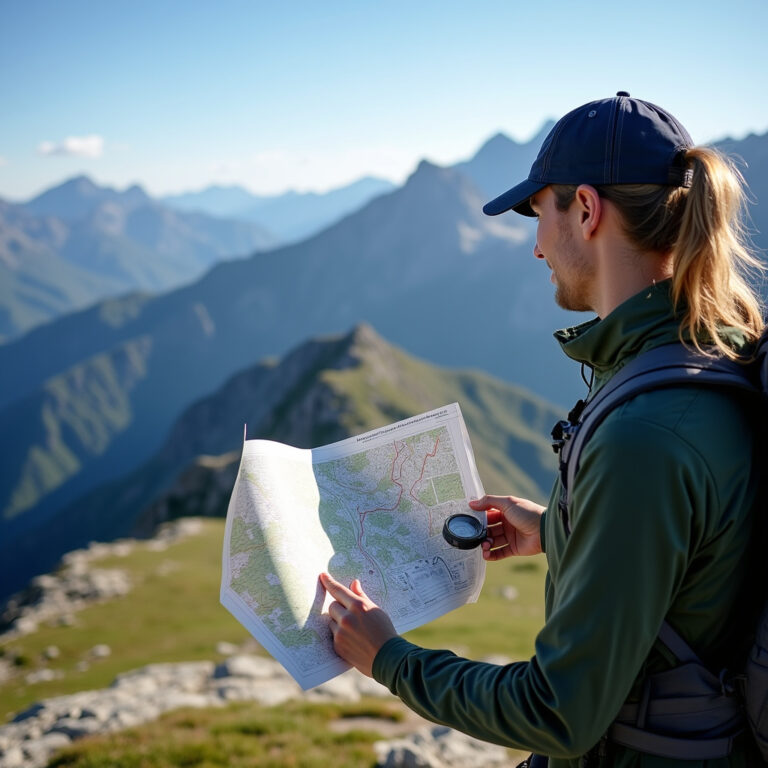
Before you even pack your backpack, your most powerful tool is information. Thorough research is paramount when planning a trip to bear country.
- Local Regulations & Advisories: Always check with the land management agency (e.g., National Park Service, U.S. Forest Service, state park authorities) for the specific area you plan to visit. They will provide up-to-date information on bear activity, mandatory food storage requirements (like bear canisters), and any trail or area closures. What might be permissible in one wilderness area could be illegal and dangerous in another.
- Bear Species & Behavior: Understand whether you’re in black bear or grizzly bear country. While the core principles of campsite selection are similar, the appropriate response to an encounter can differ significantly. Research typical bear behavior patterns for the season you’re visiting – are berries ripe? Is it hunting season? Are bears more active during certain times of day?
- Recent Activity Reports: Look for any reports of recent bear sightings, human-wildlife conflicts, or problem bears in the area. This can help you decide if an alternative location is safer or if additional precautions are necessary.
The “Bear Triangle”: A Cornerstone of Campsite Safety
The concept of the “Bear Triangle” is a golden rule for camping in bear country, emphasizing the separation of three key areas:
- Sleeping Area: Where your tent is pitched.
- Cooking & Eating Area: Where you prepare and consume food.
- Food Storage Area: Where all food, scented items, and trash are secured.
These three points should form a triangle, with each point at least 100 yards (approximately 91 meters) apart. This significant distance ensures that if a bear is attracted to your food storage or cooking smells, it is kept well away from your sleeping quarters. This separation minimizes the risk of a bear associating humans with food and prevents a curious bear from wandering directly into your tent at night.
Strategic Campsite Selection: More Than Just a Flat Spot
Proximity to Water Sources and Game Trails
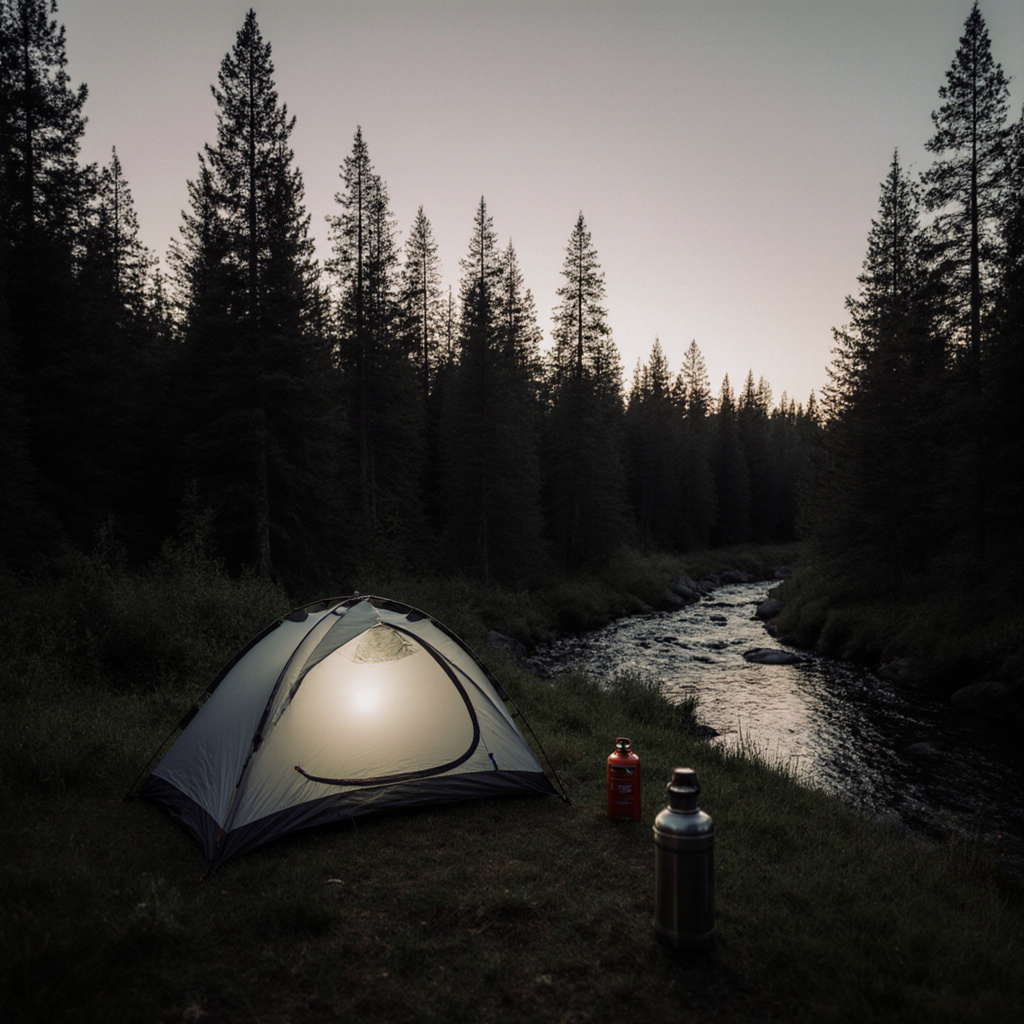
While camping near a water source might seem convenient, it can also be risky in bear country. Bears, like all wildlife, need water. Animals frequently use established game trails that lead directly to rivers, lakes, and streams. Setting up your tent directly on or too close to one of these natural thoroughfares increases your chances of an unexpected encounter. Aim for a spot that is far enough from water to avoid common animal paths, but still allows for easy access to fetch water.
Visibility and Escape Routes
When choosing your tent site, look for an area with good visibility. Avoid dense thickets or tall brush that could conceal an approaching bear. You want to be able to see around your camp and have clear lines of sight. Additionally, consider potential escape routes. While confrontation should be avoided, knowing which way you would move if a bear approached can provide an extra layer of confidence. A site on a slight rise can often offer better visibility.
Reading the Terrain for Bear Signs
Before committing to a campsite, meticulously check for any signs of recent bear activity. This includes:
- Scat (droppings): Fresh scat indicates a bear has been in the area recently.
- Tracks: Look for paw prints in soft soil or mud.
- Torn-up logs or diggings: Bears often tear apart logs or dig for insects and roots.
- Claw marks on trees: Especially on softer bark, bears might leave vertical scratches.
- Food sources: Avoid camping near berry patches, fruit trees, or areas with dead animals (carcasses). These are natural attractants for bears.
If you find significant fresh bear sign, it’s a clear signal to move on and find another location. According to wildlife experts, choosing a site free of these indicators significantly reduces your risk.
Wind Direction Matters
Consider the prevailing wind direction when setting up your “Bear Triangle.” Ideally, you want your cooking area’s scent to be carried *away* from your sleeping area, and ideally away from common bear travel routes. While wind patterns can be unpredictable, making a conscious effort to position your camp with this in mind can help minimize the spread of enticing odors.
Securing Your Provisions: Food Storage Essentials
Proper food storage is arguably the single most important action you can take to prevent bear conflicts. Bears have an incredible sense of smell and are opportunistic feeders.
- Bear Canisters: These hard-sided, bear-resistant containers are mandatory in many wilderness areas, especially in national parks and high-use areas. They are highly effective when sealed properly and stored away from your tent (at least 100 yards). Place them on flat ground, not near cliffs or water where a bear could bat them away.
- Bear Bags (Hung): If bear canisters aren’t required and suitable trees are available, a properly hung bear bag can be effective. This involves hanging all food, trash, and scented items (toothpaste, sunscreen, bug spray, etc.) at least 12-15 feet off the ground and 6-10 feet away from the tree trunk, using the counter-balance method. This technique requires practice and the right kind of tree – one with a sturdy limb high enough and far enough from the trunk to prevent a bear from reaching or climbing out to it.
- Vehicle Storage (Car Camping): If car camping, store all food and scented items inside your vehicle, out of sight. Lock your doors and roll up windows. Never leave food in plain view or accessible.
Remember, this extends beyond just food. Anything with a scent, including toiletries, cooking pots, and even the clothes you cooked in, should be stored securely with your food items. The National Park Service emphasizes that “a fed bear is a dead bear,” highlighting the tragic consequences when bears become habituated to human food.
Maintaining a Clean Camp and Personal Hygiene
A pristine campsite is a safe campsite. Cleanliness is crucial:
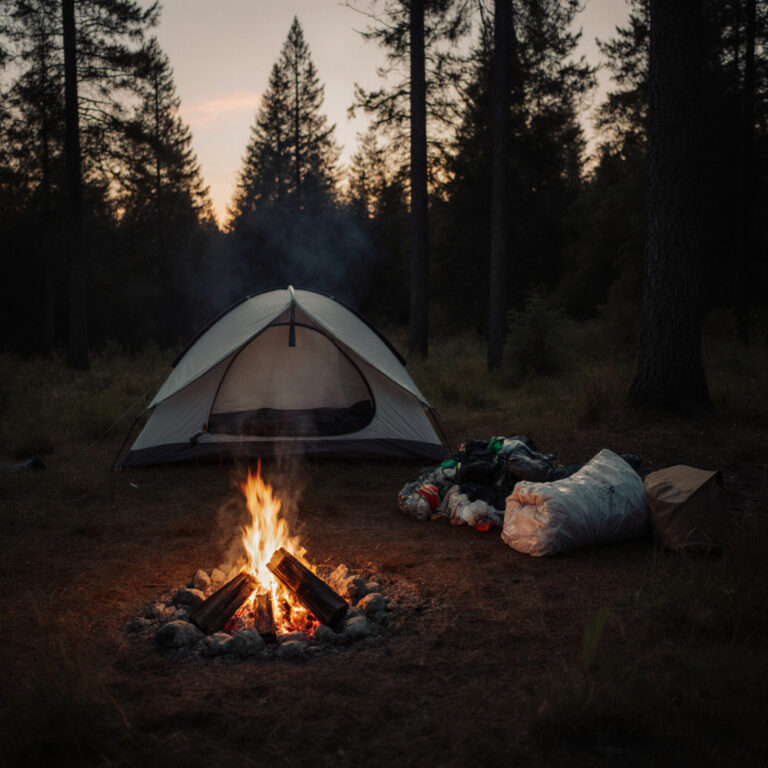
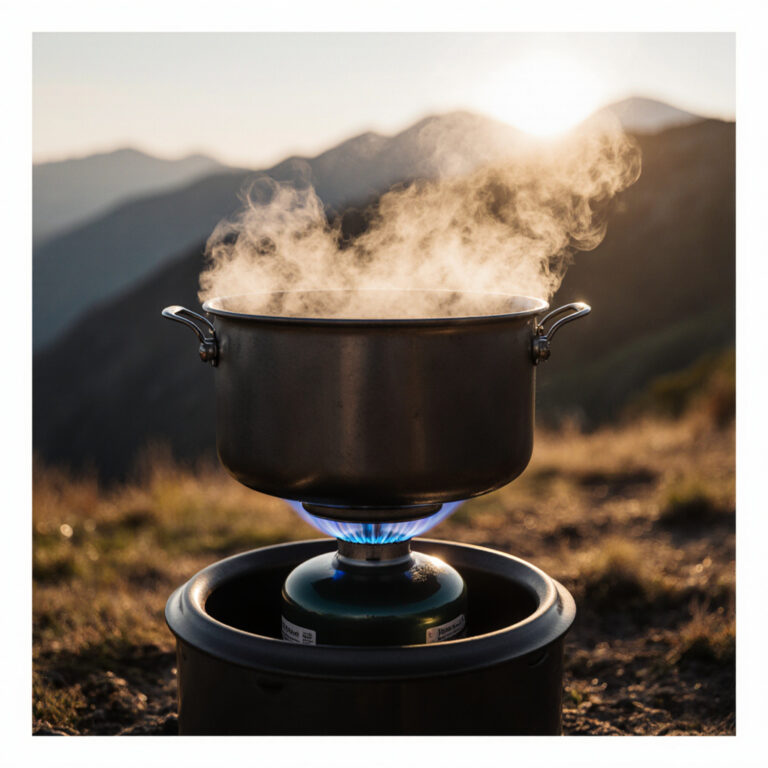
- Cook Cleanly: Prepare meals efficiently and clean all cooking utensils and dishes immediately after use. Pack out all food scraps and trash.
- No Food in Tents: Never, under any circumstances, bring food, scented items, or trash into your tent. Your tent should be a scent-free zone, dedicated solely to sleeping.
- Personal Hygiene: While tempting to smell fresh, avoid highly scented soaps, deodorants, and lotions in bear country. Use unscented products and store them with your food.
What If You Encounter a Bear?
Even with the best preparation, encounters can happen. Always carry bear spray (and know how to use it) in bear country. For black bears, make yourself look big and make noise. For grizzly bears, it’s often recommended to stand your ground, not run, and deploy bear spray if it charges. Consult specific guidelines for your region, but generally, avoid surprising a bear, make your presence known, and give it space.
Leave No Trace: Your Ethical Responsibility
Adhering to the Leave No Trace principles is not just good outdoor ethics; it’s a critical component of bear safety. By packing out everything you pack in, properly disposing of waste, and minimizing your impact, you help prevent bears from becoming habituated to human presence and food. This protects both wildlife and future human visitors.
Conclusion: Informed Decisions for Unforgettable Adventures
Choosing a campsite in bear country requires more than just finding a flat piece of ground. It demands careful planning, diligent execution of safety protocols, and a deep respect for the wilderness and its inhabitants. By understanding bear behavior, implementing the “Bear Triangle,” selecting your site strategically, and meticulously managing your food and waste, you transform potential risks into peace of mind. These informed decisions allow you to fully immerse yourself in the beauty of the outdoors, creating unforgettable, safe, and responsible adventures with WildGridScout.