How to Choose the Right Sleeping Bag for Your Trip
The Foundation of a Good Night: Why Your Sleeping Bag Matters
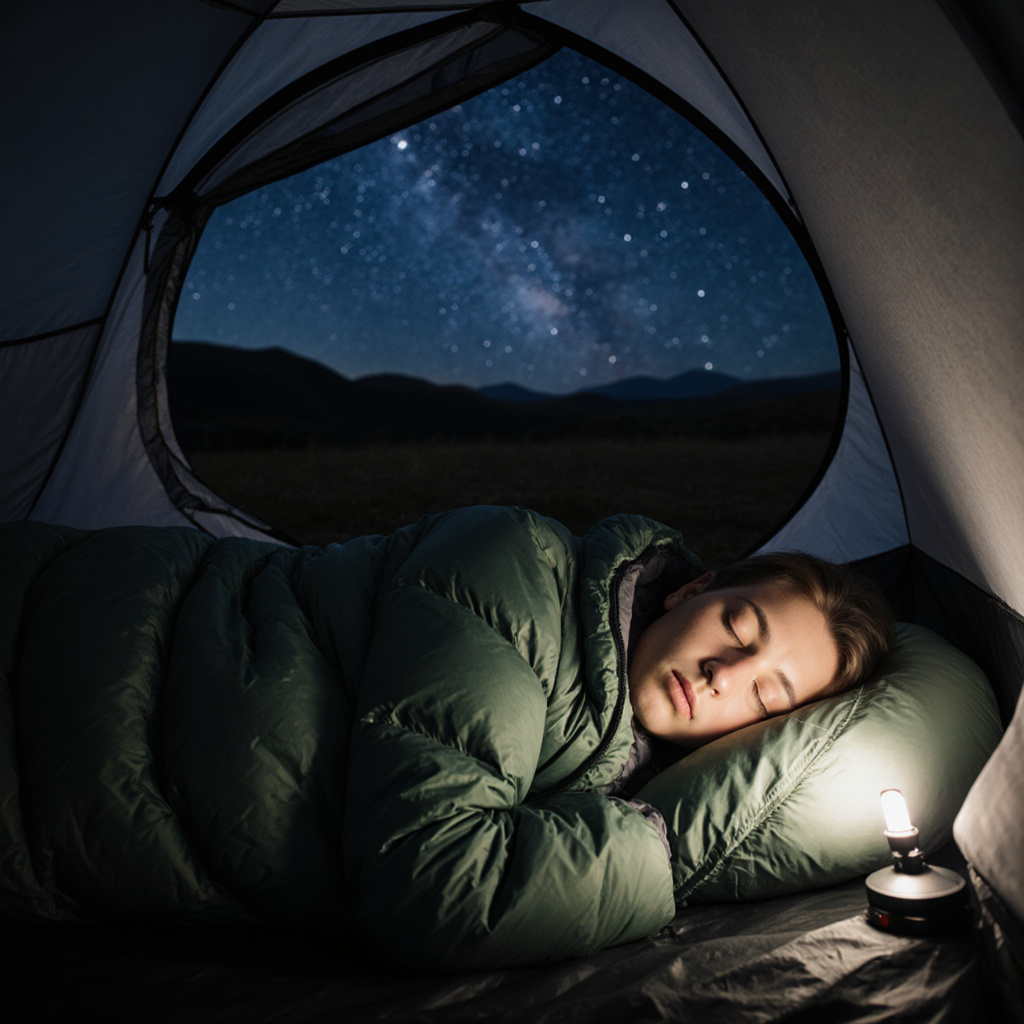
In the realm of outdoor adventures, a good night’s sleep isn’t just a luxury; it’s a necessity. It recharges your body, sharpens your mind, and quite literally, can make or break your trip. At the heart of this crucial rest lies one piece of gear: your sleeping bag. Far too often, adventurers either over-pack with an unnecessarily robust bag or, worse, under-prepare and spend a miserable night shivering. Choosing the right sleeping bag is a delicate balance of understanding your needs, the conditions you’ll face, and the technical specifications of the bags available. Let’s dive into the core elements that will guide your decision and ensure you wake up refreshed, ready for another day on the trail.
Decoding the Numbers: Understanding Temperature Ratings
Perhaps the most critical factor when selecting a sleeping bag is its temperature rating. This number indicates the lowest temperature at which the bag is designed to keep you warm. However, it’s not always as straightforward as it seems. Most reputable sleeping bags today adhere to the EN (European Norm) or ISO (International Organization for Standardization) testing standards, providing a more consistent benchmark. These ratings typically include:
- Comfort Rating: This is the temperature at which an average woman can expect to sleep comfortably in a relaxed position. For most sleepers, this is the most important number to consider.
- Limit Rating: This is the lowest temperature at which an average man can sleep for eight hours in a curled position without waking.
- Extreme Rating: This is a survival rating, indicating the minimum temperature at which a standard woman can remain for six hours without risk of death from hypothermia, though frostbite is still a risk. This is not a comfort rating and should generally be ignored for practical trip planning.
Remember that temperature ratings are general guidelines. Factors like your metabolism, what you wear to bed, hydration, food intake, and even the type of sleeping pad you use can significantly impact how warm you feel. When in doubt, it’s often better to go for a slightly warmer bag than you think you’ll need, especially if you tend to sleep cold.
Insulation Innovation: Down vs. Synthetic
The material inside your sleeping bag is what traps warm air and keeps you cozy. There are two primary types of insulation, each with distinct advantages and disadvantages:
Down Insulation
Down, typically from ducks or geese, is prized for its exceptional warmth-to-weight ratio and compressibility. It’s incredibly lightweight, packs down small, and, with proper care, can last for many years. Down’s quality is measured by “fill power,” which indicates how much space one ounce of down occupies (e.g., 800-fill down is superior to 600-fill). Higher fill power means more loft, more warmth, and lighter weight for a given temperature rating.
- Pros: Superior warmth-to-weight, excellent compressibility, long lifespan (if cared for), breathable.
- Cons: Expensive, loses insulating properties dramatically when wet, requires careful storage and cleaning. Many modern down bags use “hydrophobic down” treatments to mitigate water absorption, but they are not fully waterproof.
Synthetic Insulation
Synthetic insulation, made from polyester fibers, offers a more budget-friendly and less delicate alternative to down. While it doesn’t compress as well or offer the same warmth-to-weight ratio as high-quality down, it has a significant advantage: it retains much of its insulating power even when wet. This makes synthetic bags a popular choice for damp climates or for those who prioritize durability and ease of care.
- Pros: Performs well when wet, less expensive, hypoallergenic, easier to clean and maintain, more durable.
- Cons: Heavier and bulkier than down for the same warmth, shorter lifespan (fibers can break down over time).
Your choice between down and synthetic largely depends on your budget, the typical weather conditions of your trips, and your priorities for weight and packability.
Form Follows Function: Sleeping Bag Shapes
The shape of your sleeping bag directly impacts its warmth efficiency, weight, and comfort. Here are the most common designs:
- Mummy: Tapered from the shoulders to the feet, mummy bags are designed to maximize thermal efficiency by reducing dead air space that your body needs to warm. They are the lightest and warmest for their temperature rating but offer the least room to move. Ideal for backpacking and cold weather.
- Semi-Rectangular (or Barrel): A compromise between a mummy and a rectangular bag, offering more room than a mummy without as much wasted space as a rectangular bag. Good for those who want a bit more comfort but still need reasonable warmth and packability.
- Rectangular: These bags offer the most interior space, allowing you to stretch out fully. They are generally heavier and bulkier, and less thermally efficient due to the larger volume of air to heat. Best suited for car camping or situations where weight and warmth are not critical concerns.
- Sleeping Quilts: An increasingly popular minimalist option, quilts omit the back insulation (which is often compressed by your body weight anyway) and are designed to be used with an insulated sleeping pad. They are extremely lightweight and packable but require a good pad for warmth and aren’t ideal for restless sleepers or very cold conditions unless specifically designed for them.
Weight, Packability, and Features: The Finer Details
For backpackers and minimalist campers, the weight and packed size of your sleeping bag are paramount. Every ounce counts when you’re carrying your home on your back. High-fill-power down bags generally offer the best packability. Beyond the core elements, consider these features:
- Zippers: Full-length zippers offer ventilation options but add weight. Half-zips or partial zips save weight but limit venting. Look for anti-snag designs.
- Hood and Draft Collar: Essential for cold weather bags, a well-designed hood and an insulated draft collar prevent warm air from escaping around your head and neck.
- Internal Pockets: Useful for keeping small items (like a phone or headlamp battery) warm.
- Pad Straps: Some bags or quilts have straps to secure them to your sleeping pad, preventing you from rolling off in the night.
Matching Your Bag to Your Adventure
The “right” sleeping bag is ultimately the one that best suits the conditions of your trip:
- Summer Camping/Warm Climates: A lightweight, synthetic bag with a comfort rating around 40-50°F (5-10°C) or a light quilt will suffice.
- 3-Season Backpacking (Spring, Summer, Fall): A versatile down or synthetic bag with a comfort rating in the 15-30°F (-9 to -1°C) range is often ideal.
- Winter Camping/Expeditions: You’ll need a robust, low-rated bag, often with a comfort rating below 0°F (-18°C), typically high-fill-power down, and a full hood and draft collar.
- Car Camping: Weight and packability are less critical. You can prioritize comfort and space with a roomy rectangular bag.
Care and Longevity
To ensure your investment lasts, proper care is essential. Always store your sleeping bag uncompressed in a large mesh storage sack to maintain the loft of the insulation. Only wash it when necessary, following the manufacturer’s instructions, and ensure it is thoroughly dry before storing. REI’s Expert Advice offers excellent guides on sleeping bag care and washing.
Conclusion: Sleep Soundly, Adventure Boldly
Choosing a sleeping bag can seem daunting with the myriad of options available, but by understanding temperature ratings, insulation types, shapes, and key features, you can make an informed decision. Consider your typical trip types, the climates you’ll be exploring, and your personal warmth preferences. Invest wisely, care for your gear, and you’ll be rewarded with countless nights of comfortable rest, empowering you to embrace every outdoor adventure with renewed vigor. Happy trails, and may your dreams be as wild as your expeditions!
Sources: REI Co-op Expert Advice, Backpacker Magazine, Outdoor Gear Lab.