How to Go to the Bathroom in the Woods: A Guide to Backcountry Hygiene
Answering Nature’s Call, Naturally and Responsibly
Welcome, fellow adventurers, to WildGridScout! Today, we’re tackling a topic that might seem a little, well, *unmentionable*, but it’s undeniably crucial for anyone venturing beyond the paved path: how to properly go to the bathroom in the woods. While it might sound basic, mastering backcountry hygiene is paramount for protecting our wild spaces, safeguarding public health, and ensuring a comfortable, responsible outdoor experience for everyone.
Why Backcountry Hygiene Matters: More Than Just Courtesy
Think about it: every year, millions of people flock to our national parks, forests, and trails. If even a fraction of them improperly dispose of human waste, the cumulative impact is staggering. This isn’t just about aesthetics; it’s about environmental health, human health, and the sustainability of the very places we love to explore.
- Environmental Impact: Improperly buried waste can contaminate water sources, disrupt wildlife, and introduce non-native pathogens into ecosystems. It takes a long time for waste to decompose, especially in cold or dry climates, leaving an unsightly and unhygienic mess.
- Health Risks: Human waste carries bacteria and viruses (like E. coli, Giardia, Hepatitis A) that can spread diseases to other humans and wildlife. Contaminated water is a leading cause of illness in the backcountry.
- Social Impact: No one wants to stumble upon someone else’s toilet paper or waste. It degrades the outdoor experience for others and can lead to trail closures or restrictions.
The core philosophy guiding us here is the Leave No Trace Principle 3: Dispose of Waste Properly. This principle is our north star for all things backcountry sanitation.
The Golden Rule: Dig a Cathole
For solid human waste, the cathole is your primary method. It’s simple, effective, and environmentally sound when done correctly.
Where to Dig: Location, Location, Location
Choosing the right spot is critical. Always select a site that is:
- At least 200 feet (approximately 70 adult paces) from water sources: This includes lakes, streams, rivers, and even seasonal drainages. This distance helps prevent runoff from contaminating drinking water.
- At least 200 feet from trails, campsites, and picnic areas: Nobody wants to encounter a cathole near their tent or on their hike.
- In an inconspicuous spot: Look for areas with rich, organic soil (dark and crumbly) in dense undergrowth if possible. Avoid fragile desert soils, exposed rock, or sandy beaches where decomposition is slow and digging is difficult.
How to Dig: The Perfect Pit
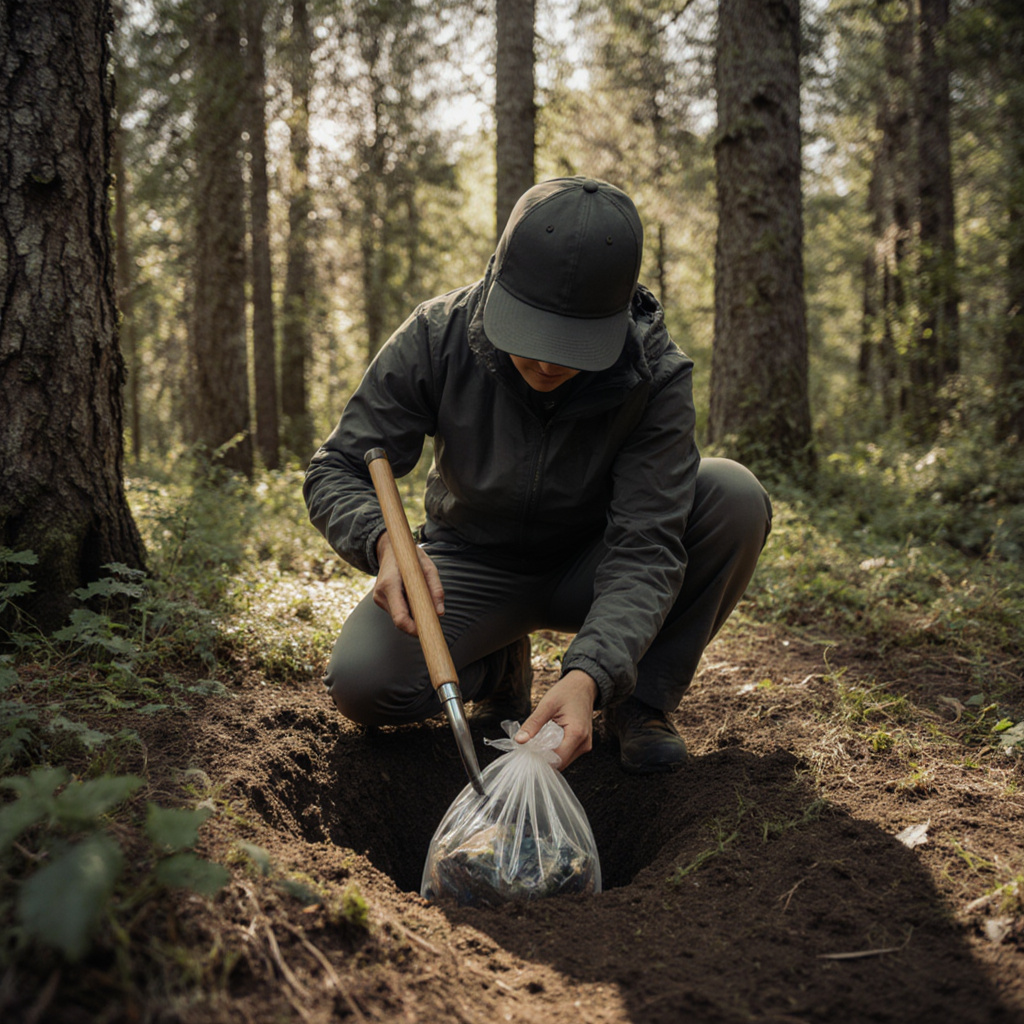
Once you’ve found your spot, it’s time to dig. You’ll need a small trowel or even a sturdy stick if you’re going truly minimalist.
- Depth: Dig a hole 6 to 8 inches deep (15-20 cm). This depth ensures that the waste is in the biologically active layer of soil, where decomposition happens most efficiently.
- Width: The hole should be about 4 to 6 inches wide, just large enough for comfortable use.
After doing your business, fill the cathole completely with the original soil and disguise it with natural materials like leaves, duff, or pine needles. The goal is to make it look like you were never there.
The Toilet Paper Dilemma: Pack It Out!
This is where many well-intentioned outdoor enthusiasts go astray. While burying human waste in a cathole is generally acceptable, *toilet paper should almost always be packed out*.
- Why Pack It Out? Toilet paper, even “biodegradable” varieties, decomposes extremely slowly in many outdoor environments, especially in arid climates or at high altitudes. It becomes an unsightly blight and a clear indicator of human presence.
- How to Pack It Out: Carry a small, opaque, sealable plastic bag (like a zip-top freezer bag) specifically for used toilet paper. Some people even double-bag it or use a small, zippered pouch within the bag.
- Wipes: Wet wipes, personal hygiene wipes, and baby wipes *must always be packed out*. They contain plastics and chemicals that do not decompose and will persist in the environment for hundreds of years. “Biodegradable” wipes are often a marketing ploy and still take ages to break down in nature.
Alternatives for Wiping and Washing
If the thought of packing out used toilet paper makes you cringe, consider these alternatives:
- Natural Materials: In some areas, you can use natural materials like smooth stones, large non-poisonous leaves (know your plants!), or snow. Always inspect thoroughly before using and ensure you bury them deep in the cathole. This requires significant caution and local plant knowledge.
- Bidet Bottle/Squeeze Bottle: A small squeeze bottle filled with water can act as a portable bidet, reducing or eliminating the need for toilet paper. You’ll still need to air dry or use a dedicated “pee rag” for women, which should be rinsed daily and hung to dry in the sun.
Menstruation in the Backcountry
Managing menstruation in the wilderness requires a bit of planning but is entirely manageable.
- Products: Tampons, pads, and menstrual cups are all viable options. Menstrual cups are excellent for reducing waste as they can be reused after rinsing (dispose of rinse water in a cathole).
- Disposal: All tampons, pads, and their applicators *must be packed out*. Use opaque, sealable bags, just like for toilet paper.
- Hygiene: Good hand hygiene is especially important. Change products frequently and dispose of them properly.
Urine: Not as Innocent as it Seems
While urine is generally less harmful than solid waste, it still contains nutrients and can attract animals if concentrated in one spot. Always urinate:
- Away from water sources: Again, 200 feet is the rule.
- On durable surfaces: Disperse urine over rocks, pine needles, or bare soil, rather than concentrating it on delicate vegetation.
- Pee Rags: Women can use a dedicated “pee rag” (a small bandana or cloth) to wipe. Tie it to the outside of your pack to dry in the sun, which helps disinfect it. Rinse it daily if possible, away from water sources.
Hand Hygiene: Your First Line of Defense
Before and after eating, and after any trip to the “facilities,” proper hand hygiene is non-negotiable to prevent the spread of illness.
- Hand Sanitizer: An alcohol-based hand sanitizer (at least 60% alcohol) is your easiest option.
- Soap and Water: If you use soap, carry biodegradable soap and use it at least 200 feet away from any water source. Lather up, rinse with a small amount of water, and ensure all runoff disperses into the soil.
Your Minimalist Backcountry Bathroom Kit Checklist
To summarize, here’s what you should always carry:
- Lightweight Trowel: For digging catholes.
- Toilet Paper: A small roll, flattened to save space.
- Opaque, Sealable Bag(s): For packing out used toilet paper and other hygiene waste (e.g., zip-top freezer bags, a dedicated “poop bag” system).
- Hand Sanitizer: A small bottle is sufficient.
- Optional: Bidet bottle, “pee rag,” biodegradable soap (used responsibly).
Conclusion: Be a Responsible WildGridScout
Navigating backcountry hygiene might not be the most glamorous part of outdoor adventure, but it’s one of the most important. By following these guidelines from organizations like Leave No Trace Center for Outdoor Ethics, you ensure that our wild spaces remain pristine, healthy, and accessible for generations to come. Your efforts make a real difference, transforming you from just a visitor into a true steward of nature. So, embrace the cathole, pack it out, and happy trails!