Introduction to Overlanding: A Beginner’s Guide
Embrace the Journey: An Introduction to Overlanding for Beginners
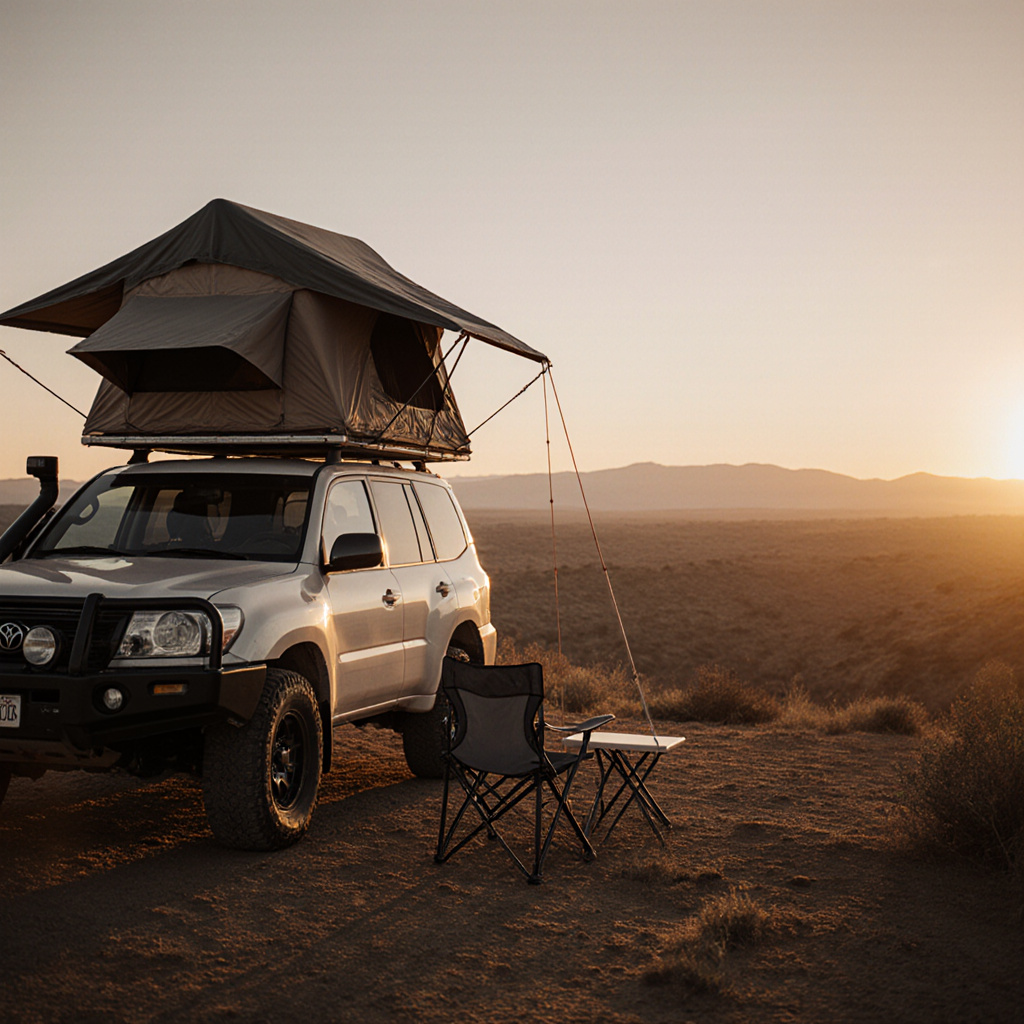
Have you ever dreamed of escaping the daily grind, leaving paved roads behind, and exploring the untouched corners of the world at your own pace? If so, you’ve likely stumbled upon the growing phenomenon of overlanding. More than just a road trip or car camping, overlanding is an immersive adventure lifestyle focused on self-reliant vehicle travel to remote destinations, where the journey itself is as significant as the destination. It’s about exploration, problem-solving, and embracing the unknown, all while carrying your home on wheels.
What Exactly is Overlanding? Distinguishing it from Car Camping
While often conflated with car camping, overlanding is a distinct discipline. Car camping typically involves driving to a designated campsite, often with amenities, and setting up a temporary base. Overlanding, however, is about extended self-sufficient travel through varied terrain, often far from established infrastructure. It prioritizes the journey, often involving challenging routes and requiring a vehicle equipped to handle diverse conditions and carry all necessary provisions for days or weeks at a time. Think of it as backpacking with a vehicle – self-contained, long-distance, and focused on venturing into the wilderness. The duration can range from a weekend escape to multi-month expeditions across continents.
The Overlanding Ethos: Self-Reliance, Exploration, and Responsibility
At its heart, overlanding is a philosophy. It’s about fostering self-reliance, developing practical skills, and immersing oneself in nature. Overlanders are often drawn to the freedom of charting their own course, adapting to unexpected challenges, and experiencing landscapes inaccessible by conventional means. Crucially, this freedom comes with a significant responsibility: to minimize impact and preserve the environments they explore. Adhering to Leave No Trace principles (lnt.org) is not just encouraged; it’s fundamental to the overlanding community.
Essential Gear for the Aspiring Overlander
Embarking on an overlanding journey requires thoughtful preparation and the right equipment. While you don’t need to break the bank from day one, understanding the core categories will help you build your setup incrementally:
The Vehicle: Your Mobile Base Camp
- Types: 4×4 trucks, SUVs, and even AWD vehicles with good ground clearance can be suitable, depending on the terrain you plan to tackle. Popular choices include Toyota Tacomas, Jeeps, Land Rovers, and various pickup trucks.
- Basic Modifications: Focus on reliability and capability. All-terrain or mud-terrain tires are often the first upgrade, followed by a robust suspension system for improved ground clearance and ride comfort on rough roads. Skid plates protect vital undercarriage components.
- Recovery Gear: Essential for self-sufficiency. A shovel, kinetic recovery rope, traction boards (e.g., Maxtrax), and a hi-lift jack or air jack are basic necessities. A winch is a significant investment but can be a lifesaver in challenging situations.
Shelter: A Roof Over Your Head
- Rooftop Tents (RTTs): Popular for quick setup and keeping you off the ground, offering comfort and often impressive views.
- Ground Tents: Lighter, more versatile if you want to leave your vehicle at camp and explore on foot.
- Vehicle-Integrated Systems: Some vehicles can be outfitted with internal sleeping platforms or pop-top campers for a more enclosed experience.
Kitchen & Provisions: Fueling Your Adventures
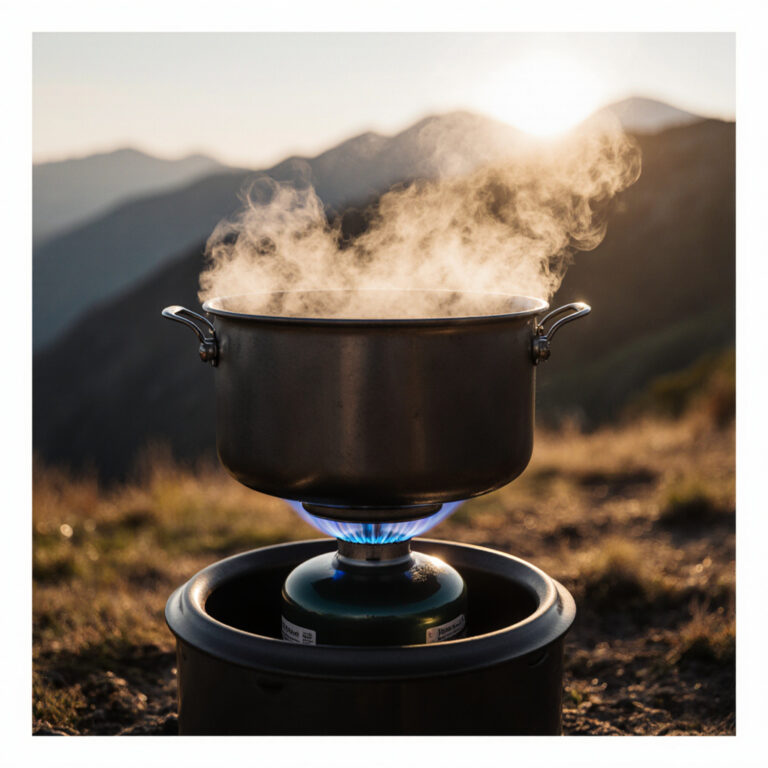
- Cooking System: A reliable two-burner propane stove, cookware, and basic utensils are standard.
- Water Storage: Ample water is critical. Portable water tanks, jerry cans, and a quality water filter or purification system are a must.
- Food Storage: A 12V refrigerator/freezer is a game-changer for extended trips, keeping food fresh without relying on ice. Plan your meals carefully to minimize waste and ensure adequate nutrition.
Navigation & Communication: Staying Connected (or Disconnected)
- GPS: A dedicated GPS unit or an app on your smartphone/tablet with downloaded offline maps (e.g., Gaia GPS, iOverlander) is crucial. Always carry paper maps as a backup.
- Communication: A satellite communicator (e.g., Garmin inReach, Zoleo) is vital for emergency communication outside of cell service. Two-way radios (FRS/GMRS, HAM) are useful for group travel.
Safety & Emergency: Prepared for Anything
- First-Aid Kit: A comprehensive kit tailored for remote outdoor scenarios. Consider taking a wilderness first-aid course.
- Fire Safety: A small fire extinguisher and an understanding of local fire restrictions.
- Tools: A basic tool kit for minor vehicle repairs.
- Extra Fuel: If venturing far from gas stations.
Power & Lighting: Keeping the Lights On
- Dual Battery System: Allows you to run accessories (fridge, lights) without draining your vehicle’s starting battery.
- Solar Panels: A great way to replenish power, especially for longer stays.
- Lighting: Headlamps, camp lanterns, and auxiliary vehicle lights for navigating camp after dark.
Planning Your First Overlanding Trip: Start Small, Learn Big
Don’t feel pressured to embark on a transcontinental expedition immediately. The best way to learn is by doing:
- Route Planning: Utilize apps like iOverlander for finding campsites and points of interest. Cross-reference with physical maps and local land management agencies (e.g., BLM, US Forest Service in the U.S.) for trail conditions and regulations.
- Vehicle Inspection: Before any trip, perform a thorough check of your vehicle’s fluids, tires, brakes, and vital components.
- Packing Smart: Distribute weight evenly, secure all gear to prevent shifting on rough trails, and organize for easy access. Less is often more; avoid overpacking.
- Practice Skills: Familiarize yourself with your recovery gear, practice setting up your camp, and get comfortable driving off-road in controlled environments.
Embrace Leave No Trace Principles
As responsible overlanders, it’s our duty to protect the wild places we visit. The Seven Principles of Leave No Trace are your guiding stars:
- Plan Ahead and Prepare
- Travel and Camp on Durable Surfaces
- Dispose of Waste Properly
- Leave What You Find
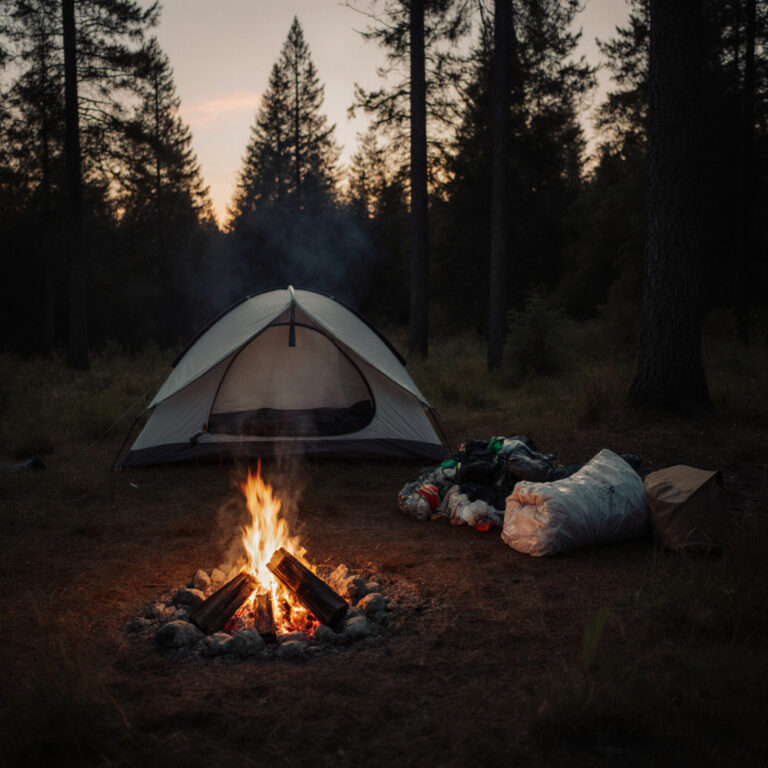
- Minimize Campfire Impacts
- Respect Wildlife
- Be Considerate of Other Visitors
By following these principles, we ensure these beautiful environments remain pristine for future generations of adventurers.
Conclusion: The Open Road Awaits
Overlanding offers an unparalleled sense of freedom and adventure, providing a unique way to connect with nature and test your skills. It’s a journey of continuous learning, adaptation, and discovery. Start with a reliable vehicle, prioritize safety and preparedness, and always adhere to responsible travel ethics. The world is vast, and with a well-prepared rig and an open mind, your next great adventure is just down a dirt road. Happy trails!