Leave No Trace: A Practical Guide for Weekend Campers
There’s nothing quite like escaping the hustle and bustle of daily life, even if just for a weekend. The crisp air, the rustling leaves, the starry nights – these are the moments that rejuvenate our spirits. For many of us, a quick weekend camping trip is the perfect antidote to a demanding week. But with the increasing popularity of our natural spaces, especially those within easy reach for a short getaway, comes a heightened responsibility: to leave these cherished places even better than we found them.
Here at WildGridScout, we believe that practical outdoor skills and minimalist gear advice go hand-in-hand with responsible stewardship. And at the core of responsible outdoor recreation lies the ethos of Leave No Trace (LNT). It’s not just for multi-day expeditions into remote wilderness; it’s a vital set of principles for every weekend camper, every hiker, every nature enthusiast who steps foot outdoors.
The Leave No Trace Center for Outdoor Ethics defines seven core principles designed to help us enjoy the outdoors responsibly. Let’s break them down, offering practical tips specifically tailored for your next weekend escape.
1. Plan Ahead and Prepare
A successful, low-impact trip begins long before you even pack your first item. For weekend campers, this principle is about maximizing your enjoyment while minimizing potential negative impacts.
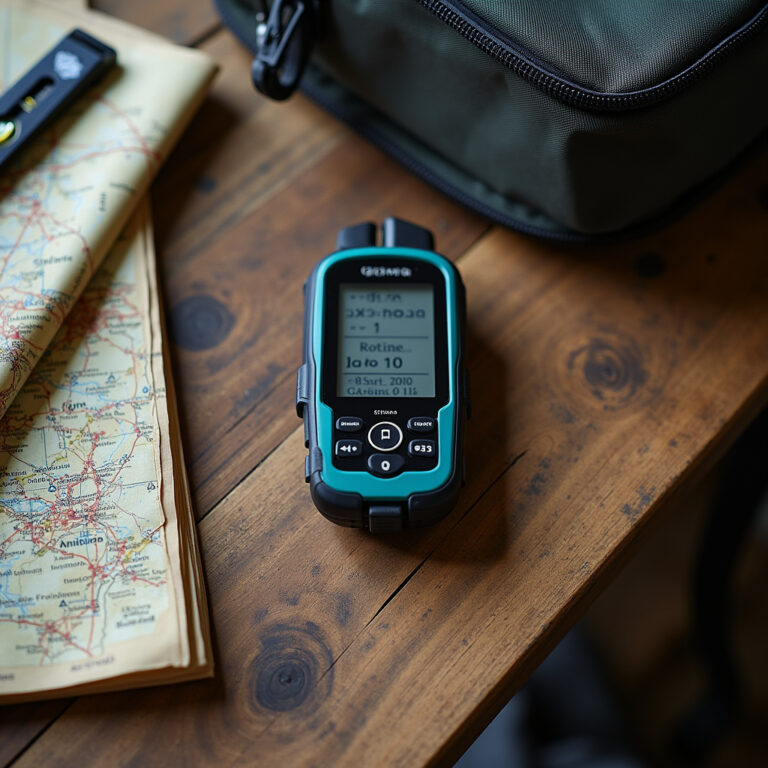
- Know Before You Go: Research your destination. Are there any specific regulations for camping (designated sites only, fire restrictions)? Check weather forecasts and trail conditions. A sudden downpour or an unexpected heatwave can quickly turn an enjoyable trip into a challenging one, increasing your chances of making poor, impactful decisions.
- Pack Smart and Light: Embrace minimalist gear. The less you bring, the less you have to carry, and the less waste you generate. Pre-package food in reusable containers to reduce packaging waste. Carry a small bag specifically for trash and food scraps.
- Share Your Itinerary: Always let someone know where you’re going and when you expect to return. Even for a short trip, safety is paramount.
Source: Leave No Trace Center for Outdoor Ethics
2. Travel and Camp on Durable Surfaces
Our footsteps, tents, and camp chairs can compress soil, damage vegetation, and erode paths. Choosing where you walk and set up camp is crucial.
- Stick to Trails: On established trails, walk in single file down the center of the path, even if it’s muddy. Widening a trail contributes to erosion and impacts a larger area.
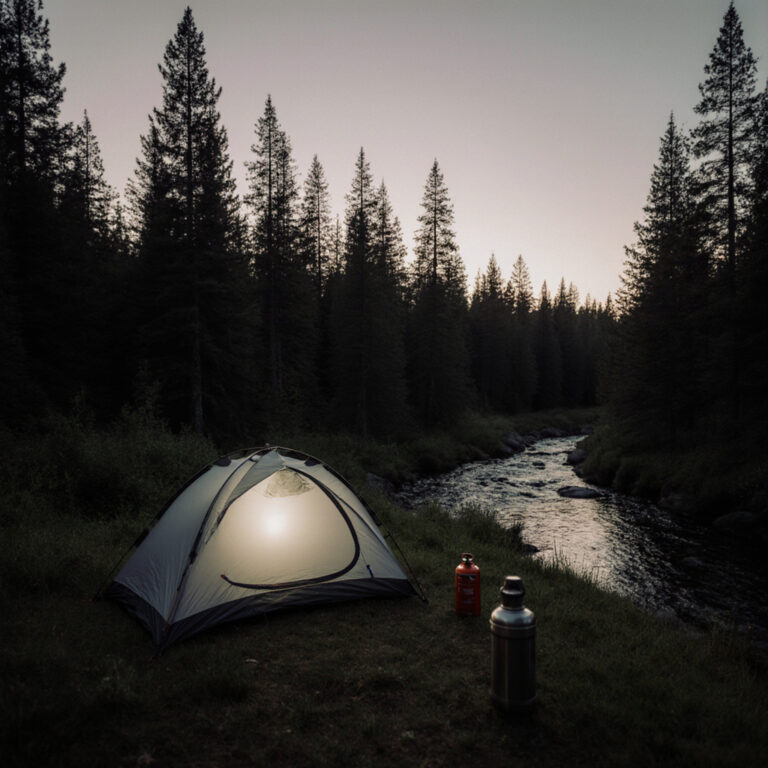
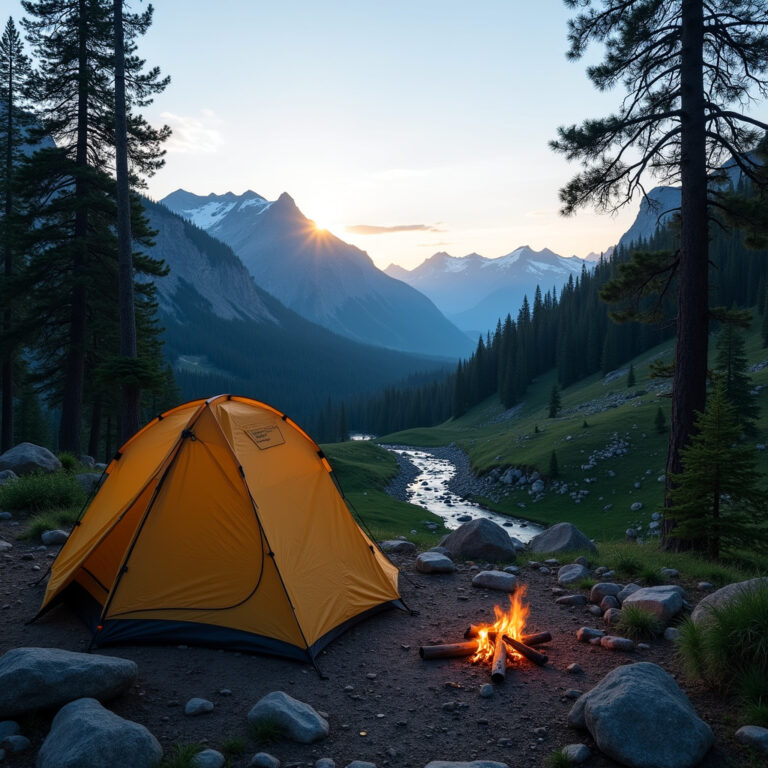
- Camp Smart: For weekend campers, this often means utilizing designated campsites. They are designed to concentrate impact in areas that can withstand it. If dispersed camping, choose a site that’s already disturbed – a flat, barren area – rather than creating a new one. Ensure your campsite is at least 200 feet (about 70 steps) from water sources, trails, and roads to protect riparian zones and offer solitude.
- Avoid Delicate Areas: Stay off fragile vegetation, especially sensitive alpine meadows or cryptobiotic soil crusts, which can take decades to recover from a single footprint.
Source: Leave No Trace Center for Outdoor Ethics
3. Dispose of Waste Properly
This principle is perhaps the most straightforward for many, but often overlooked in its entirety.
- Pack It In, Pack It Out: This means *everything*. All trash, including food scraps like apple cores, orange peels, and nut shells, must go home with you. These items, even if biodegradable, take a long time to break down, attract wildlife, and are unsightly. Consider a small, sealable ‘smell-proof’ bag for food waste.
- Human Waste: If no facilities are available, dig a “cat hole” 6-8 inches deep and at least 200 feet from water, camps, and trails. Cover it thoroughly. Pack out toilet paper or bury it deep in the cat hole.
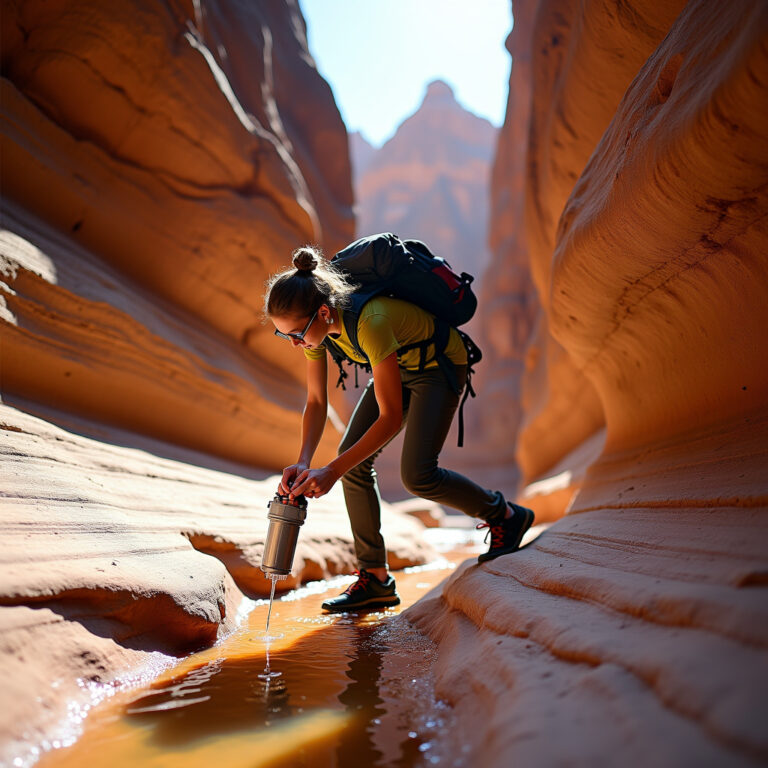
- Wash Water: When washing dishes or yourself, use small amounts of biodegradable soap and scatter the greywater at least 200 feet from water sources.
Source: Leave No Trace Center for Outdoor Ethics
4. Leave What You Find
Resist the urge to take a piece of your adventure home, and similarly, avoid altering the natural environment.
- Observe, Don’t Collect: That unique rock, the interesting feather, or the beautiful wildflower is part of the ecosystem. Leave them for others to discover and for the natural processes to continue.
- Minimize Alterations: Avoid building structures, digging trenches, or carving into trees. These actions can damage living organisms and detract from the natural beauty for future visitors.
- Respect Cultural Artifacts: If you come across historical or archaeological sites, admire them from a distance and leave them undisturbed.
Source: Leave No Trace Center for Outdoor Ethics
5. Minimize Campfire Impacts
Campfires are a quintessential part of camping, but they can be incredibly impactful. For a weekend trip, consider if a fire is truly necessary.
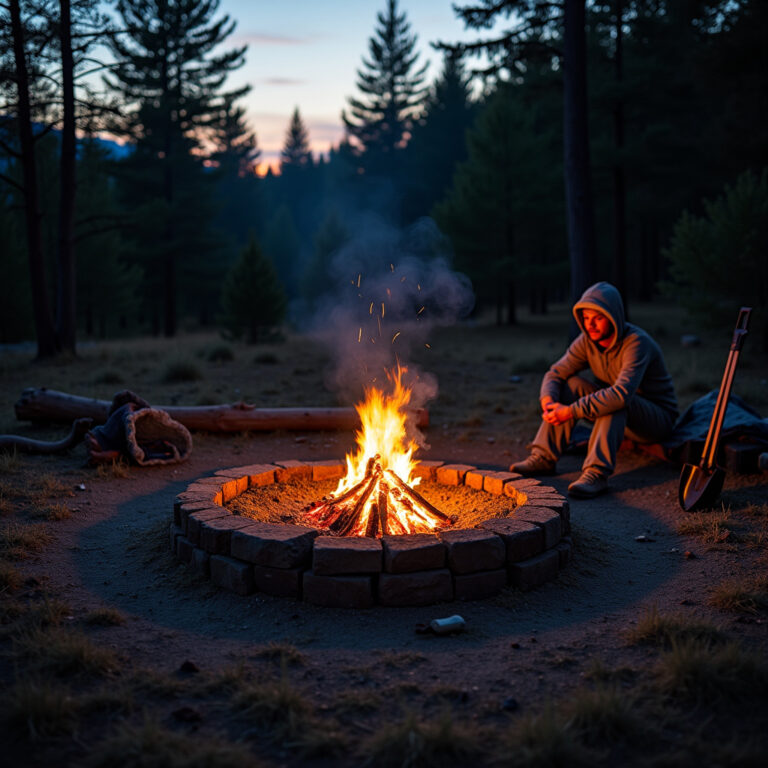
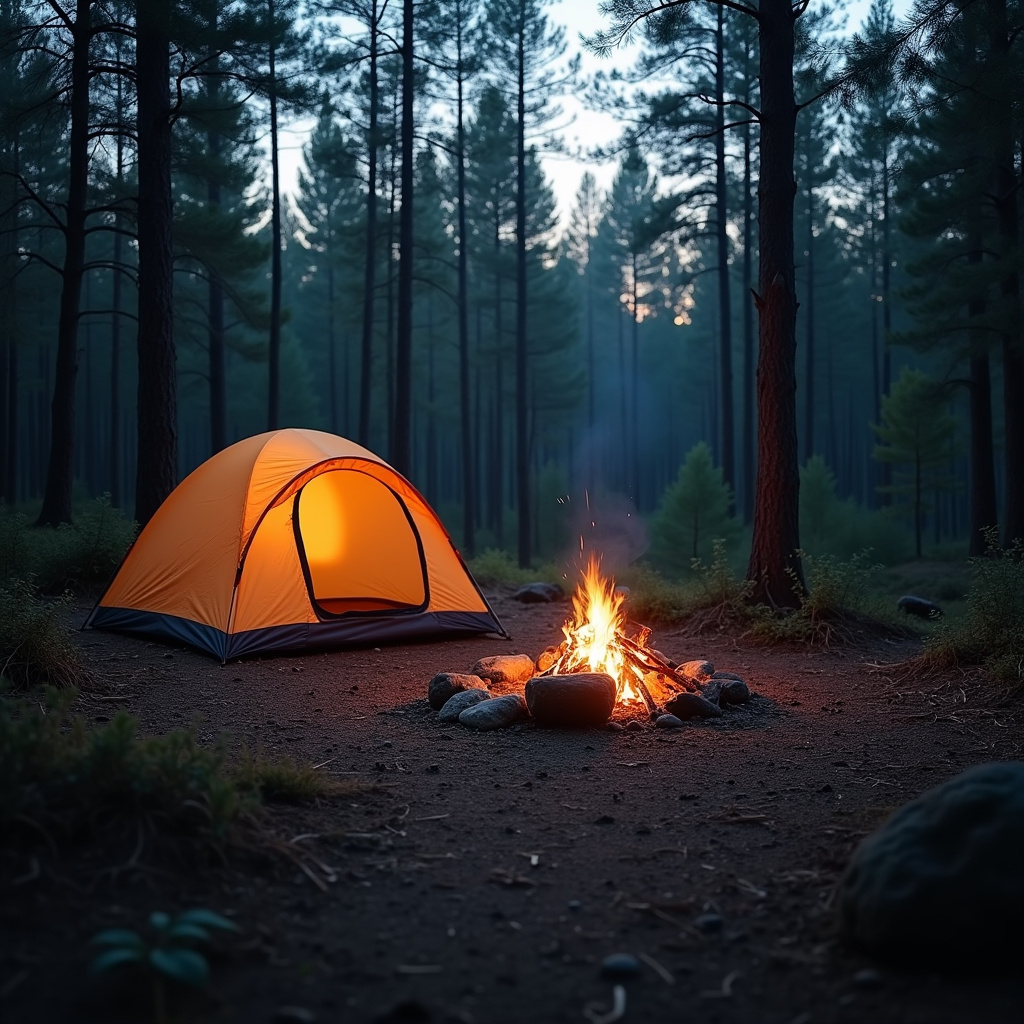
- Use Established Fire Rings: Always use existing fire rings. Do not create new ones.
- Keep Fires Small: Only burn wood that is naturally fallen and can be broken by hand. Avoid cutting live trees or branches.
- Consider Alternatives: A headlamp provides light, a camp stove cooks food efficiently, and extra layers offer warmth. Often, a campfire is more for ambiance; consider flameless lanterns or simply enjoying the starlit sky.
- “Cold Out”: Before leaving your campsite, ensure your fire is completely extinguished. Drown it with water, stir the ashes, and add more water until all embers are cold to the touch. Never leave a fire unattended.
Source: Leave No Trace Center for Outdoor Ethics
6. Respect Wildlife
Our presence can disturb animals, disrupt their feeding patterns, and even make them reliant on human food, which is detrimental to their health and survival.
- Observe from a Distance: Use binoculars to enjoy wildlife without disturbing them. Never approach, follow, or feed animals. Feeding wild animals habituates them to humans, making them aggressive and often leading to their demise.
- Secure Your Food: Store all food and scented items (toothpaste, sunscreen) in bear-resistant containers, hung from a tree using a bear bag system, or in your vehicle, especially in bear country.
- Control Your Pets: Keep pets on a leash or leave them at home if the rules of the area require it. Pets can harass wildlife, disturb other visitors, and damage sensitive habitats.
Source: Leave No Trace Center for Outdoor Ethics
7. Be Considerate of Other Visitors
Sharing the outdoors means being mindful of everyone’s experience.
- Yield to Others: On trails, hikers going uphill generally have the right of way. Be friendly and communicate.
- Minimize Noise: Enjoy the natural sounds of the wilderness. Keep voices and electronic devices at a respectful volume. Let the sounds of nature prevail.
- Respect Solitude: While designated campsites can be busy, try to give others space and privacy. When passing through or near other camps, do so quietly and courteously.
Source: Leave No Trace Center for Outdoor Ethics
Embracing the LNT Ethos for Every Adventure
Leave No Trace isn’t just a set of rules; it’s a philosophy, a mindset that recognizes our profound connection to the natural world. Every choice we make, from planning our meals to dousing our campfires, has an impact. For weekend campers, these principles are particularly vital because popular spots experience cumulative impact from many short visits.
By consciously adopting these practices, you become an integral part of preserving the wild places we love. You’re not just enjoying nature; you’re actively ensuring that the next generation of WildGridScouts can find the same beauty and solitude. So, plan your next escape, pack light, and leave nothing but footprints, taking nothing but memories and photographs.