Post-Hike Recovery: How to Care for Your Body After a Long Trek
The exhilarating rush of conquering a challenging trail, the breathtaking vistas from a mountain peak, or the serene solitude of a wilderness path – these are the moments we live for as hikers. Yet, as the euphoria begins to subside, your body often starts sending a clear message: it’s time for recovery. A long trek, whether it’s a day hike or a multi-day backpacking trip, places significant demands on your muscles, joints, and overall energy systems. Ignoring these signals can lead to prolonged soreness, increased injury risk, and diminished enjoyment of future adventures. At WildGridScout, we believe that proper post-hike recovery isn’t just an afterthought; it’s an integral part of the adventure itself. This guide will walk you through essential strategies to care for your body after a long trek, ensuring you’re ready for your next escapade.
Immediate Post-Hike Actions: The Golden Hour
The first 30-60 minutes after you stop hiking are crucial for jumpstarting your recovery process. Think of it as laying the foundation for rebuilding and repairing your body.
Rehydrate, Rehydrate, Rehydrate!
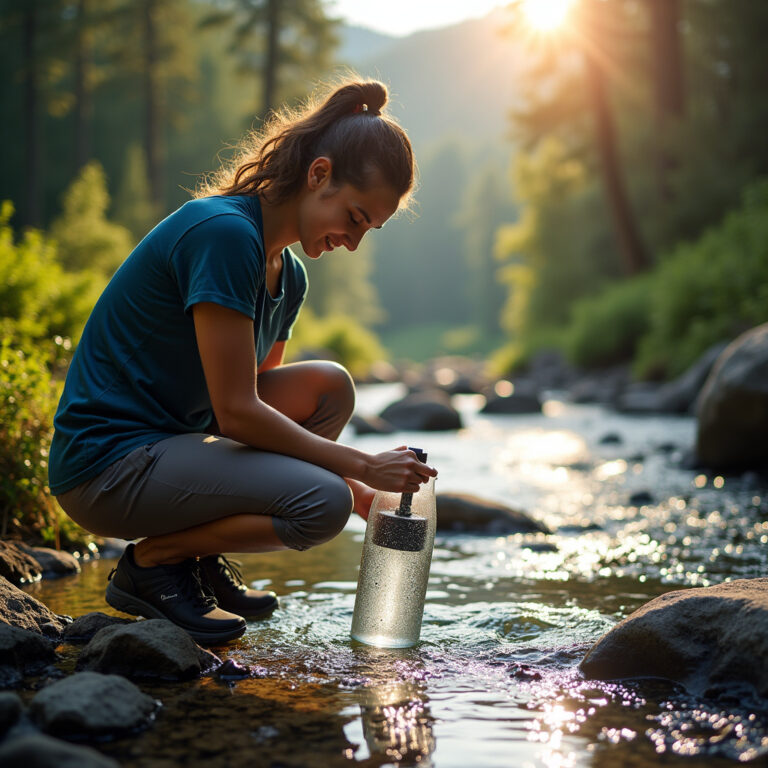
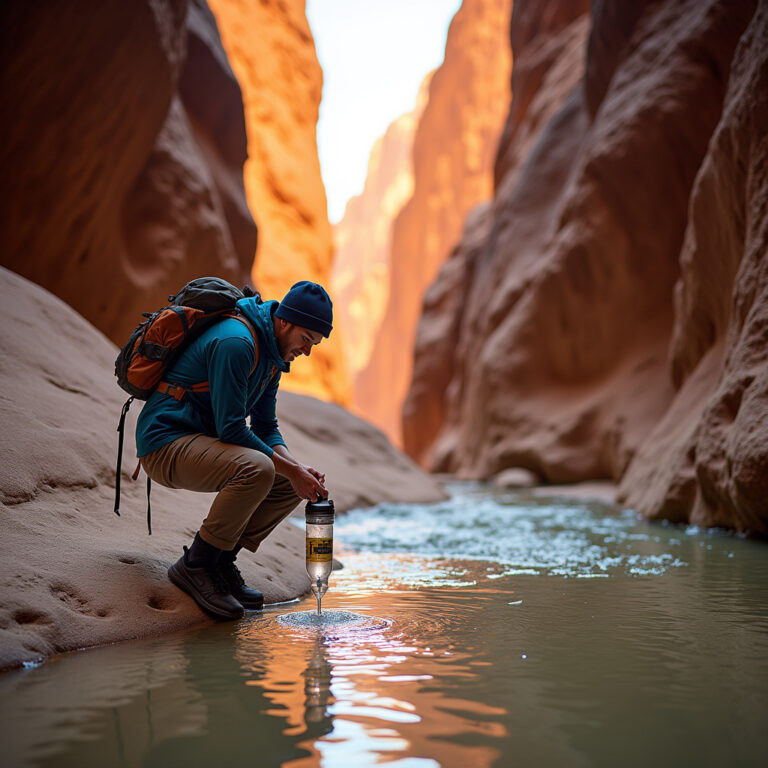
Even if you’ve been consistently drinking water on the trail, you’ve likely lost more fluids than you’ve consumed. Dehydration can lead to fatigue, headaches, and muscle cramps. Immediately begin to replenish your fluids with water, and consider an electrolyte-rich drink to restore vital minerals like sodium, potassium, and magnesium lost through sweat. Avoid sugary drinks or excessive alcohol, which can further dehydrate you. According to sports nutrition guidelines, continuous rehydration post-exercise is paramount for cellular function and muscle recovery.
Refuel Your Engine
Your muscles have depleted their glycogen stores, which are your primary fuel source. Within an hour of finishing your hike, aim for a snack or small meal that combines carbohydrates and protein. Carbohydrates will replenish glycogen, while protein aids in muscle repair and growth. Think a handful of nuts and dried fruit, a protein bar, or a sandwich with lean meat. This “anabolic window” isn’t as strict as once thought, but getting nutrients in soon after exertion helps accelerate recovery processes.
Gentle Stretching: Unlock Those Muscles
While dynamic stretching is great before a hike, static stretching is beneficial post-hike to improve flexibility and reduce muscle stiffness. Focus on major muscle groups that worked hardest: quads, hamstrings, glutes, calves, and your lower back. Hold each stretch for 20-30 seconds, without bouncing. Don’t push into pain, but rather aim for a gentle lengthening of the muscles. This can significantly reduce the severity of delayed onset muscle soreness (DOMS).
When You Get Home: Deeper Recovery Strategies
Once you’re back in the comfort of your home base, you can dedicate more time to comprehensive recovery methods.
Nourishment Beyond the Snack
After your initial refuel, prepare a balanced meal rich in complex carbohydrates, lean protein, healthy fats, and plenty of fresh vegetables. Whole grains, lean meats or plant-based proteins, avocados, and leafy greens provide sustained energy, essential amino acids, and anti-inflammatory compounds. Think of your food as medicine – it’s helping your body heal and strengthen.
Warmth and Comfort: The Soothing Shower
A warm shower or bath can do wonders. It helps relax tense muscles, improves blood circulation, and washes away the grime of the trail. Some hikers swear by an Epsom salt bath to help with muscle soreness, as the magnesium in Epsom salts is believed to be absorbed through the skin, aiding muscle relaxation. Elevating your legs for 15-20 minutes can also help reduce swelling in your feet and ankles, especially after a long descent.
Blister Care and Foot TLC
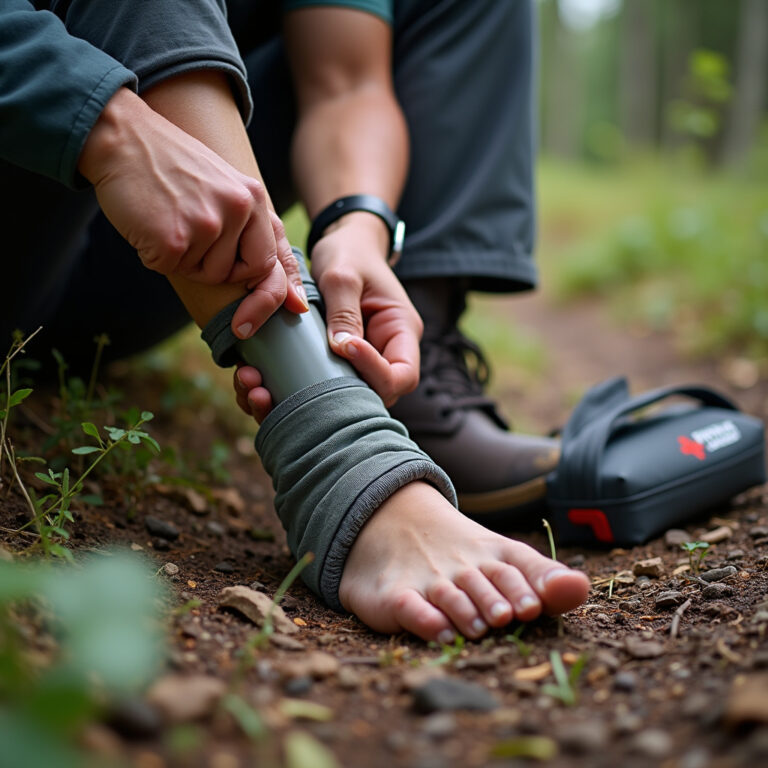
Address any hot spots or blisters immediately. Clean the area, and if a blister is large and painful, drain it carefully with a sterilized needle, then cover it with a sterile dressing or moleskin. Keeping your feet clean, dry, and aired out is crucial. Proper foot care isn’t just about comfort; it prevents infection and keeps you on the trail for future hikes. For comprehensive guidance on outdoor first aid, resources like the American Red Cross provide excellent guidelines on wound and blister care.
Longer-Term Recovery: Days Following Your Trek
Recovery isn’t just about what you do in the first few hours; it’s a multi-day process that continues to rebuild and fortify your body.
The Power of Sleep
Sleep is arguably the most critical component of recovery. During deep sleep, your body repairs tissues, releases growth hormones, and consolidates energy stores. Aim for 7-9 hours of quality sleep each night in the days following a strenuous hike. Prioritize a dark, quiet, and cool sleeping environment.
Active Recovery: Keep Moving Gently
While rest is important, complete inactivity can sometimes worsen muscle stiffness. Gentle, low-impact activities like a leisurely walk, swimming, or cycling can promote blood flow, deliver nutrients to tired muscles, and help flush out metabolic waste products. This active recovery should be easy and pain-free, focusing on movement rather than exertion.
Listen to Your Body
This is perhaps the most important recovery principle. Your body will tell you what it needs. Don’t push through sharp pain, and recognize the difference between muscle soreness and actual injury. If pain persists or worsens, consult a healthcare professional. Recovery also includes mental reflection; journaling about your hike, reviewing photos, or simply sitting in quiet contemplation can enhance the overall experience and prepare you for your next adventure.
Prevention is Part of Recovery
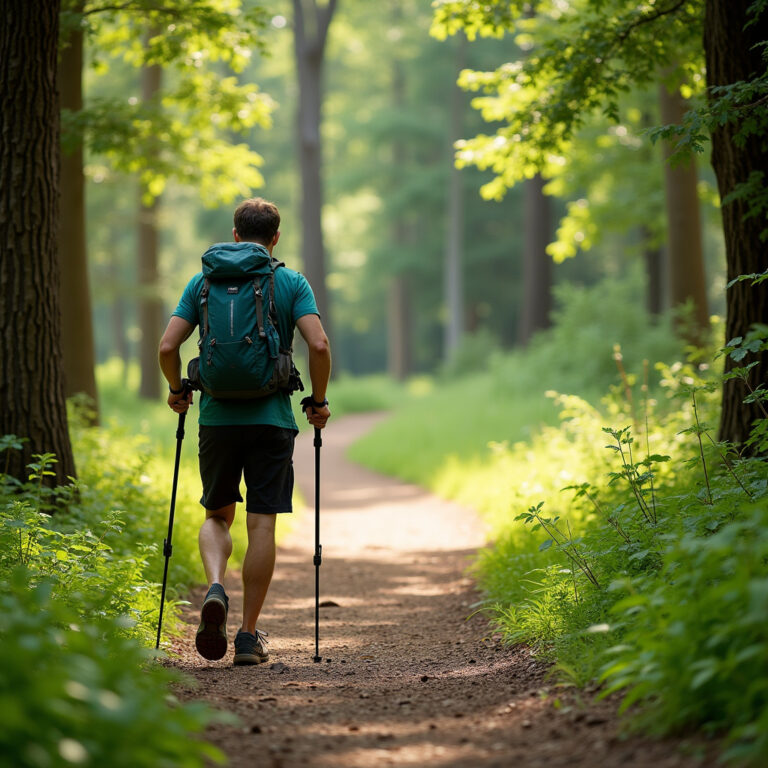
Many recovery issues can be mitigated with good preparation. Investing in proper-fitting hiking boots, using trekking poles to reduce stress on your knees, choosing appropriate socks to prevent blisters, and maintaining a good fitness level between hikes will all contribute to a smoother recovery. Moreover, understanding your own limits and not overexerting yourself is key.
Conclusion
Post-hike recovery is not merely a task; it’s a vital ritual that respects the effort your body has expended and prepares it for future explorations. By diligently rehydrating, refueling, stretching, prioritizing sleep, and listening to your body, you’re not just recovering – you’re enhancing your resilience and ensuring a long, fulfilling journey on the trails. Embrace these practices, and let every ending prepare you for a stronger beginning.