Slot Canyon Sips: Ultralight Water Wisdom for Your 72-Hour Desert Adventure
Utah’s slot canyons are a symphony in sandstone, a labyrinth of sculpted rock where time and water have carved masterpieces. For the adventurous soul, they offer an unparalleled experience of raw beauty and profound solitude. But this stark beauty comes with an equally stark reality: water is a precious, often elusive commodity. For weekend warriors embracing the ultralight ethos, mastering water procurement isn’t just a skill; it’s the cornerstone of a safe, enjoyable, and truly minimalist desert adventure.
The Ultralight Paradox: Less Weight, More Wisdom
In the world of ultralight backpacking, every ounce counts. We meticulously scrutinize gear, saw off toothbrush handles, and obsess over base weights. Yet, one item consistently defies our minimalist aspirations: water. Water is heavy – a liter weighs roughly 2.2 pounds. For a 72-hour trip in an arid environment like a slot canyon, you might need several liters per day, quickly escalating your pack weight to uncomfortable and unsustainable levels if not managed wisely.
This is where “ultralight” shifts from merely shedding gear to adopting a mindset of preparedness, efficiency, and deep understanding of your environment. It’s about carrying less by knowing more, especially when it comes to hydration.
Understanding the Desert’s Liquid Logic
Unlike alpine environments with predictable streams and snowmelt, water sources in slot canyons and arid regions are often intermittent, seasonal, and can be challenging to access. You’ll encounter:
- Potholes: These are depressions in the sandstone that collect rainwater. They can range from tiny puddles to deep, murky pools. While a lifesaver, they can also be stagnant, filled with sediment, and teeming with microorganisms.
- Springs/Seeps: Rarer but highly prized, these occur where groundwater emerges from the rock. They can be subtle and require keen observation to locate.
- Ephemeral Streams: After heavy rains, flash floods can temporarily fill dry washes, creating temporary flows. Never rely on these.
The key takeaway? Never assume water will be readily available. Your strategy begins long before you set foot in the canyon.
Pre-Trip Planning: The Hydration Blueprint
Effective water management starts at home. This is your most critical survival skill for desert environments:
- Research, Research, Research:
- Topographic Maps & Satellite Imagery: Look for blue lines (even dashed ones) indicating potential drainages or depressions. Satellite views can reveal larger potholes.
- Local Intel: Contact local ranger stations, visitor centers, or experienced guides. They can provide invaluable, up-to-date information on current water conditions, reliable sources, and recent rainfall. This is your most accurate source.
- Trip Reports: Online forums and blogs often contain recent water beta from other hikers. Always cross-reference.
- Weather Watch: Monitor forecasts not just for your immediate hiking days but also for the days leading up to your trip. Recent rainfall can mean replenished potholes; prolonged drought means dry conditions. Crucially, always check for flash flood potential in slot canyons.
- Calculate Your Needs: A general rule of thumb for desert hiking is 1 liter of water every 2-3 hours of moderate activity, but this varies wildly based on temperature, exertion, and individual physiology. Err on the side of caution. For a 72-hour, moderate-intensity trip in warm conditions, planning for 4-6 liters per person per day is a responsible starting point, especially if no reliable sources are guaranteed. Factor in cooking needs too.
Ultralight Gear for Water Procurement: The Essentials
Minimizing weight doesn’t mean compromising safety. It means selecting the most efficient, multi-functional tools for the job.
- Filtration/Purification: This is non-negotiable.
- Sawyer Squeeze or Katadyn BeFree: These lightweight, compact filters are excellent for removing bacteria and protozoa. Pair them with a collapsible soft bottle for easy collection and squeezing.
- Chemical Treatments (Aquamira, Iodine): Super lightweight, but require wait times and don’t remove sediment or viruses (unless specifically stated). Good as a backup.
- UV Purifiers (Steripen): Fast and effective against viruses, bacteria, and protozoa, but require batteries and clear water (no sediment).
Pro Tip: Always carry a primary and a backup method. A clogged filter or lost chemical tablet can quickly become a serious problem.
- Carry Capacity: Don’t rely on just one bottle.
- Collapsible Bottles/Flasks (e.g., Platypus SoftBottle): These are fantastic for expanding your carrying capacity only when needed, then stowing away compactly. Carry at least 2-3 liters of collapsible capacity in addition to a primary hard bottle.
- Hydration Reservoirs: While convenient, they can be harder to clean and refill from shallow sources. Consider a wide-mouth reservoir if using one.
- Collection Aids:
- Bandana/Coffee Filter: Essential for pre-filtering murky pothole water, protecting your main filter from clogging.
- Small Sponge/Syringe: For wicking water from extremely shallow pools.
- Lightweight Tarp/Space Blanket: Can be used to collect condensation or scarce rainfall in an emergency (though less practical in slot canyons).
On-Trail Strategies: Mindful Hydration
Even with the best gear, your actions on the trail are paramount.
- Hydration Discipline: Don’t wait until you’re thirsty to drink. Sip regularly throughout the day. Dehydration is a slippery slope.
- Locating Water: Keep an eye out for darker, damp patches on canyon walls, lush vegetation, or animal tracks leading to potential sources. Listen for drips.
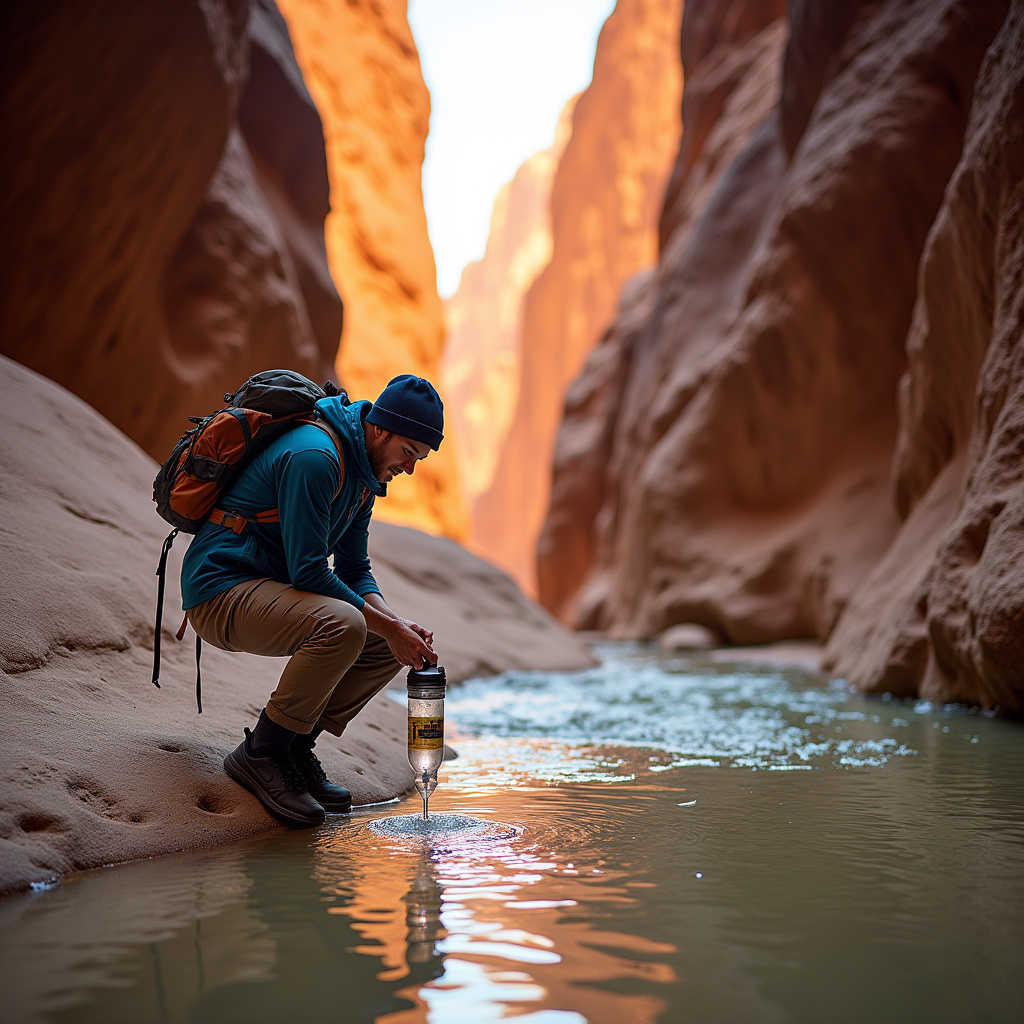
- Pothole Protocol: If you find a pothole, assess its quality. Is it stagnant? Are there signs of animals? Always pre-filter meticulously before running through your main filter. Collect from the clearest part of the pool.
- Emergency Conservation: If you find yourself running low, immediately ration your remaining water. Reduce activity, seek shade, and consider turning back. Knowing your limits and when to call it is a sign of true outdoor wisdom.
Leave No Trace: Protect Our Water Sources
Our actions directly impact the pristine nature of these environments. When procuring water:
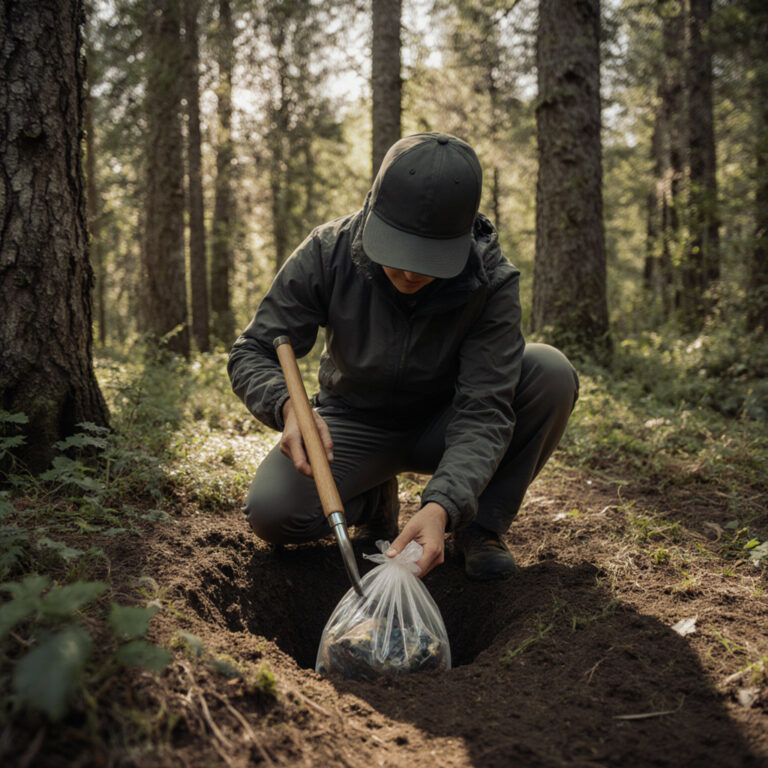
- Avoid Contamination: Do not filter or collect water too close to human or animal waste. Pack out all waste, including “natural” waste like orange peels.
- Minimize Impact: Stay on durable surfaces when accessing water. Don’t disturb delicate riparian areas.
Conclusion: The Ultimate Desert Skill
A 72-hour ultralight adventure into Utah’s slot canyons is an unforgettable experience, but it demands respect for the desert’s unique challenges. By meticulously planning your hydration strategy, selecting efficient ultralight gear, and practicing mindful water procurement skills on the trail, you transform potential peril into profound self-reliance. Your pack may be lighter, but your wisdom will be immense, allowing you to fully immerse yourself in the awe-inspiring beauty of these ancient landscapes.
Now, go forth, explore, and stay hydrated!
Source: WildGridScout Keyword Planner.