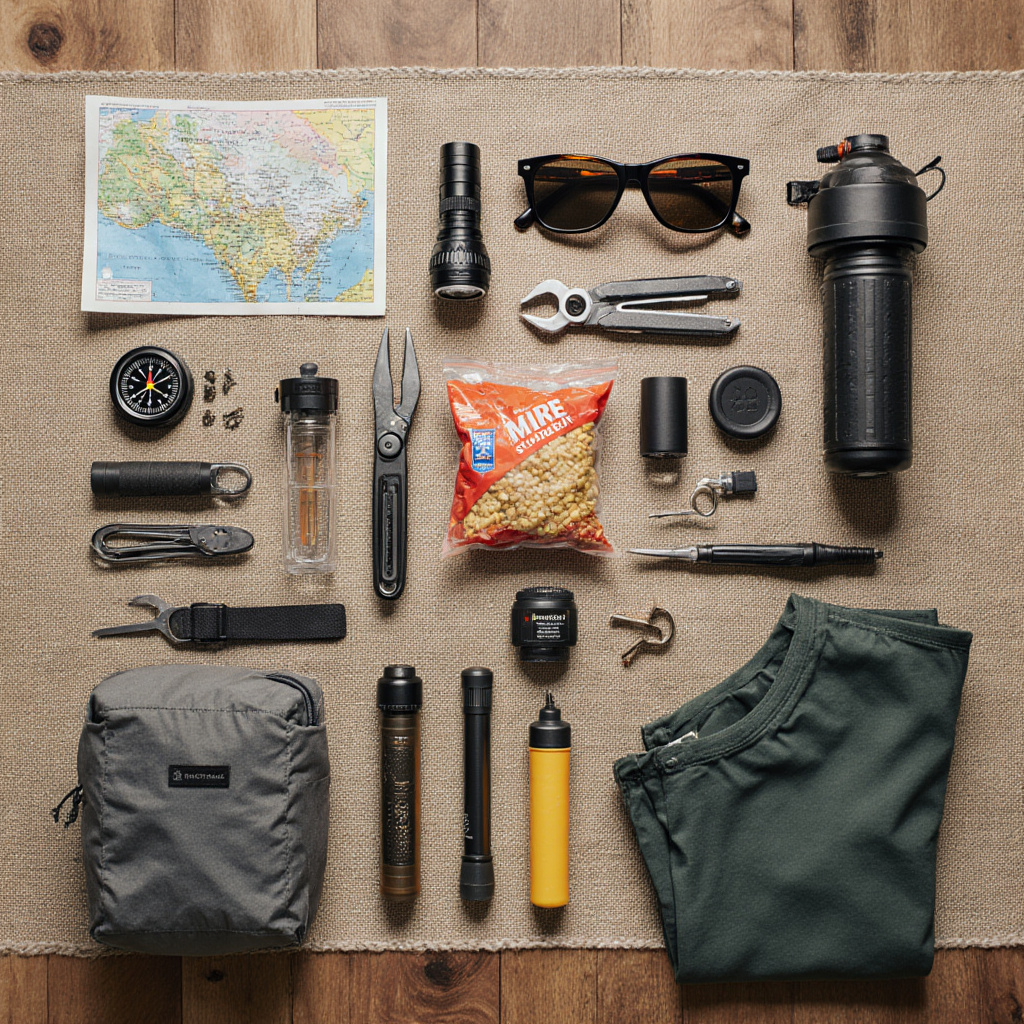
The 10 Essentials for Outdoor Adventures: A Detailed Breakdown
Welcome to WildGridScout, where we equip you with the knowledge to explore the wild responsibly and confidently. Today, we’re diving deep into a fundamental concept for anyone venturing into the great outdoors: The 10 Essentials. This isn’t just a packing list; it’s a comprehensive system designed to help you prepare for common mishaps, emergencies, and unexpected changes in weather or conditions. Whether you’re a seasoned backpacker or a weekend warrior hitting the local trails, understanding and carrying these items can be the difference between a minor inconvenience and a serious situation.
The concept of the “Ten Essentials” was first popularized by The Mountaineers, a Seattle-based outdoor organization, in the 1930s. Over the decades, as gear technology and understanding of outdoor safety evolved, so too did the list. The original list focused on individual items, but the modern approach, often referred to as the “Ten Essential Systems,” emphasizes categories of equipment that serve crucial functions. We’ll explore this modern interpretation, offering practical advice and minimalist considerations for each.
1. Navigation: Your Path to Discovery (and Safety)
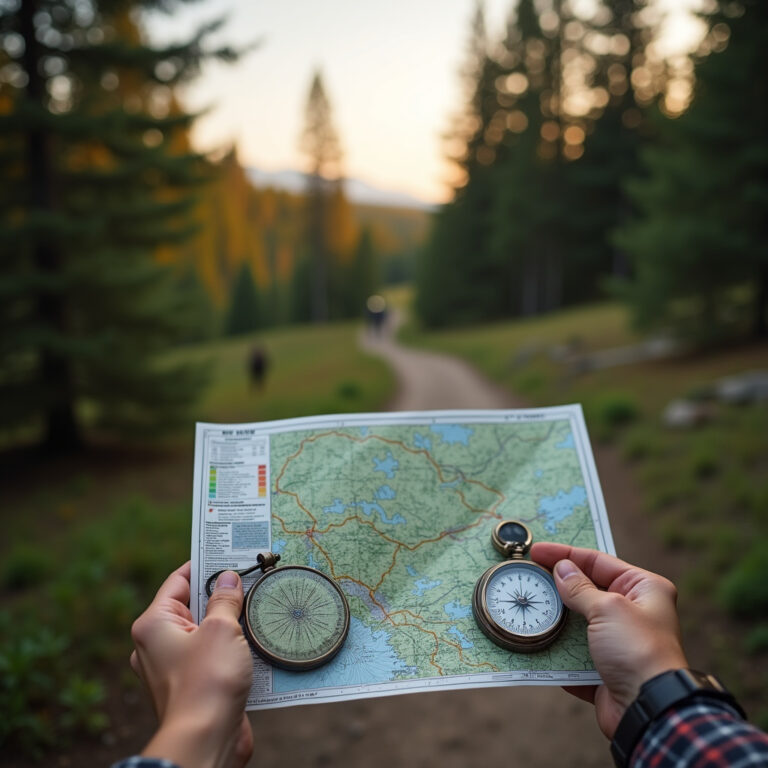
In an age of ubiquitous smartphones, it’s easy to overlook dedicated navigation tools. However, cell service is unreliable, and batteries die. Your navigation system should always include a physical map of your area, a compass, and the knowledge of how to use them. A GPS device or a reliable navigation app on a fully charged phone (with a power bank) can be a great supplement, but never a replacement for traditional methods. Consider also carrying an altimeter for accurate elevation readings and a personal locator beacon (PLB) or satellite messenger for emergencies in remote areas. For minimalist adventurers, a lightweight map and a button compass can suffice for familiar trails, but for serious backcountry trips, redundancy is key.
Source: The Mountaineers – “Mountaineering: The Freedom of the Hills”
2. Headlamp or Flashlight: Illuminating Your Way
Even if you plan to be back before dark, delays happen. A powerful headlamp frees your hands, which is invaluable for setting up camp, navigating uneven terrain, or dealing with an unexpected issue in low light. Always pack extra batteries, or better yet, a headlamp with a long-lasting rechargeable battery and a small power bank. Modern LED headlamps are incredibly lightweight and efficient, making them an easy addition to any pack.
3. Sun Protection: Guarding Against the Elements
The sun’s rays, especially at higher altitudes or reflected off snow, can be intense. Sunburn, heatstroke, and snow blindness are serious risks. This essential includes sunglasses (preferably wrap-around and UV-protective), broad-spectrum sunscreen (SPF 30+), and a wide-brimmed hat. Light-colored, long-sleeved clothing can also provide excellent sun protection and help regulate body temperature.
4. First-Aid Kit: Ready for Anything
A well-stocked first-aid kit is non-negotiable. While pre-made kits are a good starting point, customize yours based on the trip’s duration, remoteness, and your group’s specific needs. Essential items often include adhesive bandages, gauze pads, antiseptic wipes, pain relievers, allergy medication, blister treatment, medical tape, and any personal prescription medications. Knowing how to use the contents of your kit is just as important as carrying it. Consider taking a wilderness first-aid course.
Source: REI Co-op – “The Ten Essentials”
5. Knife/Repair Kit: The Ultimate Multi-Tool
A knife is one of the most versatile tools in the outdoors. From cutting cordage and opening food packages to making kindling or performing minor gear repairs, its uses are endless. A multi-tool can be even more functional, combining pliers, screwdrivers, and other implements. Along with a knife, consider a small repair kit with duct tape, safety pins, cordage, and patches for clothing or sleeping pads. This system helps you fix minor gear failures before they become major problems.
6. Fire Starter: For Warmth and Signaling
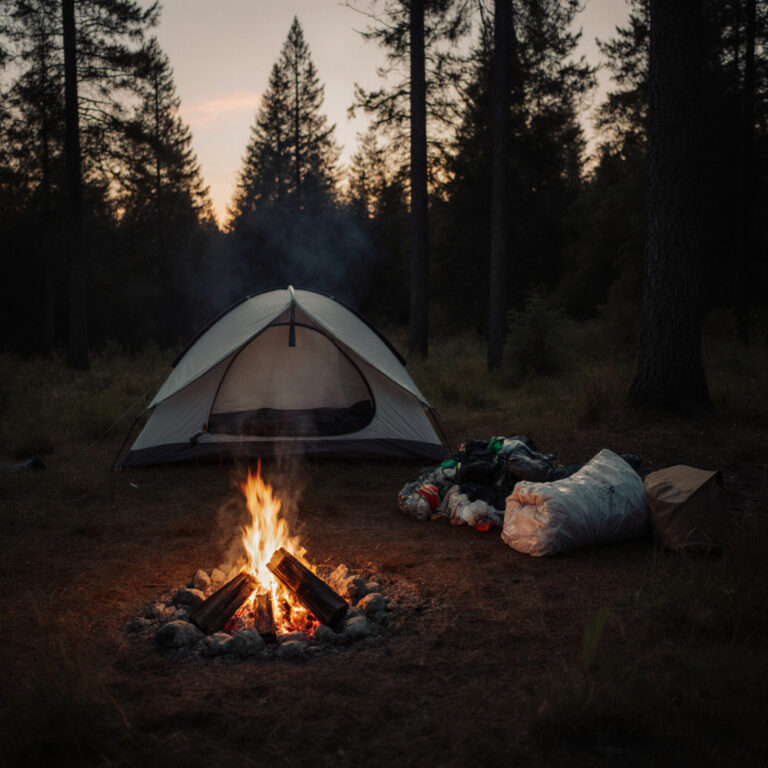
The ability to start a fire can be a lifesaver, providing warmth, purifying water, cooking food, and signaling for help. Carry multiple methods: waterproof matches in a sealed container, a reliable lighter, and a ferrocerium rod with a striker. Even if you don’t plan on having a campfire, this essential is crucial for emergency situations. For those practicing Leave No Trace principles, remember that fires should only be made where permitted and in existing fire rings.
7. Shelter: Your Emergency Haven
Unexpected overnight stays due to injury, getting lost, or severe weather are a real possibility. An emergency shelter, even a minimalist one, can protect you from hypothermia and exposure. This could be a lightweight emergency bivy sack, a large plastic trash bag, a space blanket, or a ultralight tarp. The goal is to provide immediate protection from wind, rain, and cold. Even if you’re day-hiking, a simple emergency blanket takes up minimal space and offers vital warmth.
8. Extra Food: Fuel for the Journey
Always pack more food than you think you’ll need. High-energy, non-perishable items like energy bars, nuts, dried fruit, or jerky are ideal. These emergency rations can sustain you during unexpected delays or if you have to exert extra effort. They also serve as a morale booster in challenging situations. For minimalist packers, focus on calorie-dense options that require no cooking.
9. Extra Water/Water Purification: The Elixir of Life
Dehydration is a serious risk in the outdoors. Carry sufficient water for your planned trip, and always have a way to purify more. This could be a water filter/purifier, chemical purification tablets, or a portable UV purifier. Knowing where to find water sources along your route is also critical. Even for shorter trips, a small emergency filter or tablets can be invaluable.
10. Extra Clothes: Adapting to Change
Weather in the wilderness can change rapidly and unpredictably. Packing extra layers, even on a sunny day, is a smart move. Focus on synthetic or wool materials that retain warmth even when wet and dry quickly. A rain jacket and rain pants are often the most crucial extra layers, providing protection from both rain and wind. A warm hat and gloves are also small, lightweight items that can make a huge difference in comfort and safety. Think in terms of a “clothing system” that allows you to add or remove layers to adapt to varying conditions and activity levels.
Beyond the List: The Eleventh Essential
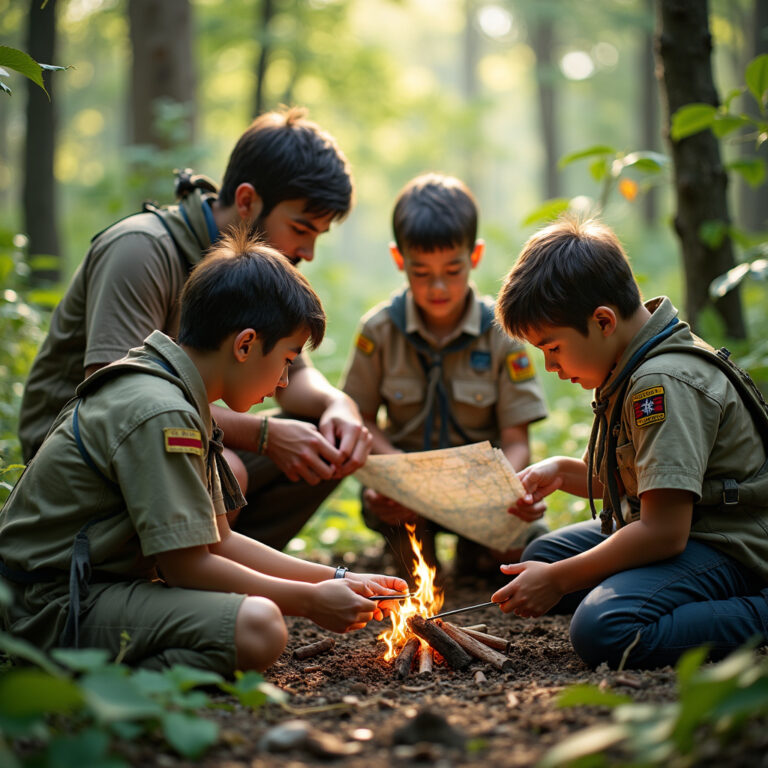
While carrying these ten systems is vital, there’s an “eleventh essential” that transcends any physical item: Knowledge and Experience. No amount of gear can replace good judgment, wilderness skills, and awareness of your surroundings. Before you head out, research your route, understand the weather forecast, inform someone of your itinerary, and know your own limits. Continuously learn and practice skills like map reading, fire starting, and first aid.
Conclusion
The 10 Essentials are more than just a checklist; they represent a philosophy of preparedness and self-reliance in the wild. By systematically considering each category and packing appropriate gear, you significantly enhance your safety and enjoyment on any outdoor adventure. So, next time you plan a trip, take a moment to review this comprehensive breakdown. Your preparedness is your best tool for an unforgettable and safe experience on the grid and beyond. Happy trails!