Training for a Big Hike: A Fitness Plan for Backpackers
Introduction
Embarking on a multi-day backpacking trip or conquering a challenging peak isn’t just about having the right gear; it’s fundamentally about having the right physical conditioning. A big hike demands more than just casual weekend strolls. It requires a strategic fitness plan that builds endurance, strength, and resilience, ensuring you can enjoy the wilderness safely and comfortably. At WildGridScout, we believe preparation is key to unlocking unforgettable outdoor experiences. This comprehensive guide will walk you through crafting a fitness regimen tailored for your next big adventure.
Understanding the Demands of Backpacking
Before diving into specific exercises, it’s crucial to understand what your body will endure on the trail. Backpacking involves carrying a significant load (your pack) uphill, downhill, and across uneven terrain for hours on end. This taxes your cardiovascular system, strengthens your leg and core muscles, and challenges your balance and proprioception. Neglecting any of these areas can lead to premature fatigue, injuries, or a less enjoyable experience.
Phase 1: Building Your Foundation (Weeks 1-4)
Cardiovascular Conditioning
This is the cornerstone of any hiking fitness plan. Your heart and lungs need to be efficient at delivering oxygen to your working muscles.
- Low-Impact Cardio: Start with activities like brisk walking, cycling, or swimming for 30-45 minutes, 3-4 times a week. Focus on maintaining a conversational pace.
- Increase Intensity Gradually: As your fitness improves, incorporate incline walking on a treadmill, stair climbing, or trail running. Aim for 3-5 sessions per week, gradually increasing duration and intensity. The goal is to be able to sustain moderate-intensity exercise for at least 60-90 minutes comfortably.
Strength Training (Focus on Legs and Core)
Strong legs are paramount for tackling ascents and descents, while a robust core helps maintain posture and balance, especially with a pack.
- Bodyweight Exercises: Begin with squats, lunges, glute bridges, and planks. Perform 2-3 sets of 10-15 repetitions, 2-3 times a week.
- Add Resistance: As you get stronger, consider adding dumbbells or resistance bands. Focus on compound movements that mimic hiking actions.
(Cited Source: American Council on Exercise (ACE) emphasizes the importance of functional strength for outdoor activities.)
Flexibility and Mobility
Don’t overlook the importance of staying limber. Good flexibility can prevent muscle strains and improve your range of motion.
- Incorporate dynamic stretches before workouts and static stretches after. Yoga or Pilates can be excellent additions, focusing on hip flexibility, hamstring length, and spinal mobility.
Phase 2: Enhancing Endurance and Specificity (Weeks 5-8)
Longer Cardio Sessions
Gradually extend the duration of your cardiovascular workouts.
- Weekend Long Hikes: Start doing longer hikes (2-4 hours) with a light daypack. Mimic actual trail conditions as much as possible – find trails with elevation changes.
- Paced Walking: Practice maintaining a steady pace over varied terrain.
Weighted Training
Begin incorporating your backpack into your training.
- Weighted Walks: Start with 10-15 lbs in your pack on shorter walks and gradually increase the weight and duration. This helps your body adapt to carrying the load and strengthens the stabilizing muscles around your spine and shoulders. Caution: Start light and increase weight slowly to avoid injury.
- Step-Ups with Weight: Use a sturdy bench or box and perform step-ups while wearing your pack. This is excellent for leg and glute strength, directly mimicking uphill hiking.
Balance and Proprioception
Uneven trails demand good balance.
- Single-Leg Stands: Practice standing on one leg for increasing durations.
- Bosu Ball/Wobble Board: If available, incorporate these tools into your routine to challenge your balance further.
- Uneven Terrain Training: Whenever possible, choose trails with roots, rocks, and varied surfaces over paved paths.
Phase 3: Peak Conditioning and Tapering (Weeks 9-12, leading up to the hike)
Intensified Training
This phase focuses on fine-tuning your fitness.
- Back-to-Back Hikes: If possible, do multi-day hikes with your full pack weight to simulate your trip. This tests your recovery and endurance.
- Hill Repeats: Find a steep hill and perform repeated ascents and descents. This builds explosive power and downhill control.
- Max Pack Weight Walks: Do a few walks with the maximum weight you expect to carry on your trip. This helps you get accustomed to the real load.
Tapering (1-2 weeks before the hike)
Just like elite athletes, you need to taper your training to allow your body to recover and store energy.
- Reduce the intensity and volume of your workouts significantly. Focus on light activity, stretching, and rest.
- Maintain a healthy diet and stay hydrated.
Nutrition and Hydration
Your fitness plan isn’t complete without considering what you put into your body.
- Balanced Diet: Focus on whole foods, lean proteins, complex carbohydrates, and healthy fats. These provide sustained energy and aid muscle recovery.
- Pre-Hike Fuel: Ensure you’re adequately fueled with carbs for energy and protein for muscle repair.
- Hydration: Drink plenty of water throughout your training and especially in the days leading up to your hike.
(Cited Source: The Mayo Clinic stresses proper hydration for physical performance and preventing injuries.)
Gear Shakedowns and Practice
While not strictly a fitness component, integrating your gear into your training is vital.
- Wear Your Boots: Break in your hiking boots thoroughly during your training hikes to prevent blisters on the actual trip.
- Practice with Your Pack: Adjust your pack, pack it efficiently, and get used to carrying it. Ensure it sits comfortably and all straps are adjusted correctly.
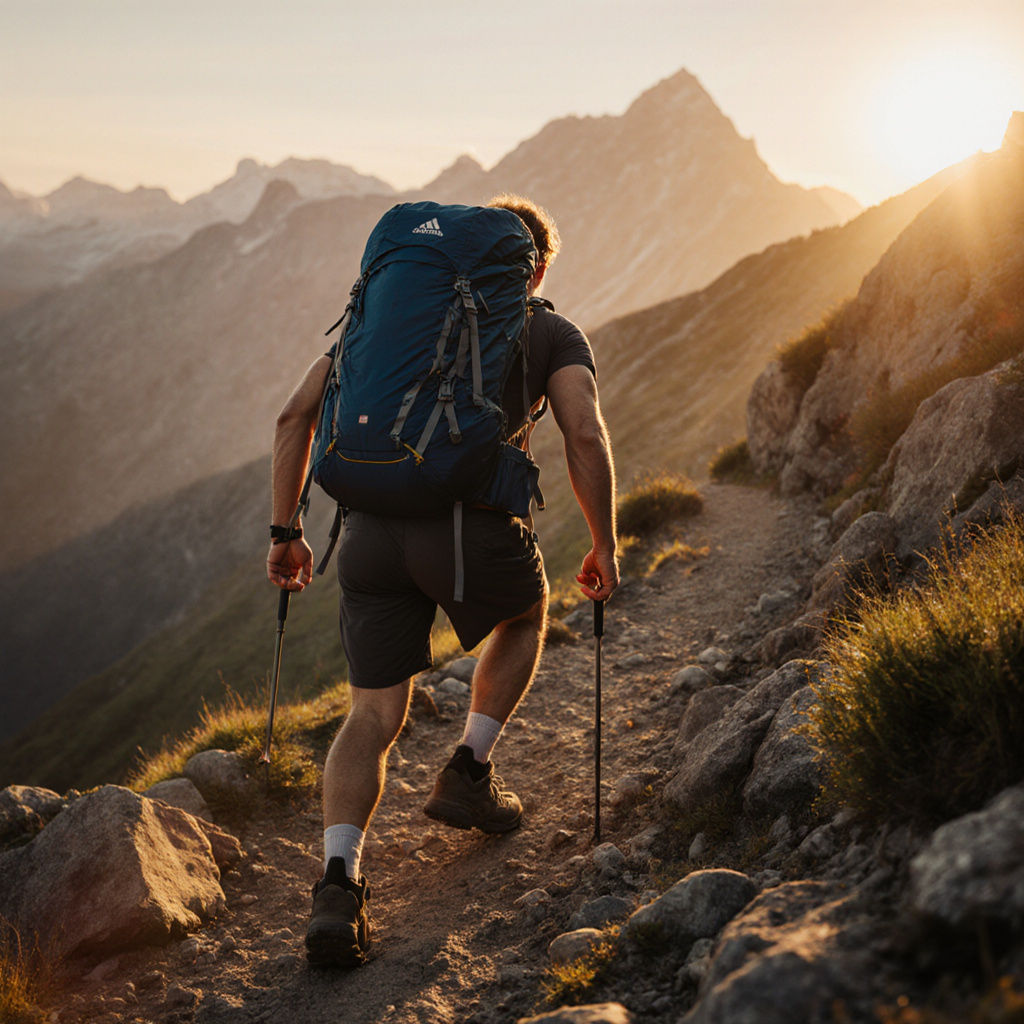
- Use Your Trekking Poles: If you plan to use them, practice with trekking poles to get your rhythm and learn how they aid balance and reduce strain.
Listen to Your Body
Throughout your training, pay attention to any aches or pains. Pushing through severe pain can lead to injury. Rest, cross-train, or consult a professional if something feels wrong. Consistency is more important than intensity in the long run.
Conclusion
Training for a big hike is an investment in your adventure. It transforms you, not just physically but mentally, instilling confidence and resilience. By following a structured plan, gradually increasing your workload, and listening to your body, you’ll be well-prepared to tackle any trail WildGridScout style – responsibly, efficiently, and ready for anything the wilderness throws your way. Happy trails!
Sources:
- American Council on Exercise (ACE).
- Mayo Clinic.