
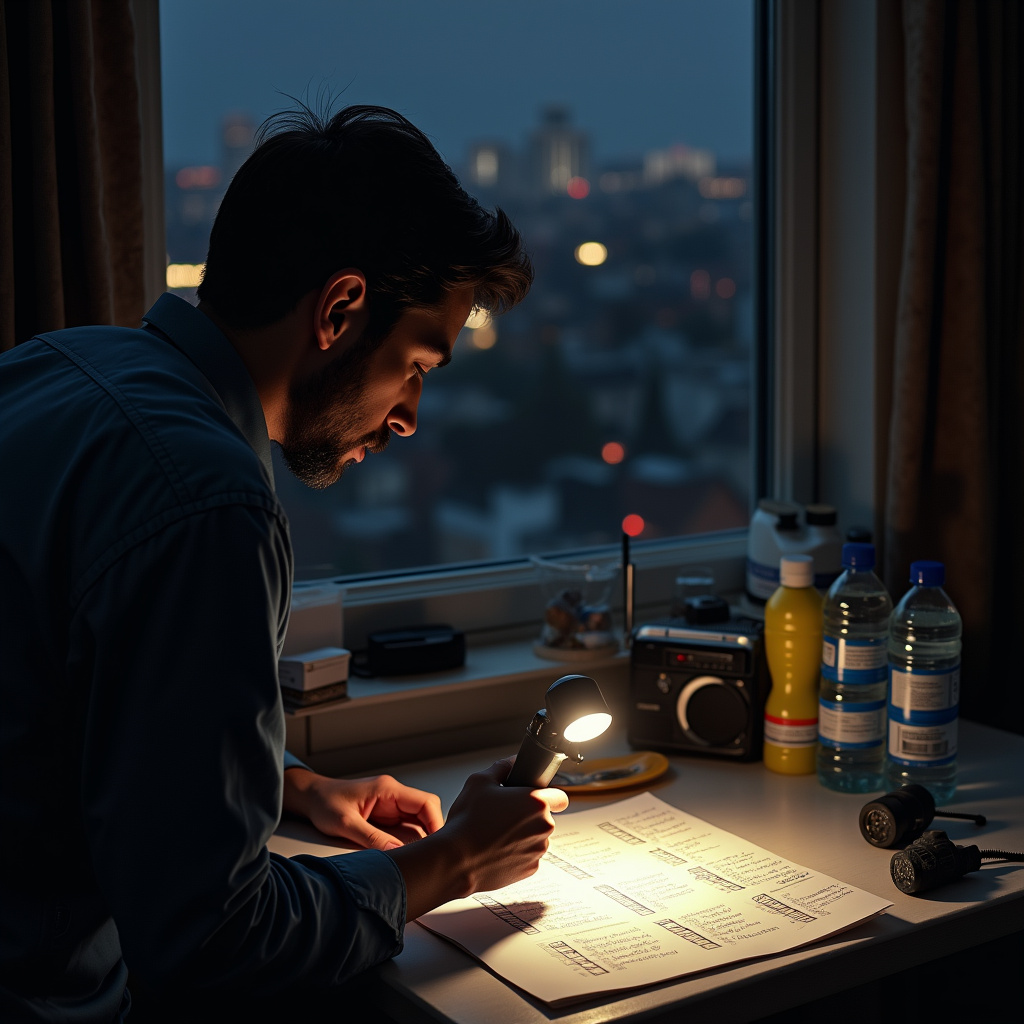
Urban Blackout Survival Drill: A Printable Checklist for Apartment Dwellers
The hum of electricity, the glow of screens, the convenience of modern life—it’s easy to take it all for granted until suddenly, it’s gone. Power outages, whether caused by severe weather, infrastructure failures, or unexpected events, are becoming more frequent and can plunge even the most bustling urban centers into darkness. For apartment dwellers, a blackout presents a unique set of challenges, often different from those faced by homeowners. At WildGridScout, we believe preparedness isn’t just for the wilderness; it’s a critical skill for navigating the concrete jungle too. This post isn’t just about collecting gear; it’s about adopting an “Urban Blackout Survival Drill” mindset, and we’re providing a printable checklist to guide you.
Why Apartment Living Requires a Specific Approach
Living in an apartment offers many perks, but during a prolonged power outage, it can expose vulnerabilities. Unlike a house with a yard for a generator or a wood stove, apartment buildings are complex ecosystems reliant on centralized systems. Elevators cease to function, potentially trapping residents or making movement difficult, especially for those on higher floors. Water pressure can drop significantly or disappear entirely, as pumps stop working. Shared walls mean you’re more integrated into a community—for better or worse—and your actions (or lack thereof) can impact others. Understanding these unique factors is the first step toward effective preparation.
The Urban Blackout Survival Drill: More Than Just a Kit
An “Urban Blackout Survival Drill” is about more than just having a flashlight; it’s a proactive mindset. It’s about understanding your immediate environment, knowing your resources, and having a plan. Think of it as mapping your personal “grid” within the larger urban grid. This drill encourages you to identify potential issues before they arise and to practice solutions in advance. It’s about empowering yourself to maintain comfort, safety, and communication when the lights go out.
Essential Pillars of Your Apartment Blackout Checklist
Let’s break down the critical areas you need to address in your preparedness plan, focusing on minimalist, practical solutions tailored for apartment living.
1. Illumination & Power: Beyond Candles
Forget candles; they’re fire hazards in a confined space. Prioritize reliable, long-lasting light sources.
- LED Flashlights & Headlamps: At least two per person, with extra batteries. Headlamps are invaluable for hands-free tasks.
- Solar/Hand-Crank Lanterns: Great for ambient room lighting and require no battery stock.
- Power Banks & Solar Chargers: Keep power banks fully charged. A small solar panel for charging phones or USB devices can be a lifesaver for communication.
- Battery Management: Label batteries with their expiration dates and rotate stock regularly.
Source: Ready.gov offers comprehensive guidance on emergency lighting.
2. Water: Your Most Critical Resource
Apartment water supplies can be quickly disrupted. Aim for at least one gallon of water per person per day for drinking and basic sanitation, for a minimum of three days (ideally more).
- Bottled Water: Store in a cool, dark place.
- Water Filter Bottle/Straw: A personal filter like a Sawyer Mini or Lifestraw can make non-potable water sources (if available and safe) drinkable.
- Water Purification Tablets: A lightweight backup for emergencies.
- Bathtub Preparedness: Consider filling your bathtub with water at the first sign of a looming outage for non-drinking uses like flushing toilets.
Source: The American Red Cross emphasizes water storage as paramount for disaster preparedness.
3. Non-Perishable Food: Fuel for Survival
Focus on calorie-dense, nutritious foods that require no cooking, refrigeration, or special preparation.
- Canned Goods: Beans, vegetables, fruits, tuna, chicken. Don’t forget a manual can opener.
- Dried Foods: Jerky, dried fruit, nuts, granola bars.
- Instant Meals: MREs (Meals Ready-to-Eat) or freeze-dried meals (if you have a way to boil water).
- Comfort Foods: A few treats can boost morale.
Store at least a 3-day supply, but a week or more is advisable. Rotate your stock every six months.
4. First Aid & Hygiene: Health in a Crisis
Basic medical care and sanitation are vital to prevent illness and manage minor injuries.
- Comprehensive First-Aid Kit: Include bandages, antiseptic wipes, pain relievers, allergy medication, personal prescription medications (with a several-day supply), and any specific medical supplies you or your family require.
- Hand Sanitizer & Wet Wipes: For personal hygiene when water is scarce.
- Garbage Bags & Bins: For waste disposal, especially if municipal services are interrupted.
- Feminine Hygiene Products: Essential to include.
Source: FEMA’s guidelines on emergency kits always include a well-stocked first-aid kit.
5. Communication & Information: Stay Connected
When cell towers are down and internet is out, alternative communication is crucial.
- Battery-Powered/Hand-Crank/Solar Radio: An NOAA weather radio can provide critical emergency broadcasts.
- Fully Charged Phones & Power Banks: Use sparingly for emergencies.
- Physical Map: Of your area, as GPS might be unreliable or battery-draining.
- Emergency Contact List: Written down, as your phone might die.
- Whistle: For signaling help.
6. Shelter & Warmth (Indoors): Managing Your Microclimate
Maintaining a comfortable temperature in your apartment without electricity is key.
- Warm Bedding: Extra blankets, sleeping bags (even if you’re not camping, they’re great for warmth).
- Layered Clothing: Merino wool or synthetic layers are excellent for retaining warmth.
- Draft Stoppers: Block drafts from windows and doors.
- Thermal Curtains: Can help insulate.
Avoid using gas ovens or charcoal grills indoors for heat, as they produce dangerous carbon monoxide.
7. Security & Awareness: Protecting Your Space
During widespread outages, crime rates can sometimes increase.
- Secure Doors & Windows: Ensure they are locked and reinforced if possible.
- Community Watch: Connect with neighbors to look out for each other.
- Be Discreet: Avoid openly displaying valuable items or creating unnecessary attention.
Your Printable Urban Blackout Checklist: A Call to Action
The essence of this “Urban Blackout Survival Drill” is to make preparedness tangible. We encourage you to download and print our comprehensive checklist (available for download here—note: this is a placeholder link, create your own!). This checklist will serve as your guide to gather supplies, identify potential weaknesses in your apartment, and formulate a family communication plan. Review it every few months, update your supplies, and even consider a low-stakes practice drill where you spend a few hours without electricity, using only your emergency supplies. This simple act can reveal gaps in your plan you never considered.
Beyond the Gear: Building Resilience
True preparedness extends beyond physical items. It involves building relationships with your neighbors, understanding the layout and emergency exits of your building, and perhaps even participating in local community emergency response teams. A strong community network can be your most valuable asset during a crisis. Discuss your plans with housemates or family members, ensuring everyone knows their role and the location of emergency supplies.
Conclusion: Empowering Your Urban Resilience
An urban blackout doesn’t have to be a terrifying ordeal. With a thoughtful “Urban Blackout Survival Drill” and a well-prepared checklist, apartment dwellers can transform potential chaos into a manageable challenge. By embracing minimalist gear principles, focusing on practical skills, and fostering a sense of community, you’re not just surviving; you’re thriving. Stay safe, stay prepared, and remember: the best time to prepare was yesterday; the next best time is now.
Sources: