Winter’s Embrace: Mastering Ultralight Weekend Backpacking in the High Sierra
The allure of winter can be irresistible: pristine snowscapes, crisp air, and a profound solitude rarely found during warmer months. Yet, for many, the thought of backpacking in winter conjures images of heavy, cumbersome gear and uncomfortable nights. What if we told you it doesn’t have to be that way? At WildGridScout, we believe in embracing the wilderness with intelligence and efficiency. This post, inspired by our WildGridScout Keyword Planner, will guide you through mastering ultralight weekend backpacking in iconic high-alpine environments like the Sierra Nevada, proving that winter’s embrace can be both exhilarating and comfortable, even with minimal gear.
Why Go Ultralight in Winter? It’s More Than Just Less Weight.
When most people think of ultralight backpacking, they often picture warm-weather thru-hikes. However, the principles of ultralight gear selection and strategy are perhaps even more critical in winter. Every ounce saved translates directly into energy conserved – a precious commodity when battling cold, snow, and elevation. Moving efficiently means less time exposed to the elements, fewer sweat-soaked layers (a hypothermia risk), and simply more enjoyment. Ultralight isn’t about sacrificing safety; it’s about making deliberate, informed choices to maximize comfort, mobility, and resilience in challenging conditions.
The Sierra Nevada: A Winter Canvas Demanding Respect
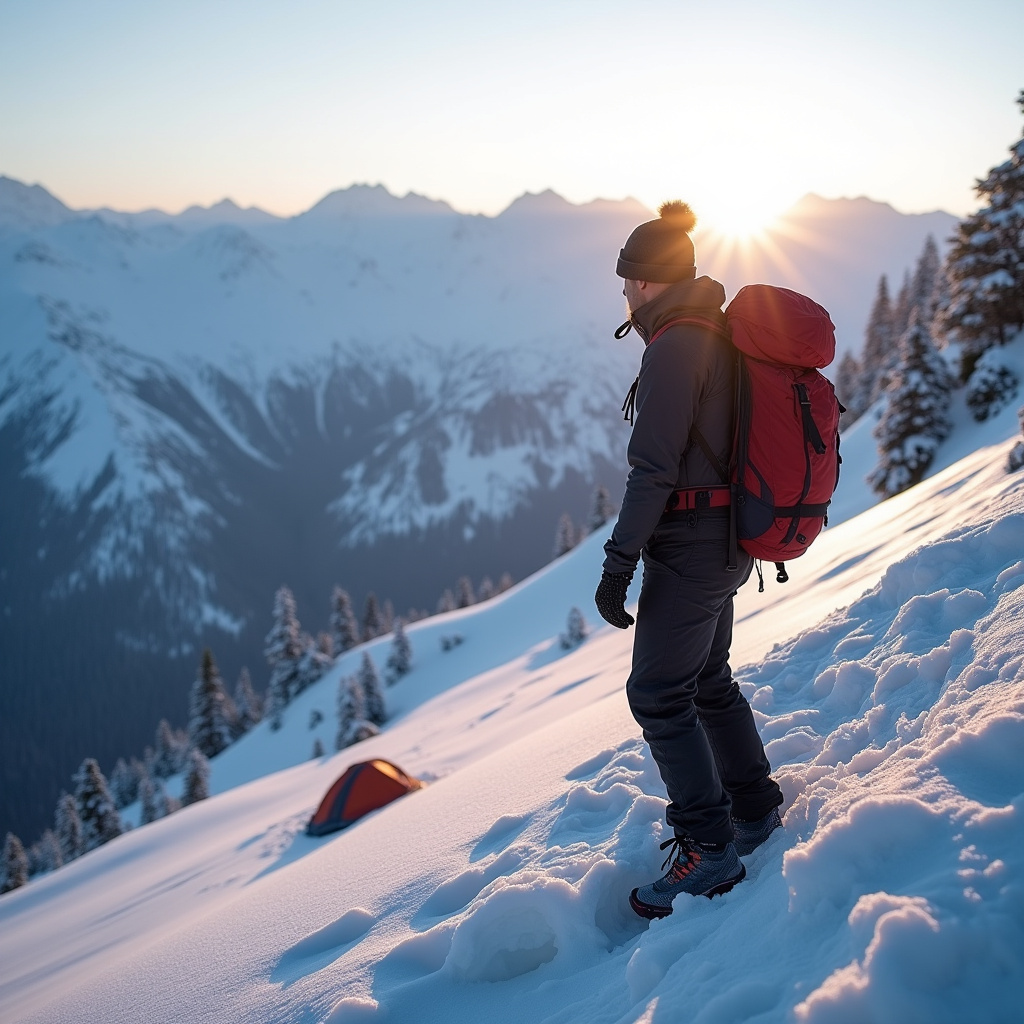
Our focus today is on a typical sub-72-hour weekend in a high-alpine environment, using the Sierra Nevada as our prime example. Known for its breathtaking beauty, the Sierra in winter transforms into a formidable landscape. Deep snowpacks, sudden blizzards, high winds, and rapidly fluctuating temperatures are common. Preparing for such conditions requires not just robust gear, but also a mastery of essential winter skills and a meticulous planning process. We’re talking about thriving, not just surviving.
The Ultralight Winter Kit: Every Item Earns Its Place
Shelter: Your Sub-5lb Fortress
Forget the notion that winter means hauling a massive, bombproof tent. Modern 4-season tents, often weighing well under 5 pounds, offer incredible protection. Look for designs with robust pole structures that can withstand heavy snow loads and high winds. Double-wall tents are preferred for managing condensation, a critical factor in freezing temperatures. Materials like silnylon or Dyneema Composite Fabric (DCF) offer superior strength-to-weight ratios. Consider a tent with ample vestibule space for cooking and gear storage, keeping your sleeping area dry and clear of snow. Always carry a lightweight ground cloth for added protection against sharp ice or abrasive surfaces.
Sleep System: Your Warmth Engine
This is where you absolutely cannot compromise on quality, but you can optimize for weight. Your sleep system comprises your sleeping bag and sleeping pad(s).
- Sleeping Bag: A high-quality down bag (with hydrophobic treatment for moisture resistance) rated at least 10-15 degrees Fahrenheit colder than the lowest expected night temperature is essential. Look for high fill power (800+) for the best warmth-to-weight. A full-length zipper allows for ventilation if needed.
- Sleeping Pad(s): A high R-value is paramount. Many ultralighters opt for a double-pad system: a closed-cell foam pad (like a Z-Lite) directly on the snow, topped with an inflatable insulated pad. The foam pad protects the inflatable from punctures and provides an emergency backup insulation layer if the inflatable fails.
Clothing: The Art of Layering (No Cotton!)
Your clothing system should be dynamic, allowing you to adapt to changing activity levels and temperatures. The golden rule of winter outdoors: Absolutely no cotton! Cotton absorbs moisture and loses all insulating properties when wet, a fast track to hypothermia.
- Base Layers: Merino wool or synthetic fabrics (top and bottom) wick moisture away from your skin.
- Mid-Layers: A fleece jacket or lightweight synthetic puffy provides crucial insulation over your base layer.
- Outer Shells: A waterproof and breathable jacket and pants are non-negotiable for protection against snow, wind, and rain. Look for durable materials.
- Insulation Layer: A warm down or synthetic puffy jacket (and perhaps pants) for static activities in camp or during breaks.
- Accessories: Two pairs of warm gloves/mittens (one for backup), a warm hat that covers your ears, and gaiters to keep snow out of your boots.
Camp Kitchen: Minimal Fuel, Maximum Efficiency
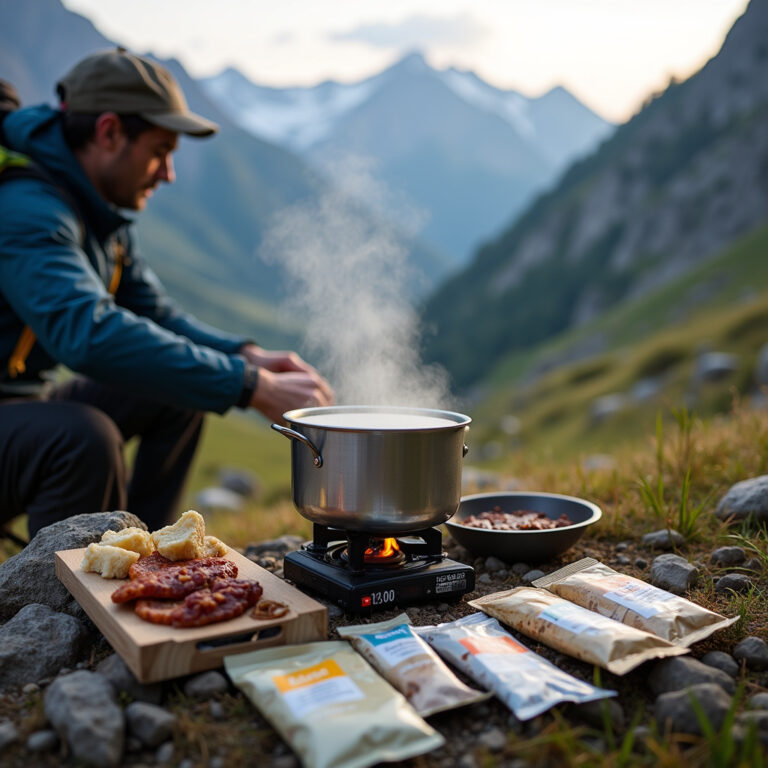
Fuel consumption becomes a significant consideration in winter. Liquid fuel stoves (like MSR Whisperlite or similar) are generally more reliable and efficient in sub-freezing temperatures than canister stoves, which lose pressure. Opt for a simple, lightweight pot (titanium or aluminum) sized for solo use. Plan high-calorie, dehydrated meals that require minimal cooking time and water. Remember, melting snow for water is incredibly fuel-intensive, so factor that into your fuel estimates. Keep your stove and fuel warm (e.g., in your sleeping bag) before use to improve performance. Source: Inspired by “camp kitchen setup – solo backpacker – minimal fuel usage” from Keyword Planner.
Water Procurement & Hydration: The Lifeline
Staying hydrated in winter is as critical as in summer. Carry at least two 1-liter insulated water bottles (Nalgene bottles in an insulating cozy work well) to prevent water from freezing. Consider bringing a lightweight stove for melting snow if open water sources are scarce or frozen. A water filter can be useful for open water, but ensure it won’t freeze solid (keep it insulated or in your sleeping bag). Always treat water from natural sources. Electrolyte tablets can also aid hydration.
Navigation & Safety: Your Unseen Companions
These are not optional. A GPS device with pre-loaded routes, a physical map, and a compass are your primary navigation tools. Know how to use all three, even in whiteout conditions. A satellite messenger (e.g., Garmin inReach, Zoleo) is absolutely critical for emergency communication where cell service is non-existent. A comprehensive, cold-weather specific first-aid kit, a bright headlamp with spare batteries, and sun protection (sunglasses/goggles, sunscreen) complete your safety essentials. Depending on the terrain, avalanche safety gear (transceiver, probe, shovel) and the knowledge to use them are non-negotiable. Source: Inspired by “survival drill – paired with NOAA alerts” from Keyword Planner.
Essential Winter Skills for the Ultralight Adventurer
Winter Camping Techniques
Selecting a campsite: Look for sheltered, flat areas away from avalanche paths, cornices, and drainage routes. Learn how to stomp out a tent platform in snow for a stable setup. Use snow stakes or deadman anchors (buried bags filled with snow) instead of traditional tent stakes in deep snow. Proper tent ventilation is key to minimizing condensation.
Leave No Trace in Winter
The principles remain the same, but their application adapts to snow. Pack out all trash, including food scraps. Urinate and defecate well away from water sources and snow melt areas; digging a cathole is difficult in frozen ground, so consider packing out solid waste in a WAG bag. Stay on existing snow paths to avoid damaging fragile underlying vegetation. Respect wildlife, which are under significant stress in winter. Source: Inspired by “leave-no-trace” tag concept from Keyword Planner.
Trip Planning & Preparation: The Backbone of a Successful Winter Outing
A successful ultralight winter trip starts long before you hit the trail.
- Weather Monitoring: Obsessively check weather forecasts (NOAA alerts are invaluable) for snow depths, temperatures, wind chill, and most critically, avalanche forecasts if you’re venturing into avalanche terrain. Be prepared to change plans or cancel.
- Route Planning: Choose a route that matches your skill level and available daylight. Winter days are short, and travel is slower. Have bail-out options.
- Physical Conditioning: Winter backpacking is physically demanding. Be in good shape.
- Permits & Regulations: Research specific area requirements. Many national parks and forests have stricter rules for winter travel and camping.
- Tell Someone: Always leave a detailed itinerary with a trusted person, including your expected return time and emergency contacts.
Embrace the Winter Wilderness
Winter backpacking, especially with an ultralight philosophy, offers an unparalleled opportunity to connect with nature in its most serene and challenging form. By focusing on essential, high-performing gear and honing your winter skills, you’ll unlock a whole new season of adventure. The Sierra Nevada, or any high-alpine landscape, awaits your mindful exploration. Get out there, stay safe, and savor the silence.