A Guide to National Forest Camping: Dispersed vs. Developed Campgrounds
Welcome, fellow outdoor enthusiasts, to WildGridScout! Today, we’re diving deep into the heart of America’s magnificent National Forests, exploring the two primary ways to experience their wild beauty: developed campgrounds and the rugged allure of dispersed camping. For many, the idea of camping evokes images of designated sites with picnic tables and fire rings. But for the adventurous soul, National Forests offer an even deeper immersion into nature through dispersed camping – a practice that grants unparalleled solitude but demands greater self-reliance. Understanding the distinctions between these two styles is key to planning your next unforgettable outdoor adventure.
Developed Campgrounds: Convenience Meets Nature
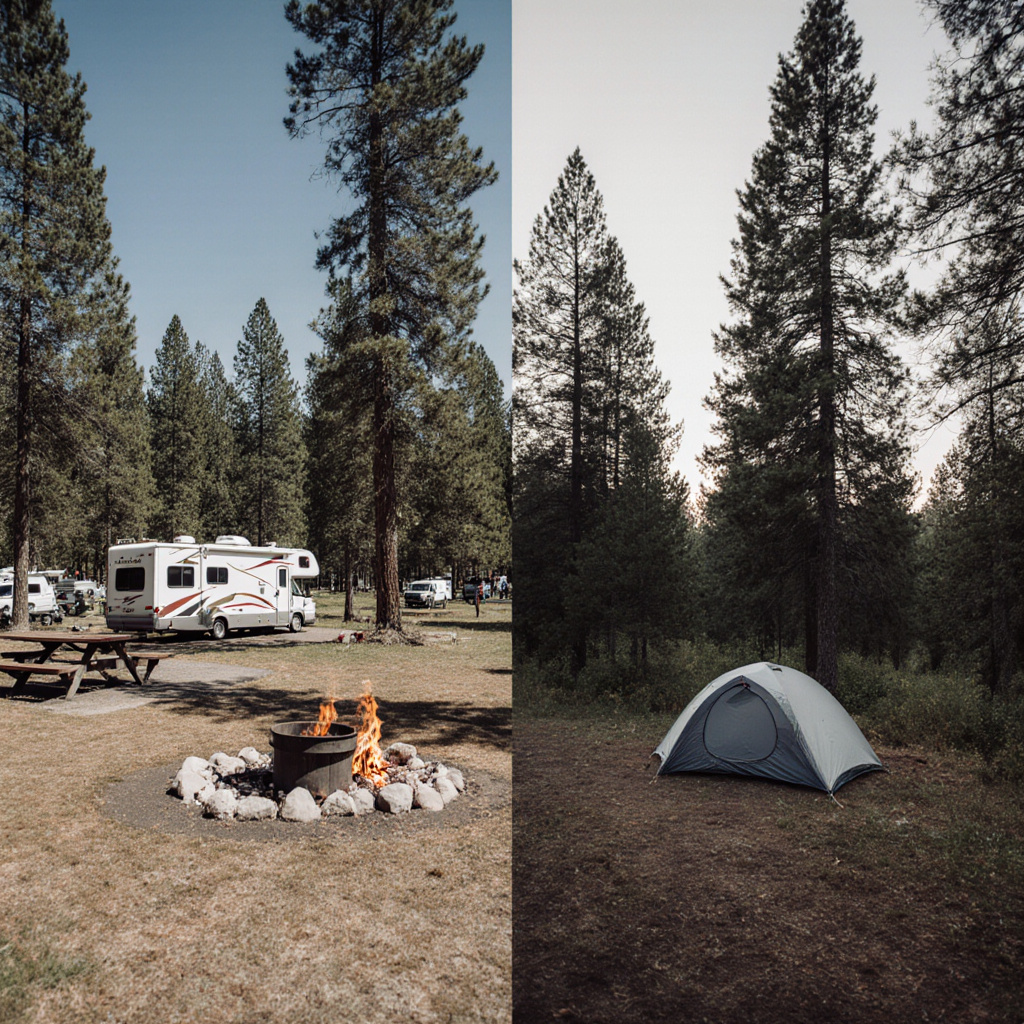
Developed campgrounds are often the first port of call for those new to National Forest camping, families, or anyone seeking a more structured and amenity-rich experience. These sites are managed, well-maintained, and typically offer a range of facilities designed to make your stay comfortable and convenient.
What to Expect
- Amenities: Most developed campgrounds provide basic amenities such as vault or flush toilets, potable water (though often seasonal), picnic tables, and designated fire rings. Some even boast showers, trash disposal, and access to electrical hookups.
- Accessibility: These campgrounds are usually easily accessible via paved or well-maintained gravel roads, often suitable for RVs and trailers of various sizes.
- Safety and Community: With camp hosts on site and fellow campers nearby, developed campgrounds offer a sense of security. They also foster a community atmosphere, perfect for making new friends around the campfire.
- Reservations: Many popular National Forest campgrounds allow or even require reservations, especially during peak season. Websites like Recreation.gov are your go-to for securing a spot in advance.
Pros of Developed Campgrounds
- Ease of Use: Less planning is required regarding basic needs like water and sanitation.
- Family-Friendly: Amenities make it easier for families with young children or those new to camping.
- Accessibility: Great for larger vehicles or those with mobility considerations.
- Information: Often have interpretive programs, trailheads, and visitor centers nearby.
Cons of Developed Campgrounds
- Cost: There’s typically a fee per night, ranging from modest to moderate, depending on the amenities.
- Less Privacy: Sites are often relatively close together, leading to less solitude and more noise.
- Rules and Regulations: Stricter rules regarding noise, pets, and site occupancy are common.
- Booking Ahead: Popular sites can book out months in advance, requiring rigid planning.
Dispersed Camping: Embracing the Wild Frontier
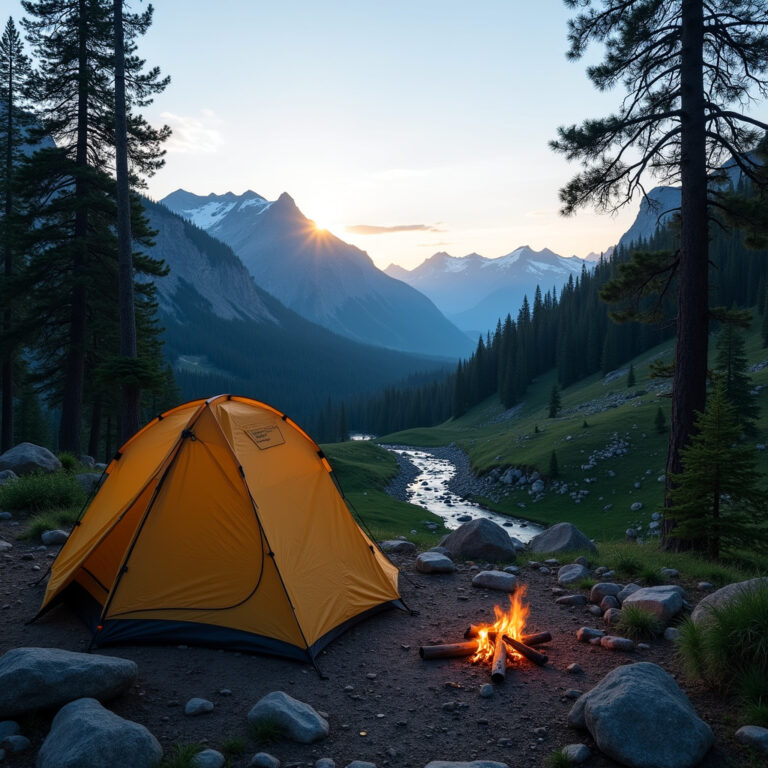
For those who crave true solitude, a deeper connection with nature, and the ultimate freedom of the open road, dispersed camping is the answer. Also known as “boondocking” or “primitive camping,” this involves setting up camp outside of a designated campground, typically along Forest Service roads or in remote areas of the National Forest.
What to Expect
- No Amenities: This is the fundamental difference. You are entirely self-reliant. There are no toilets, no water sources, no trash cans, and often no picnic tables or fire rings.
- Solitude: The primary draw for many. You can often find incredible spots far from other campers, offering peace and quiet that developed sites rarely provide.
- Flexibility: No reservations mean you can often decide on the fly where to set up camp, allowing for spontaneous adventures.
- Accessibility: Often requires driving on unpaved, sometimes rough Forest Service roads. A high-clearance 4×4 vehicle can be beneficial or even necessary for reaching the best spots.
Rules and Regulations for Dispersed Camping
While dispersed camping offers freedom, it comes with a stringent set of responsibilities. These rules are crucial for protecting the environment and ensuring the experience remains available for everyone. Always check with the specific National Forest or Ranger District you plan to visit, as local regulations can vary.
- Location: Generally, you must camp at least 100-200 feet from roads, trails, and water sources. Some areas may have specific restrictions, such as “no camping” zones.
- Existing Sites: If possible, use existing disturbed sites to minimize your impact. Avoid creating new fire rings or clearing new areas.
- Stay Limit: A common rule is a 14-day stay limit within any 30-day period in a specific area. This prevents long-term residency and environmental damage.
- Pack It In, Pack It Out: This is paramount. Everything you bring with you, including all trash, food scraps, and even human waste (properly disposed of via catholes or WAG bags), must leave with you.
- Fire Safety: Always check for fire restrictions and bans. If fires are permitted, use an existing fire ring if available, keep fires small, and always ensure they are completely extinguished before leaving. Never build a fire directly on fragile ground.
- Water: Plan to bring all your water or have a reliable filter/purifier for natural sources.
- Human Waste: Dig a “cathole” 6-8 inches deep and at least 200 feet from water, trails, and camp. Cover thoroughly.
For detailed guidelines, refer to the U.S. Forest Service website on Dispersed Camping and the Leave No Trace Center for Outdoor Ethics.
Pros of Dispersed Camping
- Free: No camping fees.
- Ultimate Solitude: Enjoy unparalleled peace and quiet, often with stunning views all to yourself.
- Flexibility: No reservations needed, allowing for spontaneous trips and itinerary changes.
- Immersion: A deeper, more raw experience of nature.
Cons of Dispersed Camping
- No Amenities: Requires meticulous planning for water, sanitation, and waste management.
- Greater Responsibility: Higher demand for self-reliance and adherence to Leave No Trace principles.
- Finding Spots: Can be challenging to find suitable, legal spots, especially without prior research.
- Vehicle Requirements: Access roads can be rough, potentially requiring a high-clearance or 4WD vehicle.
Choosing Your Adventure: Developed vs. Dispersed
The choice between developed and dispersed camping ultimately depends on your preferences, experience level, and the kind of outdoor experience you seek. Consider the following:
- Experience Level: Beginners might prefer the safety and amenities of developed campgrounds. Experienced campers seeking solitude will gravitate towards dispersed camping.
- Desired Solitude: If peace and quiet are paramount, dispersed camping is your best bet.
- Amenities Needed: Do you require potable water, restrooms, or picnic tables? Developed sites offer these.
- Budget: Dispersed camping is free, while developed sites incur fees.
- Vehicle Type: RVs and large trailers are best suited for developed campgrounds, while smaller vehicles or those equipped for off-road travel are better for dispersed areas.
The Universal Principle: Leave No Trace
Regardless of whether you choose a developed site or venture into the backcountry for dispersed camping, the Seven Principles of Leave No Trace are your guiding stars. Plan Ahead and Prepare, Travel and Camp on Durable Surfaces, Dispose of Waste Properly, Leave What You Find, Minimize Campfire Impacts, Respect Wildlife, and Be Considerate of Other Visitors. Adhering to these principles ensures that our beautiful National Forests remain pristine for generations to come.
Conclusion
National Forests offer an incredible diversity of camping experiences, from the social and amenity-rich developed campgrounds to the silent, self-reliant beauty of dispersed sites. Both offer unique ways to connect with nature, and both require respect for the environment and fellow outdoor enthusiasts. So, whether you’re seeking convenience or absolute solitude, pack your bags, do your research, and head out to discover the vast, wild heart of America’s National Forests. Happy camping, WildGridScouts!