Cold Weather Camping: A Beginner’s Guide to Staying Warm
Embracing the Chill: Your First Steps into Cold Weather Camping
There’s a unique magic to camping in colder temperatures. The air is crisp, the crowds are sparse, and the snow-dusted landscapes offer a serene beauty often missed during warmer months. Yet, the thought of venturing into the wilderness when the mercury drops can be daunting for many. Fear not, aspiring cold weather adventurers! With the right knowledge and a smart approach to gear, you can transform a potentially chilly experience into an incredibly rewarding one. At WildGridScout, we believe in equipping you with practical skills and minimalist gear advice, making every outdoor escapade accessible and enjoyable.
The Golden Rule: Layering for Life
The single most crucial concept in cold weather camping, and indeed, any outdoor activity in variable conditions, is the layering system. It’s an art and a science that allows you to regulate your body temperature by adding or shedding clothing as needed. Forget bulky, single-layer solutions; think adaptable, efficient warmth.
- Base Layer (Wicking): This is your skin’s best friend. Choose merino wool or synthetic materials that excel at wicking moisture away from your body. Sweat is your enemy in the cold, as it rapidly cools you down when it evaporates. Avoid cotton at all costs – “cotton kills” is a common adage in the outdoor community for good reason.
- Mid Layer (Insulation): This layer traps warm air close to your body. Fleece, down, or synthetic puffies are excellent choices. Depending on the conditions, you might use one thick mid-layer or multiple thinner ones. Down offers superior warmth-to-weight ratio but loses insulation when wet, whereas synthetic insulation performs better in damp conditions.
- Outer Layer (Shell): Your protective shield against the elements. A waterproof and windproof jacket and pants are essential. Look for breathable options (like Gore-Tex or similar technologies) to prevent sweat buildup during exertion. This layer keeps the wind from stealing your warmth and the precipitation from soaking your insulation.
Remember to extend this layering principle to your hands and feet. Insulated, waterproof gloves or mittens and warm, moisture-wicking socks (again, wool or synthetic) are non-negotiable. Always pack an extra pair of dry socks!
Your Sleeping Sanctuary: The Key to a Warm Night
A good night’s sleep is paramount to enjoying your cold weather trip. Your sleeping system is arguably the most critical component of your gear list.
- Sleeping Bag: Invest in a sleeping bag rated for temperatures well below what you expect to encounter. A bag rated for 0°F (-18°C) is a good starting point for many winter conditions. Consider a bag with a draft collar and hood for maximum warmth retention. Down is typically lighter and more compressible, while synthetic is more budget-friendly and performs better when damp.
- Sleeping Pad: This is often overlooked but just as important as your sleeping bag. The ground will suck the heat right out of you through conduction. You need a sleeping pad with a high R-value (a measure of thermal resistance) to insulate you from the cold ground. Aim for an R-value of 4 or higher for winter camping. Many cold weather campers use two pads: a foam pad directly on the ground for puncture protection and an inflatable pad on top for comfort and additional insulation.
- Sleeping Bag Liner: A silk or fleece liner can add significant warmth (often boosting your bag’s rating by 5-15°F) and keeps your sleeping bag cleaner. It’s a lightweight, minimalist addition with a big payoff.
- Tent Selection: For true cold weather or winter camping, a 4-season tent is highly recommended. These tents are designed to withstand heavy snow loads and strong winds, often featuring more robust poles and less mesh for better heat retention. Ensure proper ventilation to prevent condensation buildup, which can lead to damp gear.
Pro Tip: Before bed, do a few jumping jacks or light exercises to get your blood flowing and warm up your core. Change into a fresh, dry set of base layers specifically for sleeping – never sleep in the clothes you’ve been hiking in!
Fueling the Furnace: Food and Hydration
Your body is a furnace, and in the cold, it needs more fuel to keep warm. Prioritize high-calorie, easily digestible foods. Hot meals and drinks not only provide essential energy but also a comforting psychological boost.
- Calorie-Dense Foods: Think nuts, dried fruits, cheese, chocolate, and instant oatmeal. Dehydrated meals are lightweight and convenient.
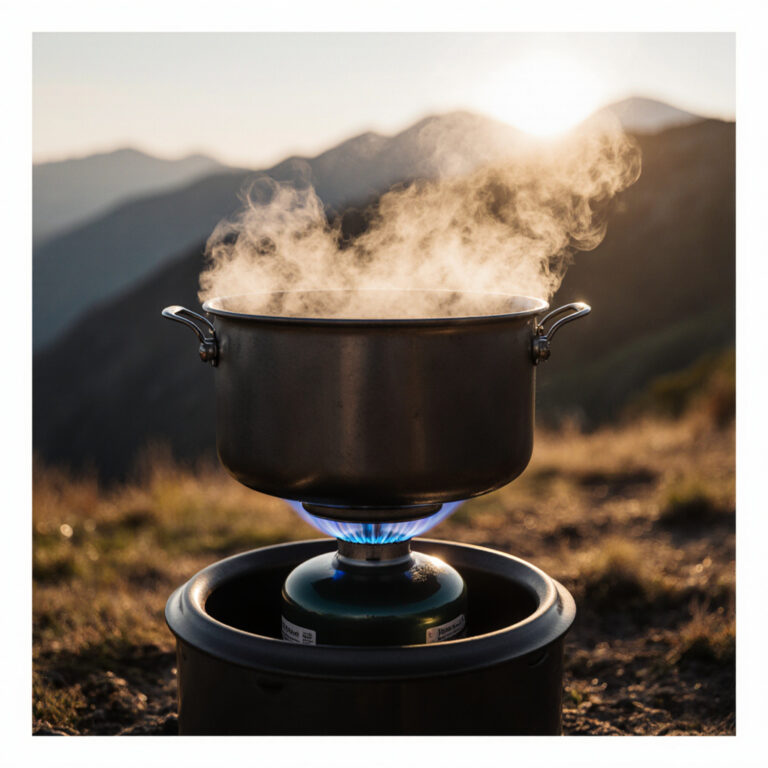
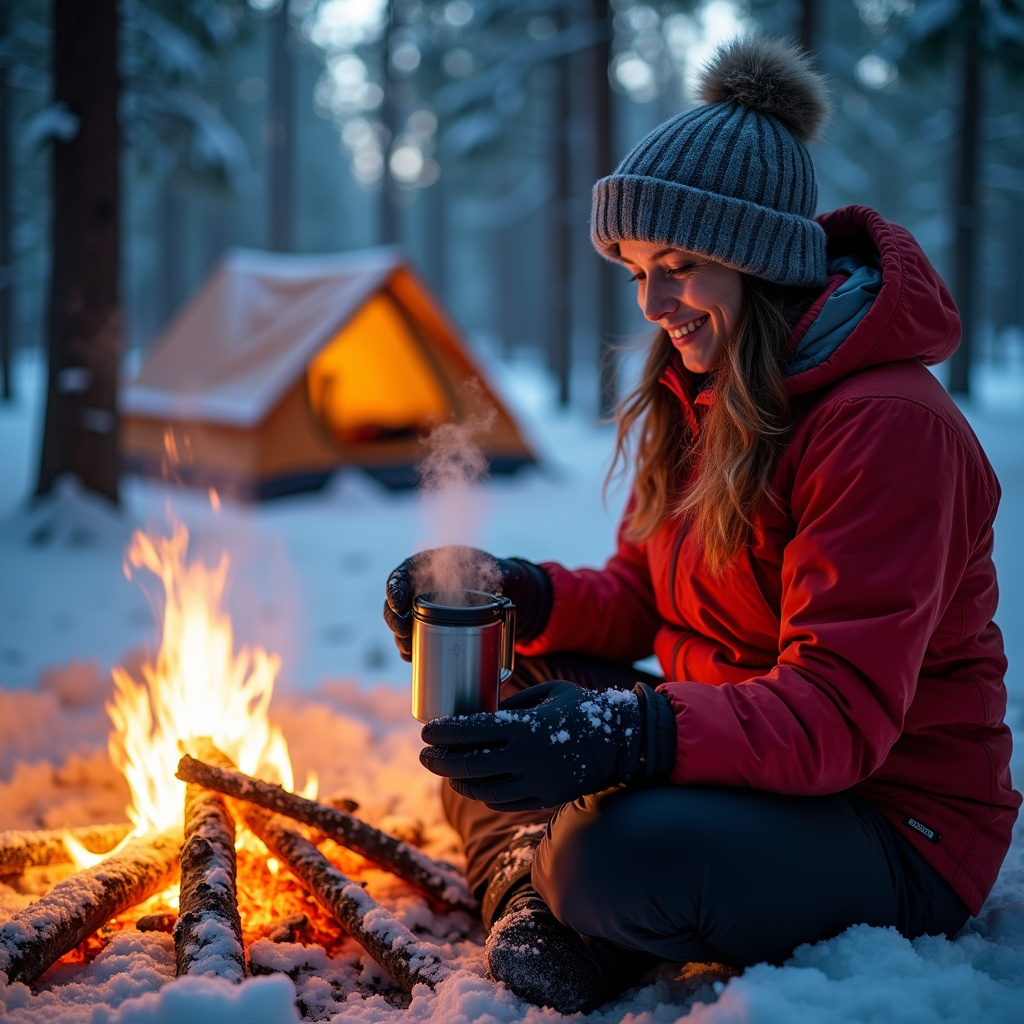
- Hot Drinks: Bring a reliable stove and plenty of fuel. Hot cocoa, tea, or instant soup can work wonders for warming you from the inside out. Consider an insulated bottle or cozy to keep drinks warm longer.
- Stay Hydrated: It’s easy to forget to drink water in cold weather, but dehydration can impair your body’s ability to regulate temperature. Drink plenty of fluids, and prevent water from freezing by storing bottles upside down in your tent or insulating them in socks.
Staying Safe: Recognizing the Dangers
Cold weather camping comes with inherent risks. Understanding and recognizing the signs of hypothermia and frostbite is crucial for your safety and that of your companions. Always inform someone of your itinerary and expected return time.
- Hypothermia: This occurs when your body loses heat faster than it can produce it. Symptoms include shivering, confusion, slurred speech, and loss of coordination. In severe cases, it can be fatal. Treat by getting the person into dry, warm clothes, providing warm drinks, and using body heat if necessary.
- Frostbite: This is damage to body tissue caused by freezing. Fingers, toes, ears, and nose are most susceptible. Early signs include numbness, tingling, and pale skin. Seek medical attention immediately if you suspect frostbite.
For more detailed information on wilderness first aid, resources like the NOLS Wilderness Medicine Institute offer comprehensive courses and guides (NOLS Wilderness Medicine).
Minimalist Approach: Smart Choices, Not Less Gear
While cold weather camping requires more gear than summer excursions, a minimalist mindset still applies. It’s about making smart, multi-functional gear choices and packing only what’s truly necessary. Every item should earn its place in your pack.
- Multi-use items: A puffy jacket can double as a pillow. Your rain shell is also your windbreaker.
- Efficient cooking: A single-pot stove system can handle most cooking and water-melting needs.
- Strategic packing: Use compression sacks for your sleeping bag and clothes. Organize your pack for easy access to essentials.
Final Thoughts on Embracing the Chill
Cold weather camping is an incredibly rewarding experience that allows you to see nature in a different light. By understanding the principles of layering, investing in a robust sleeping system, fueling your body properly, and staying vigilant about safety, you’ll be well-prepared to embrace the chill. Start with shorter, less ambitious trips to build your confidence and refine your gear setup. Remember, the goal is to be comfortable and safe, allowing you to fully immerse yourself in the serene beauty of winter wilderness.
Happy Trails, and stay warm!
Sources:
- REI Expert Advice. “Cold Weather Camping Basics.” https://www.rei.com/learn/expert-advice/cold-weather-camping.html
- Backpacker Magazine. “How to Stay Warm While Winter Camping.” https://www.backpacker.com/skills/winter-camping-stay-warm/
- NOLS Wilderness Medicine. https://www.nols.edu/en/wilderness-medicine/courses/