
Gear Review: The Best 4-Season Tents Under $300 for Below-Freezing Conditions
Conquering the Cold: Finding Your Winter Sanctuary on a Budget
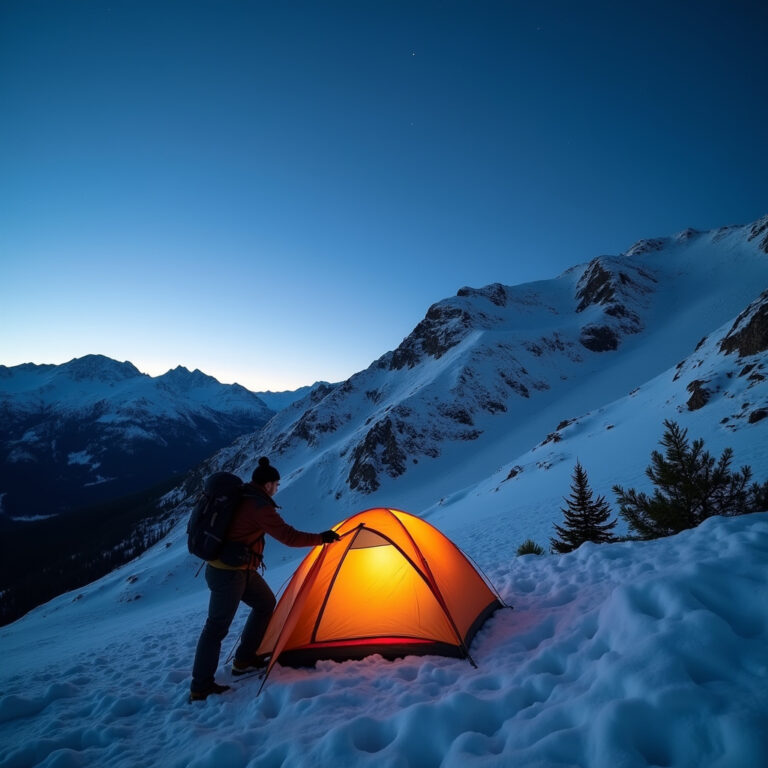
There’s an undeniable magic to winter camping—the crisp, still air, the hushed blanket of snow, and the profound sense of solitude that comes with facing the elements. But this magic demands respect, and at its core lies your shelter: the 4-season tent. When temperatures plunge below freezing, your tent isn’t just a place to sleep; it’s your lifeline, protecting you from harsh winds, heavy snow loads, and the relentless cold. For many aspiring winter adventurers, the biggest hurdle isn’t the cold itself, but the cost of entry. Can you truly find a reliable, safe 4-season tent capable of handling sub-freezing conditions for under $300? The answer is a resounding yes, but it requires savvy shopping, a keen understanding of what truly matters, and a willingness to embrace certain compromises.
Decoding the 4-Season Tent: What Sets It Apart?
Before diving into budget options, it’s crucial to understand what distinguishes a true 4-season tent from its fair-weather counterparts. It’s not merely about having more fabric; it’s about structural integrity and intelligent design engineered to withstand extreme conditions:
- Robust Pole Structure: This is arguably the most critical feature. 4-season tents typically use stronger, thicker aluminum poles, often with more crossing points (geodesic or semi-geodesic designs) to create a self-supporting, stable structure that can shed heavy snow and resist powerful winds.
- Durable Fabrics: While ultralight materials are great for summer, winter demands thicker denier fabrics (e.g., 68D-75D or higher for the fly and floor) that are more resistant to tears, abrasion, and UV degradation.
- Full-Coverage Rainfly: The fly extends all the way to the ground, providing maximum protection from wind, driving snow, and ice.
- Minimal Mesh: While ventilation is still important, 4-season tents reduce the amount of exposed mesh to retain interior warmth. Windows and vents are often sealable.
- Snow Skirts/Gussets: Fabric extensions around the tent’s base can be buried under snow to create an airtight seal, preventing drafts and holding the tent securely in place.
- Stronger Zippers: More robust, often larger-gauge zippers are used to resist freezing and operate smoothly with gloved hands.
The Under-$300 Conundrum: Navigating Compromises
Let’s be clear: a sub-$300 4-season tent will not offer the same ultralight packed size, premium materials, or advanced features of a $600+ expedition tent. However, it absolutely can offer the safety and protection needed for weekend trips and less extreme winter conditions. Here’s what you can generally expect to compromise on and what you absolutely shouldn’t:
- Weight: Budget 4-season tents will almost always be heavier than their high-end counterparts, often weighing 7-10+ pounds for a 2-person model. This is due to heavier fabrics and poles.
- Packed Size: Expect a bulkier packed tent, which might be a consideration for backpackers with limited space.
- Features: You might find simpler vestibule designs, fewer interior pockets, or less refined ventilation systems.
- Durability (Long-Term): While adequate for initial use, the longevity of materials like zippers and coatings might be less than premium brands over many seasons of heavy use.
What NOT to compromise on: Never sacrifice structural integrity (strong poles, secure attachment points), waterproofness of the fly and floor, or adequate ventilation. These are non-negotiable for safety and comfort in cold environments.
Key Features to Prioritize When Shopping on a Budget
Since specific models and their prices fluctuate constantly, this guide focuses on empowering you with the knowledge to evaluate any budget 4-season tent you encounter. When browsing options under $300, prioritize these features:
- Pole Material and Design: Look for aluminum poles over fiberglass. Aluminum is stronger, lighter, and more resilient in cold temperatures. Ensure the pole structure creates a stable, multi-point crossing design. A solid dome or geodesic structure is ideal.
- Fabric Denier: Aim for a rainfly and floor with a denier count of at least 68D-75D. Higher numbers indicate thicker, more durable fabric.
- Full-Coverage Rainfly with Vestibules: The fly should extend to the ground and offer at least one decent-sized vestibule for gear storage and cooking (with extreme caution and ventilation!).
- Adequate Ventilation: Even in cold, condensation can be a huge issue. Look for multiple, adjustable vents to allow airflow without letting in snow. High-low venting options are ideal.
- Snow Skirts: While not all budget tents include them, snow skirts are a huge asset for sealing out drafts and anchoring your tent. If your chosen tent lacks them, be prepared to build snow walls around the base.
- Strong Guy Out Points: Ensure the tent has plenty of reinforced loops for guy lines, preferably with reflective cordage for visibility.
- Reputable Manufacturer/Reviews: Even with budget brands, look for a company with positive customer service and solid user reviews, especially those from people who’ve tested the tent in cold conditions.
Maximizing Your Budget Tent’s Performance in the Field
Owning a budget 4-season tent doesn’t mean compromising on safety or enjoyment if you employ smart field practices:
- Site Selection: Choose a sheltered spot out of direct wind, ideally near a natural windbreak. Clear and compact snow before pitching.
- Pitching Technique: Always use all available guy lines and properly tension them. If your tent has snow skirts, bury them under packed snow to create a solid seal.
- Condensation Management: Keep vents open as much as possible, even in cold. Wipe down interior surfaces in the morning. Proper sleep systems (insulating pad, warm bag) generate less condensation.
- Ground Protection: Always use a footprint (or a heavy-duty tarp cut to size) to protect your tent floor from abrasion and add an extra layer of insulation from the frozen ground.
Conclusion: Your Winter Adventure Awaits
Embarking on winter adventures doesn’t have to break the bank. While finding a truly expedition-grade 4-season tent under $300 is a tall order, equipping yourself with a robust, reliable shelter for typical below-freezing conditions is entirely achievable. The key is to be an informed consumer, prioritizing essential features like structural integrity, durable fabrics, and effective ventilation, even if it means accepting a bit more weight or simpler amenities. Do your research, read user reviews, and remember that with careful preparation and smart field techniques, your budget 4-season tent can become your cozy, snow-proof sanctuary, opening up a whole new world of winter exploration. Now, go forth and embrace the chill!
Disclaimer: Due to the dynamic nature of retail pricing and product availability, specific tent models and their prices cannot be guaranteed. This guide offers general principles for selecting a budget 4-season tent. Always conduct thorough, up-to-date research on specific products before purchase. Consult multiple user reviews and manufacturer specifications.